Newsletters


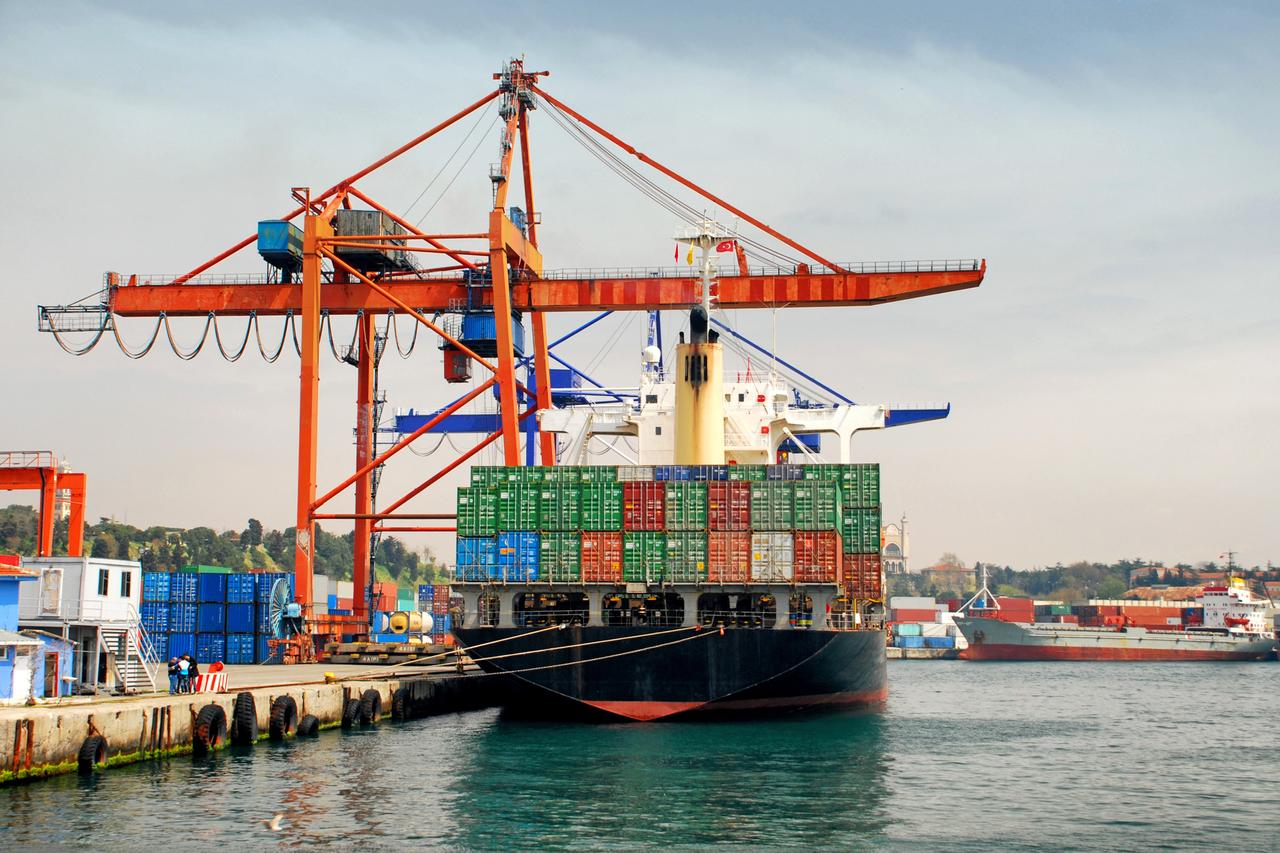


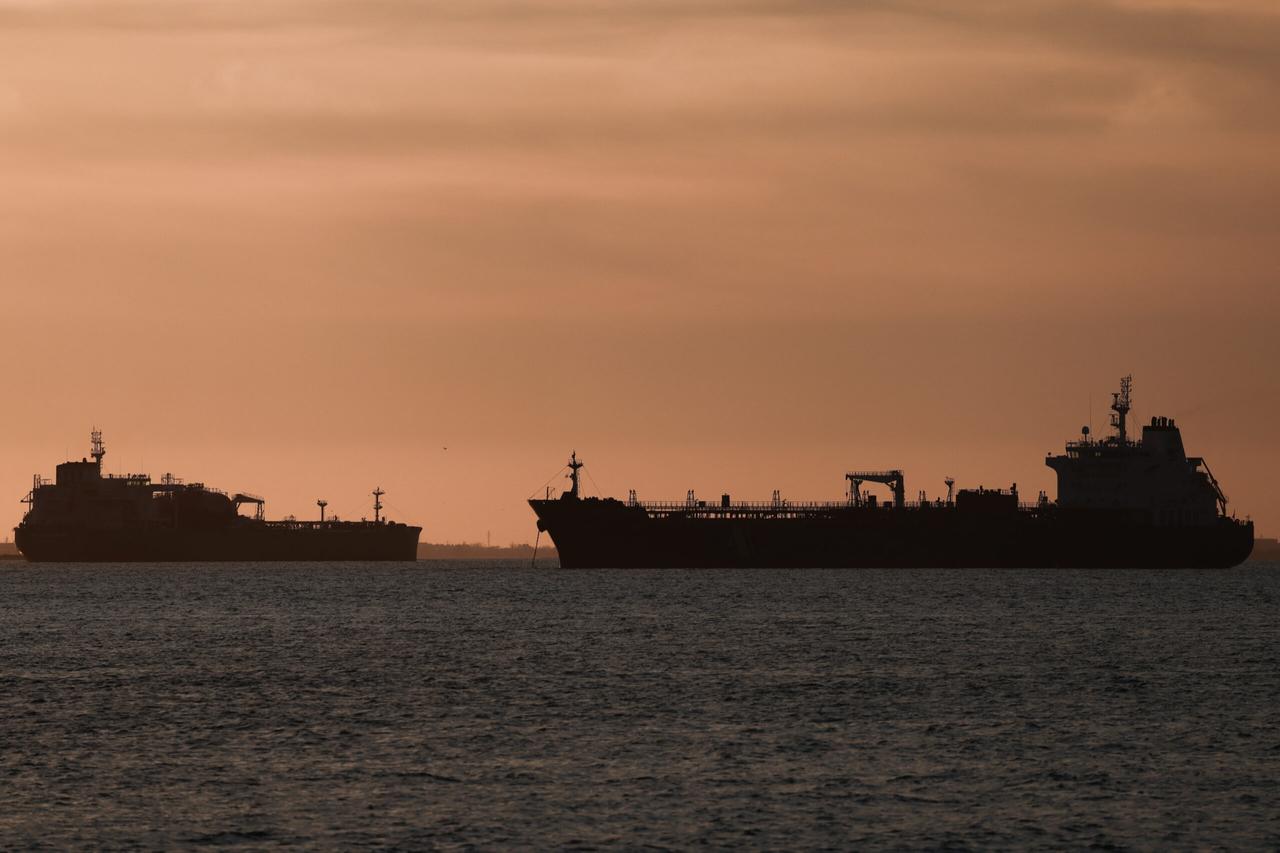
Türkiye’s exports dropped sharply in March, dragged down by disruptions from the Iran conflict and the effective closure of the Strait of Hormuz, as shipments to Gulf countries fell steeply and rising energy costs widened the trade gap.
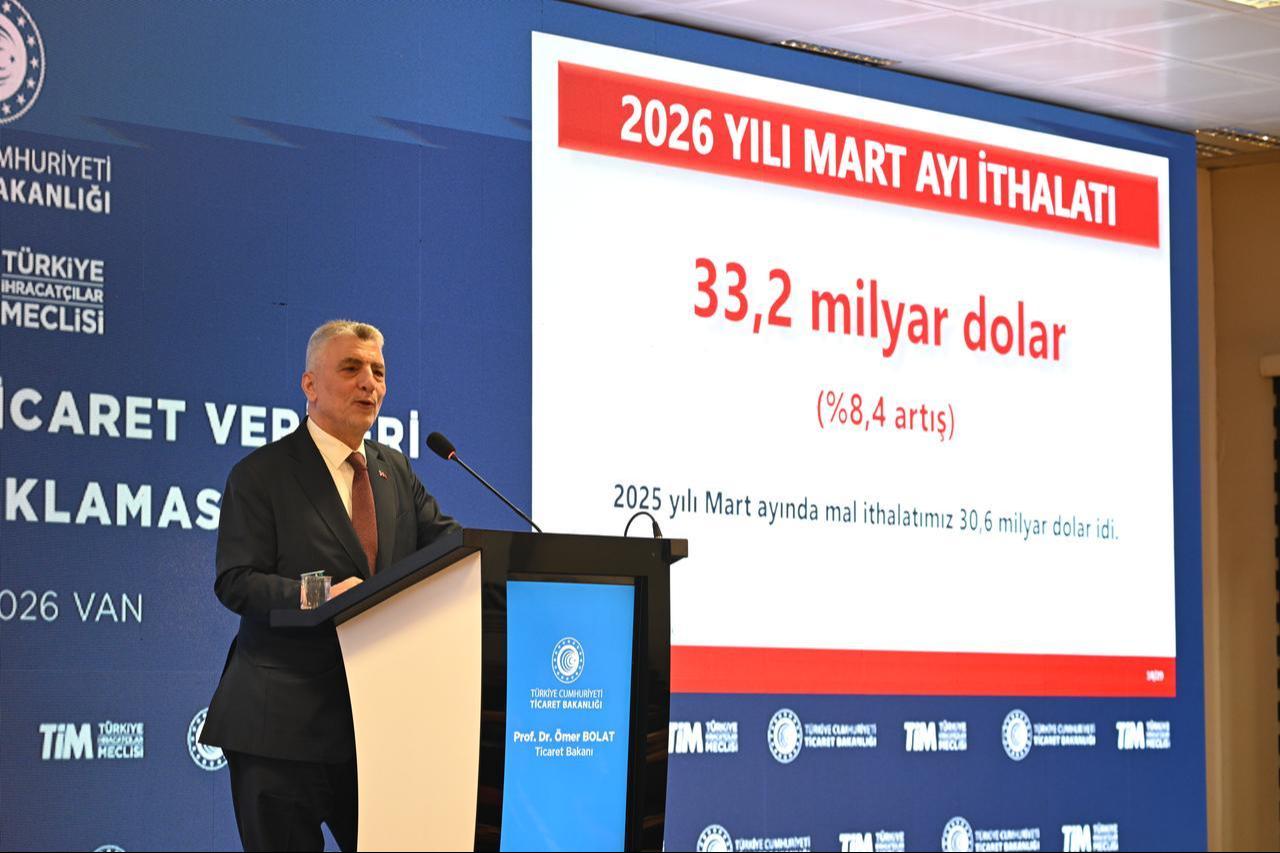
Exports slipped 6.4% year-on-year to $21.9 billion, a roughly $1.5 billion drop, Trade Minister Omer Bolat said, while imports moved in the opposite direction, rising 8.4% to $33.2 billion and pushing the foreign trade deficit up 56.6% to $11.3 billion.
The downturn across Gulf markets was steep, with exports falling 37% to $1.4 billion in March and the monthly loss reaching $815 million, the figures showed.
The disruption stems not only from war conditions affecting key shipping routes but also from calendar effects and extended holidays, which weighed on production and delivery schedules, Bolat explained. Processed gold exports alone dropped by $350 million during the period, adding to the overall decline.
On the Hormuz crisis, "Our government is making intensive efforts to offset these negative effects," Bolat said, adding that Türkiye faces no supply shortages in energy, natural gas, oil products, fertilizers, and petrochemicals thanks to diversified sourcing and adequate inventories.
However, the minister described a fluctuating trend in exports since the start of the year. January saw a decline of nearly $800 million, followed by a $300 million increase in February, before March reversed course with a $1.5 billion drop.

Türkiye Exporters Assembly (TIM) Chairman Mustafa Gultepe said exports declined across nearly all Gulf countries except Oman, pointing to widespread losses across the region. "Iraq fell by 30%, the United Arab Emirates by 48%, Iran by 41%, Saudi Arabia by 29%, Qatar by 83%, Kuwait by 70%, and Bahrain by nearly 81%," Gultepe detailed.
He said the war hit multiple sectors at once, including jewelry, grains, automotive, chemicals, and furniture, amplifying the overall downturn in exports. "As the export family, we must strengthen our communication with the region under these difficult conditions," Gultepe said, arguing that maintaining ties is critical as disruptions persist.
He added that exporters are working to adapt logistics channels and keep trade flows active despite mounting challenges, with coordination ongoing between relevant ministries and industry bodies.


 Set as preferred source
 Set as preferred source


 1 min read
 1 min read