Newsletters


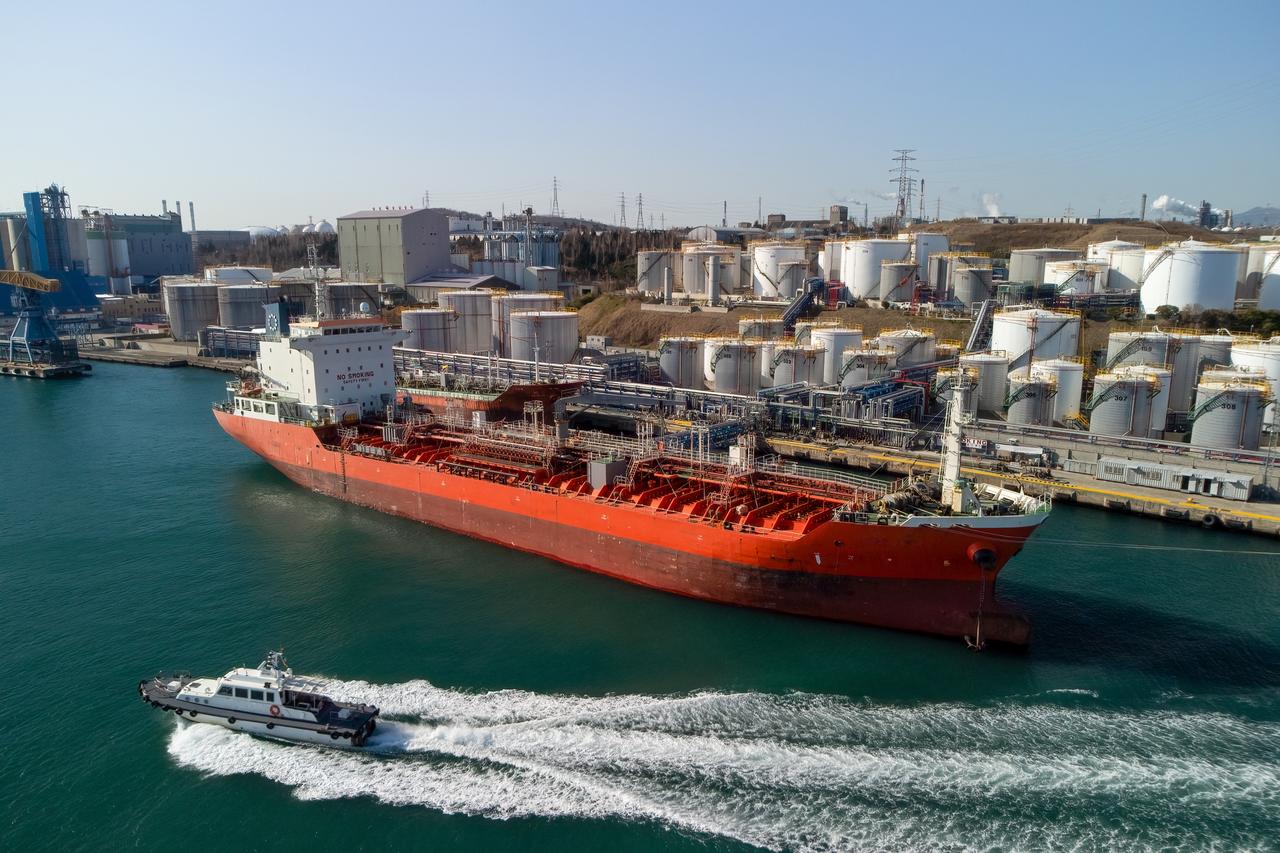


South Korea on Thursday pushed back against a local media report claiming it was weighing payments to Iran for energy shipments passing through the Strait of Hormuz, calling the suggestion entirely unfounded.
A spokesperson for the presidential Blue House dismissed the report outright, stating that any review of such payments "is completely untrue and is not something under consideration," Reuters reported.
The statement comes at a time when concerns are mounting over the stability of Middle Eastern energy flows, with the Strait of Hormuz once again at the center of global attention. The waterway has become a focal point of the ongoing war, with Iran moving to assert direct control over shipping lanes and reshape how vessels pass through the strait.
Iranian lawmakers and officials have floated—and in some cases begun applying—transit charges of up to $2 million per vessel, describing the move as a reflection of Tehran’s authority over the route. In parallel, Iran’s parliament and national security bodies have advanced plans to formalize a legal framework for such fees, signaling a shift toward a structured "toll" regime rather than ad hoc payments.
Shipping companies have increasingly been required to coordinate passage with Iranian authorities, with some vessels reportedly paying for access to a controlled corridor through Iranian territorial waters.
Bloomberg reported that ship operators seeking safe passage through the Strait of Hormuz are being routed through intermediaries linked to Iran’s Islamic Revolutionary Guard Corps, where they must pay tolls that typically start at around $1 per barrel, with payments increasingly requested in yuan or stablecoins.
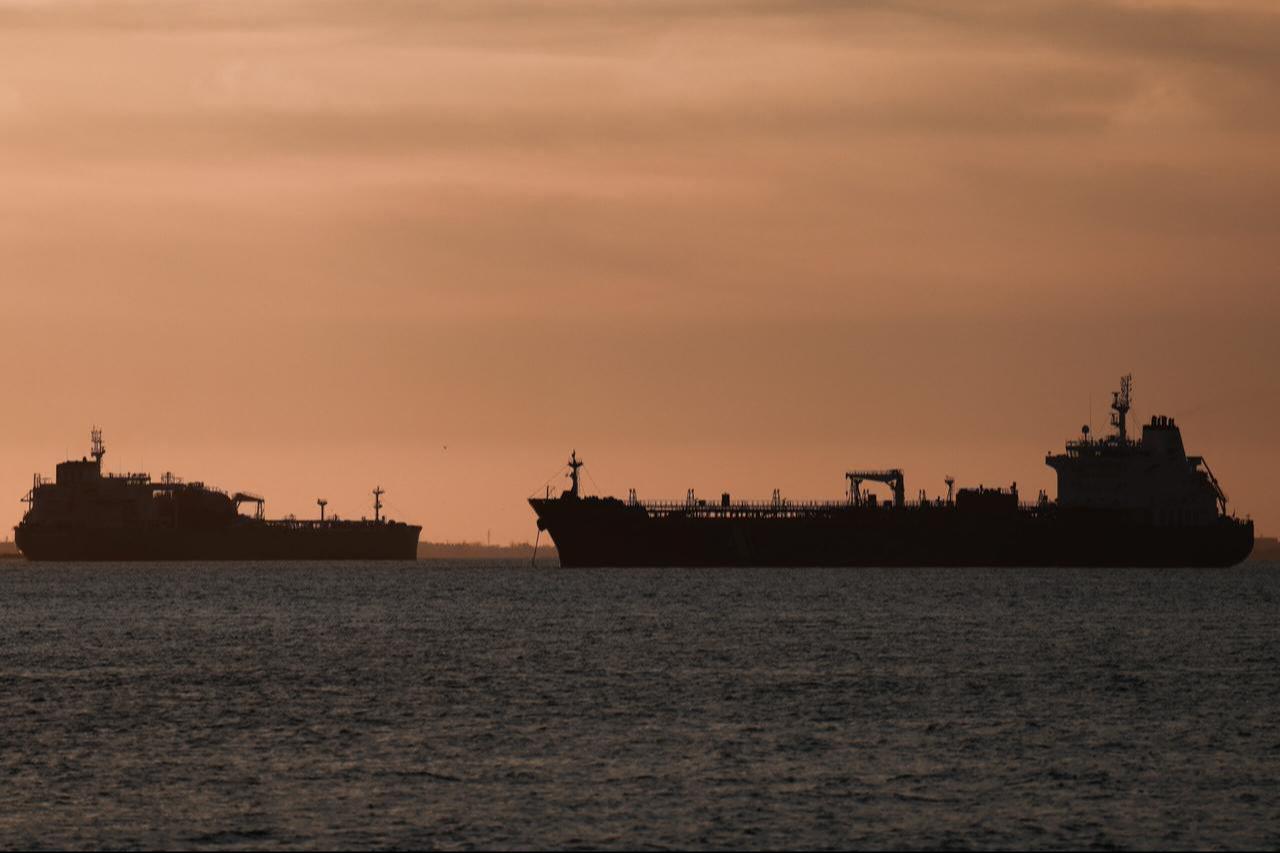

The Strait of Hormuz—which normally carries about 20% of global oil and a similar share of liquefied natural gas—has seen flows drop sharply amid the war, with tanker movements down more than 90% in recent weeks as security risks, vessel attacks, restricted access, and surging war-risk insurance costs deter shipping.
The strait remains the only sea route from the Persian Gulf to open waters, making any disruption immediately felt across global energy markets, with Brent crude standing at $108.5 per barrel as of Thursday. Over 85% of the strait’s crude exports are bound for Asian markets, with South Korea among the key destinations heavily reliant on these flows.
As well as rising energy costs, strains in downstream chemicals critical to the tech industry—particularly helium, which is essential for cooling and stabilizing semiconductor production and has no viable substitute—have already weighed heavily on South Korea’s economy, dragging down its tech-heavy Kospi index by more than 16.2% since the war began.


 Set as preferred source
 Set as preferred source


 2 min read
 1 min read