Newsletters




The Gulf Cooperation Council warned Thursday that Iranian attacks on Gulf countries and the closure of the Strait of Hormuz have “crossed all red lines,” raising alarm over global economic consequences.
Speaking at a press conference in Saudi Arabia’s capital Riyadh on Thursday, GCC Secretary-General Jasem Al Budaiwi said the situation in the Gulf poses an immediate and long-term threat to international stability.
“The Strait of Hormuz is closed today, and the results might be limited for some period of time, but on the long run, this will affect the economic growth in the world,” he said.
According to Budaiwi, the escalation has already impacted the global economy, with rising prices and increased transportation costs, while maritime navigation through the strategic waterway has been severely affected.

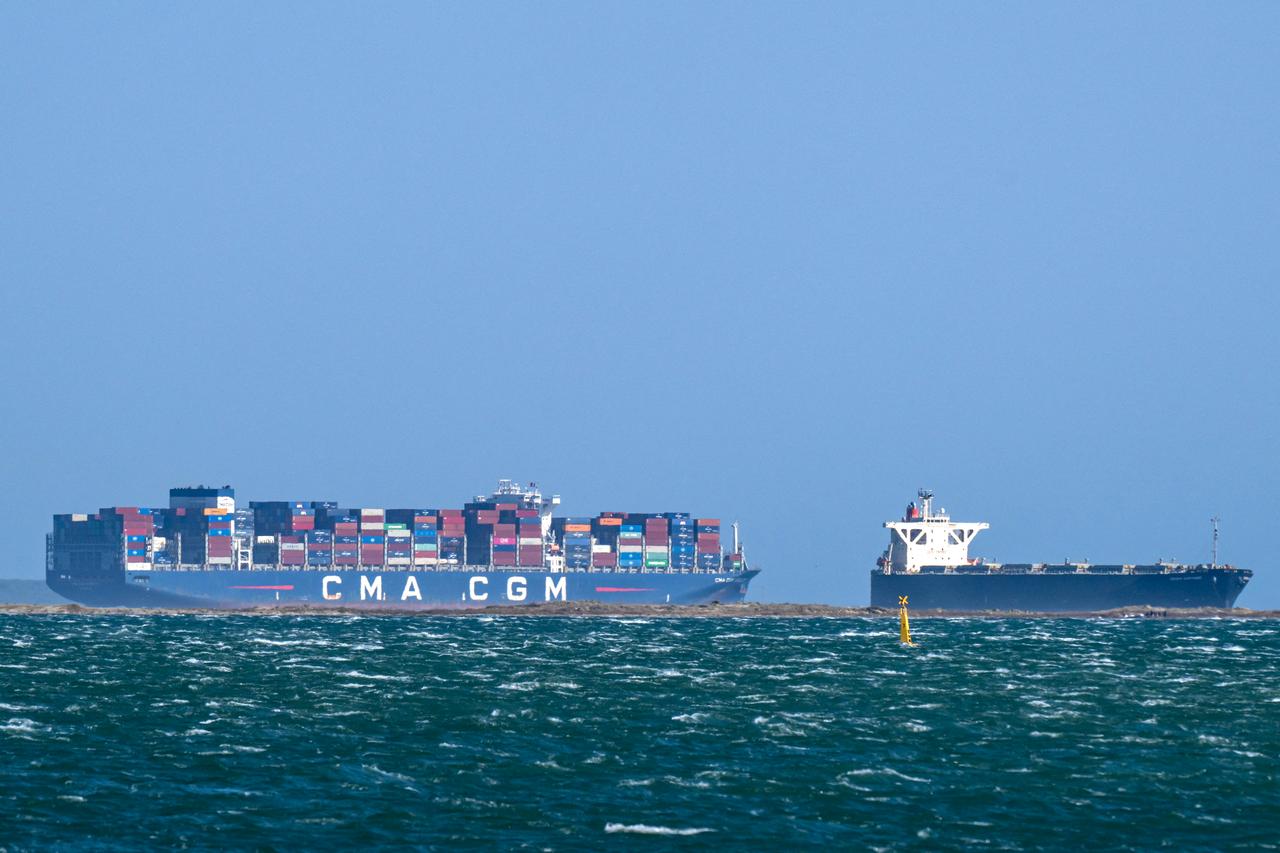
He warned that the risks could expand beyond the energy sector, affecting global supply chains and even the digital economy.
“What is representing a threat today will grow up in the future, and the chains must be protected,” he said, labeling the situation an “international responsibility.”
“The deterioration of the situation in the Arab Gulf will be a warning that will go beyond the Gulf area to other parts in the world,” he added.
Budaiwi cautioned that these developments would “100% destabilize international stability and would postpone the commercial chains, and the exportation of oil and gas to the world.”
Iran’s actions, including attacks and the shutdown of the Strait of Hormuz, have “crossed all red lines,” he affirmed.
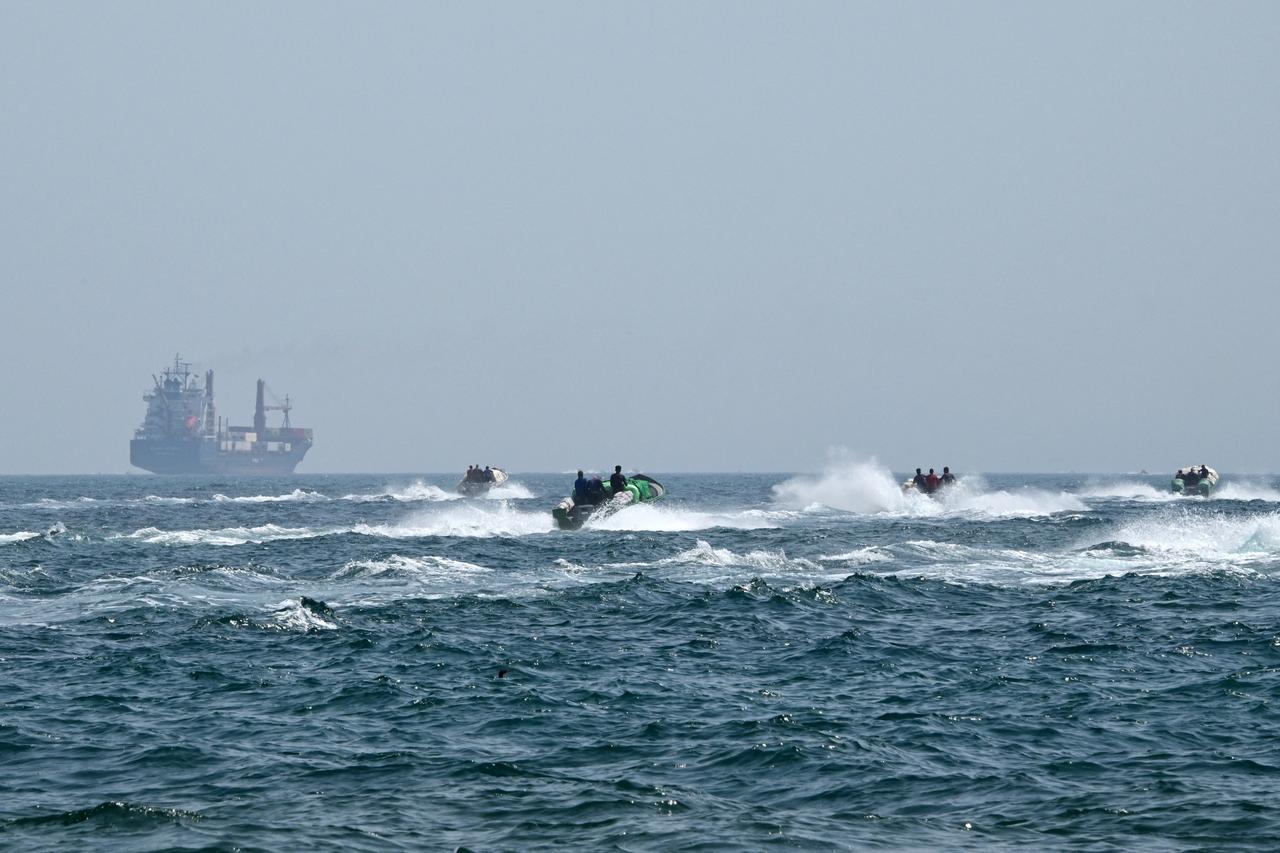
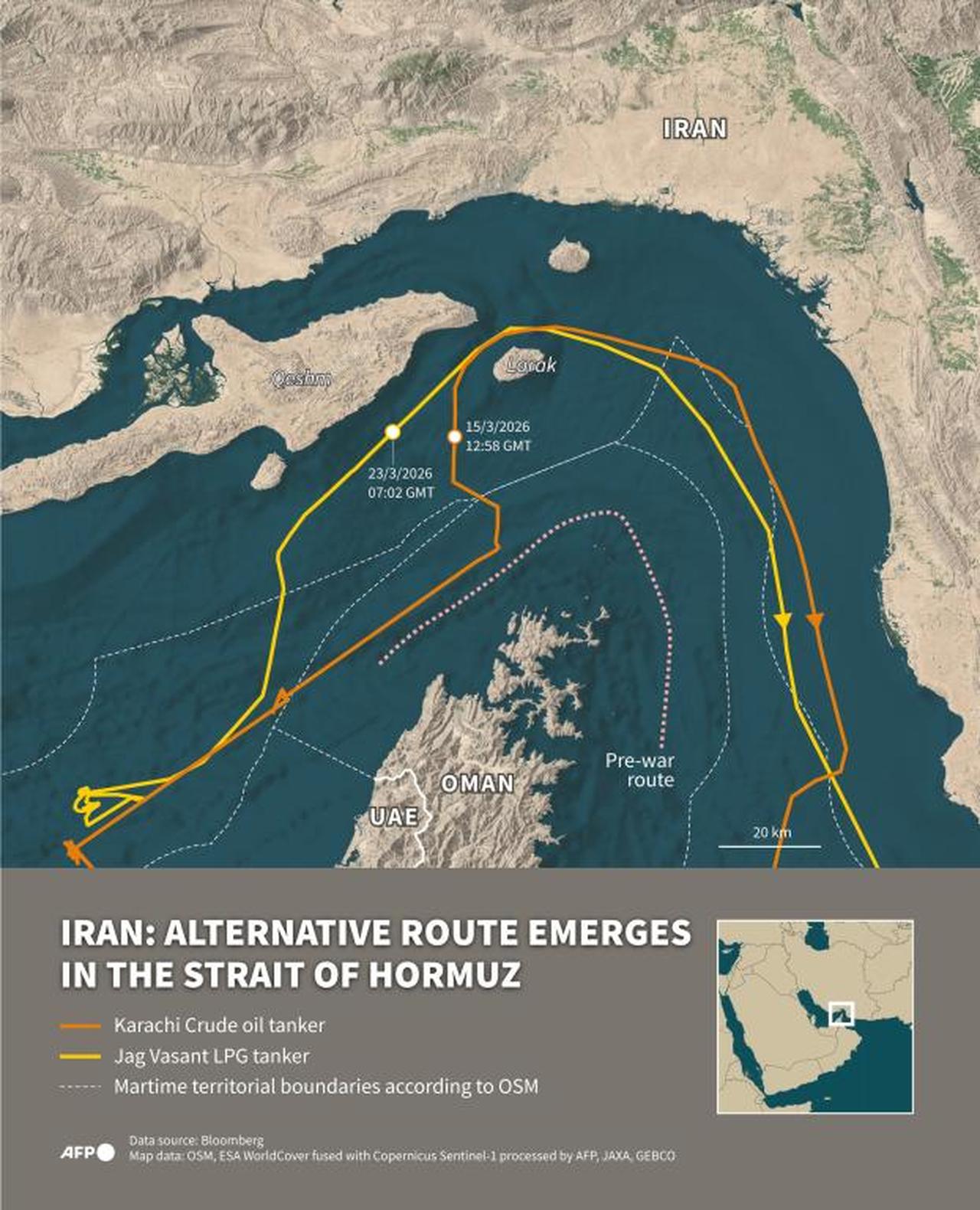
The Strait of Hormuz has been effectively disrupted since early March. Around 20 million barrels of oil normally pass through it daily, and its disruption has driven up shipping costs and pushed global oil prices higher.
Regional escalation has continued since the United States and Israel launched a joint offensive on Iran on Feb. 28, killing more than 1,937 people so far, including then-Supreme Leader Ali Khamenei.
Iran has retaliated with drone and missile strikes targeting Israel, along with Jordan, Iraq and Gulf countries hosting U.S. military assets, causing casualties and damage to infrastructure while disrupting global markets and aviation.


 Set as preferred source
 Set as preferred source


 1 min read

 1 min read