Newsletters


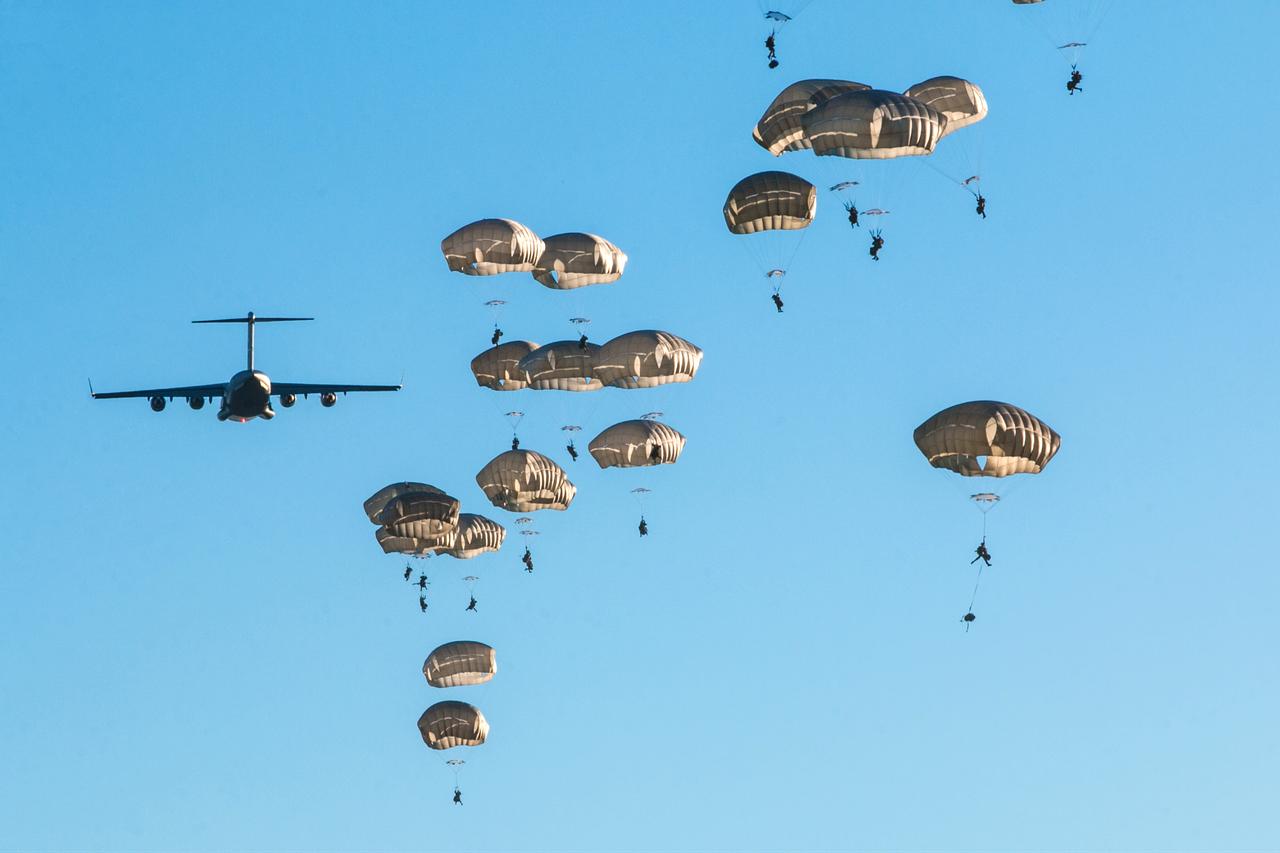


Iran's parliament speaker warned on Wednesday that Tehran's armed forces are tracking what he described as an enemy plot to seize an Iranian island, threatening to unleash devastating retaliation against the infrastructure of any regional state involved, as the United States deploys thousands of additional ground troops to the Middle East and weighs a high-risk operation to take control of the country's most critical oil asset.
Mohammad Bagher Ghalibaf, who has emerged as one of the most vocal figures in Iran's wartime leadership, said on X that intelligence indicated Iran's enemies were "preparing to occupy one of the Iranian islands" with the backing of a regional country. He warned that "all the vital infrastructure of that regional country will, without restriction, become the target of relentless attacks" if any such move is made. Earlier in the day, Ghalibaf said Iran was "closely monitoring all US movements in the region, especially troop deployments."
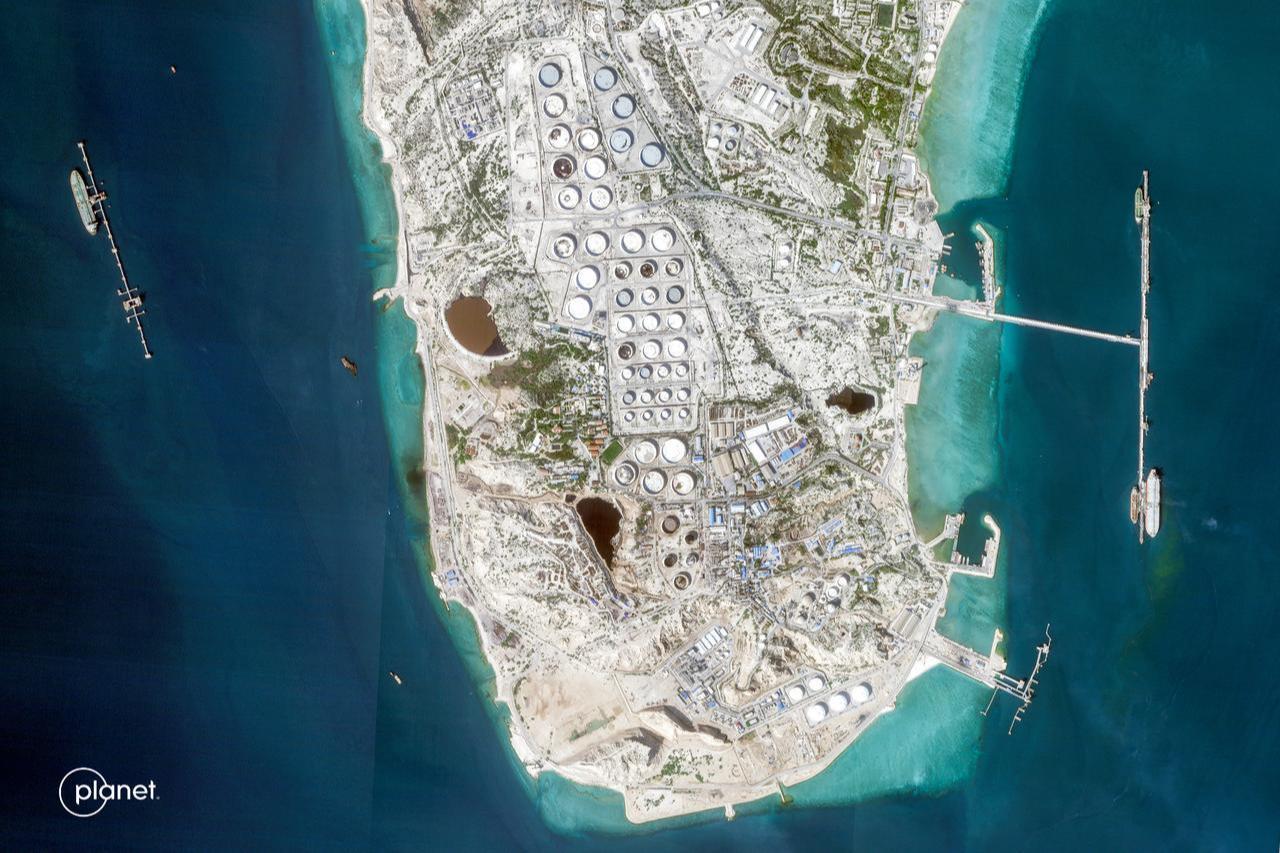
The threat, though deliberately vague on specifics, is widely understood to refer to Kharg Island, a small coral outcrop in the northern Persian Gulf that handles roughly 90 percent of Iran's crude oil exports and serves as the economic backbone of the Iranian state.
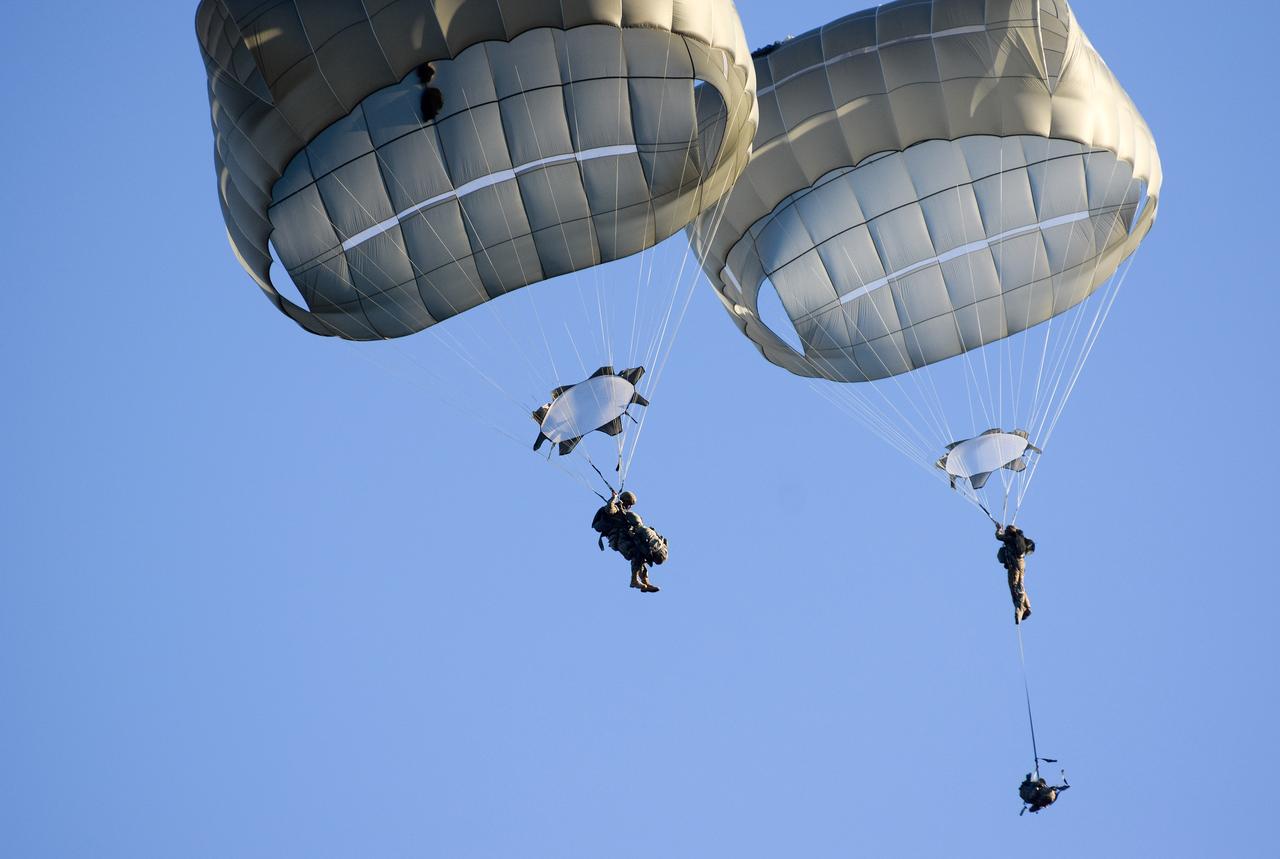

The warning landed hours after the Pentagon ordered approximately 2,000 paratroopers from the Army's 82nd Airborne Division to deploy to the Middle East, a significant escalation that adds to an already substantial buildup of American ground forces in the region. The contingent includes the division's commander, Maj. Gen. Brandon Tegtmeier, and elements of the 1st Brigade Combat Team currently serving as the division's Immediate Response Force, a rapid-reaction unit designed to mobilize anywhere in the world within 18 hours.
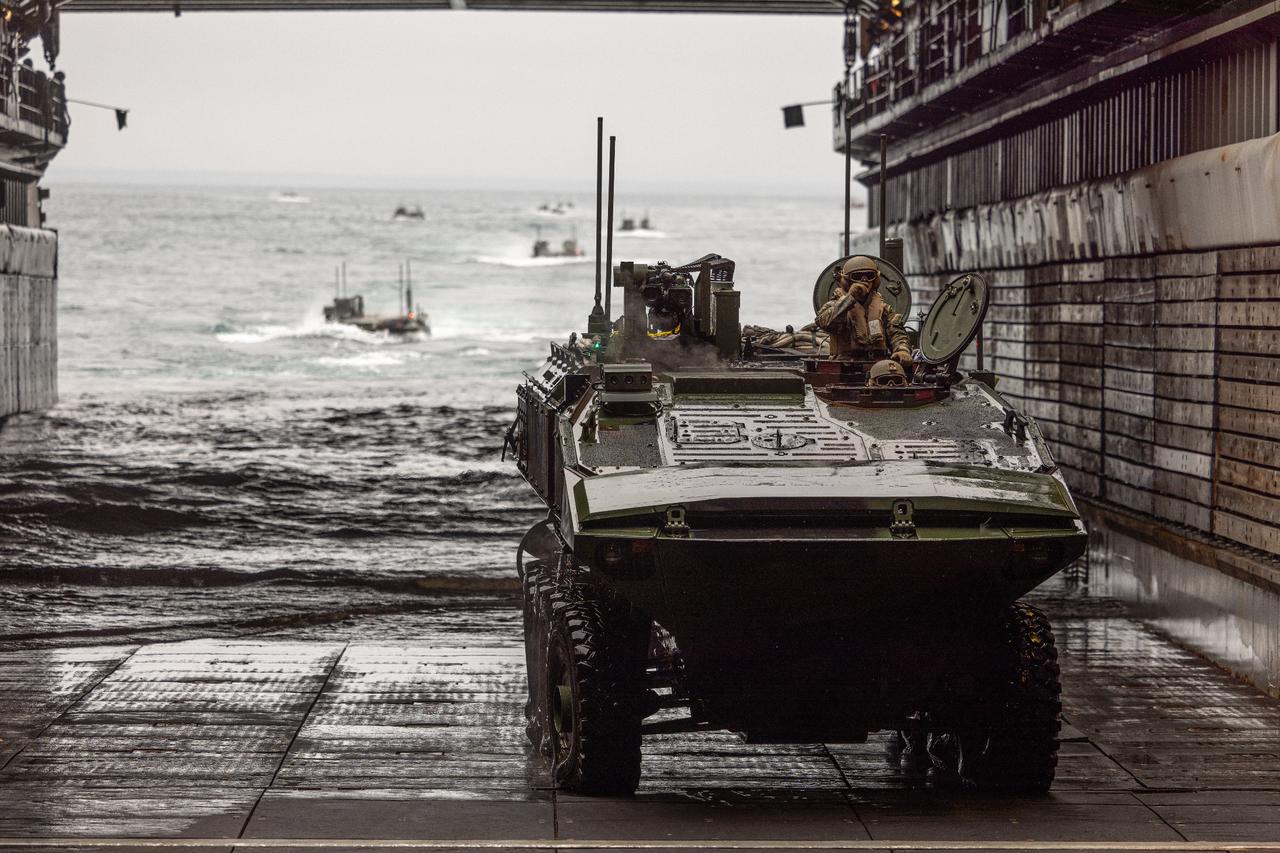
The paratroopers join two Marine Expeditionary Units, comprising several thousand Marines along with amphibious warships, aviation assets and landing craft, that have recently deployed to the region. Combined, the forces could bring between 6,000 and 8,000 US ground troops within striking distance of Iran, giving President Donald Trump options should he decide to order a ground assault on Kharg or other objectives.
The Trump administration has been weighing the use of troops to seize the island as leverage to coerce Iran into reopening the Strait of Hormuz, the vital waterway through which roughly 20 percent of the world's oil supply normally passes. Shipping through the strait has ground nearly to a halt since the US-Israeli war with Iran began on February 28.
US intelligence indicates that Iran has been preparing extensively for a potential American assault, according to multiple people familiar with the reporting. In recent weeks, Tehran has moved additional military personnel and air defense systems to the island, including shoulder-fired surface-to-air guided missiles known as MANPADs.
Iranian forces have also laid anti-personnel and anti-armor mines around Kharg, including along shoreline areas where US troops could stage an amphibious landing. The US military has maintained near-constant surveillance overhead and has been able to track both physical and environmental changes in areas that appear to have been mined.
The March 13 US strikes on Kharg targeted 90 military sites, including naval mine storage facilities, missile bunkers and other installations, degrading some of the island's layered air and sea defenses. Trump said at the time that US forces had spared the oil infrastructure "for reasons of decency." But analysts note the strikes bore hallmarks of preparation for a potential ground operation, neutralizing runways, naval assets and air defenses of the kind typically eliminated ahead of an amphibious or airborne assault.
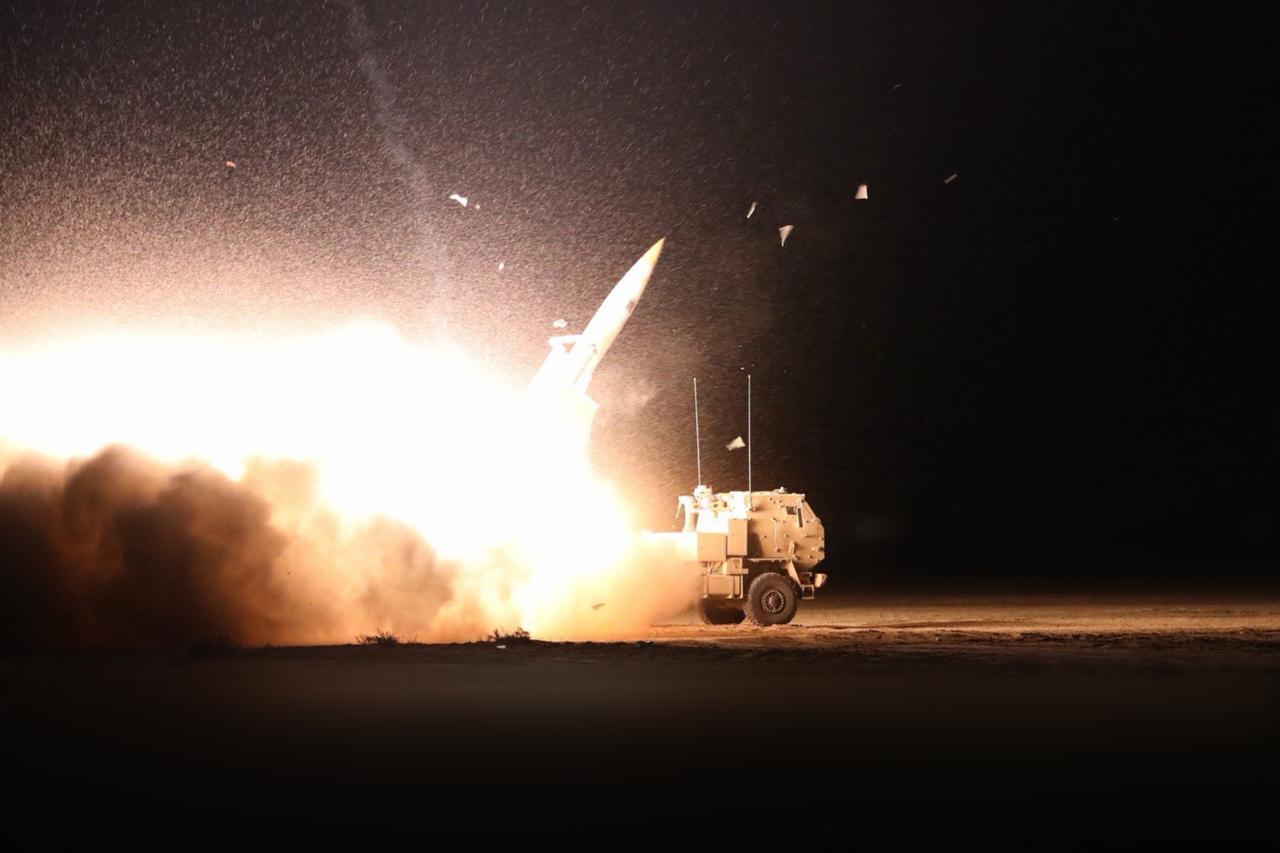
Despite that degradation, US forces would remain vulnerable to Iranian ballistic missiles and drones given the island's proximity to the Iranian coast, roughly 25 kilometers offshore.
The prospect of a ground operation on Kharg has drawn sharp warnings from military experts, Gulf allies and even some of Trump's own allies, who question whether the risk of significant American casualties is justified.
Retired Admiral James Stavridis, former NATO Supreme Allied Commander, called the scenario deeply concerning. "Iranians are clever and ruthless," he said. "They will do everything they can to inflict maximum casualties on US forces both on the ships at sea, and especially once ground troops are anywhere in their sovereign territory."
Stavridis suggested a naval blockade of Kharg as an alternative that could achieve a similar economic stranglehold on Iranian oil exports without putting troops ashore.
An Israeli source echoed those concerns, noting that any attempt to control the island would likely provoke drone and missile attacks capable of killing American troops. Gulf nations have also privately urged the Trump administration against prolonging the war through a ground operation, warning that occupying Kharg would almost certainly trigger Iranian retaliation against Gulf countries' critical infrastructure and extend the conflict.
Instead, Gulf states are pressing Washington to prioritize dismantling Iran's ballistic missile program before the war ends. The Pentagon has recently briefed Gulf countries that a substantial portion of Iran's ballistic and cruise missile capability has been destroyed and that the US is nearing the completion of its target list, though no timeline was given.
Some of Trump's own allies have raised questions about whether seizing Kharg would actually resolve the Strait of Hormuz crisis, since controlling the island would not, on its own, break Iran's ability to disrupt global energy flows through the waterway.
Kharg Island is roughly a third the size of Manhattan, a coral formation measuring about eight kilometers long and five kilometers wide. Its significance is almost entirely a function of geology: unlike the shallow waters along most of Iran's coastline, Kharg is surrounded by naturally deep water that allows the world's largest supertankers to dock and load crude oil. No other Iranian port comes close to replicating this capacity.
The island receives crude via subsea pipelines from three major offshore fields and processes the export of approximately 1.5 to 2 million barrels per day, the overwhelming majority of which is shipped to China. Iran's only meaningful alternative export route outside the Strait of Hormuz is the Jask terminal on the Gulf of Oman, but its effective capacity is estimated at roughly 300,000 barrels per day, a fraction of what Kharg handles.
During the Iran-Iraq War of the 1980s, Iraqi forces repeatedly bombed Kharg's facilities, causing severe damage, though Iran managed to sustain some exports throughout the conflict. The island was developed as an oil terminal in the 1960s under Iran's last shah, originally in partnership with the American oil company Amoco, before being seized during the 1979 revolution.
Ghalibaf, 64, is a former IRGC air force commander, former national police chief and four-time presidential candidate who has served as parliament speaker since 2020. Multiple reports indicate he has been in contact with US envoys Steve Witkoff and Jared Kushner as part of back-channel discussions to end the war, though both he and the Iranian government have publicly denied any negotiations are taking place.


 Set as preferred source
 Set as preferred source


 1 min read
 1 min read