Newsletters


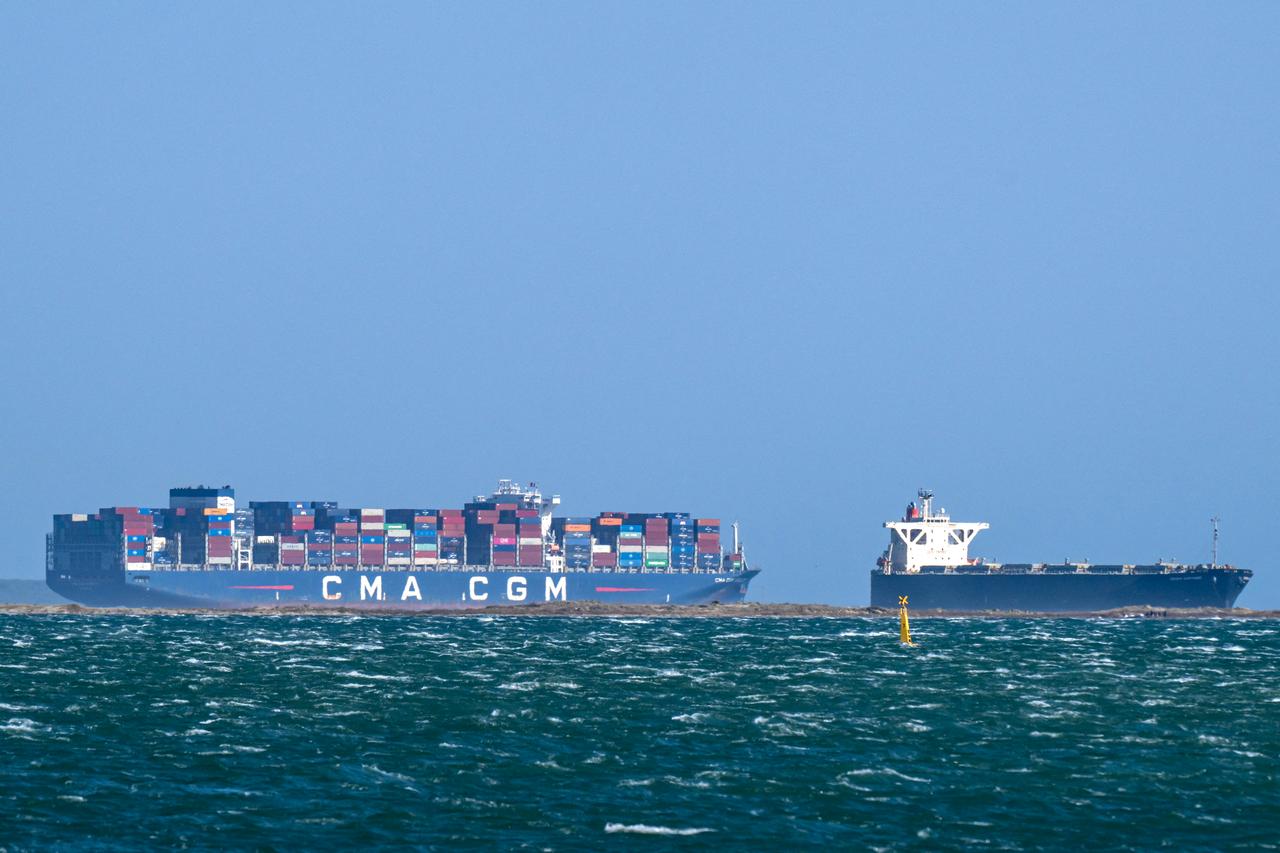


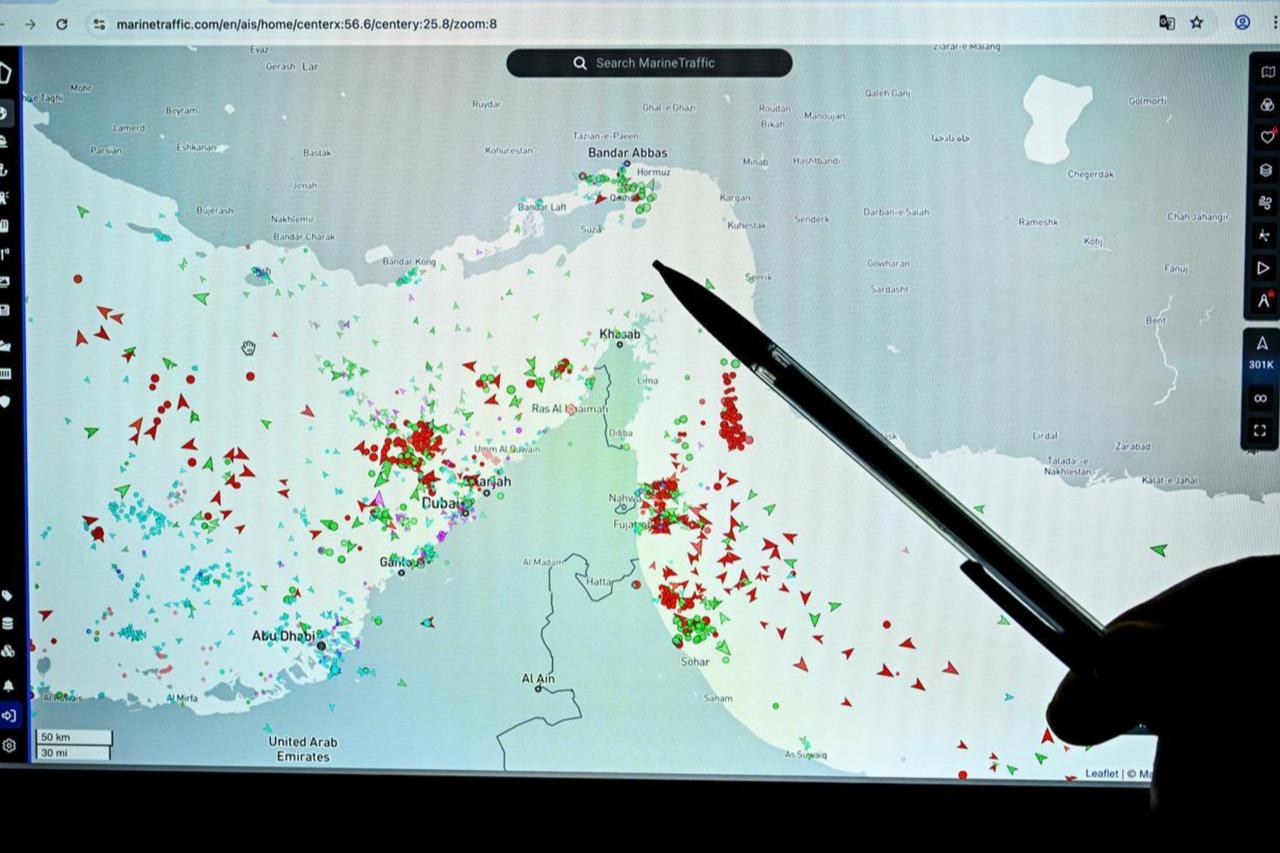
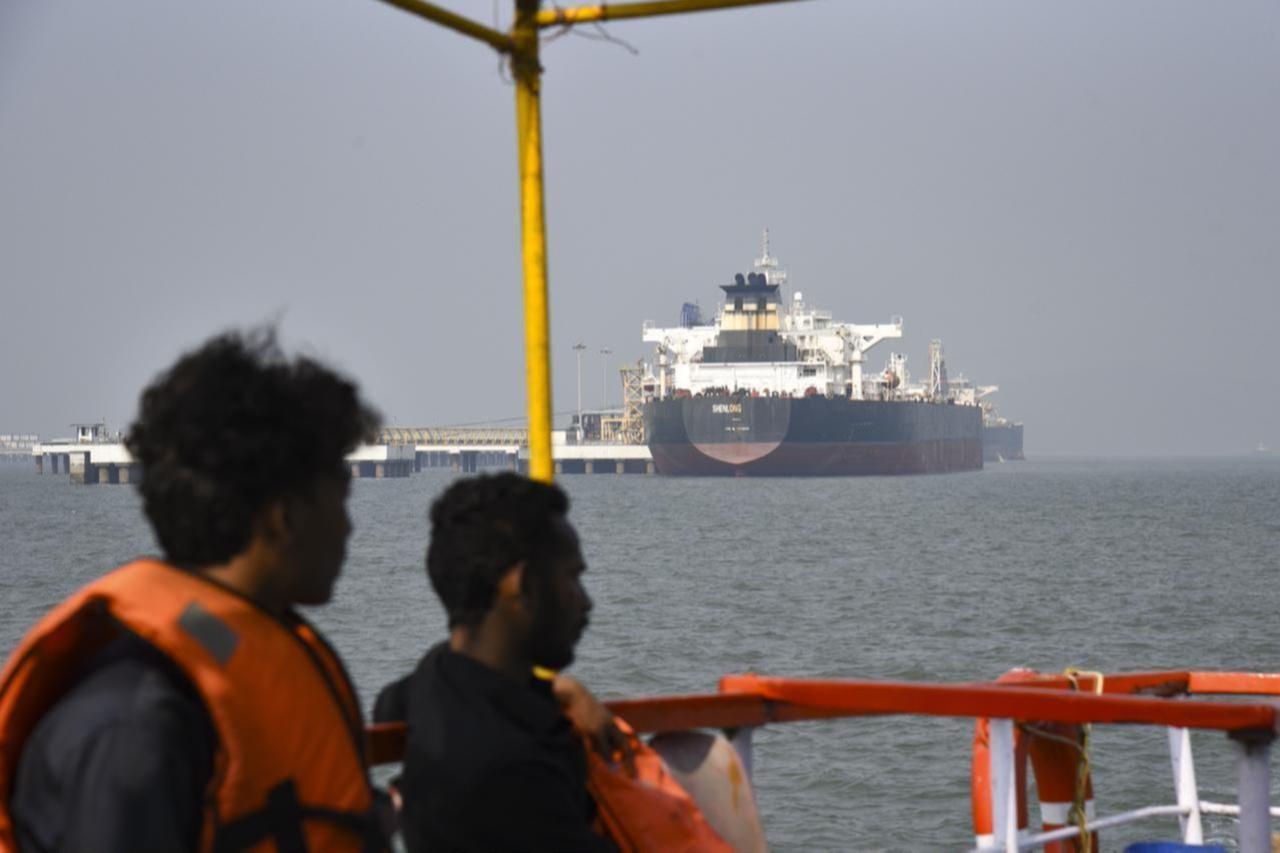
Iran’s parliament is working on legislation to formalize transit fees on ships passing through the Strait of Hormuz, signaling a shift toward leveraging the waterway for both control and revenue, local media report.
Lawmakers said the proposed bill aims to codify Iran’s sovereignty and oversight over the strait while establishing a system to collect transit fees from passing vessels.
Fars and Tasnim news agencies, both close to Iran’s Revolutionary Guard, quoted lawmaker Mohammadreza Rezaei Kouchi as saying parliament is pursuing a plan to regulate activity in the strait and generate revenue through fees.
“This is entirely natural, just as goods pay transit fees when passing through other corridors, the Strait of Hormuz is also a corridor,” he said. “We provide its security, and it is natural that ships and oil tankers should pay such fees.”
Previously, lawmaker Alaaddin Boroujerdi said Iran has already begun charging some vessels up to $2 million to pass through the strait.
Speaking on a television program, Boroujerdi said the move reflects what he described as a new understanding of sovereignty in the waterway after 47 years.
He said collecting transit fees demonstrates Iran’s power and is part of a broader policy to manage traffic through one of the world’s most critical energy routes.
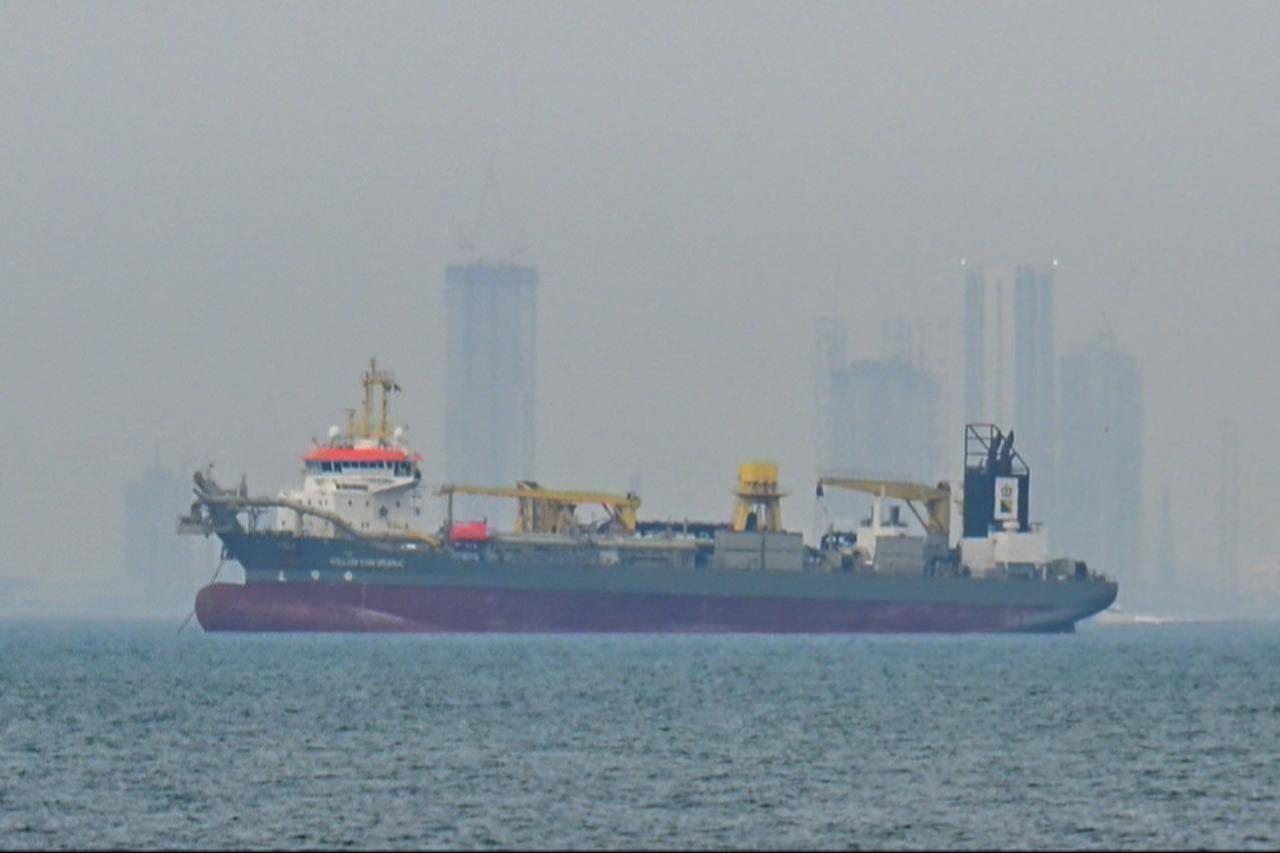

Mohammad Mokhber, an adviser to Iran’s supreme leader, previously said authorities plan to introduce a new system governing the Strait of Hormuz, without providing further details.
“We will define a new system for the Strait of Hormuz,” Mokhber said.
The Strait of Hormuz, located at the entrance to the Persian Gulf, is considered an international waterway open to all shipping.
Regional escalation has continued to flare since the U.S. and Israel launched a joint offensive on Iran on Feb. 28, killing so far over 1,340 people, including then-Supreme Leader Ali Khamenei.
Iran has retaliated with drone and missile strikes targeting Israel, along with Jordan, Iraq, and Gulf countries hosting U.S. military assets, causing casualties and damage to infrastructure while disrupting global markets and aviation.


 Set as preferred source
 Set as preferred source


 1 min read
 1 min read