Newsletters


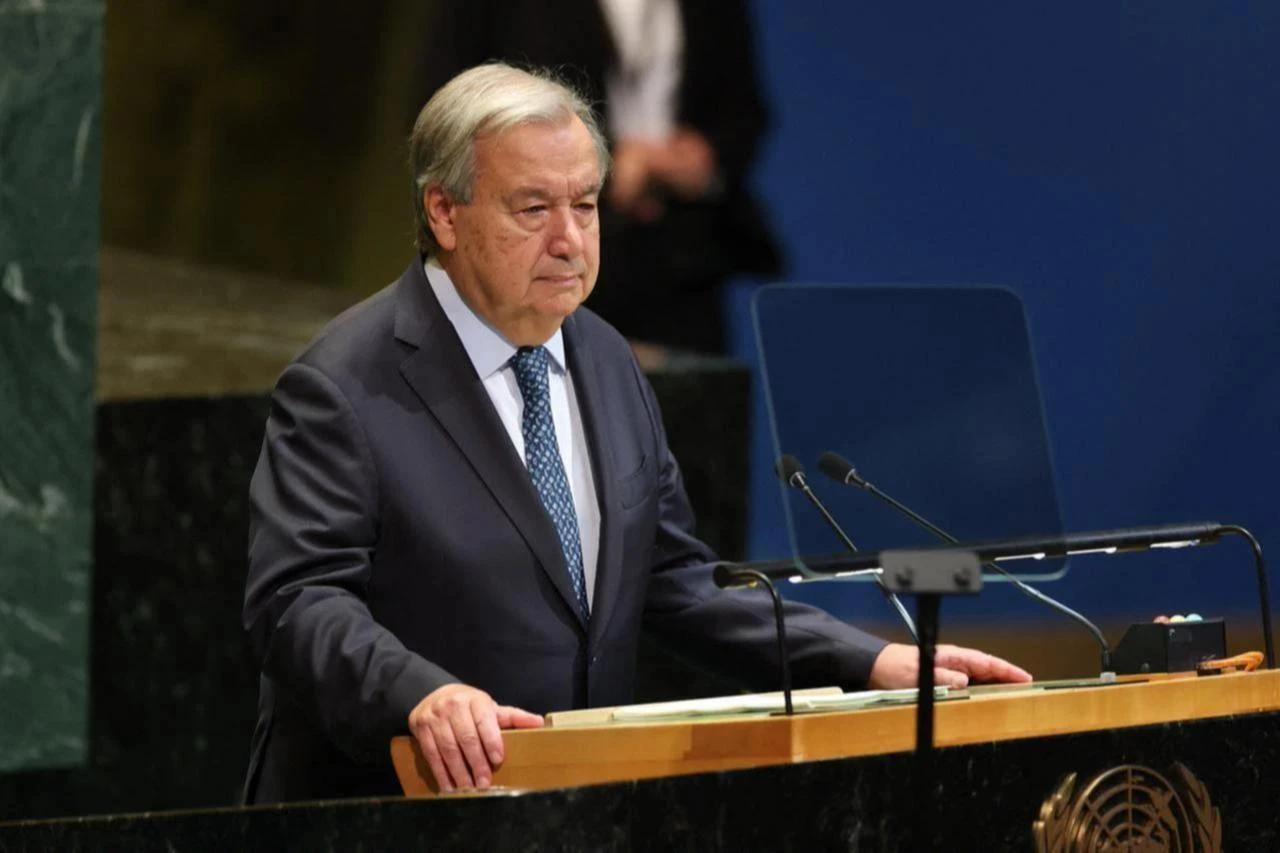


U.N. Secretary-General Antonio Guterres is expected to visit Damascus this week for talks with Syrian leadership and meetings with civil society representatives, marking the first visit to the country by a U.N. chief since 2009, according to local media reports.
Guterres is scheduled to meet Syrian President Ahmad al-Sharaa and Foreign Minister Asaad al-Shaibani. His program also includes discussions with civil society representatives, local community institutions, nongovernmental organizations and groups working on women’s issues.
The visit will include a field tour of positions operated by the U.N. Disengagement Observer Force in the occupied Syrian Golan Heights.
U.N. spokesman Stephane Dujarric said Tuesday that Guterres would travel to Syria this week at the government’s invitation and meet Sharaa, Shaibani and other officials, without specifying the date.
Former U.N. secretary-general Ban Ki-moon was the last head of the international organization to visit Syria in 2009.
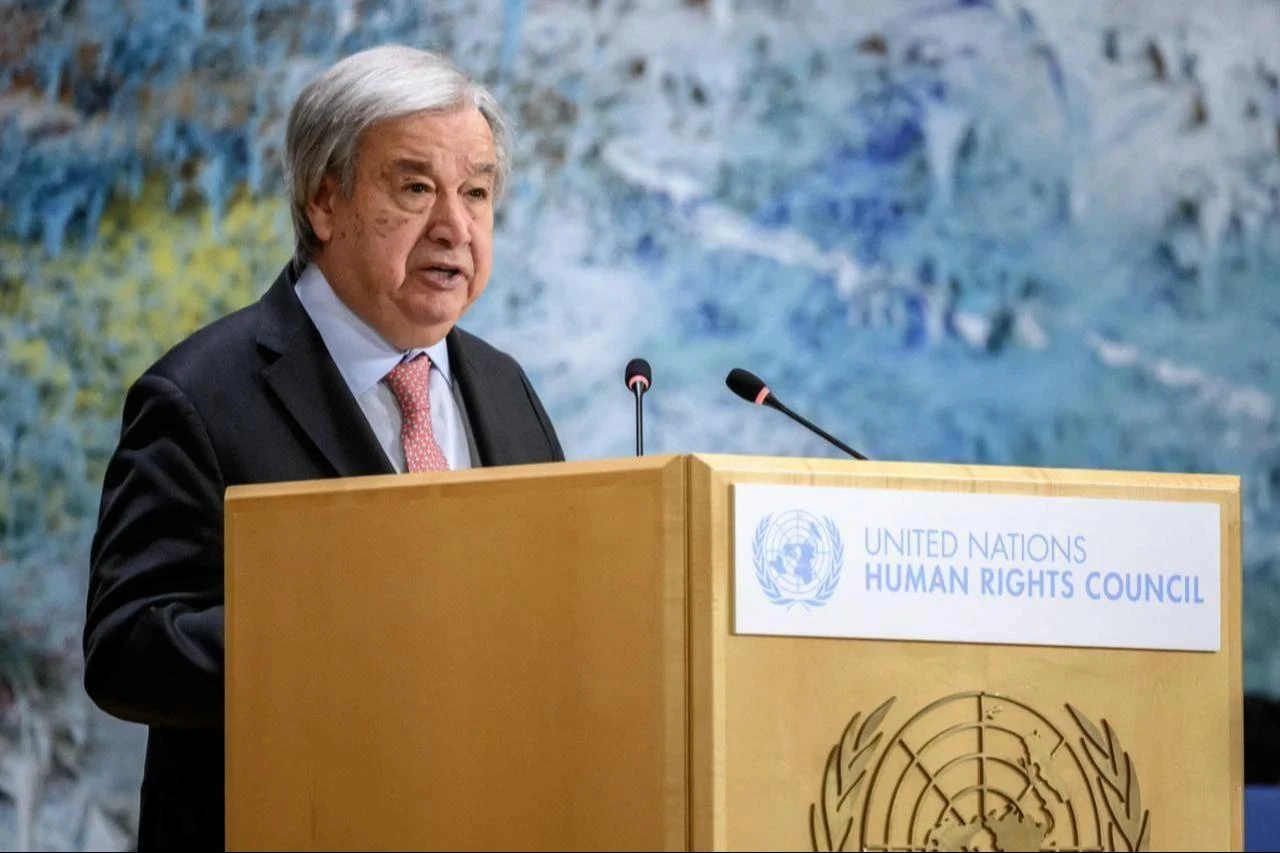

The visit comes during Syria’s transitional phase following the fall of the former government in December 2024 and is expected to renew direct, high-level engagement between Damascus and the United Nations after a 17-year gap.
Guterres is expected to reaffirm the U.N.’s commitment to supporting Syria during the transition and emphasize respect for the country’s sovereignty, unity, independence and territorial integrity.
His meetings with Sharaa and Shaibani are expected to move U.N. engagement with Syria beyond crisis management through special envoys and return the issue to the organization’s highest leadership level.
The visit is also expected to provide U.N. support for the transitional process and strengthen direct international dialogue with Syria’s state institutions.
Syrian officials are expected to brief Guterres on developments during the transition, recovery efforts and the effects of years of conflict.
Guterres’ visit to U.N. Disengagement Observer Force positions is expected to highlight the ceasefire agreement in the occupied Syrian Golan Heights and the U.N.’s role in monitoring its implementation.
The U.N. Security Council established the force on May 31, 1974, under Resolution 350 to monitor the ceasefire and supervise the disengagement agreement between Syria and Israel.
The agreement, signed the same day, created a buffer zone between Syrian and Israeli forces and established areas on both sides where forces and weapons were restricted.
It ended fighting and the war of attrition on the Syrian front following the October 1973 war. The U.N. force has since monitored the ceasefire and the implementation of the agreement.
After the fall of Bashar al-Assad’s government on Dec. 8, 2024, Israeli Prime Minister Benjamin Netanyahu said the disengagement agreement had “collapsed” and ordered Israeli forces to occupy the buffer zone and other Syrian positions, including the Syrian side of Mount Hermon.
Israeli forces have since conducted repeated incursions into southern Syria.
The United Nations has continued to call on Israel to comply with the 1974 agreement and respect Syria’s sovereignty and territorial integrity.
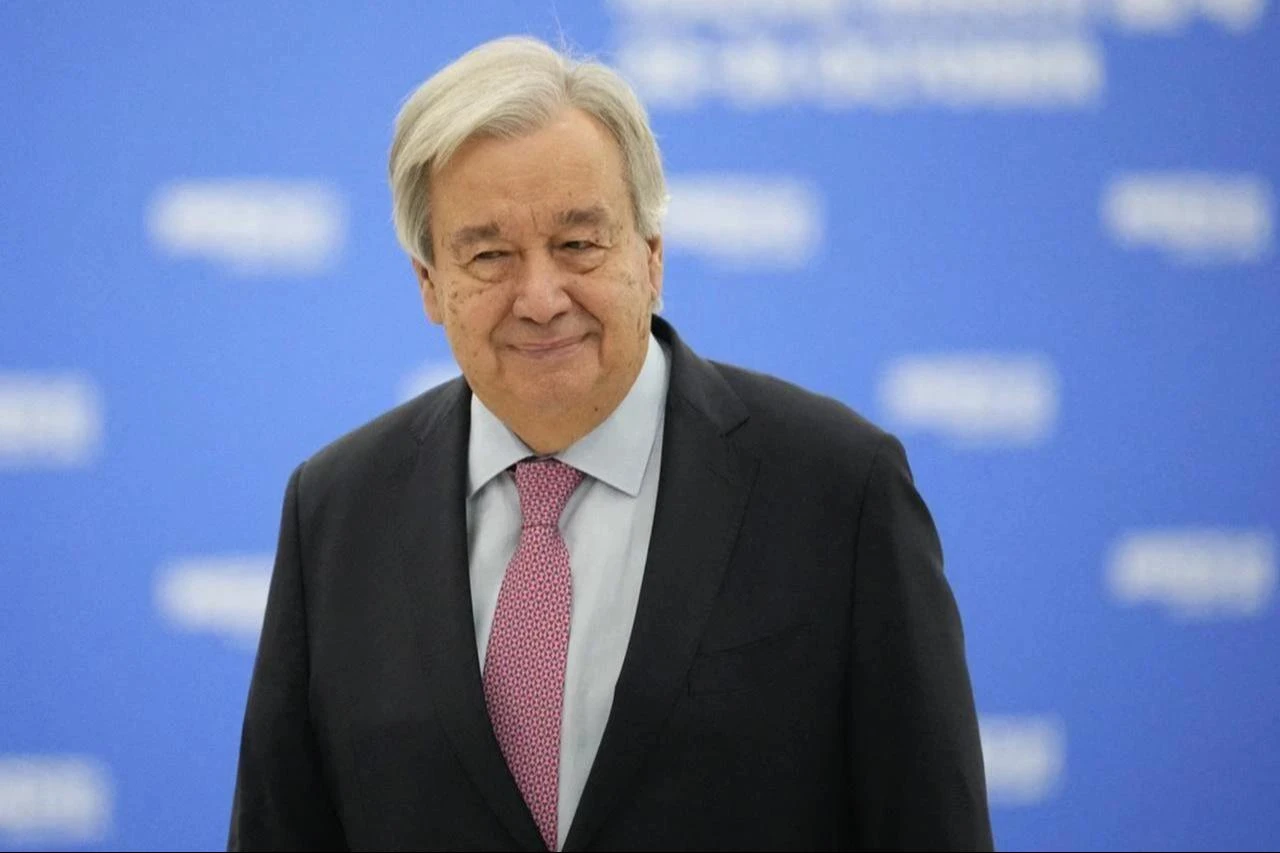
The visit is also expected to focus on moving international support from emergency relief toward early recovery and reconstruction.
Guterres is expected to observe the scale of humanitarian and economic needs in Damascus. The visit could support efforts to revive international funding and encourage donor countries to back sustainable development and infrastructure reconstruction projects.
Such efforts are aimed at creating conditions for the sustainable return of displaced Syrians and refugees.
Guterres’ meetings with civil society and women’s groups are also expected to emphasize the U.N.’s support for an inclusive political process.
The discussions will include the participation of different parts of Syrian society in drafting a new constitution and managing the transitional phase with the aim of supporting long-term stability.


 Set as preferred source
 Set as preferred source


 1 min read

 1 min read