Newsletters


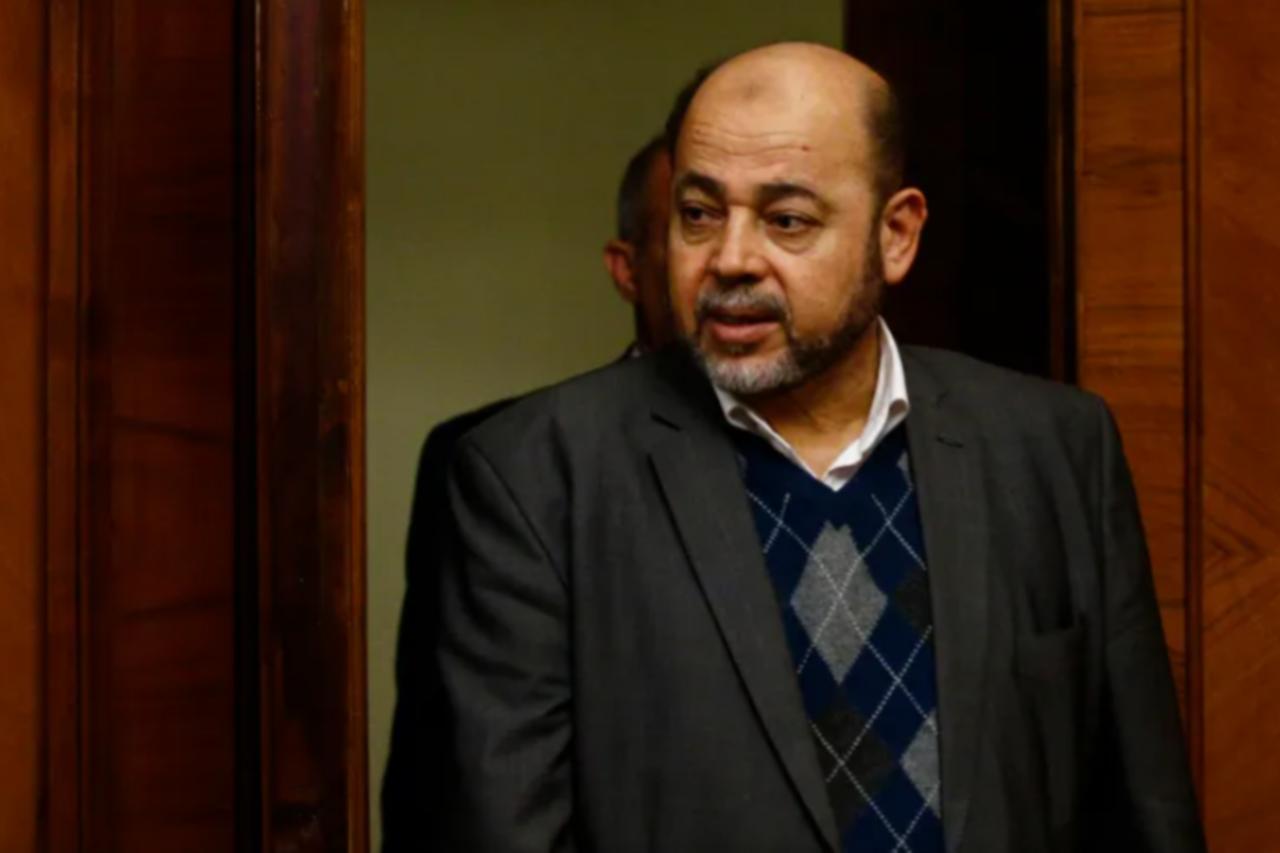


A senior leader of Hamas, Mousa Abu Marzouk, said that the movement “has neither discussed nor agreed to any formula” for surrendering or disarming its weapons.
Speaking to Al Jazeera, Abu Marzouk said on Wednesday that any weapons-related provisions in a previous U.S. presidential plan had “multiple formulations ranging from freezing to disarmament."
He added that they “have not yet been formally put on the negotiating table.”
He said the movement’s priority is “ending the war and protecting civilians,” not relinquishing its weapons.
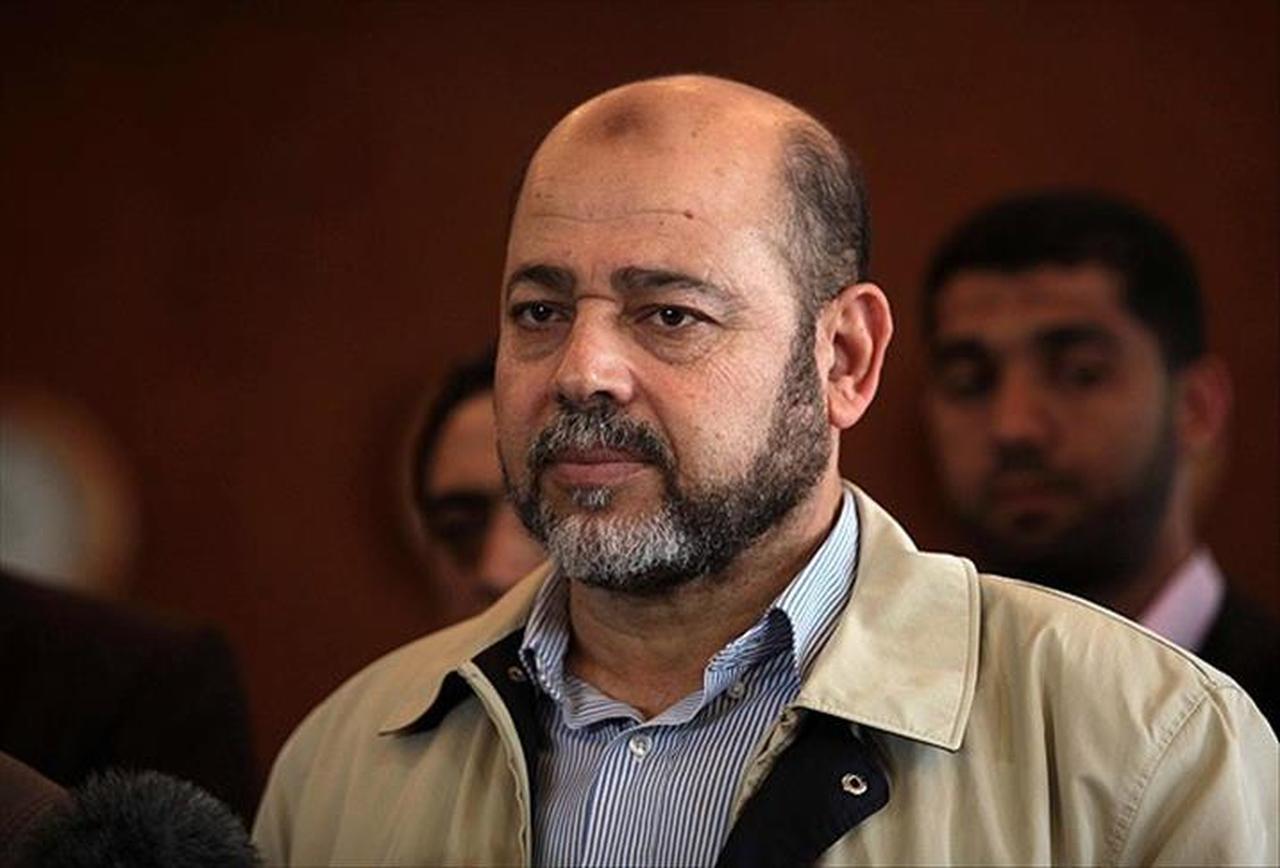

“Netanyahu repeatedly raises the issue of weapons,” asking, “If these weapons exist in Gaza, why does Israel continue to arm Palestinian groups outside the law?” he asked
He added that any external intervention to disarm the resistance “is not the task of international stabilization forces.”
He argued that Israeli Prime Minister Benjamin Netanyahu’s remarks linking the reconstruction of the Gaza Strip to the disarmament of the resistance “reflect purely electoral motives."
Addressing reconstruction, Abu Marzouk said Hamas “will facilitate the work of the Palestinian administrative committee” in Gaza while maintaining security, citing “specific objections” to some members due to “security backgrounds.”
He added that Israel “still exercises security control over certain areas,” but said he expects a future withdrawal of forces with the implementation of the U.S. stabilization plan.
Commenting on Israeli statements about the participation of Qatar and Türkiye in a stabilization force, Abu Marzouk said the problem lies with the United States and Israel, noting that Türkiye is “the only country that has agreed to participate openly.”
Abu Marzouk also referred to U.S. military build-ups against Iran, describing them as “political statements aimed at pressure."
He said Iran’s decision-making is “independent” and will continue to confront external pressure.
He urged the Palestinian Authority and resistance factions to “unify the national ranks,” arguing that the real bet should be on “the Palestinian people, their unity, and future,” rather than on “shifting international positions or external promises.”
“We are facing facts: Israel has destroyed 80% of the Gaza Strip,” Abu Marzouk said.
However, Hamas spokesperson Hazem Qassem told Agence France-Presse (AFP) that technocratic committees are in place to oversee the handover, ensuring a complete transfer of governance in the Gaza Strip across all sectors to the technocratic committee.
The 15-member National Committee for the Administration of Gaza (NCAG) is a team of Palestinian technocrats created as part of the US-sponsored ceasefire agreement, which came into effect on October 10.
Qassem added that the Rafah crossing "must be opened in both directions, with full freedom of exit and entry to the Gaza Strip, without any Israeli obstacles."
"It is clear that Hamas is committed to the agreement to stop the war in the Gaza Strip," he stressed.
He added that Hamas carried out everything required of it in the first phase and is ready to enter all tracks of the second phase."
The Israeli army has killed more than 71,600 people, most of them women and children, and injured over 171,300 in a brutal offensive since October 2023 that left Gaza in ruins.
Despite the ceasefire, Israel has continued to carry out attacks, killing 484 Palestinians and wounding 1,321, according to the Gaza Health Ministry.


 Set as preferred source
 Set as preferred source


 3 min read