Newsletters


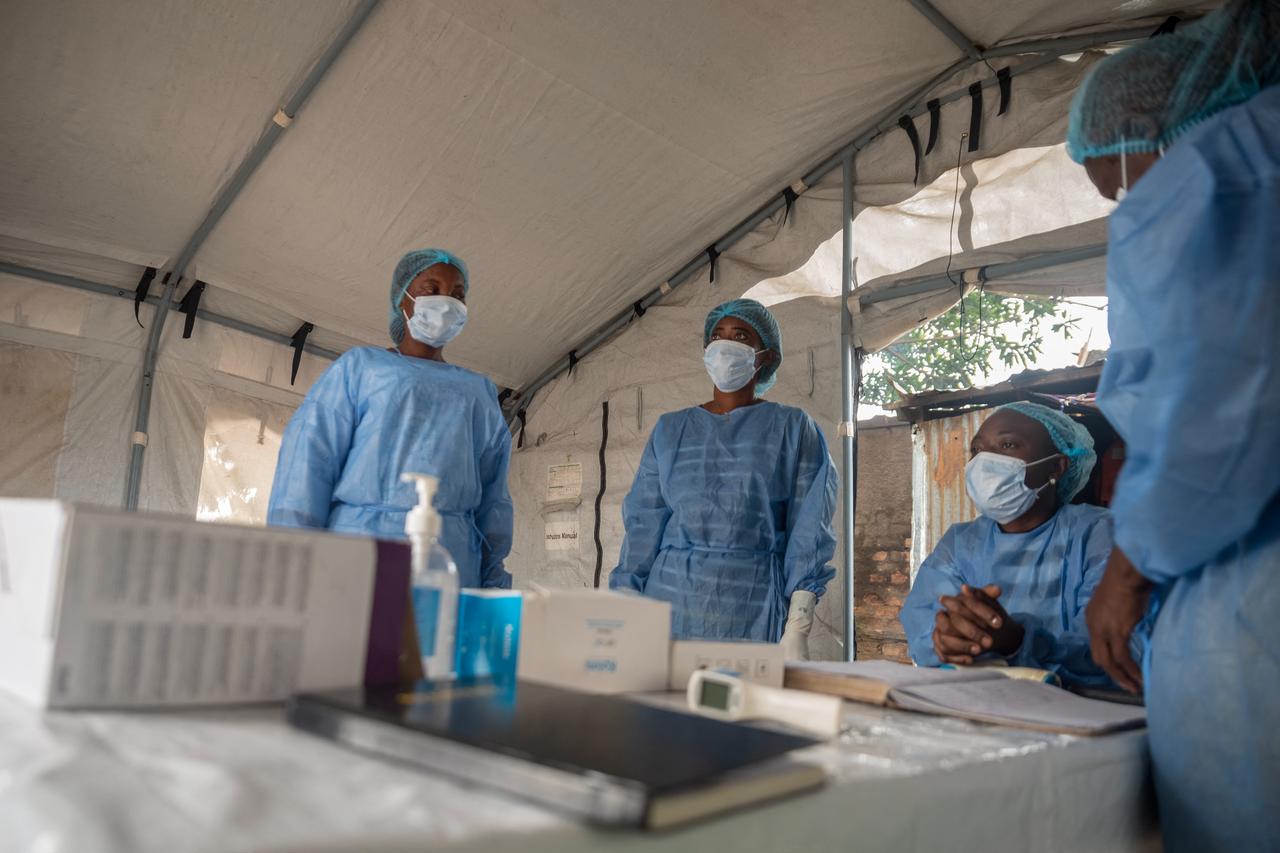


A British healthcare worker infected with Ebola in the Democratic Republic of Congo has been medically evacuated to the United Kingdom for specialized care, a World Health Organization (WHO) official said Thursday.
The patient was reportedly deployed to the Central African country by a humanitarian organization to support the response to an outbreak caused by the Bundibugyo virus.
WHO Regional Director for Africa Mohamed Janabi said on social media platform X that Congolese and British authorities showed “exemplary cooperation in facilitating the safe medical evacuation of the patient with Ebola disease.” He said health workers in DR Congo provided professional and compassionate care to the patient before the transfer.
Janabi said the patient continues to receive treatment in the U.K., while health authorities in DR Congo remain vigilant. Contact tracing, surveillance and other public health measures are continuing to monitor and contain any risk of further transmission, he added.
The WHO said it continues to support national authorities in protecting public health, strengthening outbreak response efforts and preventing the spread of the disease.
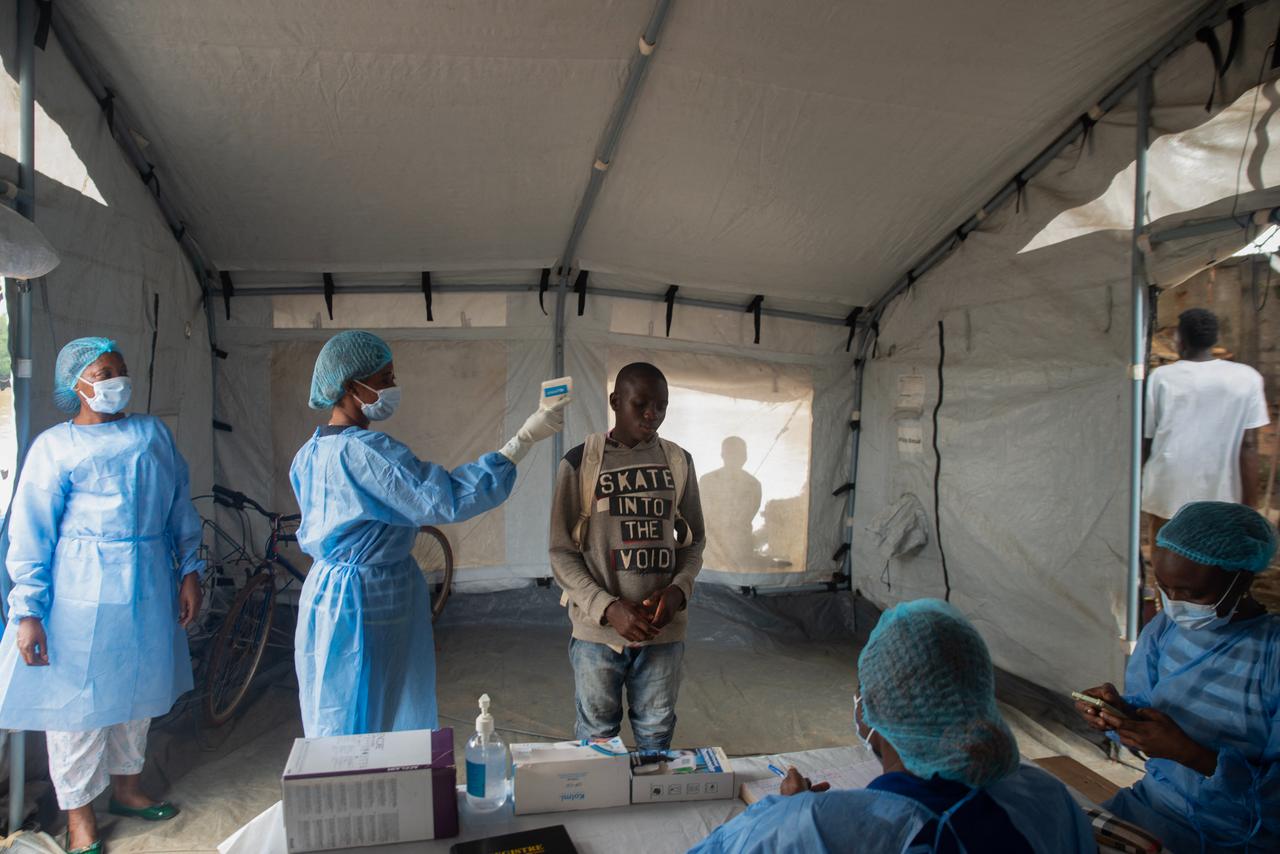

The case follows the evacuation of an Ebola patient from Nigeria to Switzerland last month for treatment. France reported its first imported case in June, involving a doctor returning from a humanitarian mission in DR Congo.
In July, a U.K. resident who had been treating Ebola patients in DR Congo was evacuated to London for monitoring after potential exposure.
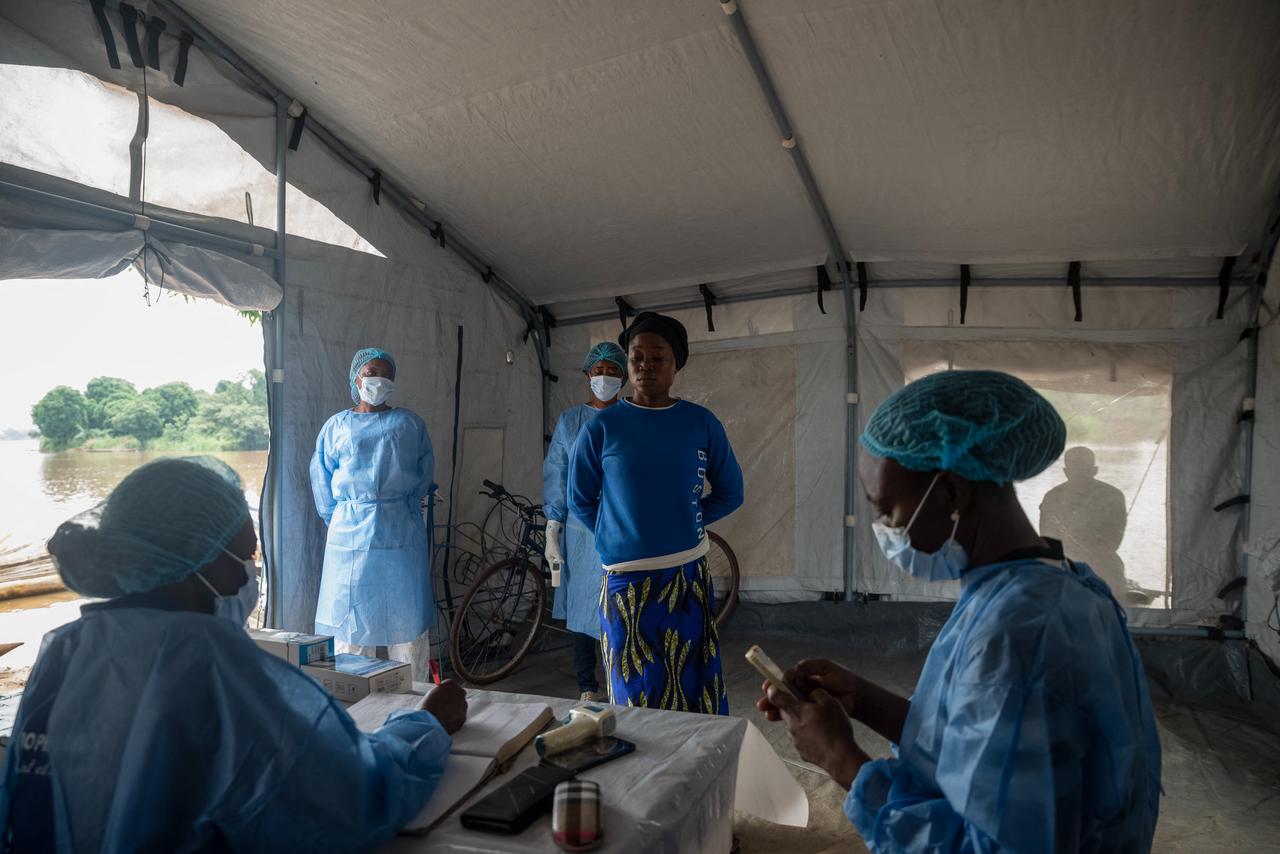
The number of confirmed Ebola cases in DR Congo has surpassed 10,000, including more than 5,000 deaths, since the outbreak began in May, according to government data.
DR Congo’s Ministry of Health declared the outbreak on May 15 in Ituri province, in the east of the country, and the WHO declared a public health emergency of international concern two days later.
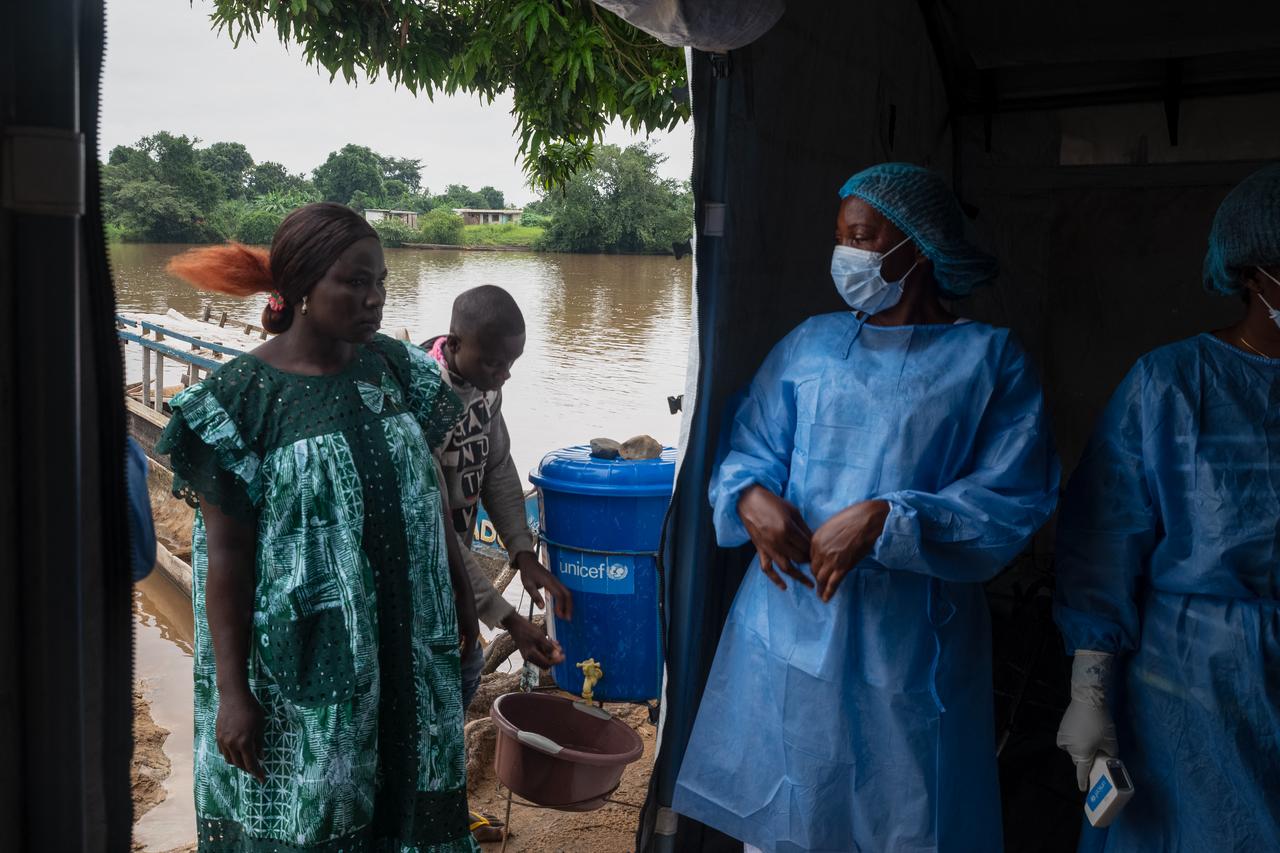
Bundibugyo virus is one of the species that cause Ebola disease. It was first identified in 2007 during an outbreak in Bundibugyo District in western Uganda. The WHO says no licensed vaccine or specific treatment exists for the virus.


 Set as preferred source
 Set as preferred source



 4 min read