Newsletters


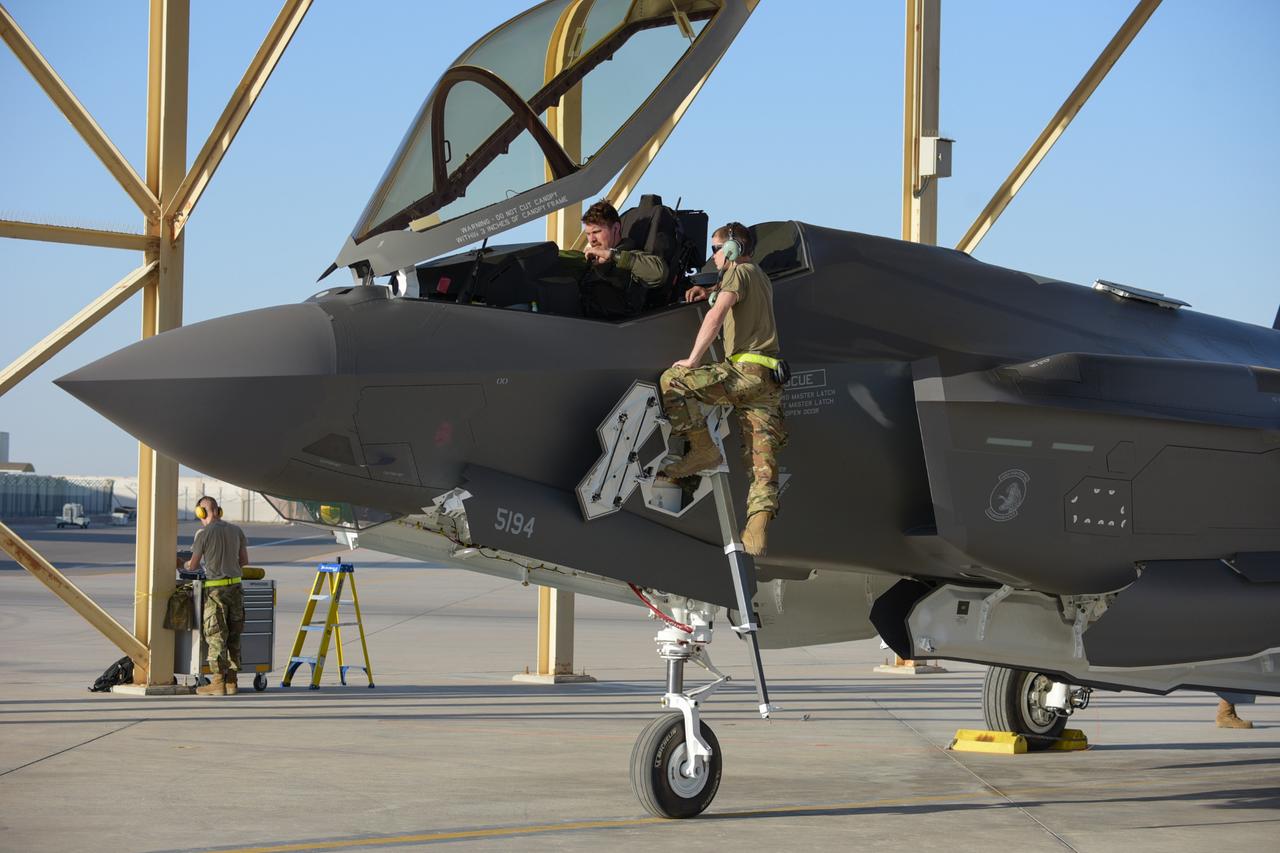


U.S. Defense Secretary Pete Hegseth said Monday that Washington was not ruling out further military strikes on Iran as the Trump administration stepped up economic pressure on Tehran. Iranian officials, meanwhile, urged Washington to change its behavior and take concrete steps to implement the terms of the agreement signed in June.
U.S. Treasury Secretary Scott Bessent launched "Operation Economic Outcast," describing it as a campaign to cut Iran off from financial and commercial lifelines. The package targets nearly 60 entities, individuals, and vessels and expands the risk of secondary sanctions for third parties doing business with Iran.
Hegseth said economic pressure was currently hurting Iran the most but added that Washington was "by no means" ruling out strikes "anywhere in the Strait of Hormuz or around Iran."
Speaking after a speech to defense industry workers in Oshkosh, Wisconsin, Hegseth warned that the U.S. would respond if Iran "overplays their hand or messes with the American military." He also urged defense contractors to "pivot to a wartime footing."
Asked whether kinetic strikes were currently on pause, Hegseth replied: "No. If we need to use kinetic strikes, we'll use them."
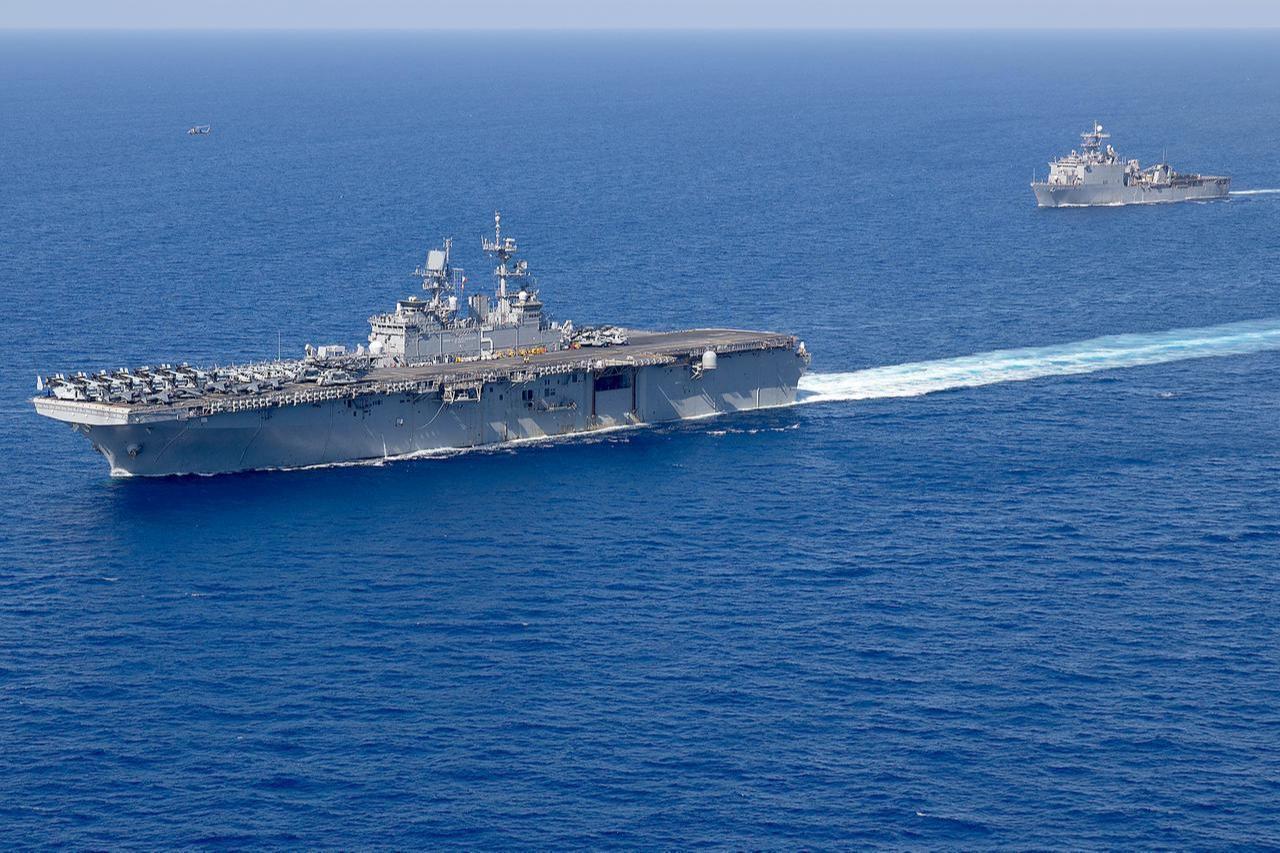
He also claimed the U.S. maintained control of the Strait of Hormuz, calling the blockade "ironclad" and saying Iran was unable to move oil through the waterway while the U.S. could protect shipping.
Hegseth said the administration expected Congress to provide the full $1.5 trillion requested for defense, even if lawmakers approved it during a lame-duck session after November's midterm elections and before the newly elected Congress took office in January.
He described munitions purchases as "pretty sacred," saying the Pentagon had entered long-term agreements aimed at increasing supplies of some priority munitions two-, three- or fourfold.
He also declined to discuss reports that U.S. stocks of ATACMS long-range missiles had been significantly depleted, saying the military had "plenty" available.

Iranian National Security Council Secretary Mohsen Rezaei said Washington needed to change its behavior and take concrete steps to implement the terms of the memorandum of understanding.
Rezaei made the remarks during a meeting with Pakistan’s Army Chief Field Marshal Asim Munir, according to Fars News Agency. He also emphasized Iran’s security management of the Strait of Hormuz.
Munir said Pakistan was making intensive efforts to secure the signing of the agreement reached in Islamabad and highlighted the importance of ties between Pakistan and Iran. He added that Islamabad was also working to strengthen security along their shared border.
Munir, who was part of the delegation mediating U.S.-Iran talks in Islamabad, also met Iranian Parliament Speaker Mohammad Bagher Ghalibaf in Tehran. Foreign Minister Abbas Araghchi also attended the meeting.
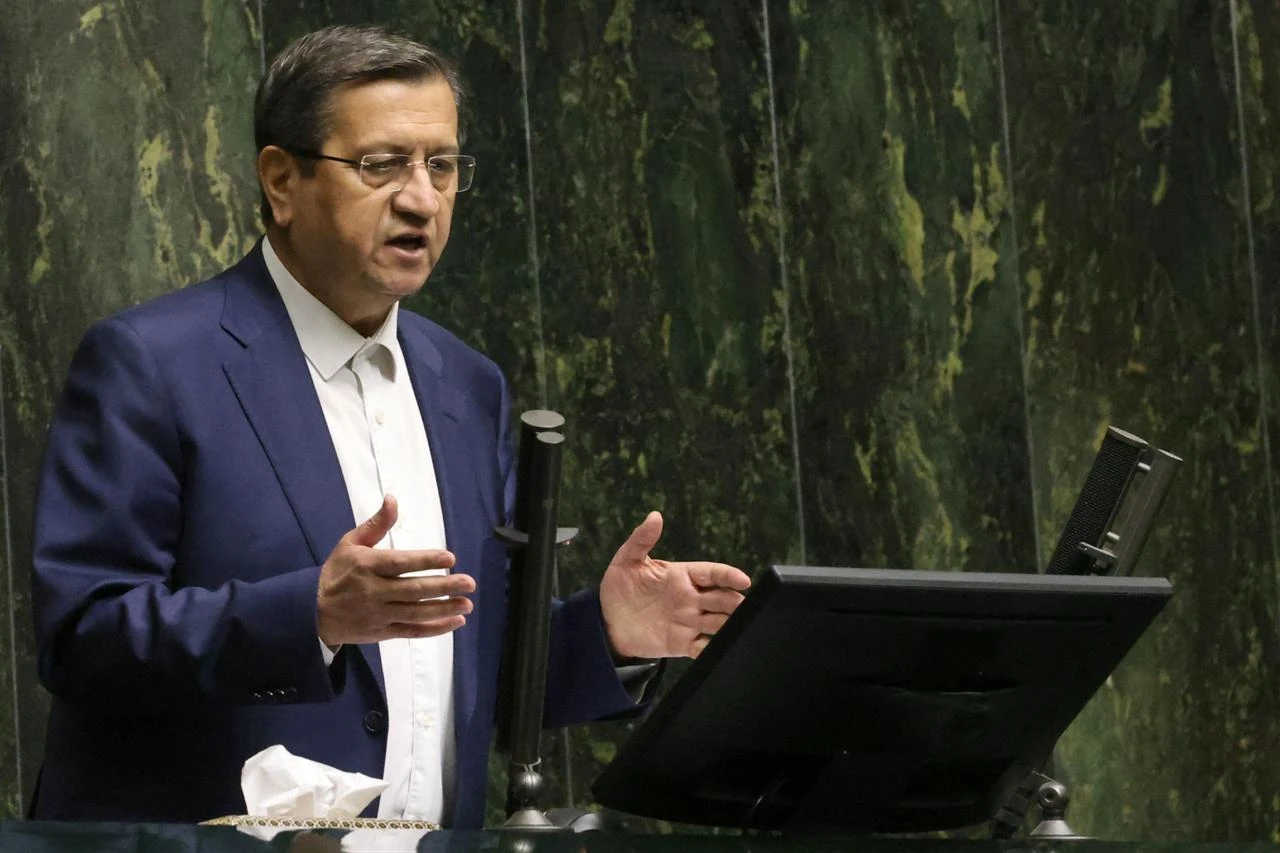
Iranian Economy and Finance Minister Ali Madanizadeh said the government was prepared for further U.S. sanctions, backed by a two-year economic plan covering possible scenarios.
"The government has been planning for a long time to counter U.S. sanctions and is fully prepared for new sanctions," he said.
Madanizadeh acknowledged that the war had hurt Iran’s economy, particularly steel and petrochemicals, with work underway to restore damaged facilities and address shortages.
He called the maritime blockade another sanction against the Iranian public and said Tehran had prepared measures to protect maritime routes, oil exports and the budget.
Madanizadeh also acknowledged the economic toll on Iranians, citing inflation, currency pressure and shortages, but said efforts to disrupt Iran’s financial and economic flows would not necessarily achieve Washington’s intended result.


 Set as preferred source
 Set as preferred source


 1 min read
 1 min read