Newsletters


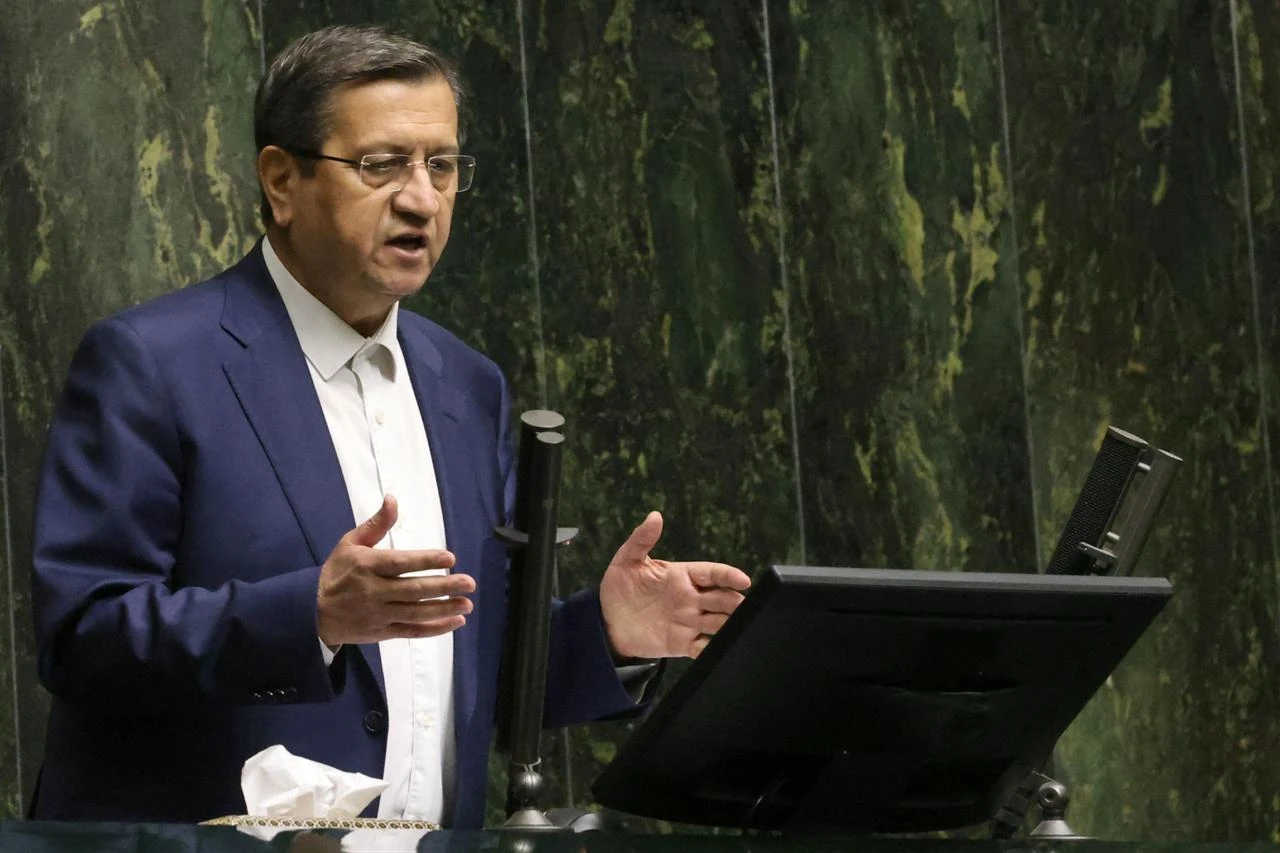


Iran’s central bank chief Abdolnaser Hemmati shrugged off U.S. Treasury Secretary Scott Bessent’s announcement of an "economic D-Day" against Tehran, arguing that Washington’s latest pressure campaign does not represent a new threat capable of bringing Iran’s economy to collapse despite the Iranian rial falling to a record low.
Bessent said Sunday that the U.S. was "entering the endgame" in the Iran war with the campaign, calling it the "single greatest financial offensive ever marshaled against an adversary" aimed at cutting off the economic lifelines supporting Tehran.
"They have done everything they could do so far. The latest statements do not create a new restriction or pressure that will lead us to collapse," Hemmati maintained, arguing that Iran had already faced severe economic pressure and that the latest U.S. threat would not alter its currency policy.
The remarks came after the U.S. dollar’s free-market selling rate reached 200,000 tomans, or 2 million rials, on Sunday, marking its highest level on record. The currency remains under pressure as the U.S. seeks to isolate Iran, while restrictions on oil exports weigh on the country’s main source of foreign-currency earnings.
Speaking at a meeting with members of the Iranian Entrepreneurs Assembly, Hemmati described the gap in exchange rates as temporary and argued that short-term fluctuations should not lead authorities to change their strategy.
"I am optimistic about the future of the economy and believe most of the current problems can be resolved," he remarked. Hemmati also stressed that the government’s priority was to control inflation and that the central bank needed to support that effort.
"We cannot print money and increase liquidity without a target," he noted, adding that authorities had anticipated the possibility of war from February and had built up foreign-currency reserves to protect people’s livelihoods.
He projected August inflation at about 4% and pointed to a slowdown in liquidity growth. The central bank planned to provide 700 trillion tomans for production financing through financial instruments without resorting to money printing.
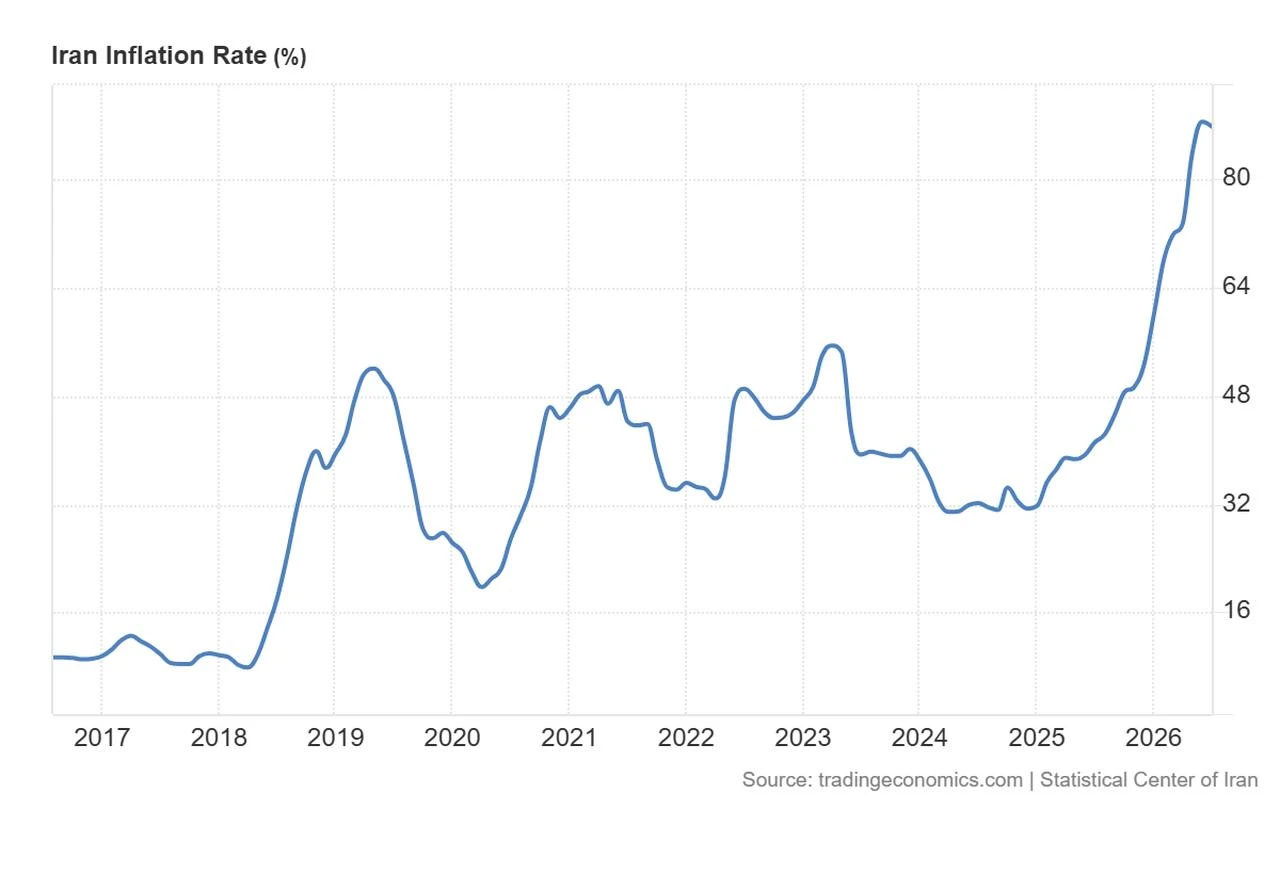
According to data from the Statistical Center of Iran, annual inflation had reached 87.9%, while monthly price growth had reached 9.5%.

Hemmati explained that Iran had begun preparing for difficult economic conditions in February and had built up foreign-currency reserves in several locations.
He added that the preparations would ensure that essential goods and medicines could be imported, while the industrial sector would receive $20 billion in foreign currency through the end of the year.
"We will not face problems in supplying foreign currency in line with our plans. We will provide every entrepreneur with the amount of cash in foreign currency they need," Hemmati pledged.
The Central Bank of Iran has provided an average of $175 million in foreign currency per day since the start of the year, compared with about $205 million during the same period last year.
Hemmati acknowledged that weaker economic activity had reduced some government revenue from taxes and insurance premiums, but maintained that the decline did not mean economic activity had stopped.
He also asserted that authorities had taken steps to facilitate exporters’ activities and had held talks with the judiciary to resolve problems.
The International Monetary Fund (IMF) projects Iran’s real GDP to contract by 5.4% in 2026, while consumer prices are forecast to rise by 68.9%.


 Set as preferred source
 Set as preferred source


 1 min read
 1 min read