Newsletters


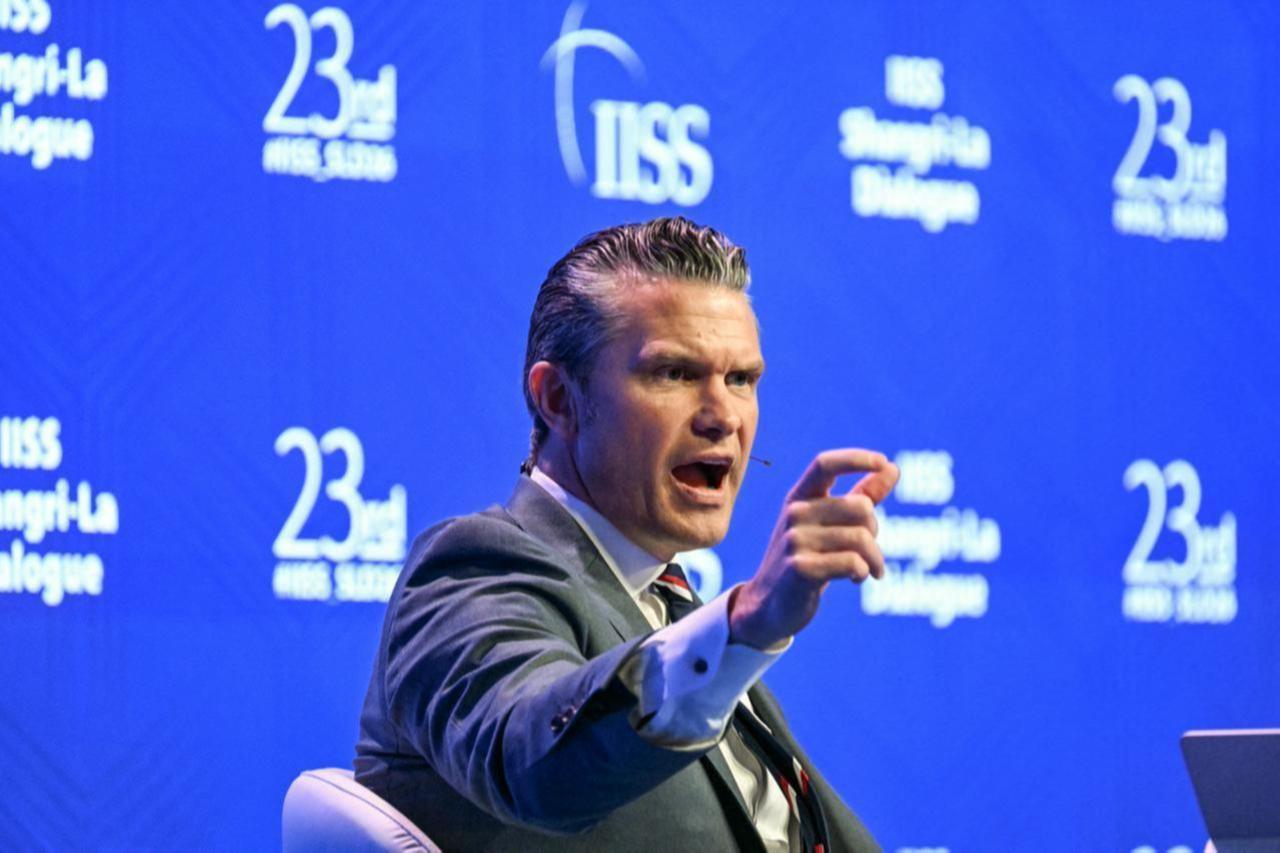


U.S. Defense Secretary Pete Hegseth said Sunday that a memorandum of understanding between the United States and Iran remains on track despite Israeli strikes on Hezbollah positions in Beirut's southern suburbs earlier that morning, framing the anticipated agreement as a landmark shift in American foreign policy driven by military force rather than diplomacy.
Speaking on CBS News's "Face the Nation," Hegseth sought to draw a sharp contrast between the emerging framework and the 2015 Joint Comprehensive Plan of Action, the multilateral nuclear accord from which President Trump withdrew during his first term. "This is not a path to a bomb," Hegseth said. "What this deal will be will be a wall to a bomb."
Hegseth described the anticipated memorandum as strictly conditional, with no financial relief flowing to Tehran until Iran demonstrates compliance. The document, he said, commits Iran to never seeking, buying, or possessing a nuclear weapon, with the terms of that commitment to be negotiated and codified in the 60-day talks the MOU is designed to initiate.
He said that nuclear material left over from U.S. strikes on Iranian facilities would be "downblended, destroyed, or removed," and that the United States would be involved in verifying that outcome, "whether physically or otherwise."
Asked whether American ground troops could be deployed to secure nuclear material, Hegseth did not rule it out. "We have plans for everything," he said, adding that both the military and the Department of Energy were prepared to support the effort.
He was dismissive of any central role for the United Nations, though he allowed that the International Atomic Energy Agency could be part of the verification process.
The secretary pointed to what he called a sequence of decisive military pressure, including 45 days of combat operations, a naval blockade, and the "Operation Midnight Hammer" strikes on Iranian nuclear sites, as the leverage that brought Tehran to the table.
He said 125 million barrels of oil had transited the Strait of Hormuz under a U.S. operation called "Project Freedom," demonstrating American control of the waterway throughout the conflict. Iran, he said, "couldn't do anything about it."
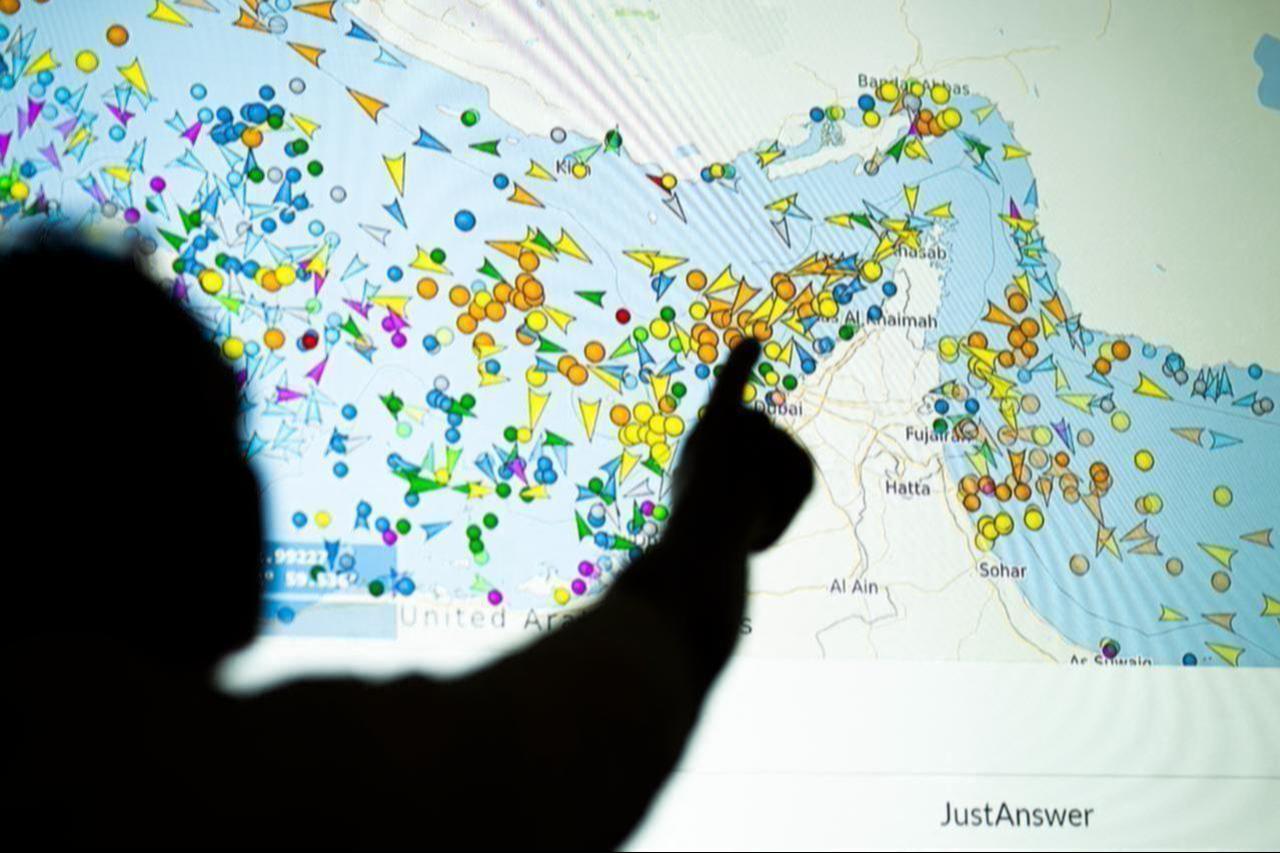

One of the central provisions of the anticipated MOU involves the reopening of the Strait of Hormuz, through which roughly a fifth of the world's oil supply passes.
Hegseth said the process would begin "immediately" once a deal is signed, with the blockade and the strait's reopening moving in tandem. He said the United States could clear the waterway of remaining threats, including mines, within 30 days in a "permissive environment," and added that operations already underway, which he declined to specify, were aimed at facilitating safe passage as quickly as possible.
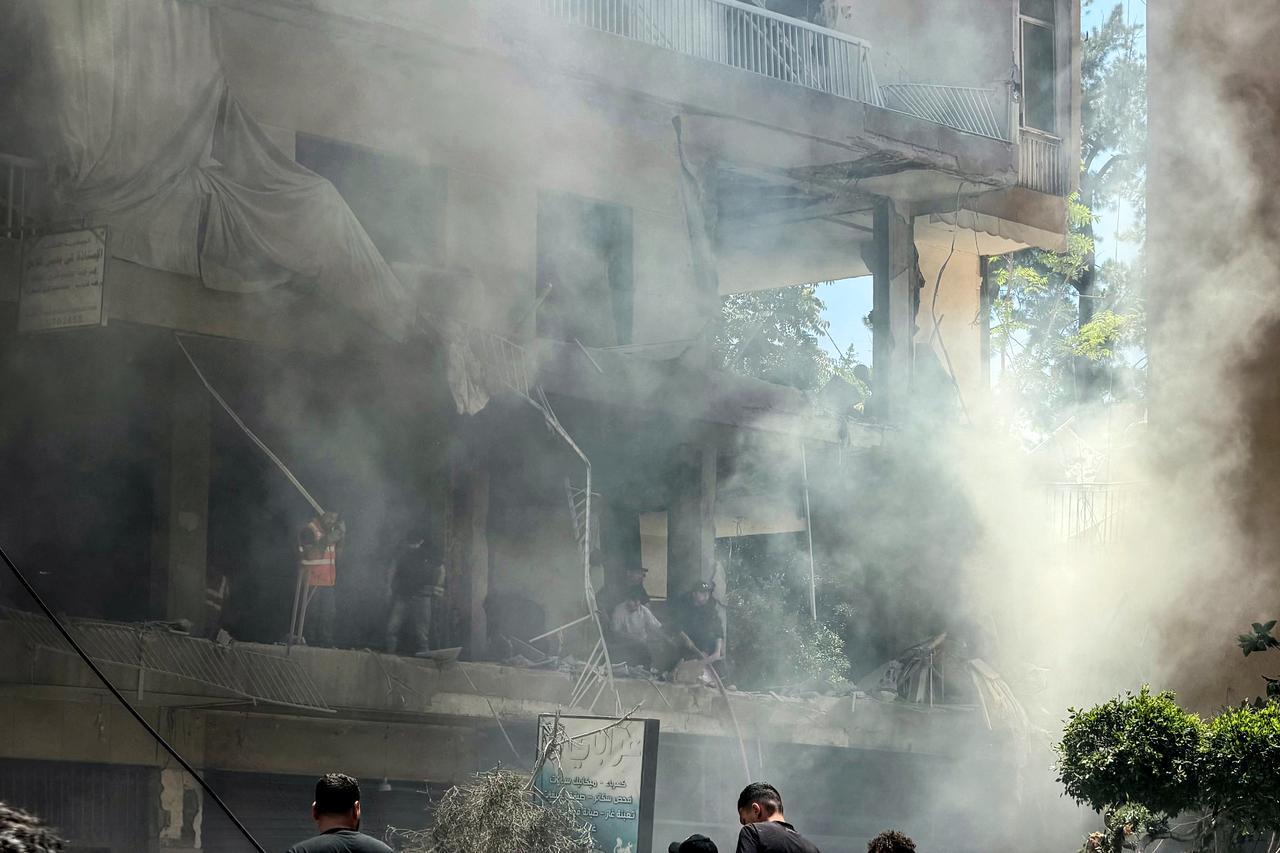
Hegseth also addressed the situation in Lebanon, where Hezbollah, the Iranian-backed armed group, fired rockets into northern Israel earlier Sunday, prompting retaliatory strikes by the Israel Defense Forces on Beirut's southern suburbs.
CBS News has reported that a potential U.S.-Iran truce contains only a vague reference to ending the Lebanon fighting, a provision that may fall short of what Iran's leadership requires and that may not satisfy Israel.
Hegseth acknowledged the tension but said he did not expect the exchange to derail negotiations. "If Iran wants this to hold," he said, "they need to pull back Hezbollah. No doubt."
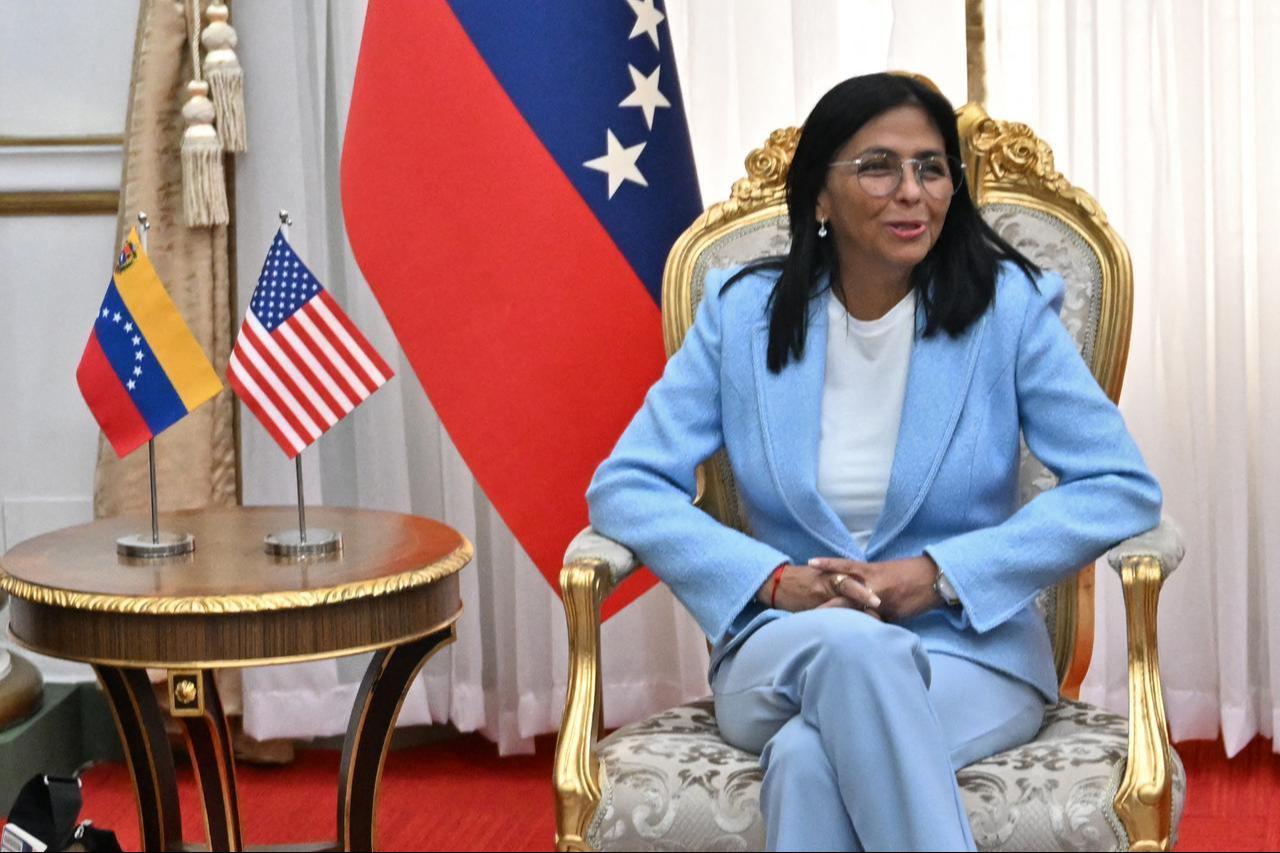
In a separate development, Hegseth confirmed that U.S. military forces, working alongside Venezuelan security services, killed Hector Rusthenford Guerrero Flores, known as Nino Guerrero, the founder and longtime leader of the Venezuelan gang Tren de Aragua, in a strike conducted earlier in the week in the southeastern Venezuelan state of Bolivar. President Trump announced the killing Friday on social media.
Guerrero Flores, 43, had been indicted by a federal grand jury in New York on charges including racketeering, terrorism, drug importation, and firearms offenses, and was listed as a most-wanted fugitive by U.S. Immigration and Customs Enforcement.
The State Department had offered $5 million for information leading to his arrest. Tren de Aragua, which originated as a prison gang inside Venezuela's Tocorón facility in the mid-2000s, expanded under his leadership into a transnational organization operating across Latin America and parts of the United States.
Hegseth said the operation was analogous to counterterrorism missions against al-Qaeda and the Daesh.
He said the administration made a deliberate choice to use a strike rather than a capture operation, framing the killing as the product of an intelligence-sharing arrangement made possible by a shift in the U.S.-Venezuelan relationship.
He said further operations could be expected across the region under what he described as the Americas Counter Cartel Coalition, a partnership being built with governments across Central and South America.
"We're taking back control of our hemisphere," Hegseth said, invoking what he called the "Donroe Doctrine," a reference to President Trump's updated articulation of the Monroe Doctrine.
On Ukraine, Hegseth gave a measured response to a request from President Volodymyr Zelenskyy, who appeared on the same program several weeks ago, asking not only for more air defense interceptors but for the ability to produce Patriot missile systems alongside allied nations.
Hegseth said the United States was "open to co-production wherever we can," and that American stockpiles were strong and growing.
He pushed back firmly against the characterization, advanced by the anchor, that he had previously testified to Congress that certain munitions would take years to rebuild, calling it "a manufactured story."
He attributed any prior shortfalls to the Biden administration's support for Ukraine and said those gaps had since been filled.


 Set as preferred source
 Set as preferred source


 1 min read

 1 min read