Newsletters


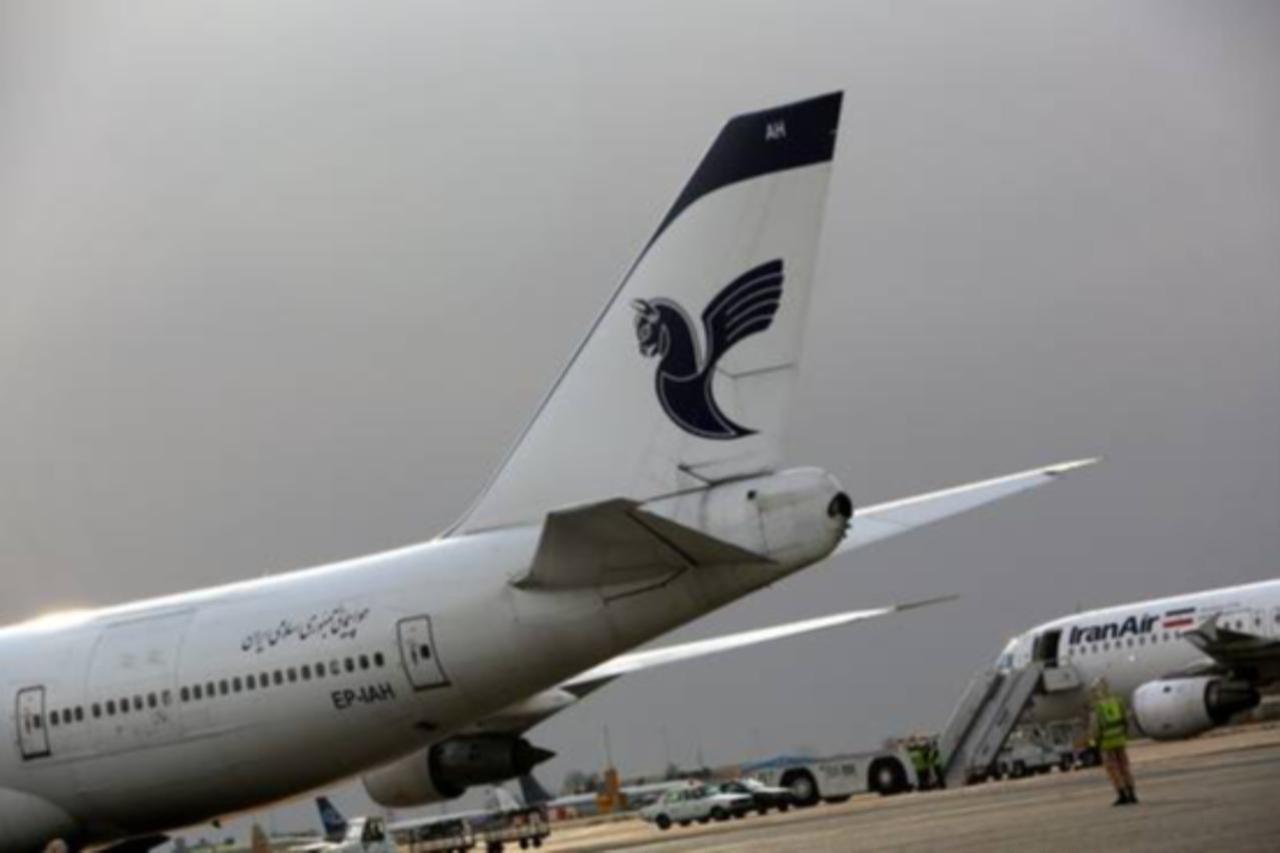


Iran suspended all flights to and from airports in the western part of the country on Sunday, with the semiofficial Tasnim news agency citing "current conditions" as the reason for the halt, which has no stated end date.
The move comes as U.S. President Donald Trump claimed that a peace deal between Iran and Israel was imminent, even as hostilities and diplomatic uncertainty continued to cloud the region.
The suspension adds the latest disruption to an aviation sector that has been repeatedly battered since the outbreak of the Iran-Israel conflict.
Tehran had shut its western skies on June 13 following a large-scale Israeli bombing campaign, a closure that forced widespread flight diversions across the Middle East.
On Truth Social, Trump declared that both Israel and Iran were looking to carry out "an immediate ceasefire" and said final negotiations on peace were proceeding, while warning that a U.S. naval blockade would remain in force until a final deal was concluded.
Al Jazeera reported on Sunday that the two sides appeared close to signing the first stage of an agreement, though Iran and the U.S. differed on timing.
Iran's chief negotiator, parliament speaker Mohammad Bagher Ghalibaf, struck a more guarded tone, saying no agreement would be reached until all disputed issues were resolved and that the current focus remained on ending the war itself.
An IRGC-affiliated source close to the Iranian negotiating team told Tasnim that "talks and consultations over disputed issues are still ongoing, and no final result has yet been reached," adding that Western media accounts of the details of any understanding were inaccurate.
The shutdown of western Iranian airports is the latest in a series of aviation crises linked to the conflict. Iran's Civil Aviation Organization had shut the country's airspace to most traffic in early June following the peak of the fighting, grounding flights at Tehran's Imam Khomeini International Airport and Mehrabad Airport, as well as Mashhad International Airport.
As hostilities intensified through the spring, major carriers including Lufthansa Group suspended services to Tehran through late October, while KLM avoided Iranian, Iraqi and Israeli airspace entirely.
Kuwait filed a second formal complaint with the International Civil Aviation Organization over attacks on its airport infrastructure, including a June 3 strike on Terminal 1 that killed one person and caused serious injuries.
Iranian airspace has long been a critical corridor linking the Gulf to Europe. When it closes, airlines are forced onto longer, more costly routes, compressing schedules and driving up fares across a region already strained by months of conflict.


 Set as preferred source
 Set as preferred source


 1 min read

 1 min read