Newsletters





U.S. Secretary of War Pete Hegseth stated on Wednesday that an Iranian ballistic missile intercepted while heading toward Turkish airspace was unlikely to trigger NATO's collective defense clause, as the alliance condemned Iran's targeting of Türkiye and reaffirmed it stood firmly with all allies.


Asked about the incident at a Pentagon briefing, Hegseth stated that the U.S. was aware of the engagement but did not believe it would activate the alliance's mutual defense commitment.
"On the matter with Türkiye, I'll have to get back to you on exactly what the intercept looked like. We're aware of that particular engagement. Although, no sense that it would trigger anything like Article 5. No," Hegseth said.
Under NATO's founding treaty, Article 5 is the collective defense clause that treats an attack on one member as an attack on all. It was unclear where the missile was ultimately headed.
 1 min read
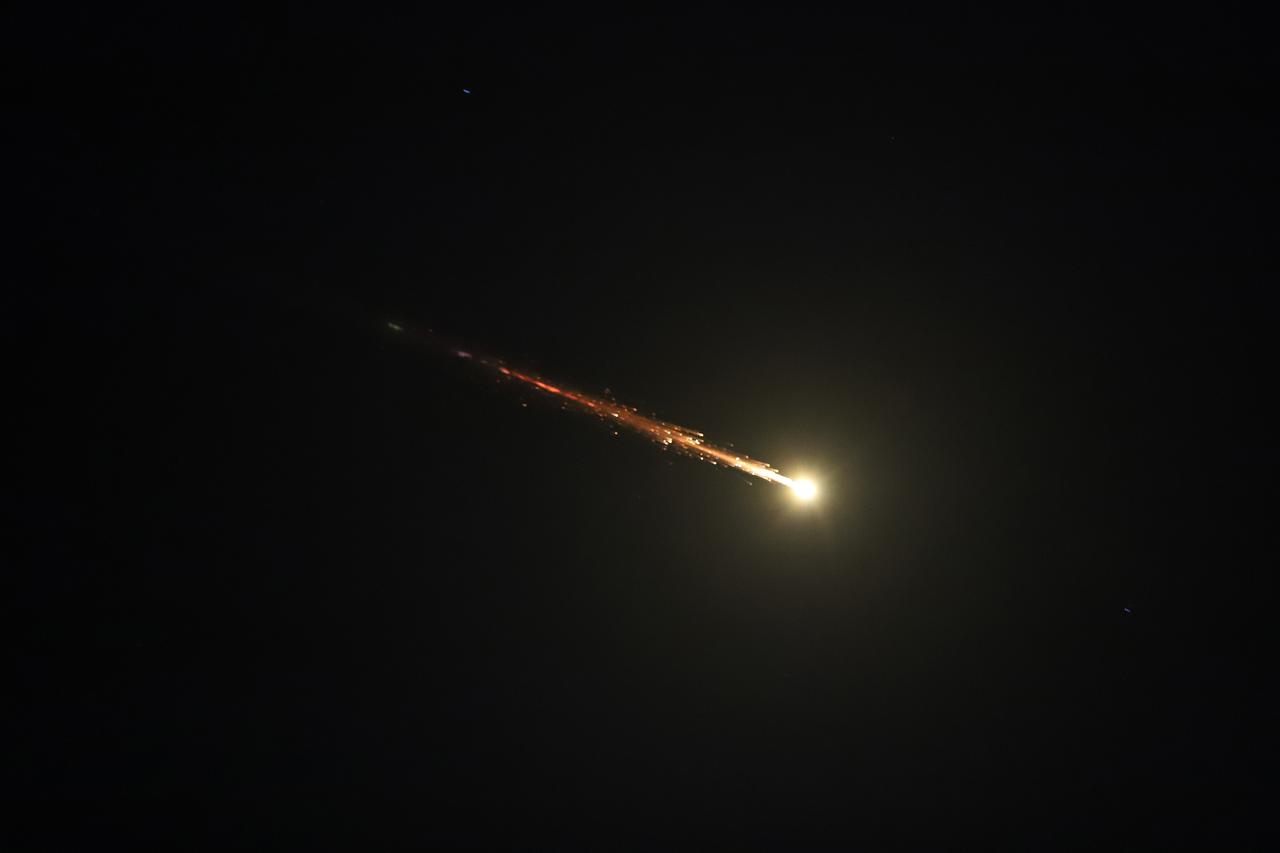
Türkiye's Ministry of National Defense (MoND) announced earlier Wednesday that the Iranian ballistic missile, which crossed Iraqi and Syrian airspace before heading toward Turkish territory, was intercepted by NATO air and missile defense elements deployed in the Eastern Mediterranean.
Interceptor debris fell in Hatay province's Dortyol district with no casualties.
Turkish Foreign Minister Hakan Fidan called his Iranian counterpart Abbas Araghchi to protest the incident and urge Tehran to refrain from steps that could cause the conflict to spread.


 Set as preferred source
 Set as preferred source




 1 min read