

 Newsletters


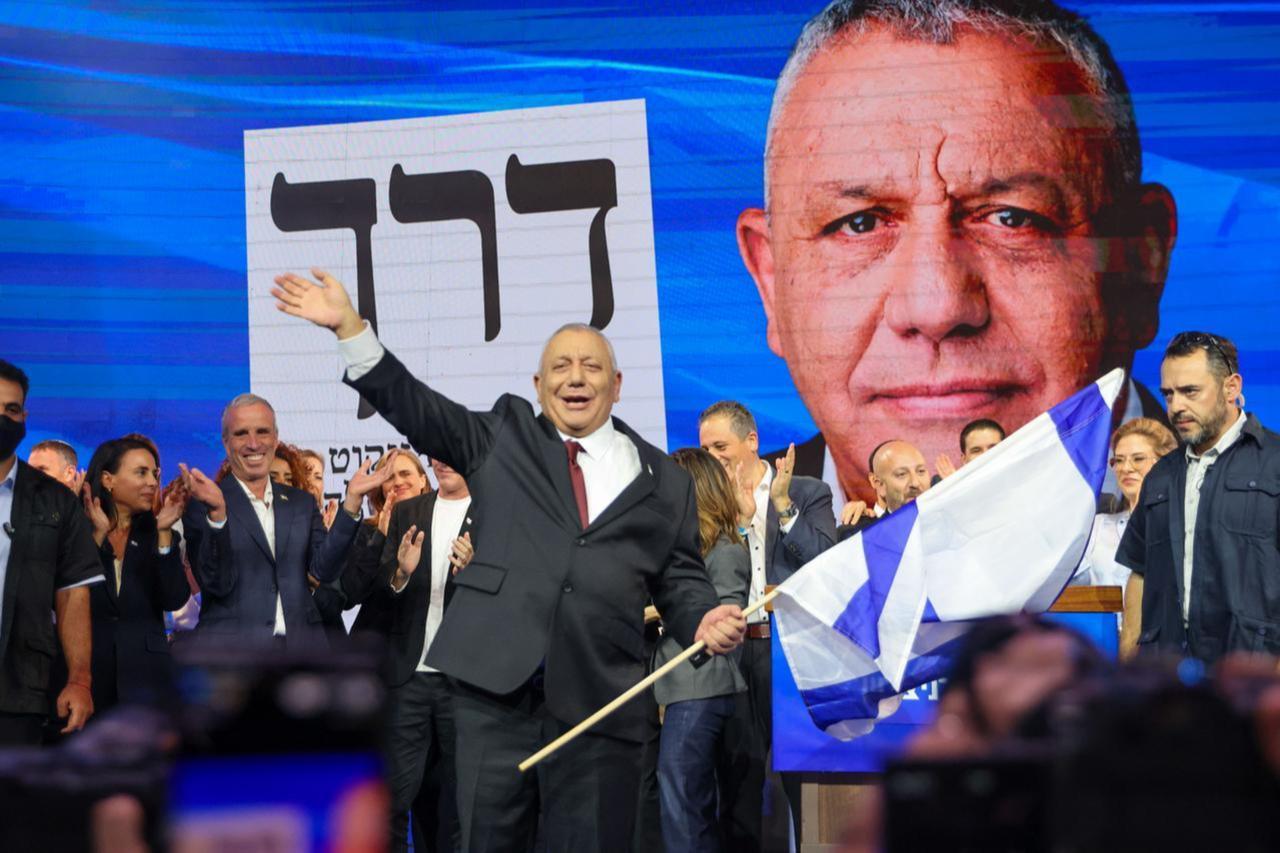


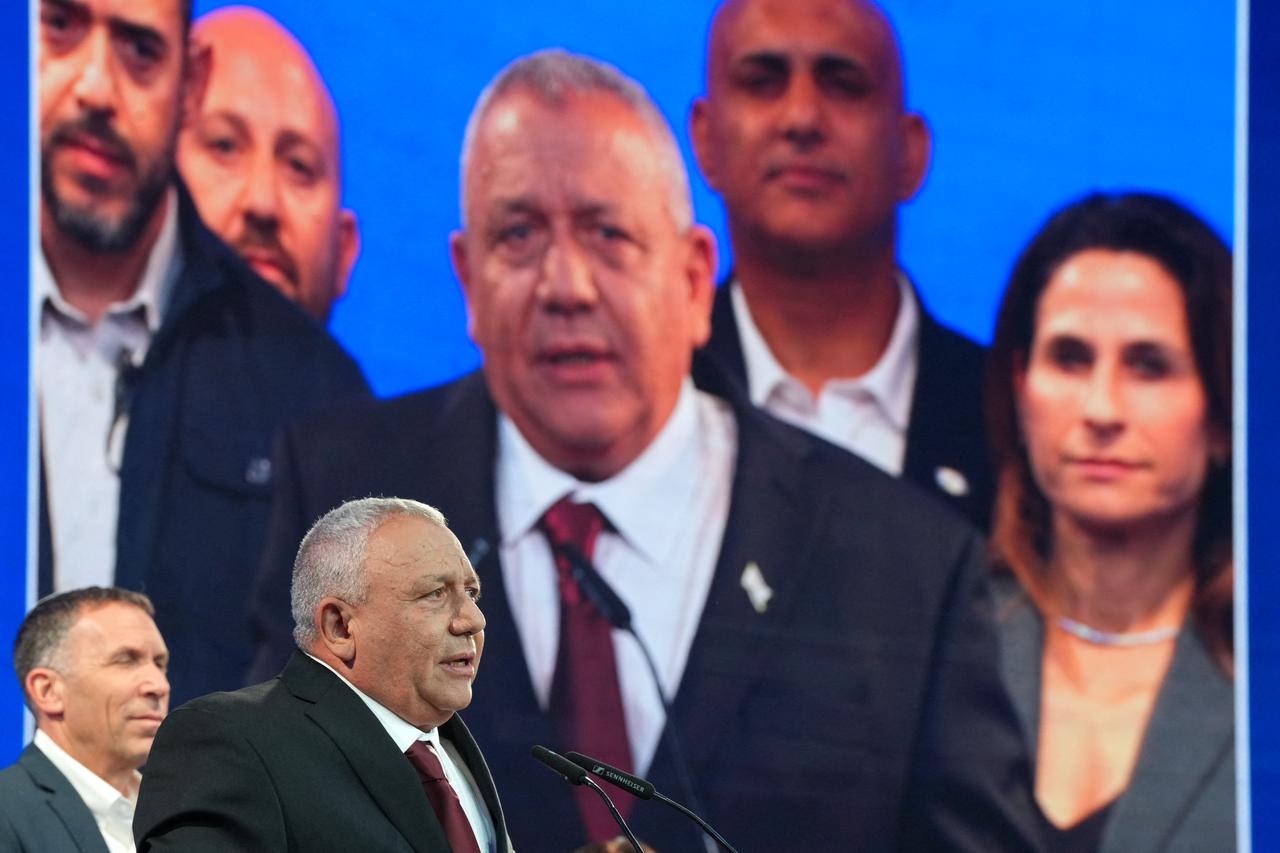
Israeli President Isaac Herzog said Saturday he will formally task Gadi Eisenkot, the former military chief who leads the Yashar party, with forming Israel’s next government. That gives Prime Minister Benjamin Netanyahu’s main rival the first chance to build a coalition after an election that left neither bloc with a majority.
Herzog will hand Eisenkot the mandate at his residence on Sunday at 5 p.m. local time, according to Australian broadcaster ABC. The announcement followed meetings with both Eisenkot and Netanyahu and a week of consultations with every party elected to the 26th Knesset, which voted on Oct. 27.
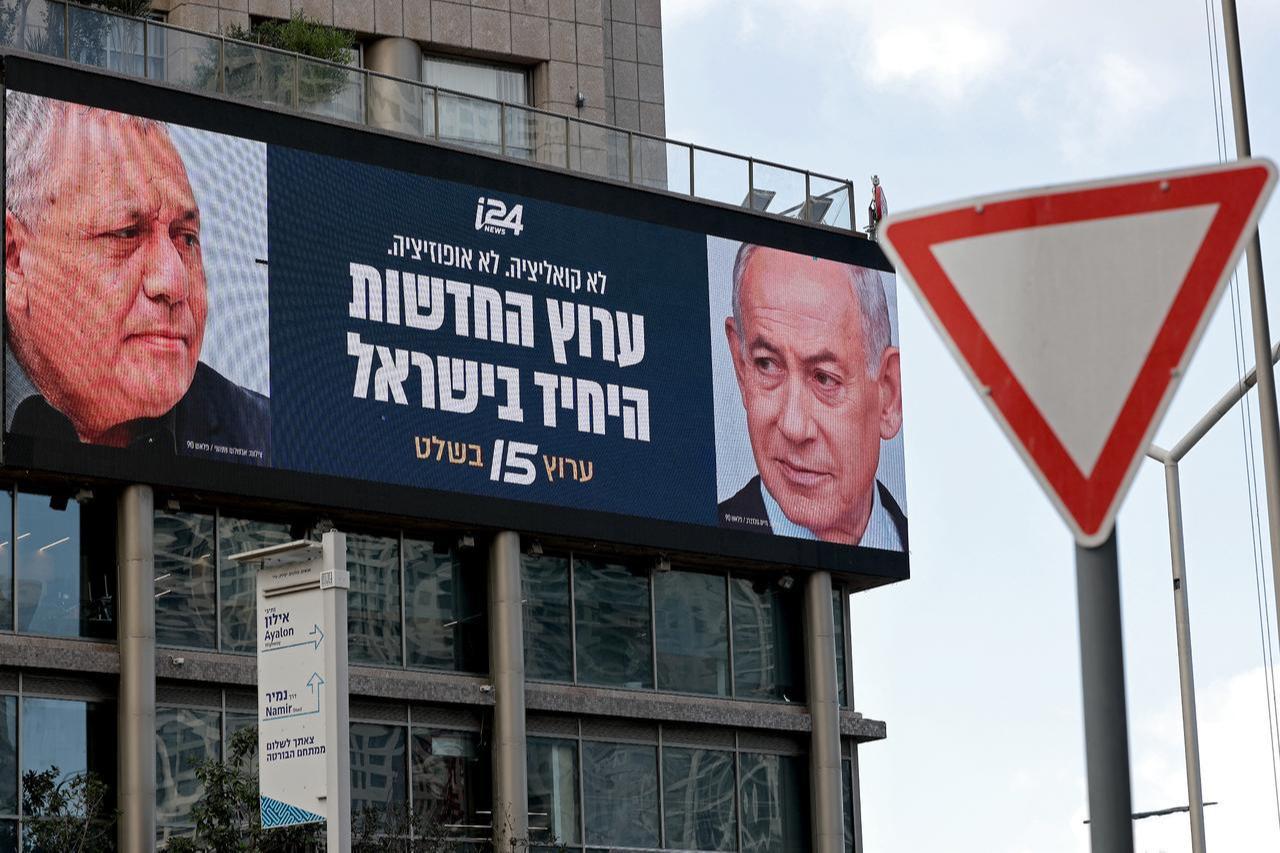

Lawmakers representing 67 of the Knesset’s 120 seats recommended Eisenkot to Herzog, against 46 for Netanyahu. The seven members of United Torah Judaism, an ultra-Orthodox party, declined to back either man. Yashar says Eisenkot’s tally is the largest for any candidate since 2015.
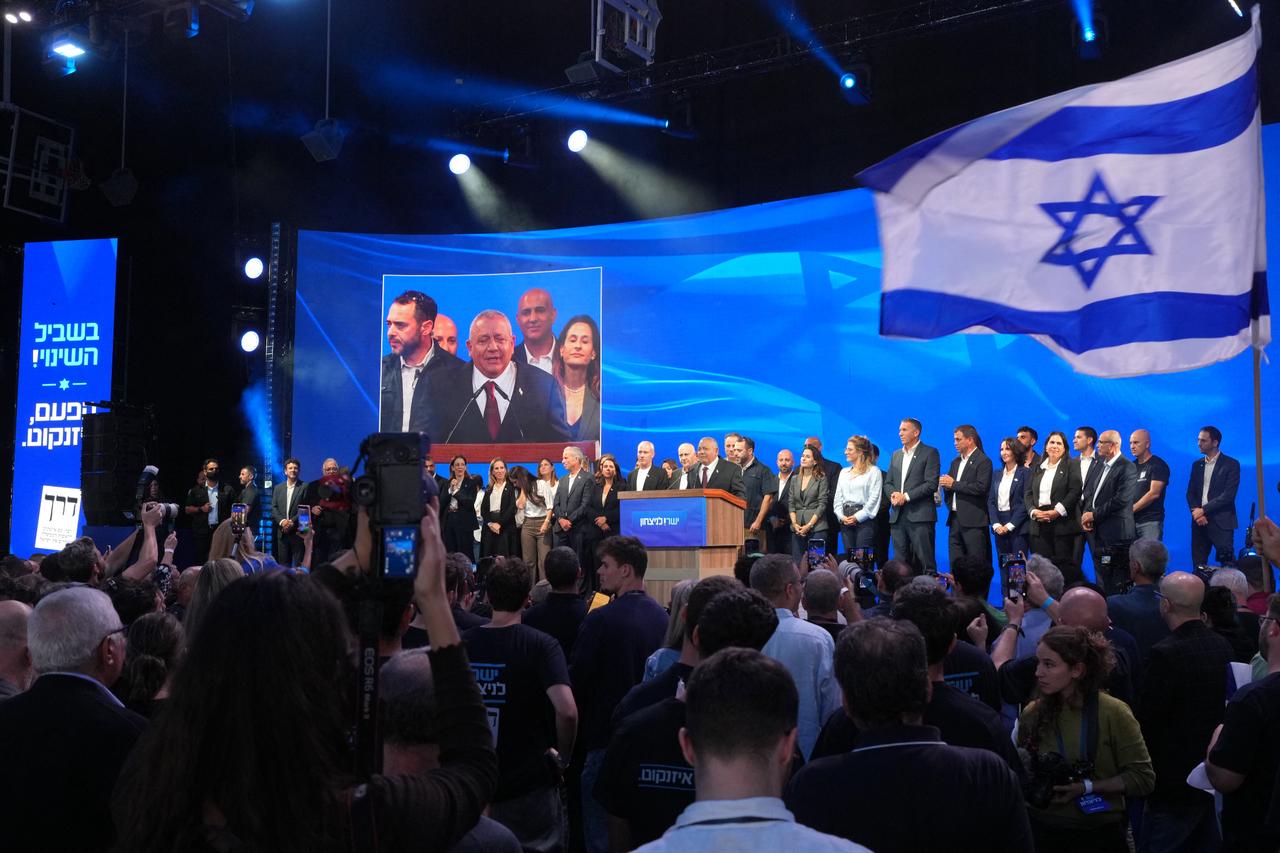
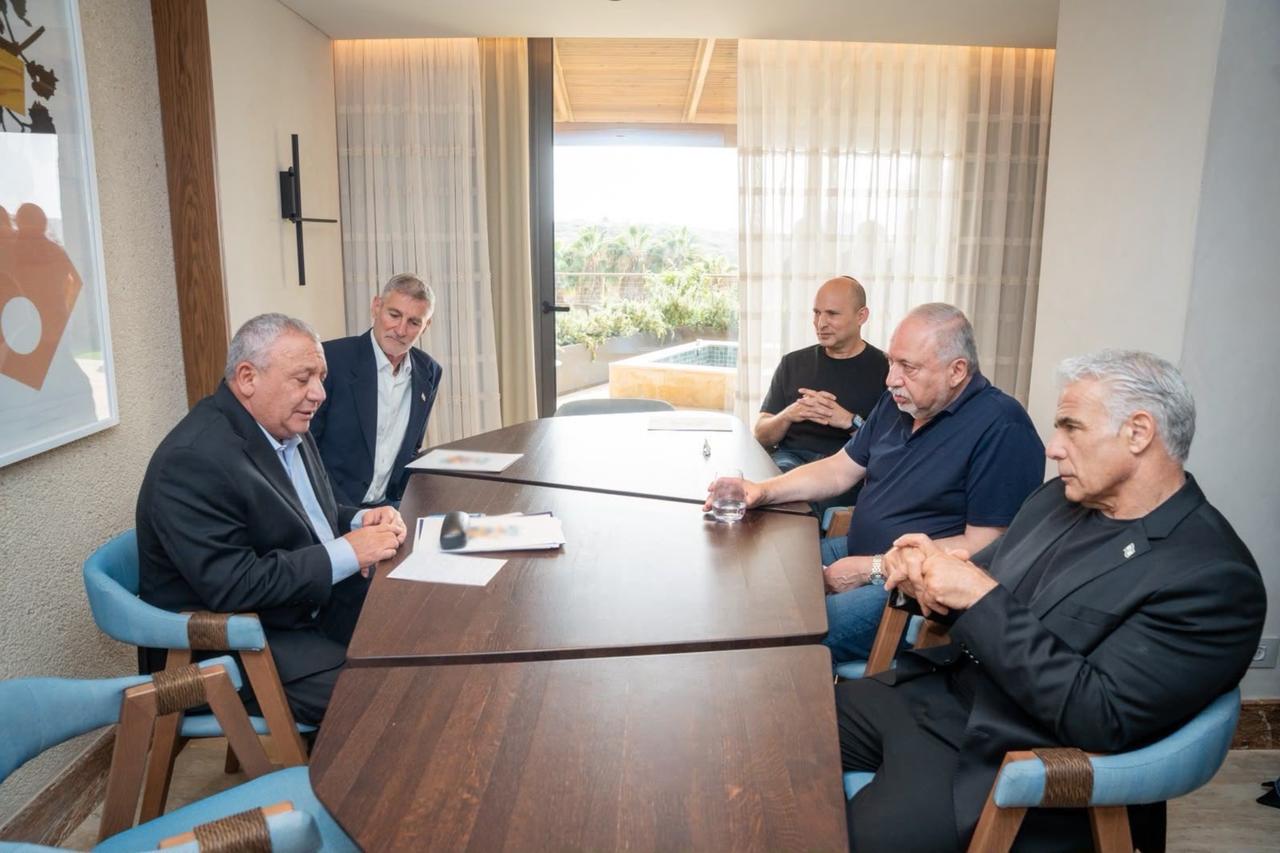
Eisenkot’s backers are split into two groups. A four-party Jewish-led bloc with 48 seats includes Yashar, Naftali Bennett’s B’Yachad, Yair Golan’s The Democrats and Avigdor Liberman’s Yisrael Beytenu. The other 19 seats belong to two Arab-led parties, the Joint List and Ra’am. Netanyahu was backed by Likud and its religious and far-right allies.
After the consultations ended Thursday, Herzog cautioned that the numbers alone did not settle the matter. Whether a government can actually be formed, he said, “is not entirely clear, given the mutual disqualifications between the blocs and within the blocs themselves.”
Eisenkot says he wants an emergency national government and has invited any party or lawmaker who accepts four principles to join.
They include recognizing Hamas as a terrorist organization and dismantling its military and governing capabilities in Gaza, and requiring all citizens to perform military, national or civilian service. He has also said Israel faces “a genuine, tangible, and dangerous state of emergency.”
The Arab parties complicate that effort. Ra’am and the Joint List recommended Eisenkot without committing to join a coalition. Ra’am leader Mansour Abbas has called for Hamas to be disarmed and removed from power in Gaza but has not explicitly recognized it as a terrorist group.
Three of the four Jewish-led opposition factions have ruled out sitting in a government with the Arab parties. Without them, Eisenkot would probably need the ultra-Orthodox parties that previously sat in Netanyahu’s coalition.
Eisenkot served as the military’s chief of staff from 2015 to 2019 and later joined the wartime Cabinet after the Oct. 7, 2023, Hamas attack. In October he said he would not serve under Netanyahu even in a rotation deal, vowing to resign “an hour later” if that happened.
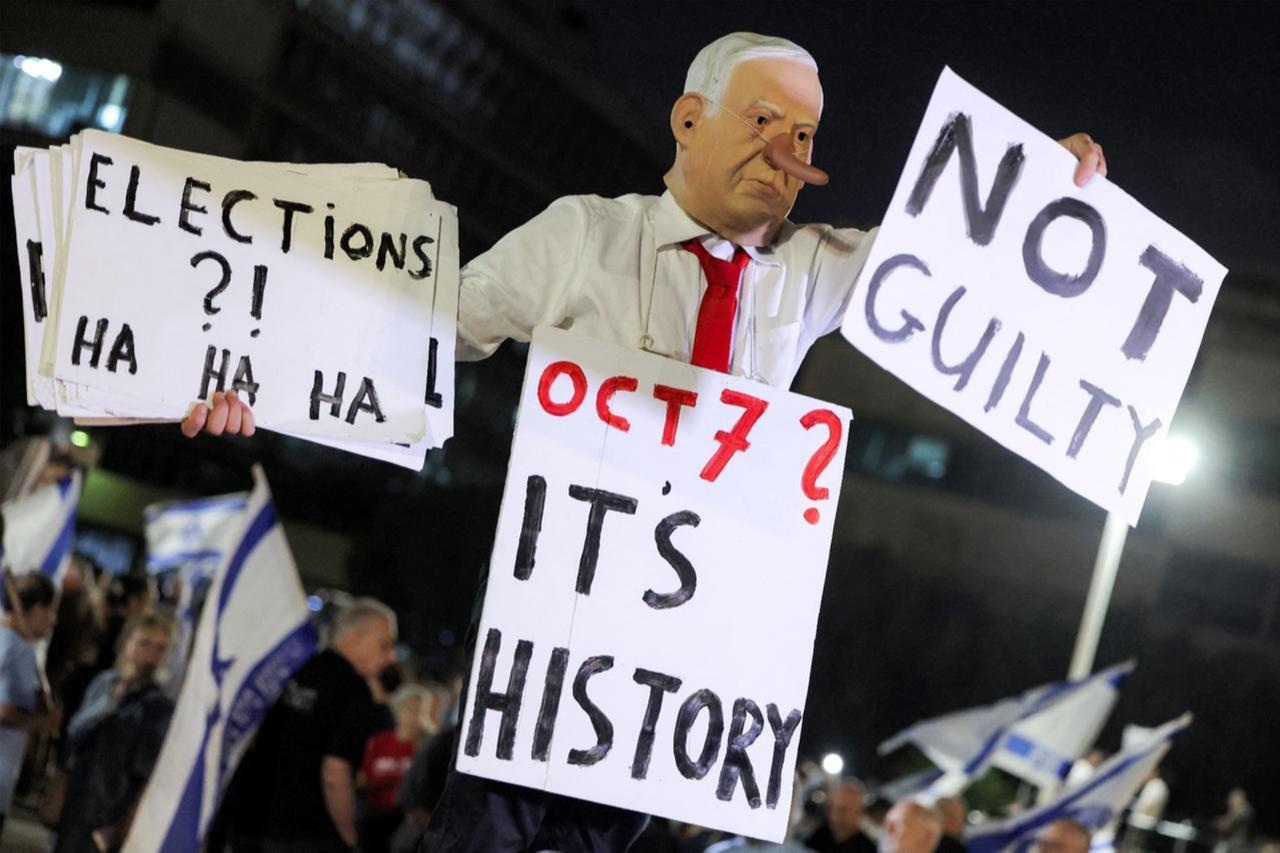
Netanyahu remains prime minister, in a caretaker capacity, unless someone assembles a coalition of at least 61 lawmakers. He has said Likud “extended our hand toward forming a broad national government.” In a video message Saturday evening, he called for a national unity government including his current partners and warned that an Eisenkot-led government backed by Arab parties would harm Israel from within.
Yashar accused him of hypocrisy and said he talks of unity only now that his time in office is ending. It invited Likud to join an Eisenkot-led government if it breaks with “the extremists,” accepts the four principles and agrees to serve under Eisenkot. Likud’s Miri Regev has argued that the mandate belongs to Netanyahu as head of the largest party.
Likud figures have also claimed the election was stolen, citing a Shin Bet investigation into alleged foreign funding meant to influence Arab voters. The Central Elections Committee has ratified the results and said the investigation did not harm their integrity.
Under Israel’s Basic Law, the designated candidate has 28 days to form a government, with a possible extension of up to 14 days. If that fails, the president has three days to decide whether to assign another lawmaker, who gets 28 days with no extension. A further 21-day period then allows 61 lawmakers to jointly nominate a candidate. If every attempt fails, the Knesset dissolves and a new election is held.
The new Knesset is due to be sworn in Tuesday, Nov. 10, and will elect a speaker to replace Likud’s Amir Ohana.


 Set as preferred source
 Set as preferred source


 1 min read
 1 min read


