Newsletters


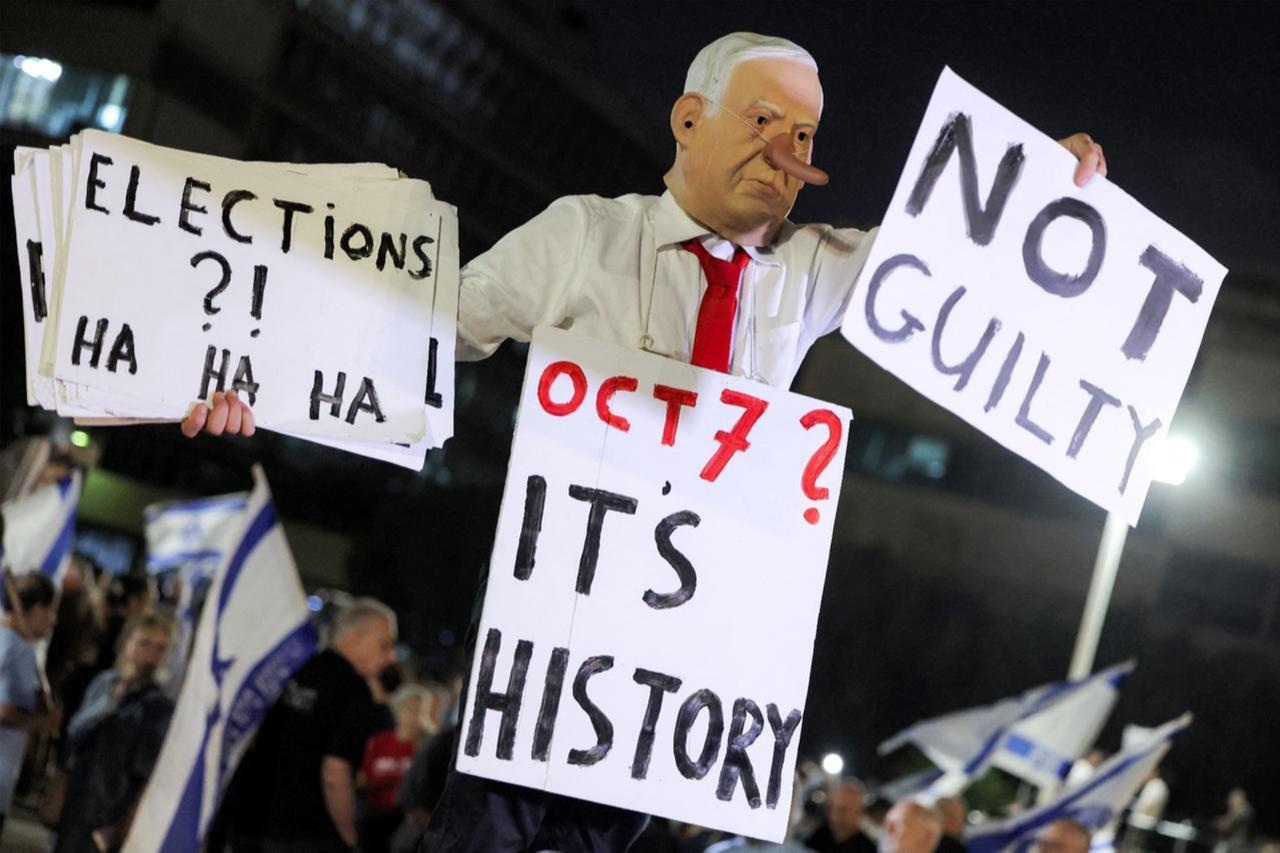


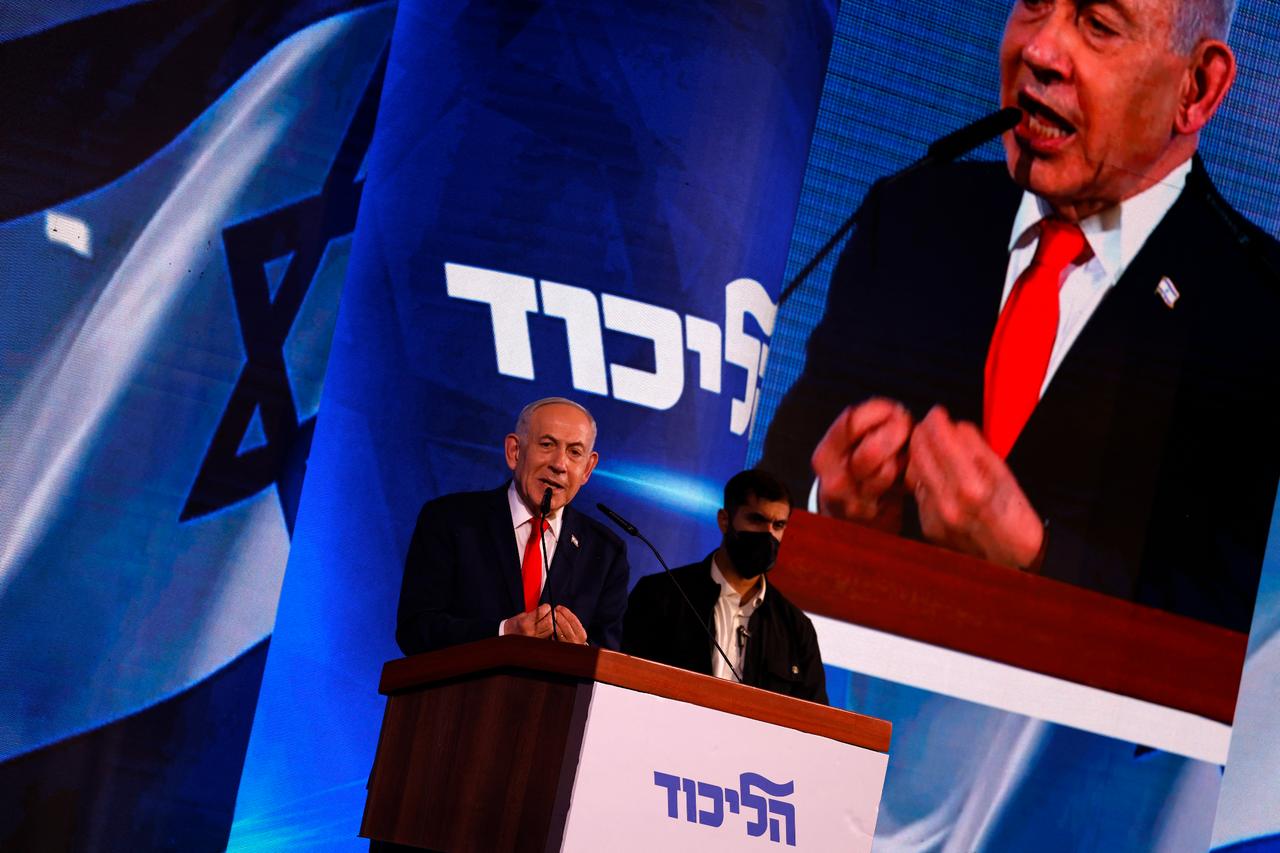
Israeli Prime Minister Benjamin Netanyahu on Wednesday said there were “serious suspicions” that foreign countries spent vast sums to influence last week’s Israeli election. He also warned that a government relying on Arab parties would “dismantle” the country from within.
The claims came as one of those parties, Raam, said it would recommend opposition bloc leader Gadi Eisenkot to form the next government.
In a post on X addressed to “Citizens of Israel,” Netanyahu said “extremist Islam” threatens the country from outside through Iran and its proxies, and from within through what he called Islamist parties of terrorism supporters.
A government dependent on such parties, he said, would not fight Israel’s enemies and would instead take the country apart. He called the matter “existential.”
He called for a broad national government led by his Likud party, under his leadership, that would include all components of the national bloc and any Zionist party willing to join.
He accused leaders of the left-wing bloc of trying to form a narrow minority government that relies on “terrorism supporters” while setting “impossible conditions” to block a broader coalition. They were putting their political interest ahead of the national interest, he said.
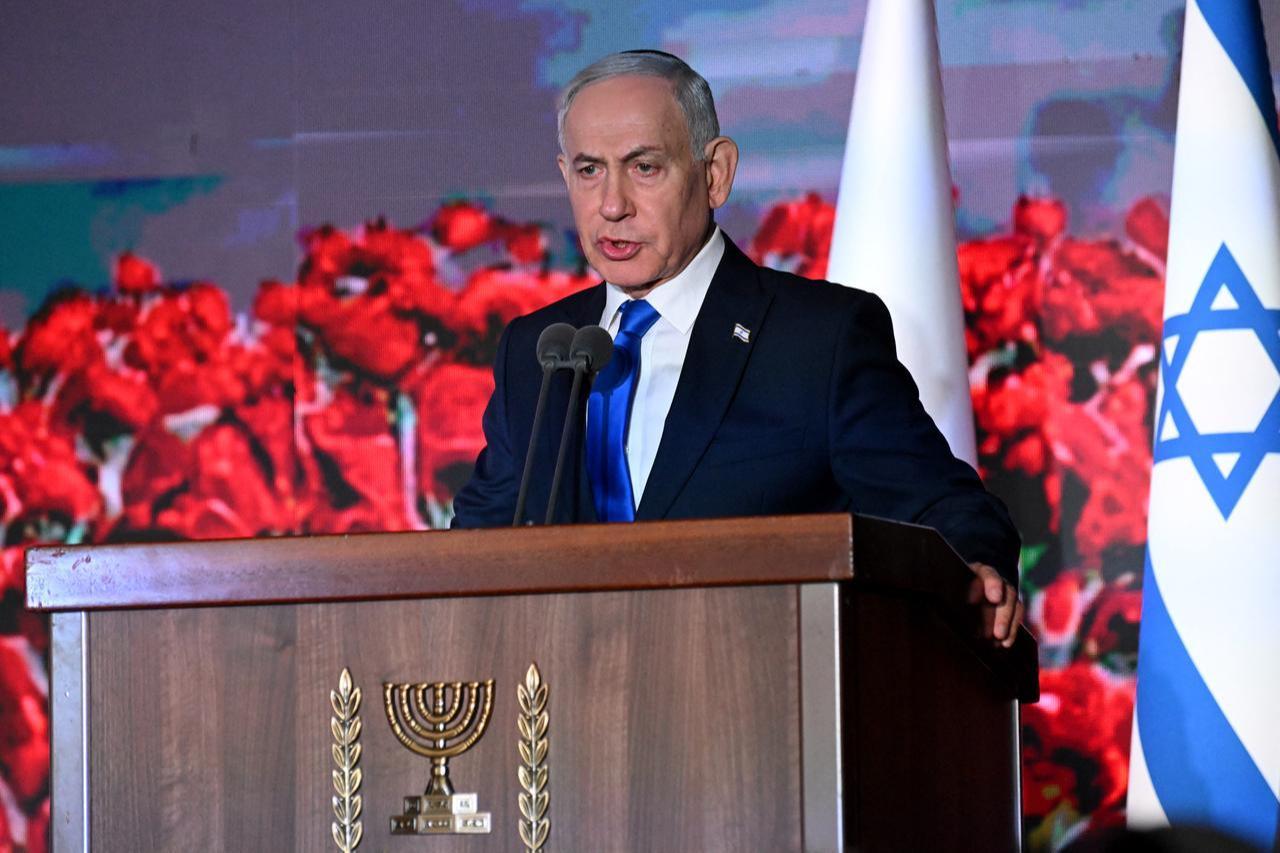

Netanyahu said the chairman of the Central Elections Committee, Justice Solberg, had instructed the Shin Bet, Israel’s internal security agency, to open a security investigation and had determined that all barriers to it must be removed.
“He is right,” Netanyahu wrote, adding that Israel must reach “the full truth, without cover-ups and without delays.” He said “the purity of elections is the foundation of democracy.”
The prime minister has pointed to the arrests of several people carrying envelopes of cash on election day, which authorities described as localized incidents. He has also accused leaders of taking money from Qatar, an allegation previously made against Netanyahu’s own aides.
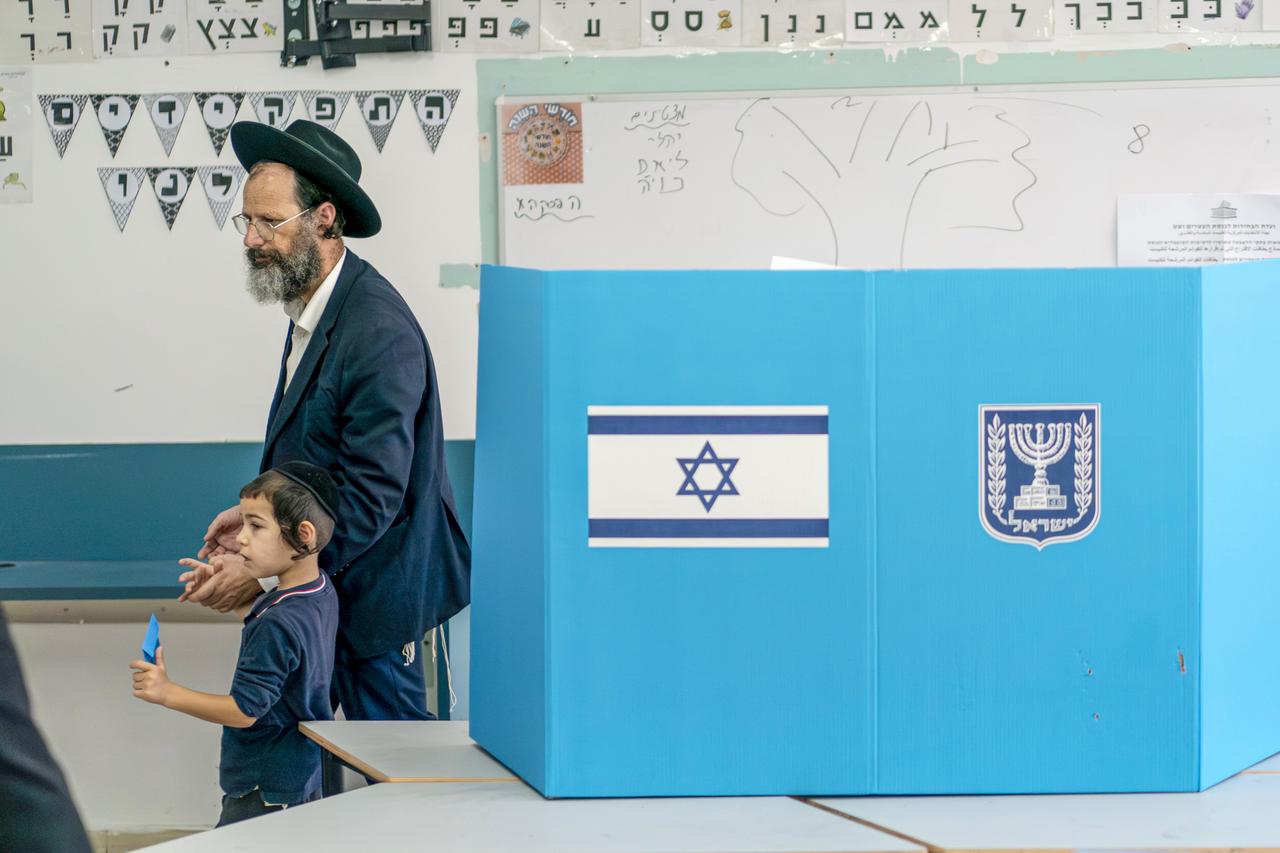
The Central Elections Committee said it audited 9,069 polling stations after complaints and found no evidence that would call into question the integrity of the results.
Israeli media reports, citing unnamed officials, said the Shin Bet is investigating whether Ayman Odeh, an outgoing lawmaker and former leader of the Joint List, received hundreds of thousands of shekels, roughly $100,000, from an unspecified foreign entity. Odeh once led Hadash, a left-wing party within the Joint List.
The Joint List, a coalition of three Arab-Israeli parties and the largest Arab-Israeli bloc, denounced what it called “political persecution.” “The targeting of Ayman Odeh is political persecution, and we will not allow the Arab public’s vote to be delegitimised,” it said in a statement.
It accused Netanyahu of “clinging to power and refusing to acknowledge the will of Arab citizens who voted overwhelmingly against his government.” Last week’s election saw record turnout among Arab-Israeli voters.
Attorney General Gali Baharav-Miara on Tuesday rejected a Shin Bet request to interrogate other Arab party leaders without evidence. The decision angered allies of Netanyahu, who have long clashed with her.
Late Tuesday, police also arrested Abed Abu Shehadeh, an Arab-Israeli journalist related to politician Sami Abu Shehadeh. The rights group Adalah, which represents him, told AFP he was being questioned on charges of “contact with a foreign agent.”
Yair Golan, a left-wing leader in the main opposition alliance, accused Netanyahu’s camp of abusing power.
“The police are arresting political activists without court warrants, the Shin Bet is attempting to question senior elected officials without presenting any evidence, while the outgoing government refuses to recognise the election results,” he said.
Netanyahu and his far-right allies have gone on the offensive against Arab-Israeli politicians, who could put Eisenkot in the top seat if they team up with the opposition.
In Israel’s 120-seat Knesset, a government needs the backing of at least 61 lawmakers. The president consults party representatives before choosing a lawmaker to try to form a coalition.
Raam, formally the United Arab List, said its parliamentary group decided to recommend Eisenkot in a statement issued ahead of a meeting with President Isaac Herzog, who is consulting political forces on forming a new government.


 Set as preferred source
 Set as preferred source


 1 min read
 1 min read