Newsletters




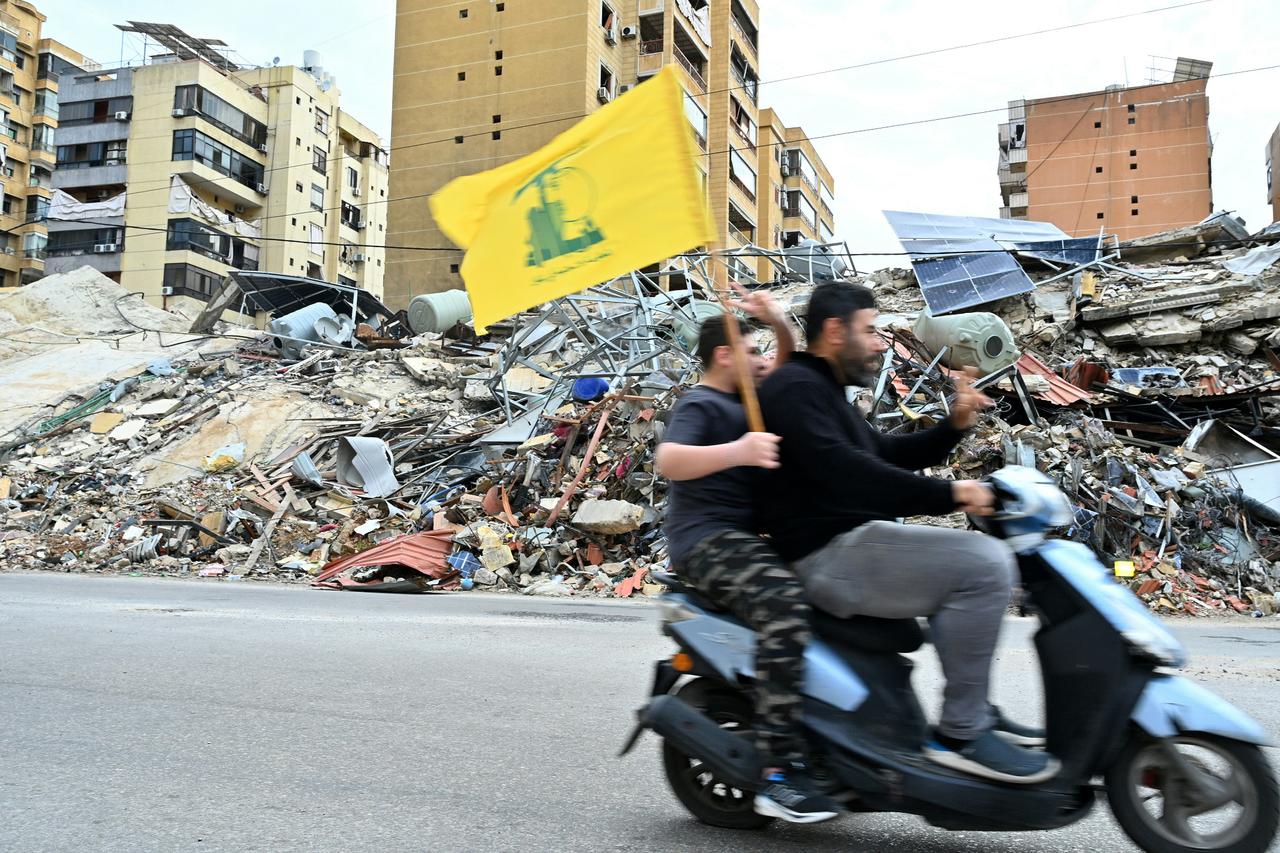
Hezbollah leader Naim Qassem said Saturday that the ongoing 10-day ceasefire with Israel cannot be one-sided and outlined conditions he said are necessary for peace, including a full halt to Israeli attacks on Lebanon, a complete Israeli withdrawal, the release of prisoners, the return of displaced residents and a large-scale reconstruction effort backed by Arab support.
In a statement read on television, Qassem said the truce that took effect at midnight Thursday cannot continue unless it is upheld by both sides.
"A ceasefire means a complete cessation of all hostilities. Because we do not trust this enemy, the resistance fighters will remain in the field with their hands on the trigger, and they will respond to violations accordingly," Qassem said.
"There is no ceasefire from the side of the resistance only, it must be from both sides," he added.
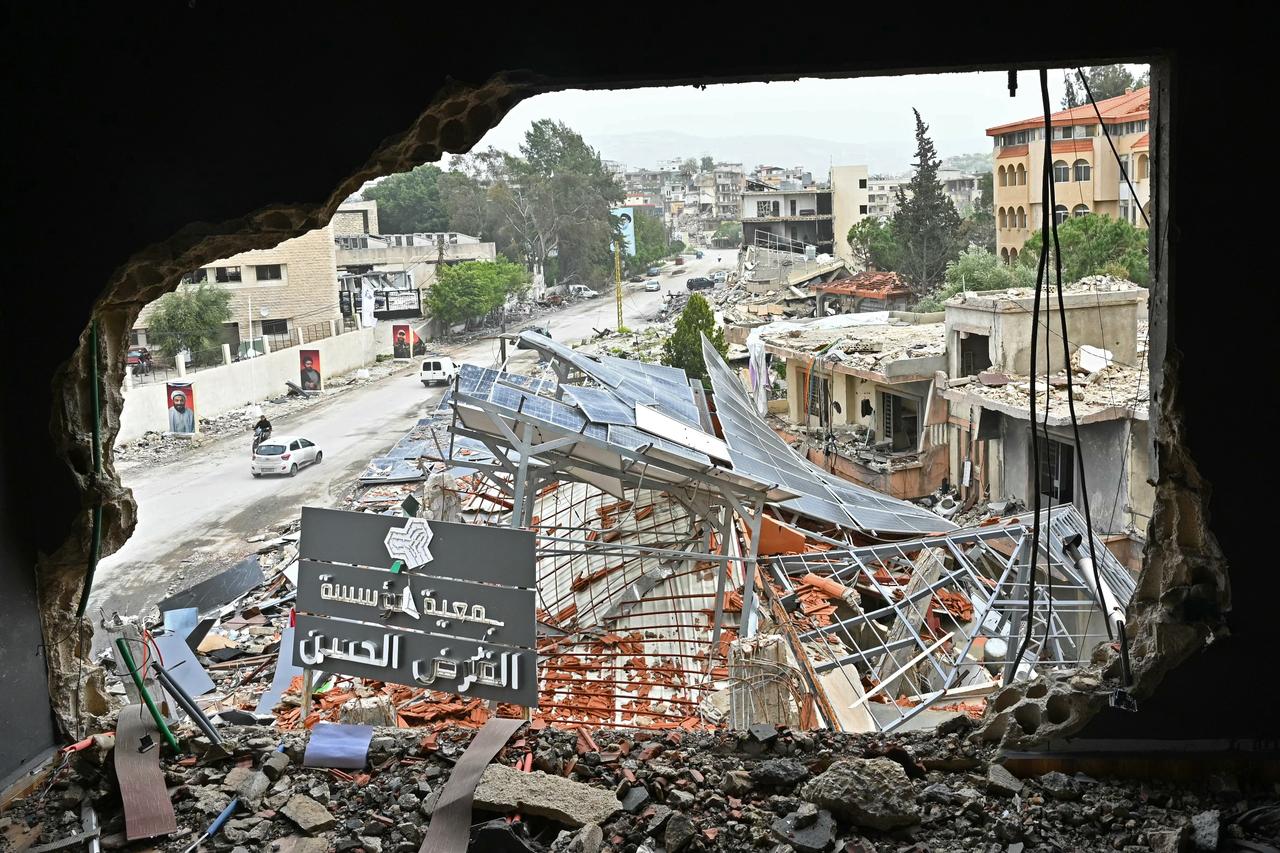
Qassem said the first requirement for the truce to hold is the permanent cessation of air, land and sea "aggression" against Lebanon. He also demanded that Israel completely withdraw from Lebanon.
Qassem said the next steps would focus on the release of prisoners and the return of residents to their homes in border areas.
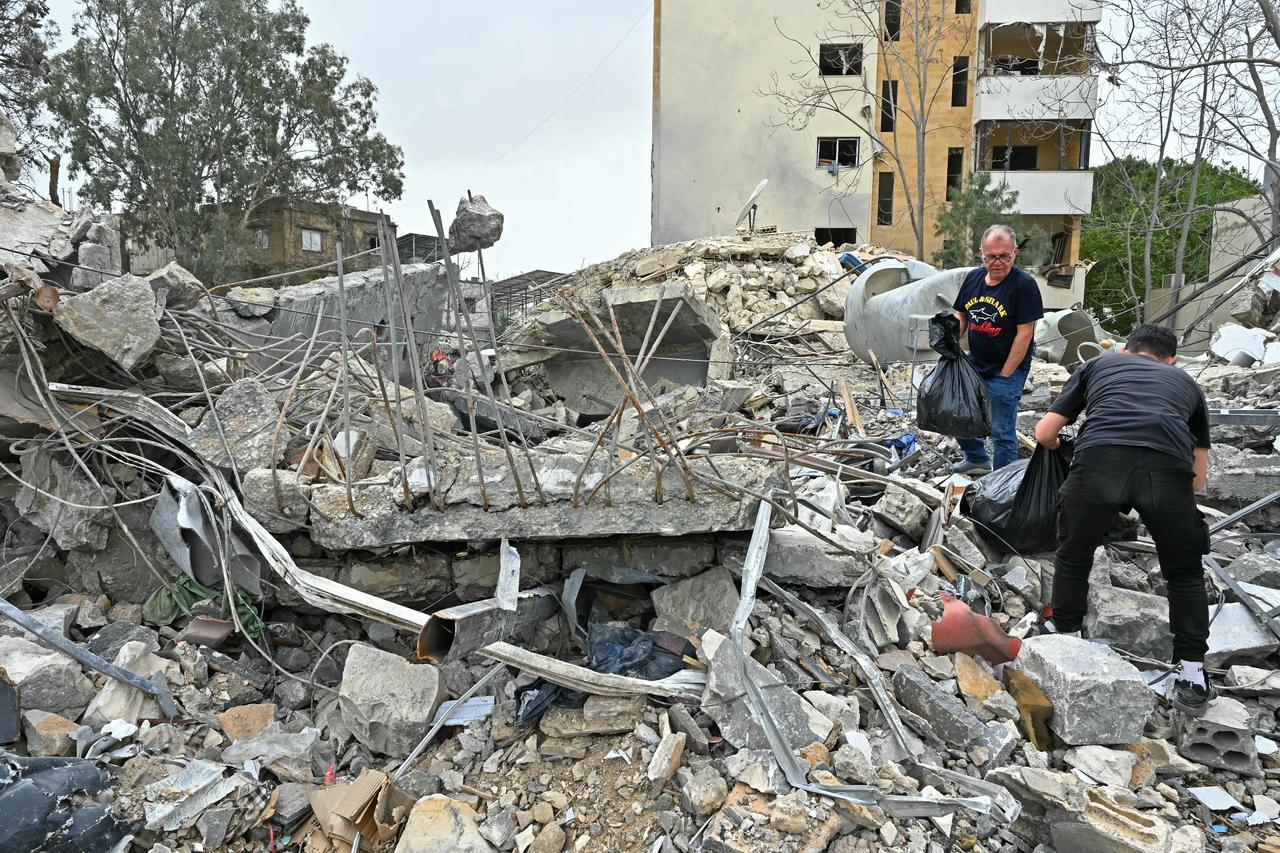
He said a final stage would involve a massive reconstruction campaign, coupled with international Arab support.
He also offered his first reaction since the ceasefire came into force, with terms shared by the U.S. State Department.
Qassem said it was "an insult to our country and our homeland, Lebanon, that America dictates its text and speaks on behalf of the Lebanese government."
The truce came days after Lebanon's and Israel's ambassadors to the U.S. met in Washington ahead of planned direct negotiations between the two countries, the first in decades.
"Enough of subjecting Lebanon to these humiliations by negotiating directly with the Israeli enemy and listening to its dictates, and by the shameful spectacle in Washington," Qassem said.
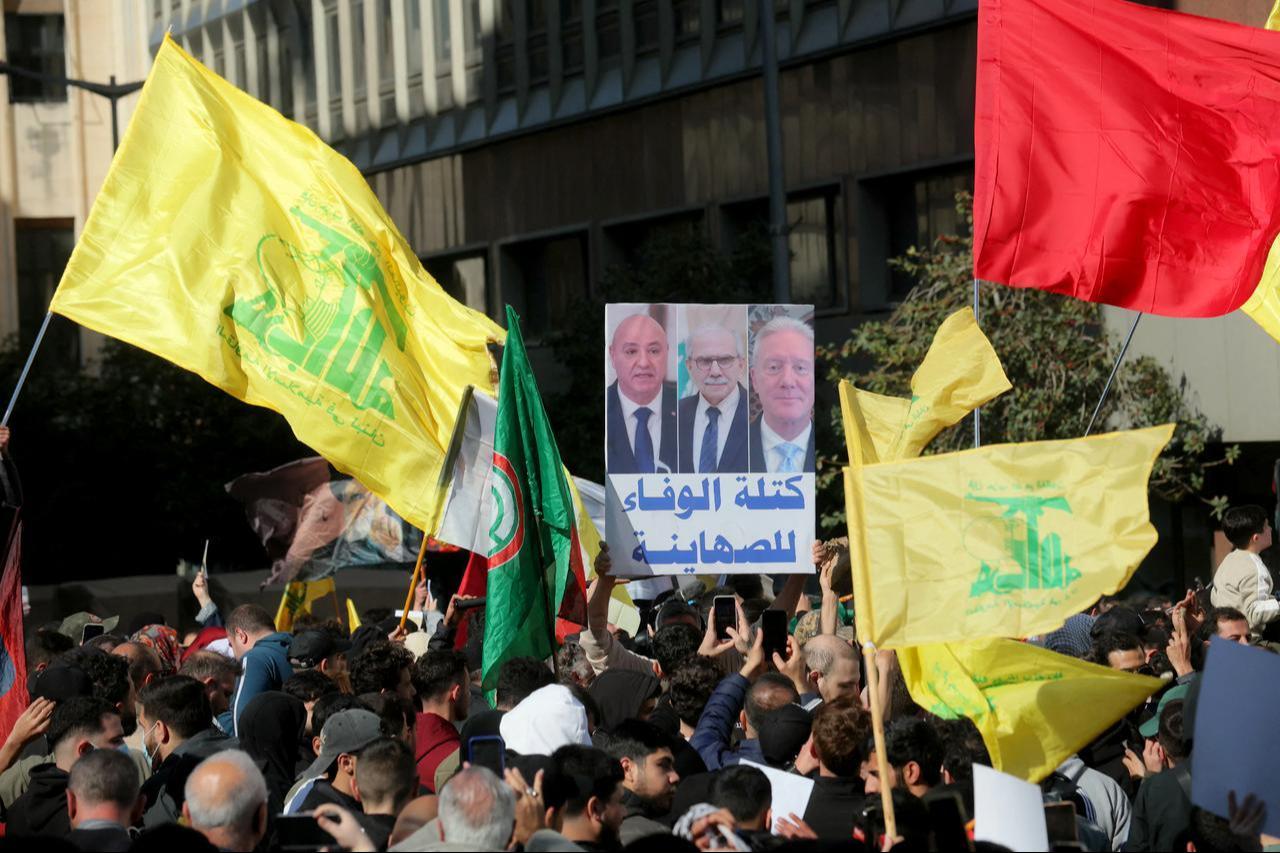

The Lebanese government has taken several unprecedented steps against Hezbollah over the past year, including pledging to disarm the group and outlawing its military activities.
Hezbollah has rejected those moves, but Qassem said the group was "open to the fullest cooperation with the Lebanese authorities, embarking on a new chapter... and utilising our strengths within a national security strategy".
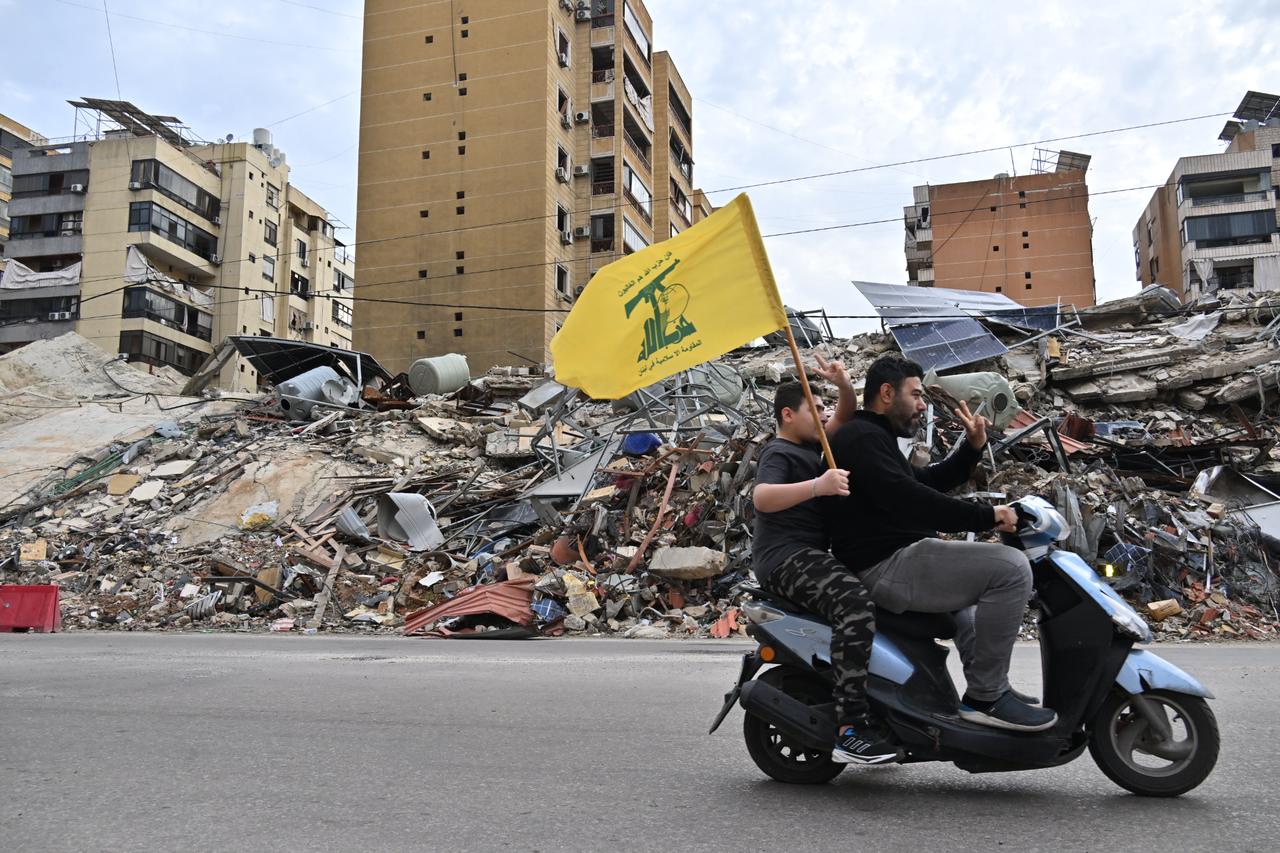
Tehran-backed Hezbollah entered the conflict on March 2 by attacking Israel, saying it was avenging the killing of Iran's supreme leader, prompting waves of Israeli airstrikes and a ground invasion in southern Lebanon.
Qassem also expressed "gratitude" to Iran "for their support and assistance," saying Iran kept the Strait of Hormuz closed until a truce was reached in Lebanon.
Iran's military declared the Strait of Hormuz closed again on Saturday after a brief reopening, in response to what it described as a U.S. blockade of its ports.


 Set as preferred source
 Set as preferred source


 1 min read
 1 min read