Newsletters




Israeli Prime Minister Benjamin Netanyahu declared that operations against Hezbollah are far from over, even as a 10-day ceasefire with Lebanon takes hold under U.S. pressure.
Speaking hours after the truce began on Friday, Netanyahu said Israel intends to keep pursuing the group’s "dismantling," warning that the process will require sustained effort rather than a quick resolution.
Netanyahu portrayed Hezbollah as significantly weakened, noting that the group is now "a shadow of its former self" compared to its strength under former leader Hassan Nasrallah, who was killed in 2024.
Still, he emphasized that key threats remain unresolved. Israel, he indicated, plans further steps targeting both rocket capabilities and drone operations.
The broader objective of dismantling Hezbollah "will not be achieved overnight," he added.
He also claimed that Israeli operations had already neutralized two major threats from Lebanon, including a near-term risk involving cross-border infiltration and anti-tank attacks, as well as a longer-term threat tied to an estimated 150,000 rockets and missiles.
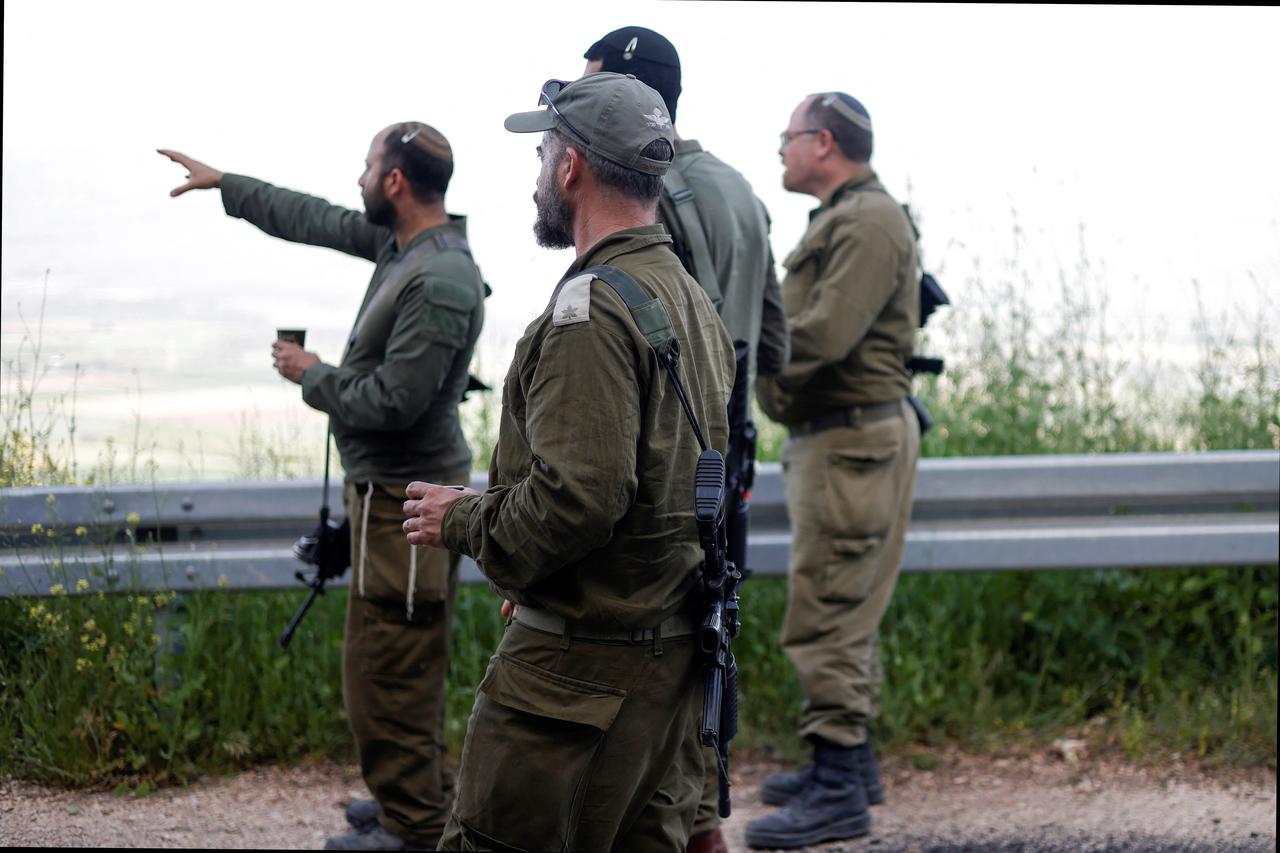
Netanyahu also asserted that Israel has effectively established a "security zone" stretching from southern Lebanon through Mount Hermon and the Golan Heights down to the Yarmouk area, adding that Israeli forces would remain in positions held in southern Lebanon during the pause.

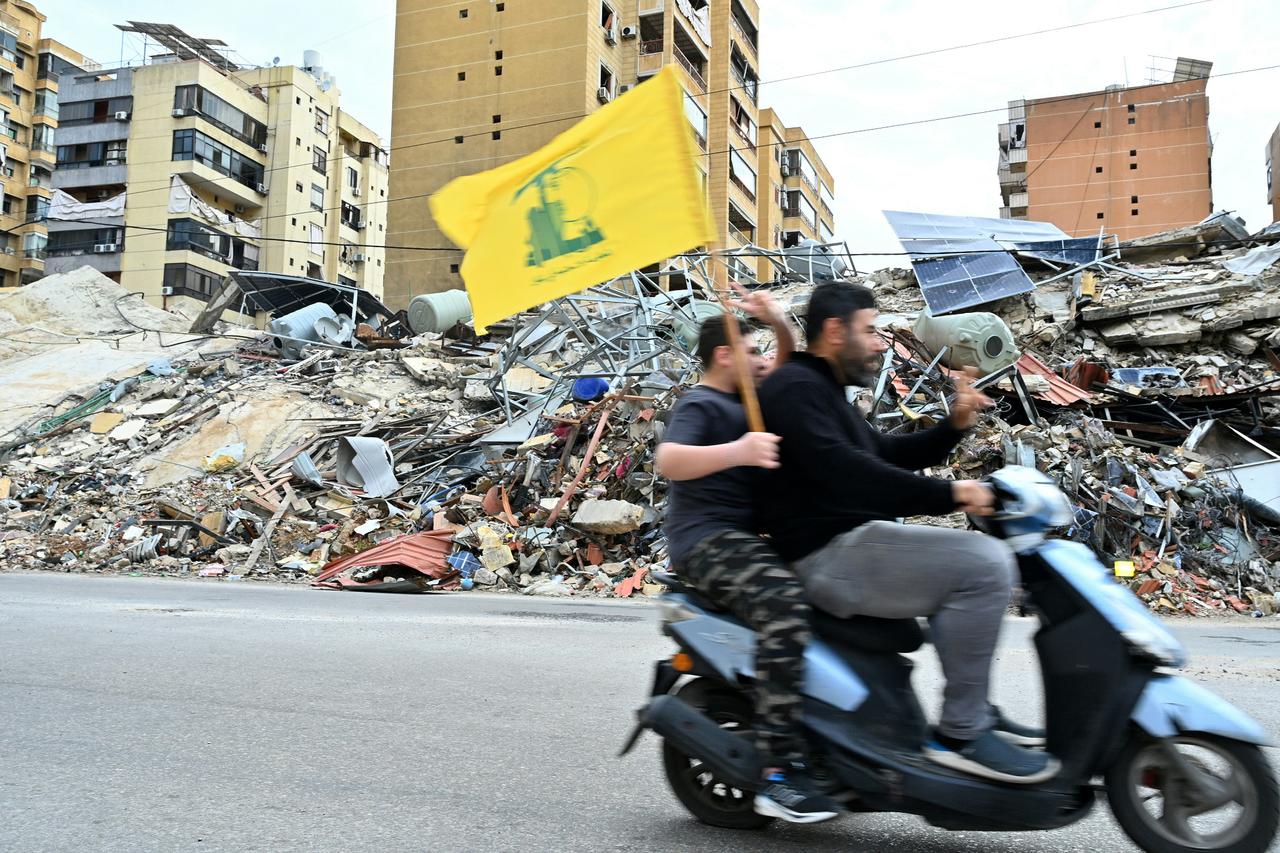
Israeli strikes on Lebanon began on March 2, following the outbreak of the Iran war on Feb. 28, after Tel Aviv cited a drone attack it said was carried out by Hezbollah using systems linked to Tehran.
The ceasefire emerged as part of conditions raised by Iranian negotiators during talks in Islamabad, coming shortly after a separate two-week truce had taken effect.
It was formally announced on Thursday by U.S. President Donald Trump following initial direct contacts between Israeli and Lebanese officials in Washington—the first such engagement since 1993.
On Friday, Trump wrote on Truth Social that Israel would no longer be allowed to carry out strikes in Lebanon, stating: "Israel will not be bombing Lebanon any longer. They are PROHIBITED from doing so by the United States of America. Enough is enough!!!"
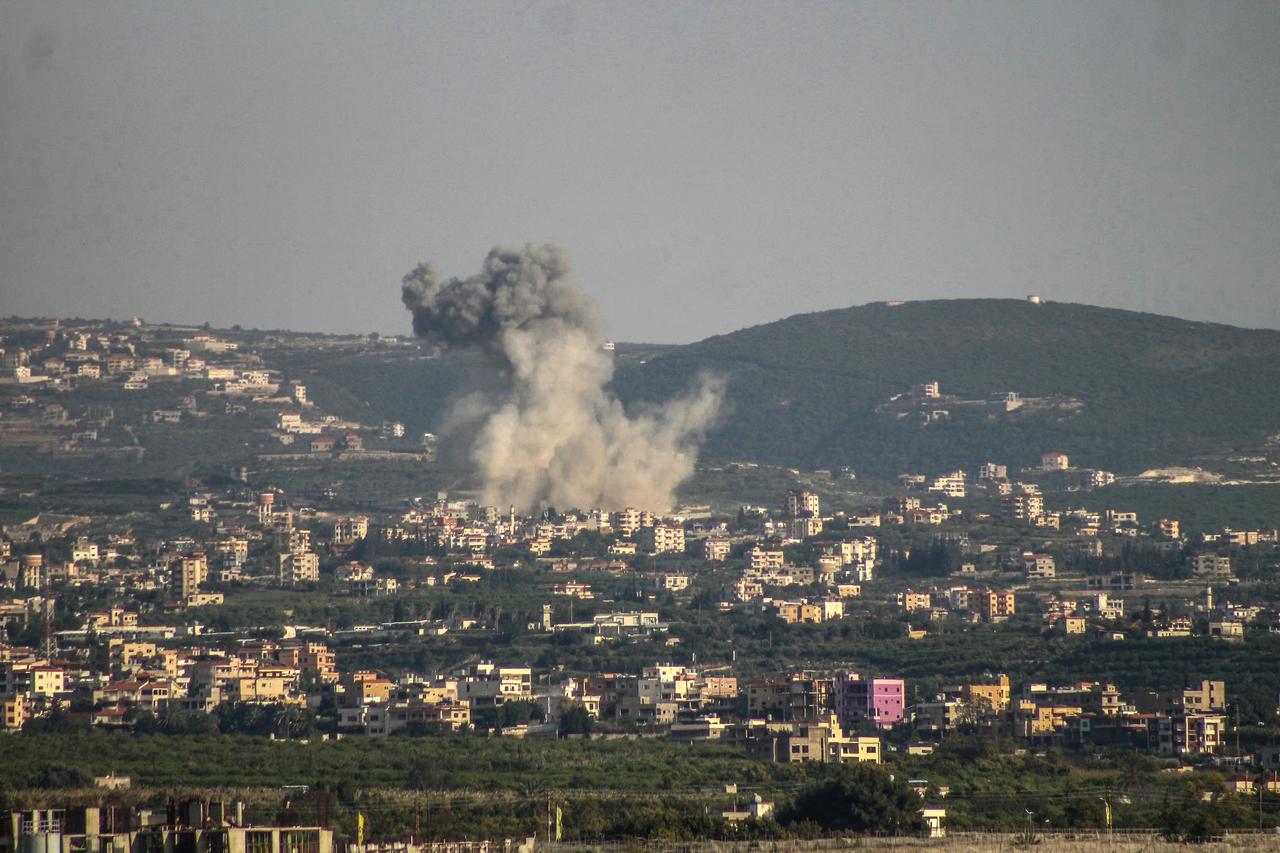
Israeli media outlet Haaretz reported that the ceasefire was largely driven by pressure from Washington, with Trump playing a decisive role in pushing Netanyahu to accept the deal.
According to the report, Netanyahu faced difficulty convincing the Israeli public that the campaign in Lebanon had met its objectives, particularly in a context where Hezbollah has not been disarmed and Iran’s regional posture remains largely intact.
The report also suggested that Netanyahu presented the ceasefire to his security cabinet as a strategic concession aimed at preserving alignment with the United States, especially on the Iran file, which remains Israel’s primary concern.
Members of Israel’s security cabinet were reportedly informed of the ceasefire only after Trump publicly announced it, while Israeli citizens also learned of the agreement through his statement rather than a domestic briefing.


 Set as preferred source
 Set as preferred source


 1 min read

 1 min read