Newsletters


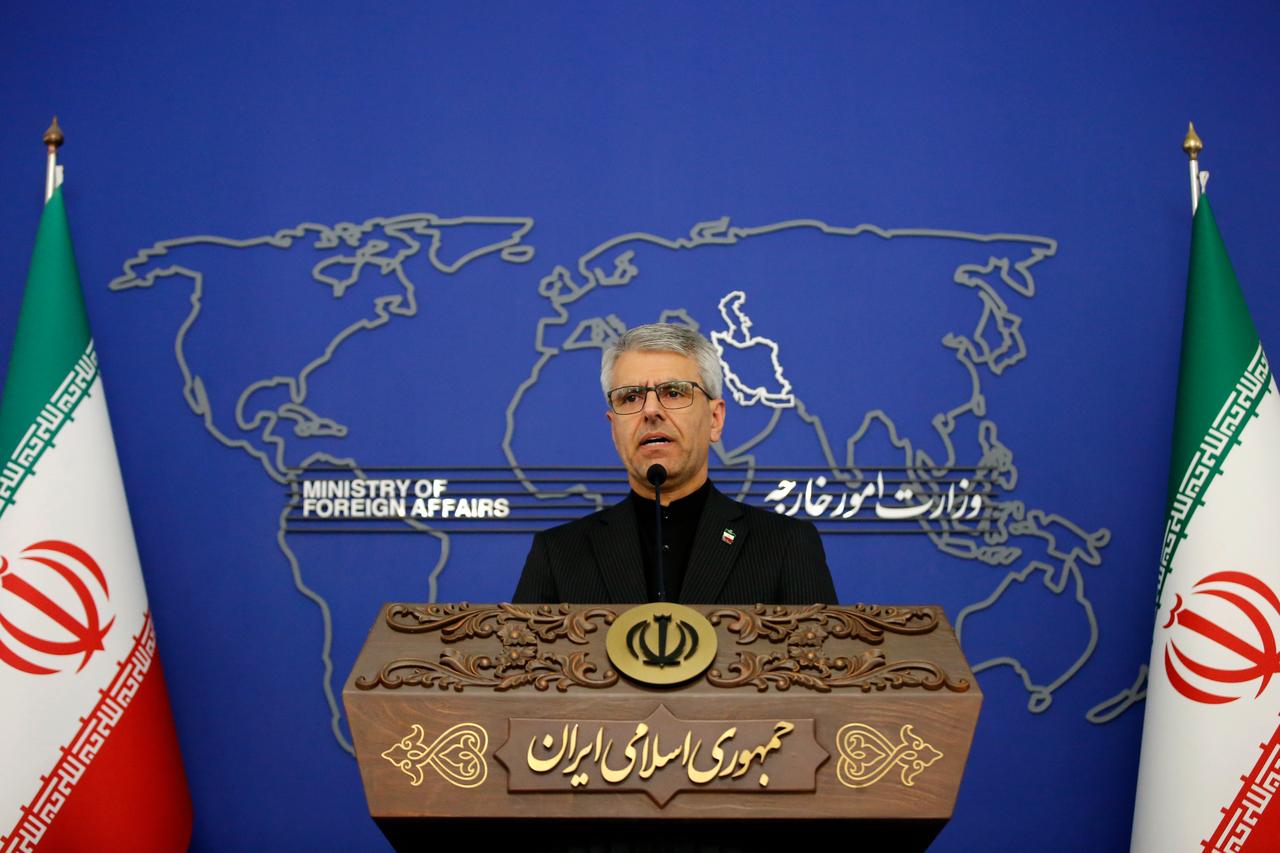


Iran's Foreign Ministry spokesperson Esmail Baghaei defended Tehran's rejected peace proposal at a weekly press briefing on Monday, saying Iran's demands were "reasonable, responsible and generous, not only for Iran's national interests but for the good and stability of the entire region and the world."
He accused the United States of consistently breaking its word in every diplomatic process over the past 20 years.
"We did not demand any concessions. The only thing we demanded was Iran's legitimate rights," Baghaei said.
He listed the demands as:
He pushed back directly on Trump's characterization: "Is our demand for safe passage through the Strait of Hormuz an excessive demand? Is establishing security and peace across the entire region, especially Lebanon, an irresponsible demand?"
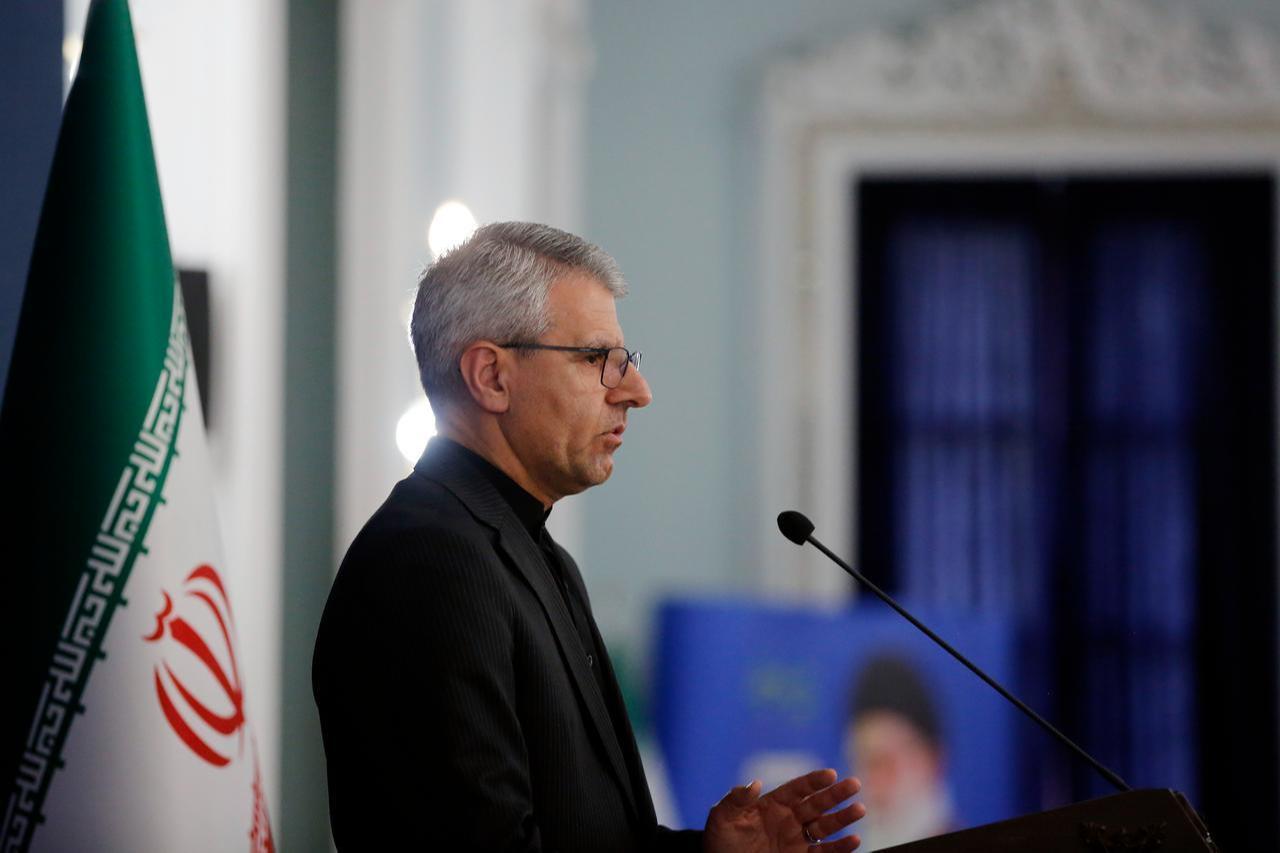

Baghaei rejected U.S. characterizations of Iran as the "bully of the Middle East," turning the framing back on Washington: "Iran has proven that it is a responsible power in the region, and at the same time, we are not bullies; we are anti-bully. Just look at our record."
"Was it us who marched an army against America? Was it us who killed 170 innocent people in a single day, thousands of miles away? Is it us who bully Cuba, Venezuela and other countries in the Western Hemisphere? Was it us who, in the mid of a diplomatic process, twice committed such great crimes, attacking a country, destroying its infrastructure, assassinating its leaders and its citizens?" he added.
He said these accusations "do not change the reality that America has placed itself in the position of the greatest threat to international peace and security."
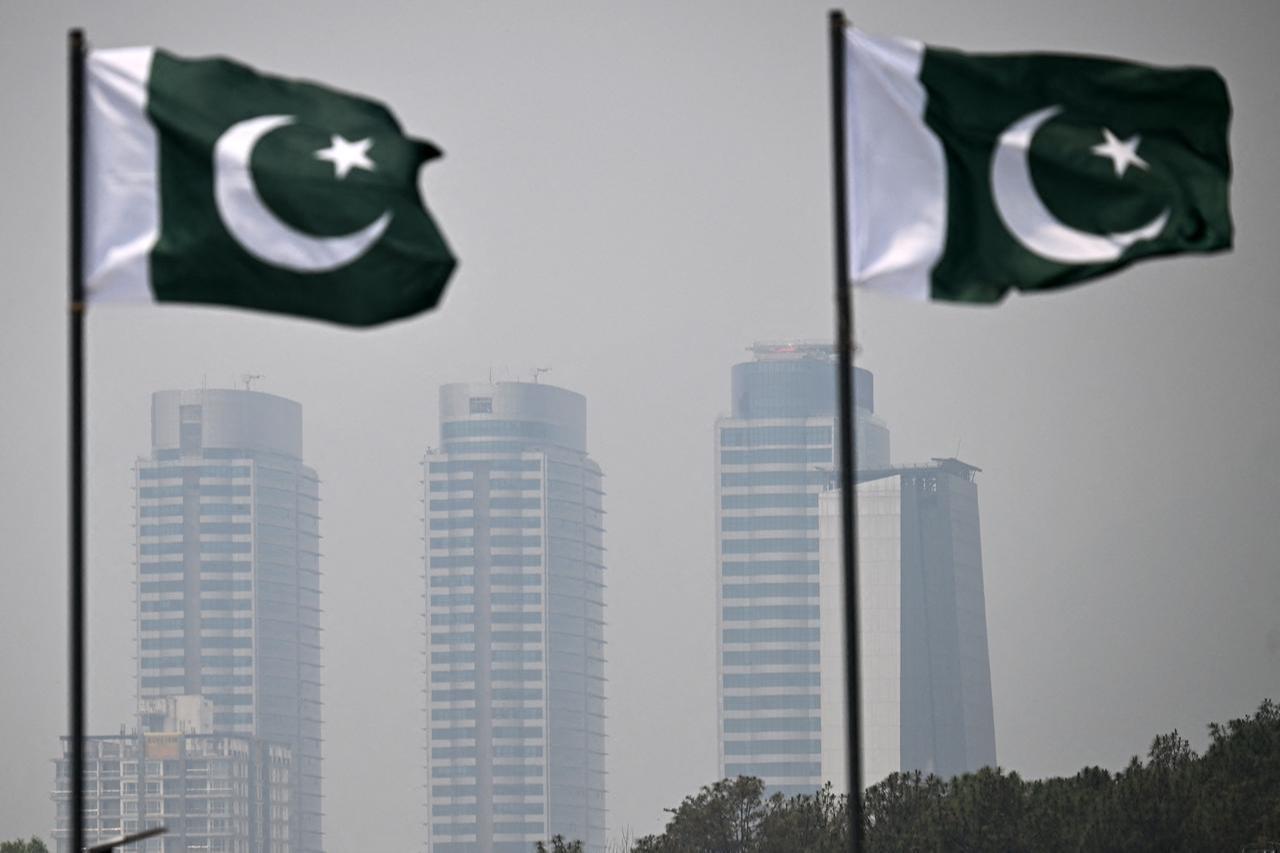
On the diplomatic track, Baghaei confirmed Pakistan remains the sole official mediator.
"Many countries are reaching out. All regional countries have genuine concerns about escalating tensions. But the official mediating party remains Pakistan. The Qatari side also has ideas, which it shares when necessary," he said.
He added that he expected Pakistan to "conduct its work professionally and will not allow its professional actions to be influenced by third-party actors", a reference to reports of UAE pressure on Islamabad.
On the UAE's conduct toward Iranian citizens, Baghaei said Iranian consular officials in Dubai had been instructed to pursue the matter continuously and that Tehran held the UAE's actions to be in violation of human rights standards.
Baghaei warned European countries, explicitly mentioning France and the UK, not to allow themselves to be drawn into the conflict.
"We have clearly conveyed to European countries that they should not allow American or Zionist temptations regarding regional issues to pull them, against their will, into a crisis that will certainly bring them no benefit," he noted.
He said any intervention in the Strait of Hormuz would only "complicate matters" and insisted that regional security must be provided by regional actors.
"The Strait of Hormuz was open before February 28. The problem stems from the aggressive actions of America and the Zionist regime," he said, using the Iranian government's term for Israel.
On Macron's statement that France's proposed mission would be "coordinated with Iran," Baghaei did not confirm any coordination.
Baghaei said China was a strategic partner fully aware of Iran's position, noting that regional security in West Asia, the Persian Gulf and the Sea of Oman "is as important for China as it is for us."
He said China understood the war against Iran was "not just a temporary issue but part of a global trend toward U.S. unilateralism that has damaged international norms."
On Venezuela's transfer of approximately 13.5 kilograms of enriched uranium to the United States, Baghaei said the material related to an inactive Venezuelan research reactor shut down since 1997 and that the transfer was "a decision by an independent government, which we respect."
On Iraq's sanctioned deputy oil minister, Baghaei defended Baghdad's sovereignty and said any decision made by Iraq's people and government "will be respected by us as the Islamic Republic of Iran."
Baghaei confirmed that Iran's proposal focused on immediate priorities rather than a comprehensive settlement.
"What is urgent is ending the war in all its forms, including Lebanon, and ensuring safety and security of navigation in the Persian Gulf and the Strait of Hormuz," he said.
"At the same time, stopping U.S. illegal actions and maritime piracy against commercial ships is also on the agenda. It is very reasonable and responsible to focus on priorities in the situation we now face, not to discuss issues that history shows have led to war at least twice," he added.
On the U.S.'s 20-year diplomatic record, Baghaei said: "America in every diplomatic process it has participated in over the past 20 years has broken its word, including its withdrawal from the JCPOA in 2018 and, in the past year, its attack on the diplomatic table itself."


 Set as preferred source
 Set as preferred source


 2 min read
 1 min read