Newsletters


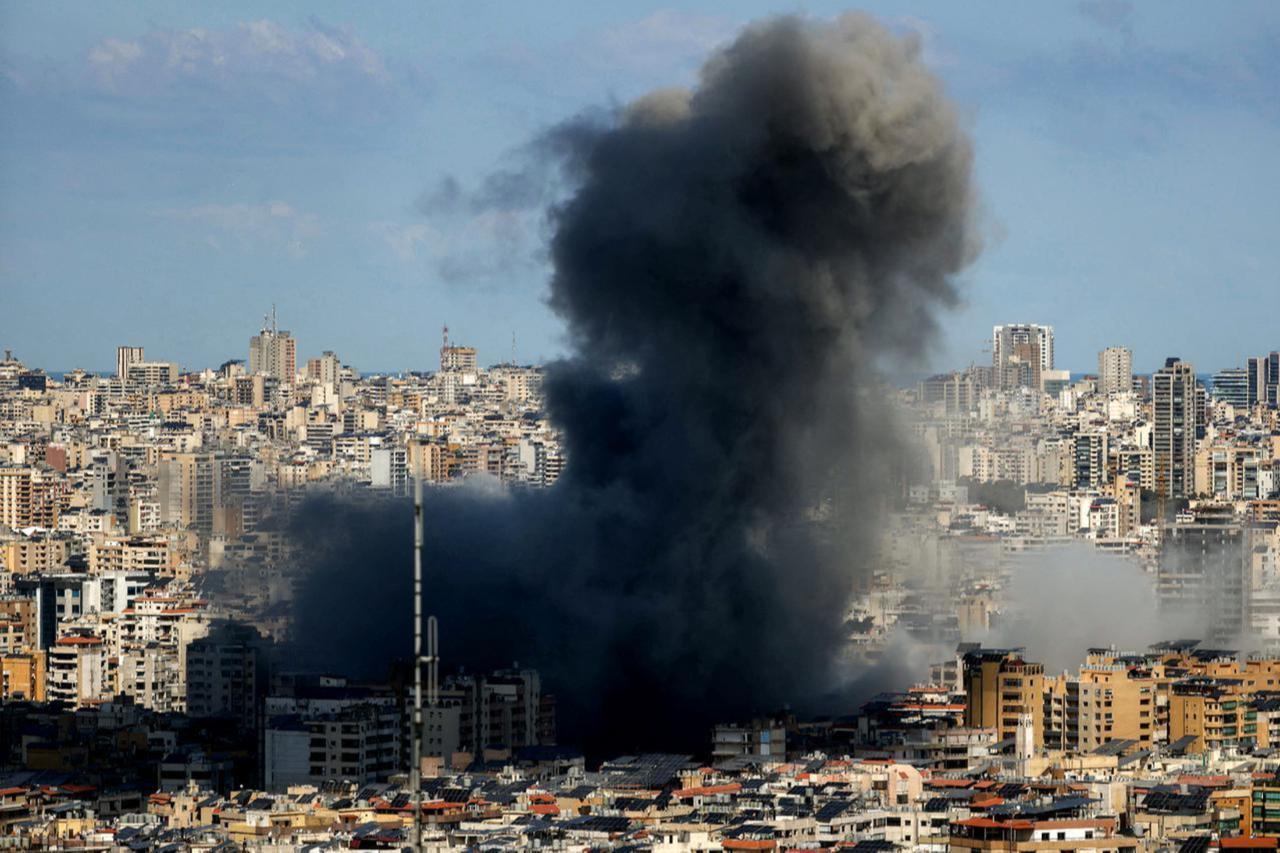


Since Feb. 28, the world has focused on the U.S.–Israeli war on Iran. As the conflict enters its third week, the war has spread across the region, reaching Gulf capitals and bringing the Strait of Hormuz into the center of the conflict.
In Lebanon, however, a different reality is taking shape after the country was drawn into the war on March 2, when Hezbollah attacked Israel in response to the killing of Iran’s Supreme Leader Ali Khamenei in U.S.-Israeli strikes in Iran.
Since then, Israeli operations have expanded from southern Lebanon into Beirut’s suburbs and other densely populated areas, killing more than a thousand people, wounding thousands and displacing over 1 million, including approximately 200,000 children. Meanwhile, Hezbollah’s refusal to disarm and the Lebanese state’s inability to assert control are locking the country into a conflict it cannot exit independently.
Peace in Lebanon is rarely durable and is instead a temporary pause between wars, because the core drivers of conflict remain unresolved: Israel’s expanding military presence, Hezbollah’s armed autonomy outside state control, and a diplomatic process that lacks enforcement power.
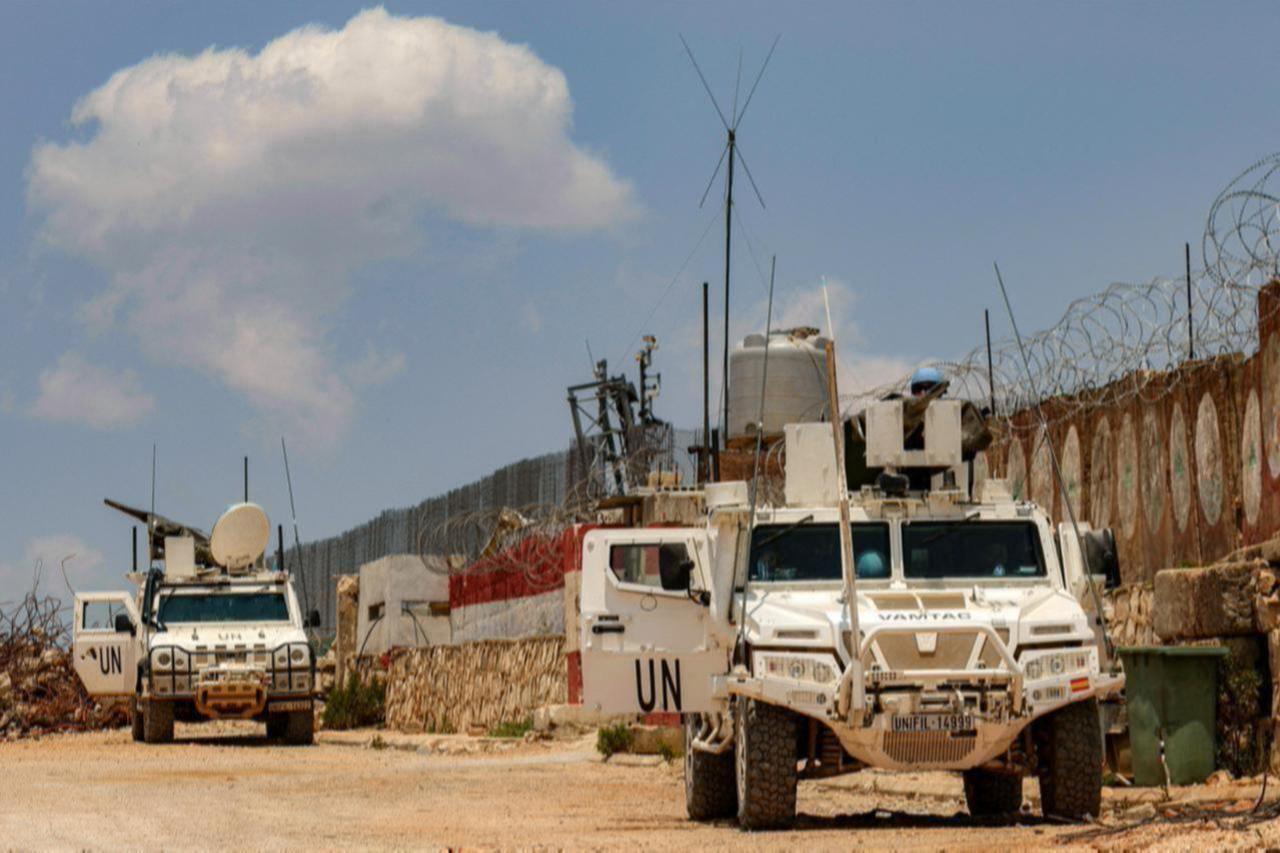

Israel has long justified its military operations in Lebanon as part of a campaign aimed at dismantling Hezbollah’s infrastructure and preventing attacks across its northern border. In return, the Iranian-backed group has consistently framed the confrontation as part of a broader regional struggle and describes it as an existential battle against Israel and the United States.
Israel’s violations of Lebanese sovereignty are not new. They consist of repeated breaches of the 2024 ceasefire and regular airstrikes across southern Lebanon under the pretext of dismantling Hezbollah. In line with this, Israeli forces have occupied five positions inside southern Lebanon for more than two years. These positions overlook key towns along the border, giving Israel direct control over parts of southern Lebanon. Israel was expected to withdraw from these positions, but the opposite has happened on the ground.
At the center of Israel’s approach lies a key demand: the disarmament of Hezbollah. But this demand rests on a structural reality that does not exist. The Lebanese state does not have the capacity to enforce it. Its armed forces remain significantly weaker than Hezbollah’s military structure and lack both the political backing and the military strength to confront it.
Beirut has long struggled to bring Hezbollah’s weapons under state authority. Lebanese leaders have repeatedly insisted that decisions of war and peace must rest with the state alone, but these statements have done little to change realities on the ground.
This is what locks the situation in place.
With the current war, this deadlock is not only continuing but deepening, moving beyond the previous pattern of cross-border strikes.
Israeli Defence Minister Israel Katz made the implications of this change clear on Monday, saying that displaced Lebanese civilians will not be allowed to return to their homes south of the Litani River until northern Israel is fully secured.
This objective sends a clear message. It is no longer just about responding to Hezbollah rockets. Yet, it aims to establish lasting Israeli control inside Lebanese territory and extend that control beyond immediate military objectives.
This resembles a pattern that has historically preceded longer-term military entrenchment and occupation. Sustained troop presence, the expansion of control points, mass displacement of civilians and the conditional denial of their return all point in the same direction. This is how military control turns into something more permanent.
Since the fighting began, Israel has issued evacuation orders across Lebanon on a near-daily basis, now covering close to 14% of the country’s territory.
If this approach is sustained and proves successful, it would create conditions in which large parts of the displaced population can no longer return to their homes, while Israeli military control deep inside Lebanese territory gradually becomes normalized.
A similar reality has already been visible in Gaza, where large-scale displacement, restricted return and the reshaping of space through expanding military lines have become defining features of Israeli military operations. But Lebanon is not Gaza. It is a sovereign state.
Extending this model into Lebanese territory carries fundamentally different legal and political implications. This is where the role of the international community becomes critical. Yet so far, the response has remained limited to statements and calls for restraint. None of the actors involved has been willing or able to stop Israel’s operations on the ground.
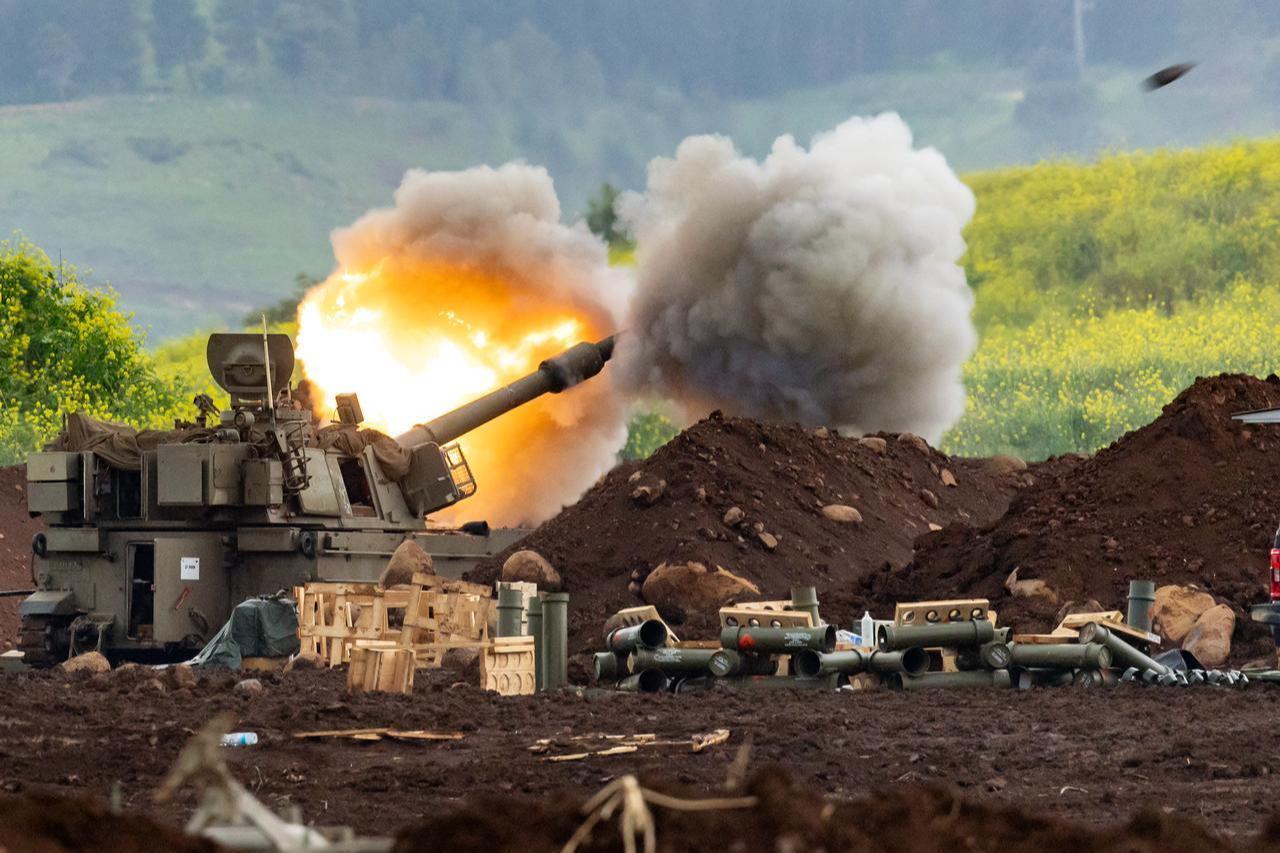
The gap between diplomatic language and realities on the ground has become increasingly clear. As the war expands, international responses have remained slow, fragmented and largely reactive.
In the first week, European leaders warned Israel against escalation. EU foreign policy chief Kaja Kallas described Israel’s response as “heavy-handed” and called for an immediate halt to operations. This was followed by U.N. Secretary-General Antonio Guterres’s visit to Beirut the following week, where he insisted that “there is no military solution” and called for diplomacy and dialogue.
However, these statements have not translated into any change on the ground. Israeli airstrikes continue, ground operations expand and displacement rises, while Hezbollah continues launching rockets toward Israel across the border. None of these actors has been willing or able to stop Israel’s operations or restrain Hezbollah’s attacks.
France has since signalled its willingness to host negotiations, and for the first time, Lebanon has moved to form a delegation for direct talks with Israel. On paper, this suggests a diplomatic opening.
In reality, there is little to indicate that these efforts will translate into change on the ground.
This gap is not accidental. It reflects the absence of any mechanism that can translate diplomatic positions into enforceable outcomes. Diplomatic engagement continues, but it remains disconnected from the realities shaping the conflict.
The United States remains the only actor with real leverage over Israel. Yet Washington has shown little urgency in using that leverage to restrain Israel. Also, there is no comparable international mechanism capable of pressuring Hezbollah to halt its military activities. The Lebanese state has also repeatedly sought to limit Hezbollah’s military role and push for its disarmament, but it lacks the capacity, authority and political leverage to enforce such outcomes.
Past experience suggests that even if the current war stops, the underlying conditions will remain unchanged. Without a solid framework that can address both Israel’s continued military operations and Hezbollah’s armed presence, ceasefires will remain pauses rather than lasting solutions.
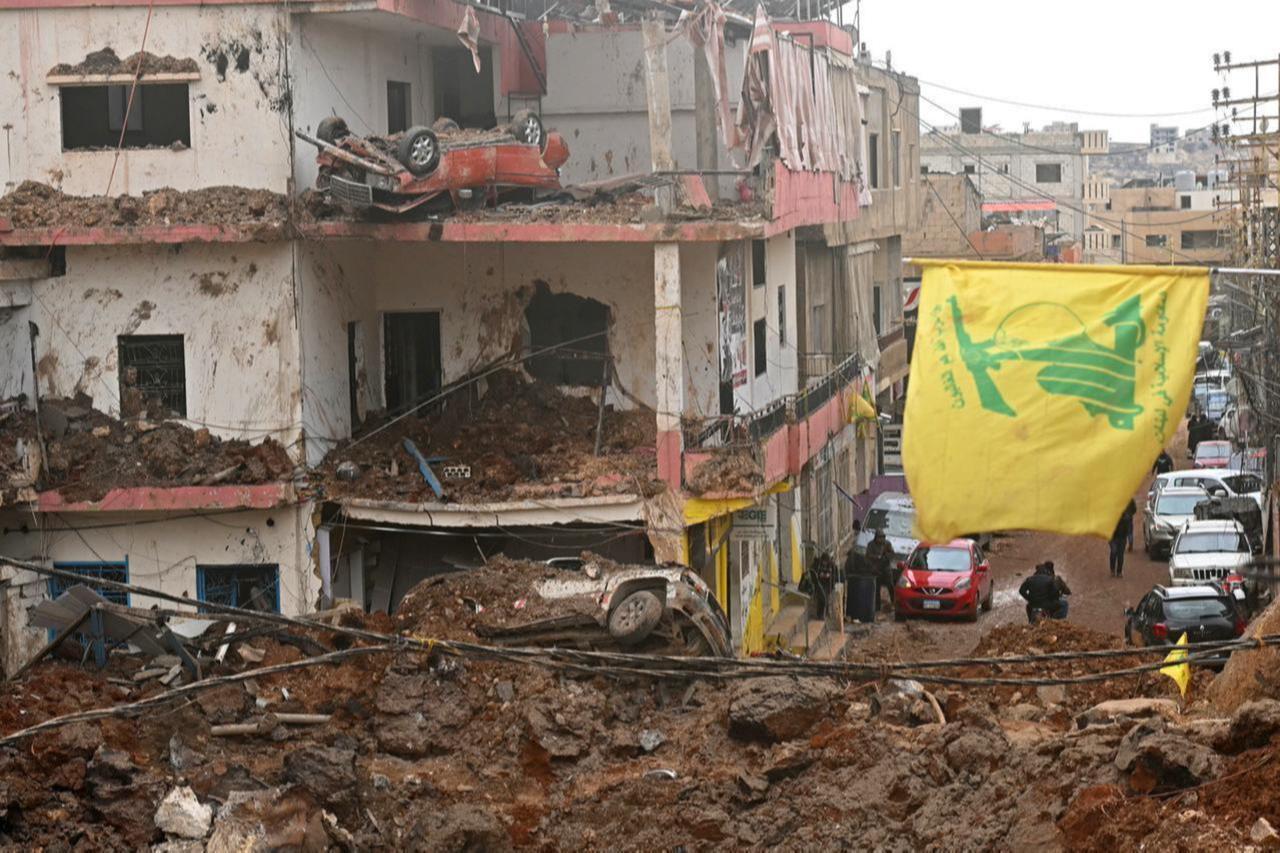
The Lebanese government has repeatedly failed to respond to the crisis. Years of political paralysis, economic collapse, and institutional erosion have left the state too weak to perform even its most basic responsibilities, forcing civilians to bear the costs of war and further binding the country to a conflict it cannot end on its own.
Therefore, peace in Lebanon will remain temporary as long as the root causes of war persist. Israel continues to impose military facts on the ground, Hezbollah retains an independent armed capacity, and the Lebanese state lacks the authority and strength to exercise sole control over decisions of war and peace.
Meanwhile, international diplomacy condemns escalation but fails to enforce constraints on either side. Under these conditions, each ceasefire functions less as a resolution than as an interval before the next round of violence.
Lasting peace requires more than de-escalation: it requires enforceable guarantees of sovereignty, civilian return, border security and a credible political pathway to bring all weapons under state authority.


 Set as preferred source
 Set as preferred source



 4 min read