Newsletters


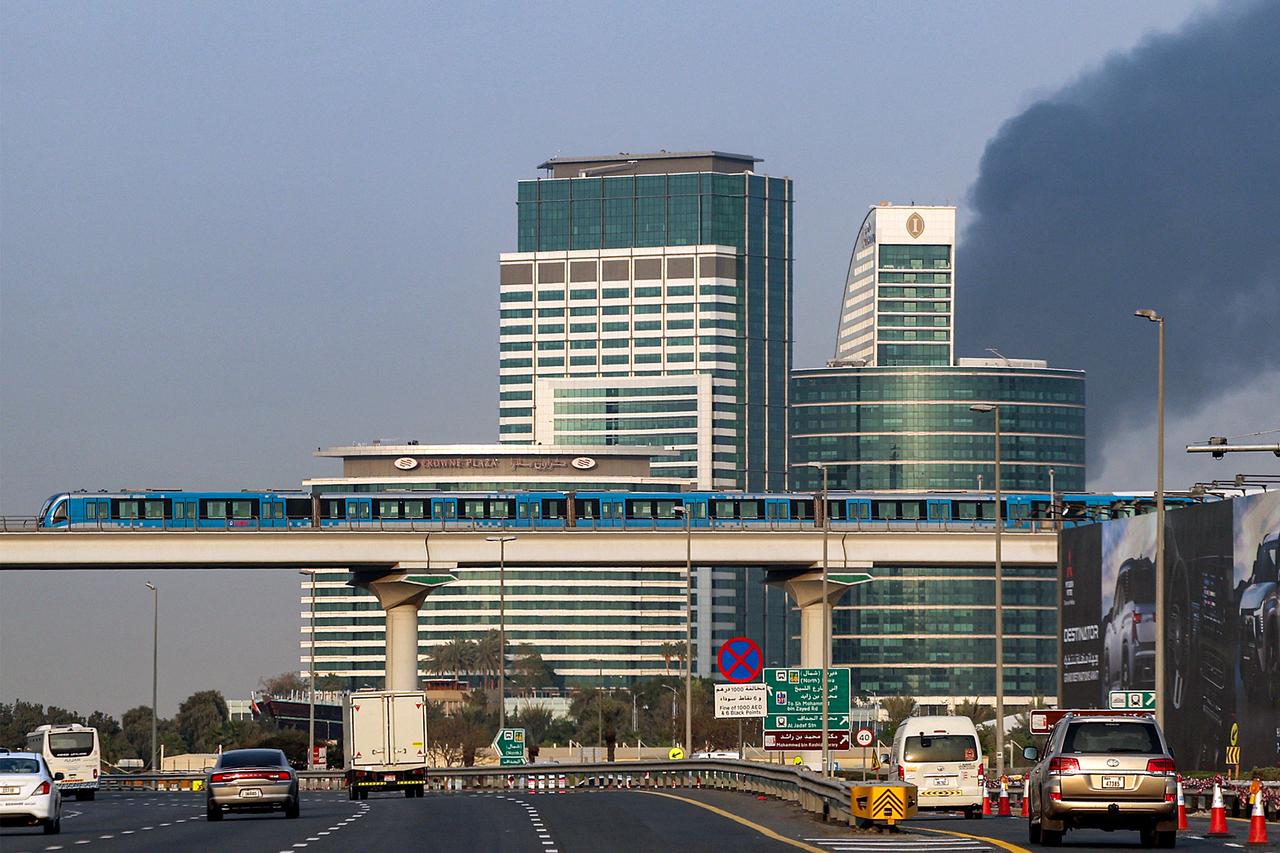


The United Arab Emirates (UAE) announced Friday that it has dismantled a "terrorist network" funded and operated by Lebanon's Hezbollah and Iran that had been operating inside the country under fictitious commercial cover.
Lebanon condemned the alleged plot, and Abu Dhabi police arrested 109 people for filming and spreading misinformation during the war.
The UAE's State Security Apparatus said the alleged network had sought to "infiltrate the national economy and carry out external schemes threatening the country's financial stability" as part of a "pre-established strategic plan" with Hezbollah and Iran to "launder money, finance terrorism and threaten national security."
Members of the network were arrested, the state news agency WAM reported. Authorities did not identify the suspects.
The State Security Apparatus said the network had been operating under fake business fronts and was engaged in coordination with external actors.
"Any attempt to exploit the national economy or civil institutions for terrorist or subversive purposes will be met with firmness and force," state security said.
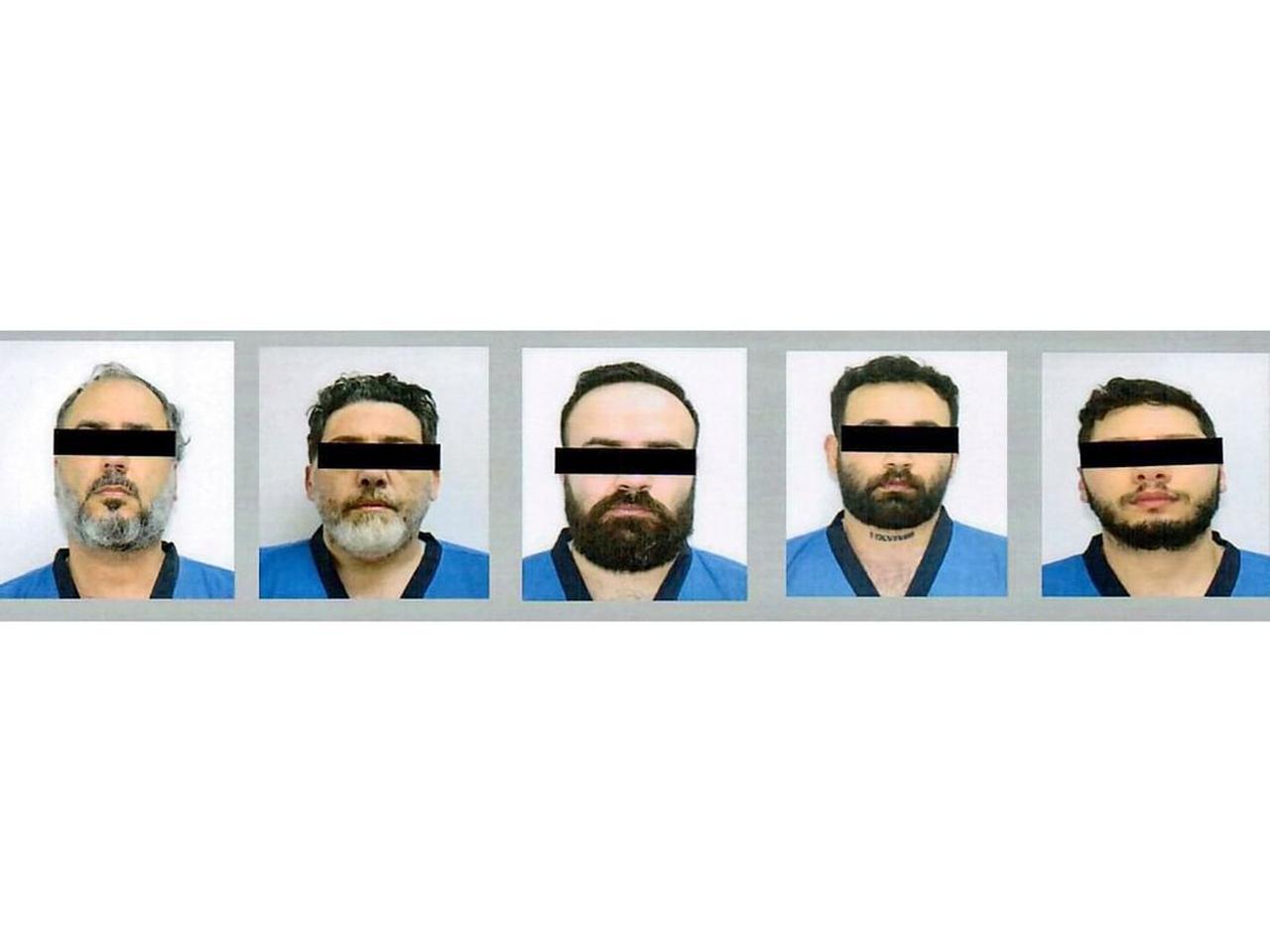

The UAE announcement came a day after Kuwait said it had foiled a terrorist plot by "sleeper cells" made up of 10 nationals affiliated with Hezbollah, during which weapons, ammunition and drones were seized.
Hezbollah denied the Kuwaiti allegations in a statement, calling them baseless and reiterating that it has no presence or operational networks in Kuwait.
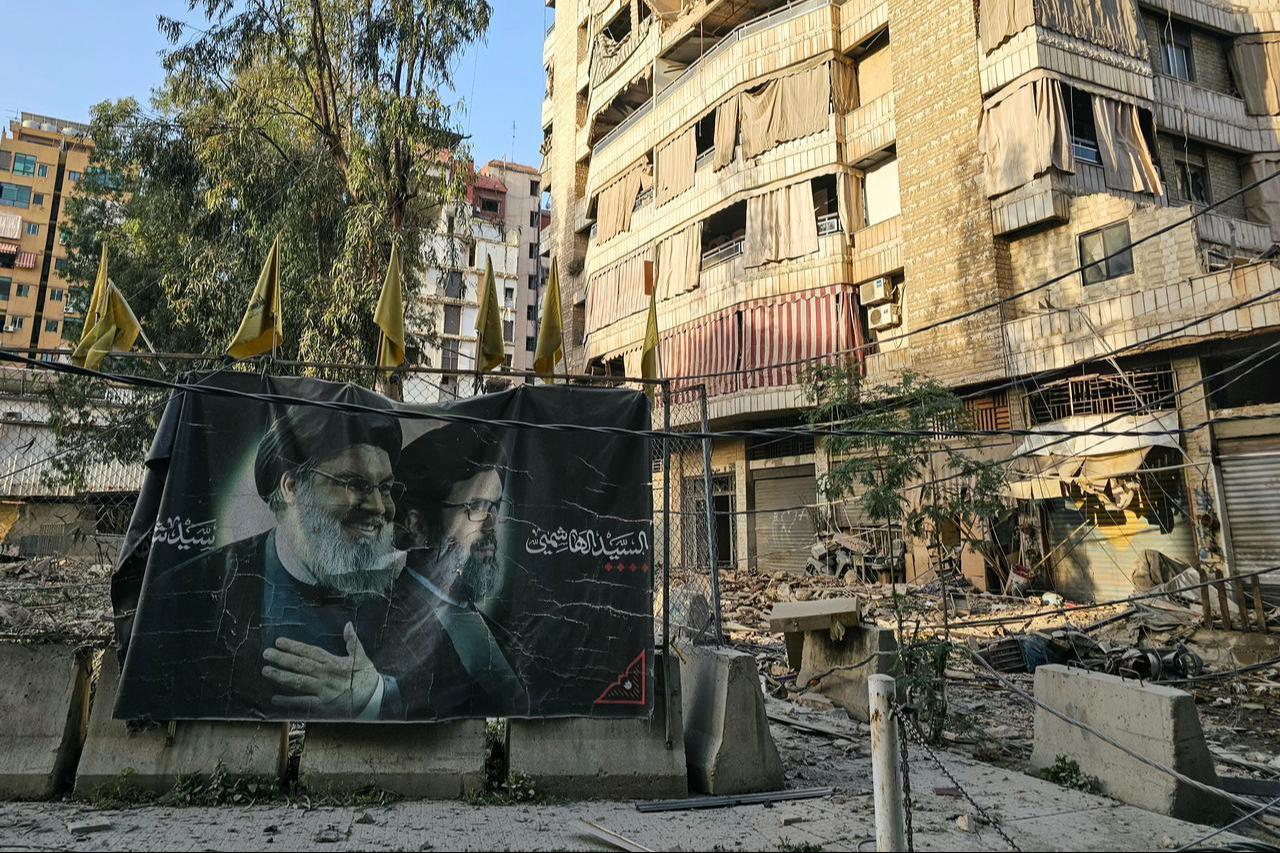
Lebanon's Foreign Ministry strongly condemned what it described as a "terrorist plot" against the UAE and denounced Hezbollah's alleged involvement.
"Lebanon condemns the involvement of Hezbollah in the plot, recalling the Lebanese government's decision on March 2, 2026, to ban Hezbollah's military and security activities," the ministry said on X.
Lebanon expressed full solidarity with the UAE and said it is ready to cooperate in investigations to bring the perpetrators to justice.
Abu Dhabi police announced Friday that 109 individuals of various nationalities were arrested for filming sites and incidents and circulating incorrect information on social media during the current conflict. "Such actions are liable to incite public opinion and spread rumors among members of the community," Abu Dhabi police said in a statement on X.
The UAE attorney-general has ordered the arrests of 35 people so far for publishing misinformation, filming or publishing footage of incidents related to the war, or glorifying "a hostile state and its political and military leadership."
Similar measures have been taken across the Gulf. In Qatar, authorities have arrested more than 300 people for sharing images and what they described as "misleading information" during the war.
Bahrain and Kuwait have also taken similar measures.
The development came amid retaliatory strikes by Iran against Gulf countries, as joint U.S. and Israeli strikes, reported to have killed around 1,300 people so far, continued.
Emirati officials say hundreds of strikes have been directed at the UAE, hitting sites including oil facilities, ports and areas near major urban centers.


 Set as preferred source
 Set as preferred source


 2 min read