Newsletters


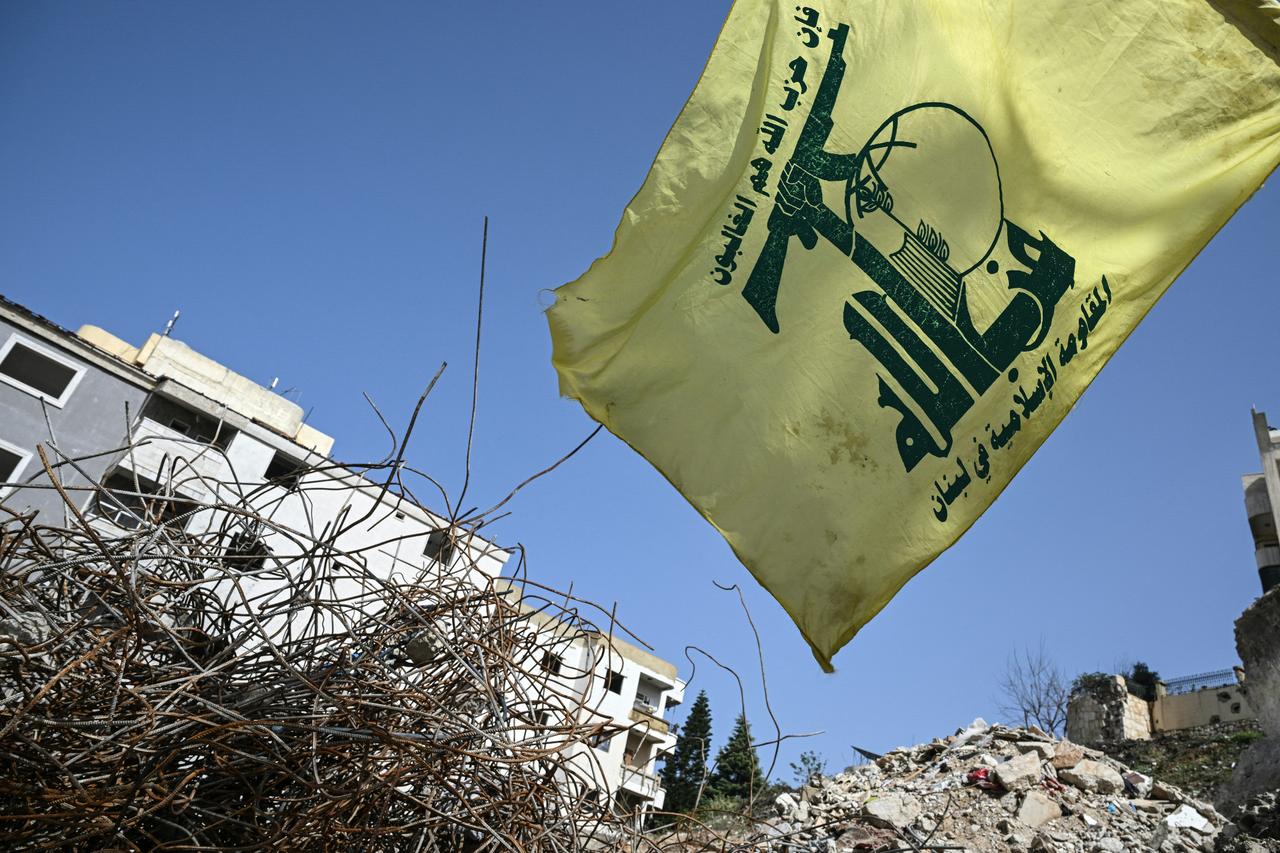


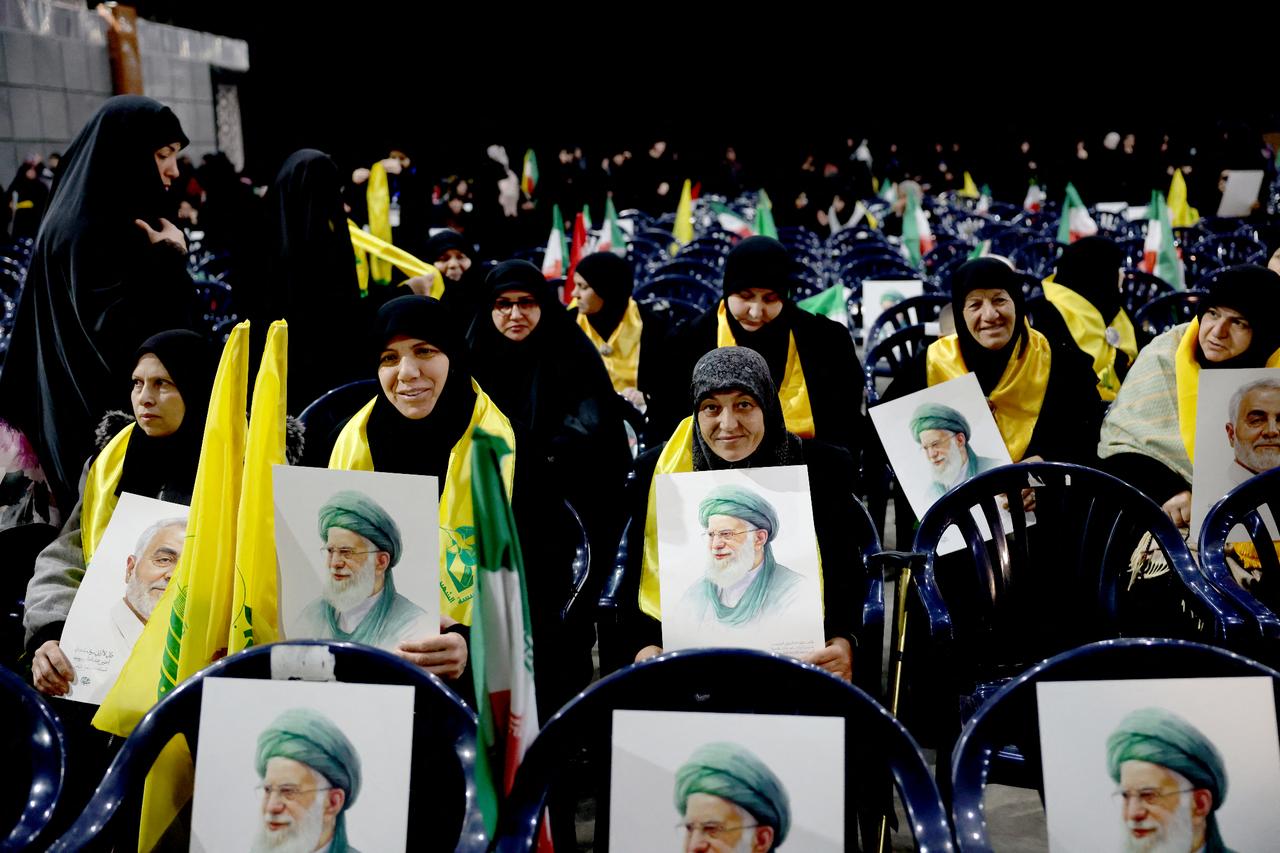
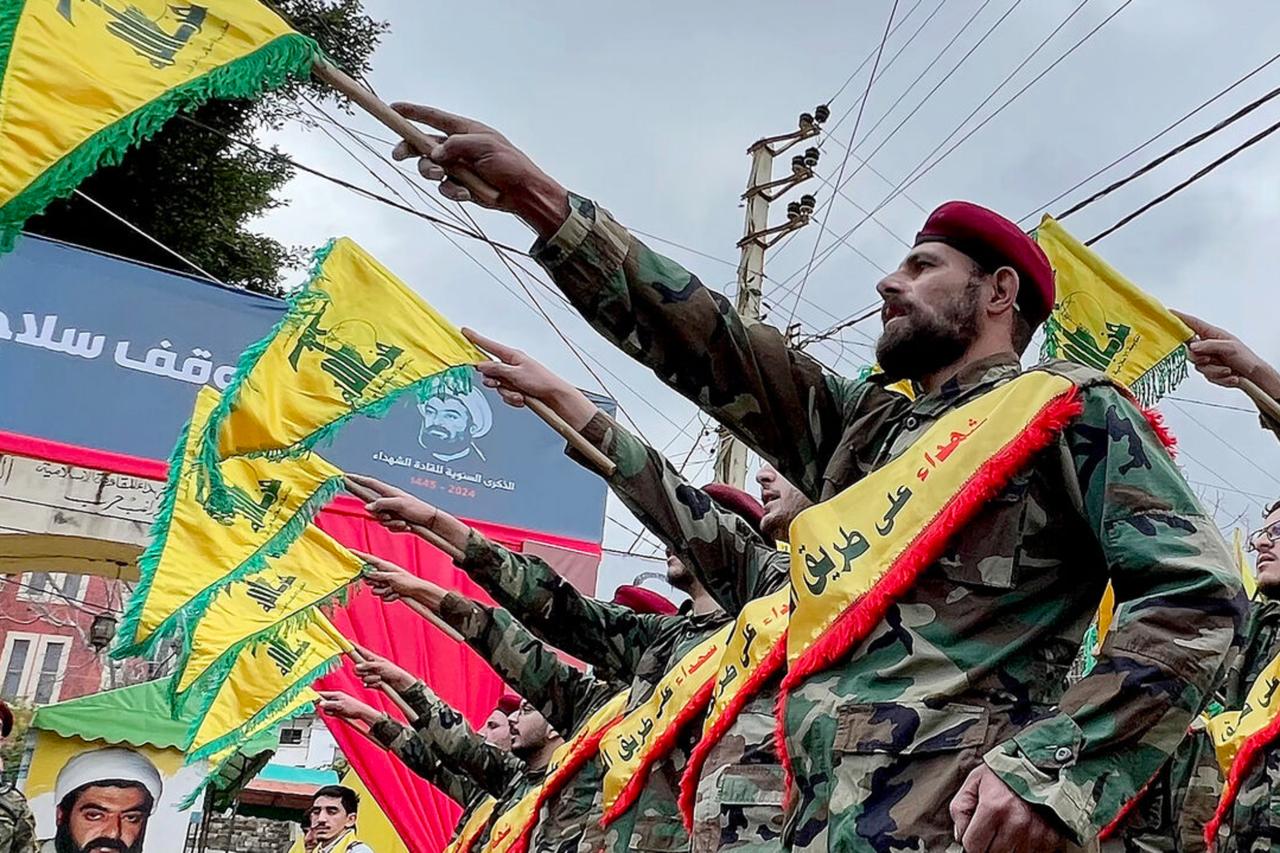
Hezbollah rejected the Lebanese government's decision to grant the army four months to advance the second phase of a nationwide disarmament plan, with the group's leader calling the initiative a "grave sin" that serves Israeli interests.
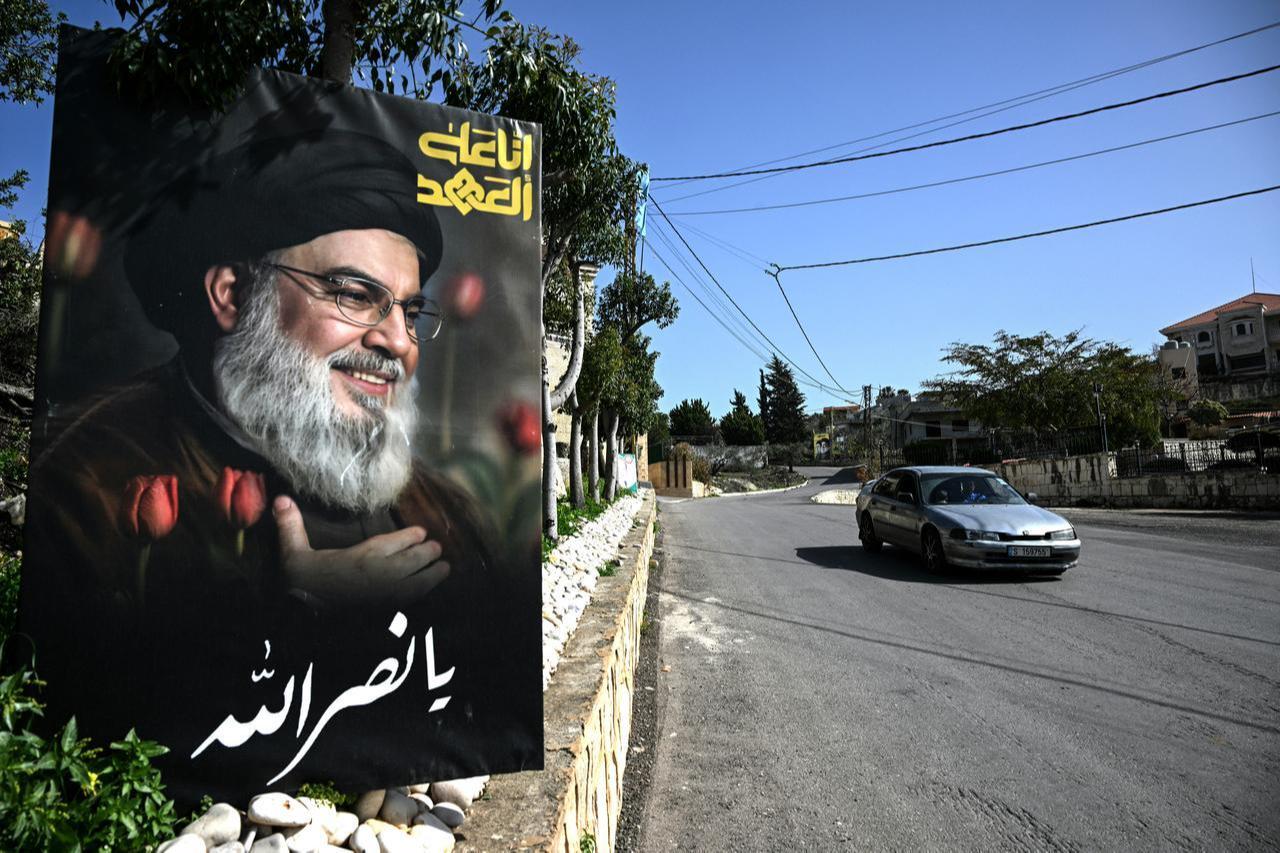
"What the Lebanese government is doing by focusing on disarmament is a grave sin, because this issue serves the goals of Israeli aggression," Hezbollah Secretary-General Sheikh Naim Qassem said in a speech Monday, Feb 16.
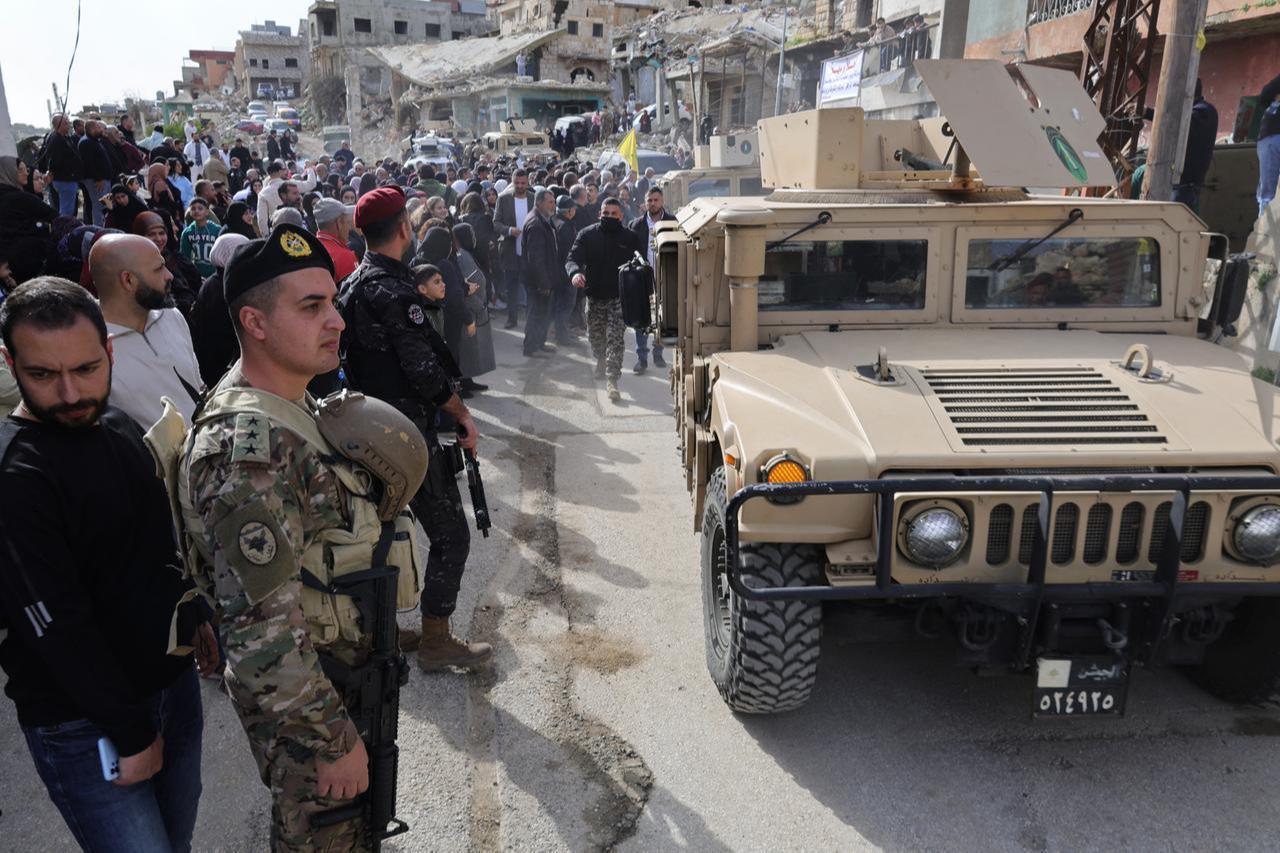
The rejection came as Lebanon's cabinet tasked the military with implementing arms control measures in areas north of the Litani River up to the Awali River near Sidon, approximately 40 kilometers south of Beirut.
Information Minister Paul Morcos announced the timeline following a cabinet session on late Monday.
"The required time frame is four months, renewable depending on available capabilities, Israeli attacks and field obstacles," Morcos told reporters.
Shi'ite ministers walked out of the cabinet session in protest. Hezbollah lawmaker Hassan Fadlallah signaled the group's rejection of both the timeline and the broader approach, saying "we cannot be lenient."

Hezbollah has dismissed the disarmament effort as a US-Israeli plan and rejected calls to surrender weapons north of the Litani River, arguing the ceasefire agreement applies "exclusively south" of the waterway.
The Iran-backed militia has maintained it will not lay down its weapons while Israel continues to conduct near-daily attacks on Lebanon.
Lebanon's cabinet first tasked the army in August 2025 with drawing up a plan to bring all armed groups' weapons under state control, primarily aimed at disarming Hezbollah following its devastating war with Israel in 2024.
The cabinet formally welcomed the army's disarmament plan in September 2025, though it set no clear timeframe and cautioned that limited military capabilities and ongoing Israeli strikes could hinder progress.
Lebanese Prime Minister Nawaf Salam said his government is pressing ahead with disarmament efforts despite Hezbollah's resistance.
"We are not seeking confrontation with Hezbollah, but we are not going to be intimidated by anyone," Salam told Bloomberg at the Munich Security Conference (MSC).
Salam said he would be briefed on Monday, Feb. 16, on the next phase of the Lebanese army's plan to demilitarize the country's south, where Hezbollah held sway for decades until Israel killed many of the group's leaders in late 2024.
The premier indicated Lebanon is open to expanding its role in the U.S.-led task force monitoring the ceasefire between Israel and Hezbollah.
"More Lebanese civilian experts can be added to the committee when need be," Salam said, citing "lawyers, topographers" who might consult on border demarcations and other unresolved issues between Israel and Lebanon, which have no formal diplomatic relations.
Israel has said Hezbollah's disarmament is a security priority, arguing the group's weapons outside Lebanese state control pose a direct threat.
Israeli officials say any disarmament plan must be fully and effectively implemented, especially in areas close to the border, and that continued Hezbollah military activity constitutes a violation of relevant international resolutions.
Israel has said it will continue action to prevent the entrenchment or arming of hostile actors in Lebanon until cross-border threats are eliminated.
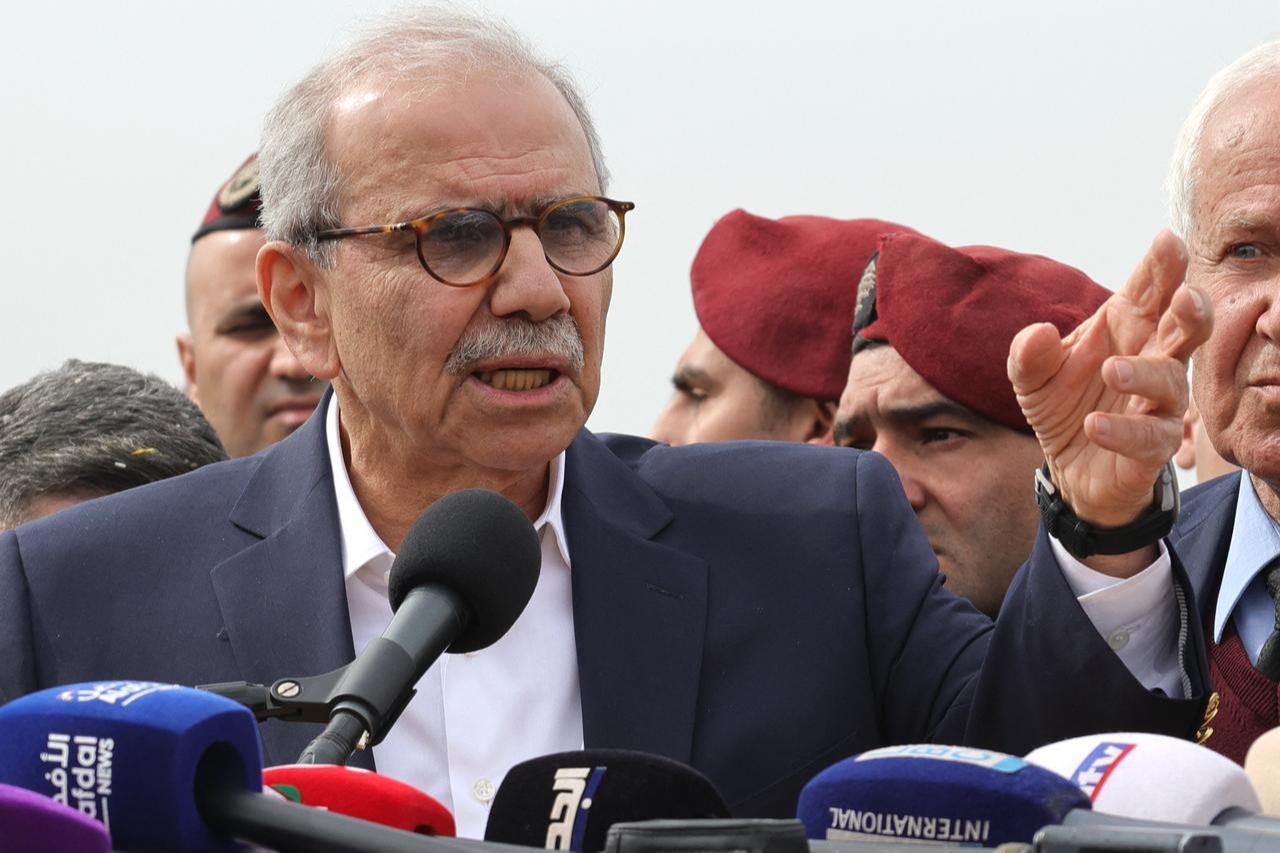
In December, Lebanon appointed Simon Karam, a former ambassador to the United States, to the ceasefire committee. Karam held talks with Uri Resnick, an Israeli National Security Council official, in the presence of American officials.
Salam drew a distinction between current discussions over security and borders and any move toward a permanent peace deal.
"We did it before — we did it when negotiating the limitations of the maritime boundaries," Salam said, referring to the U.S.-guaranteed agreement in 2022.
"We have no problem, it's not taboo," he added.


 Set as preferred source
 Set as preferred source


 1 min read
 1 min read