Newsletters


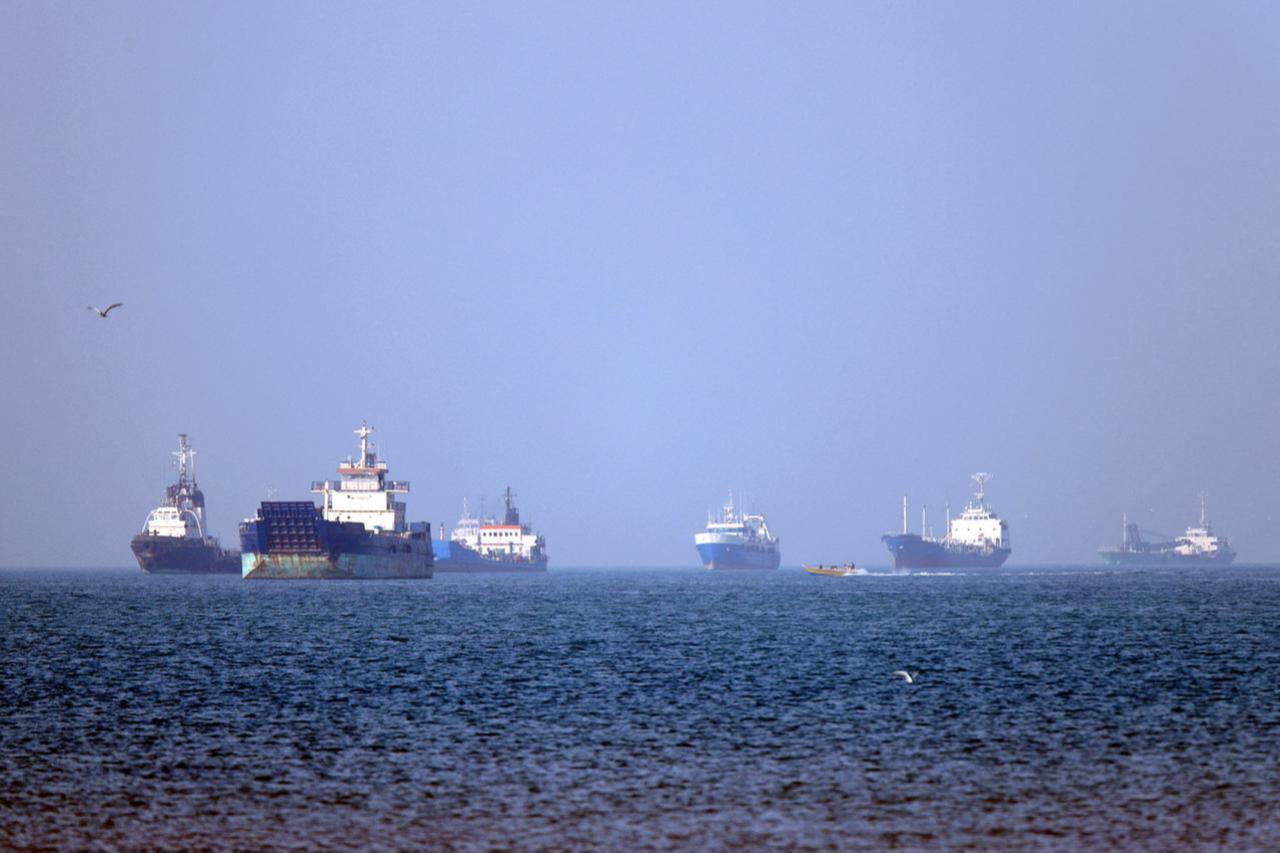


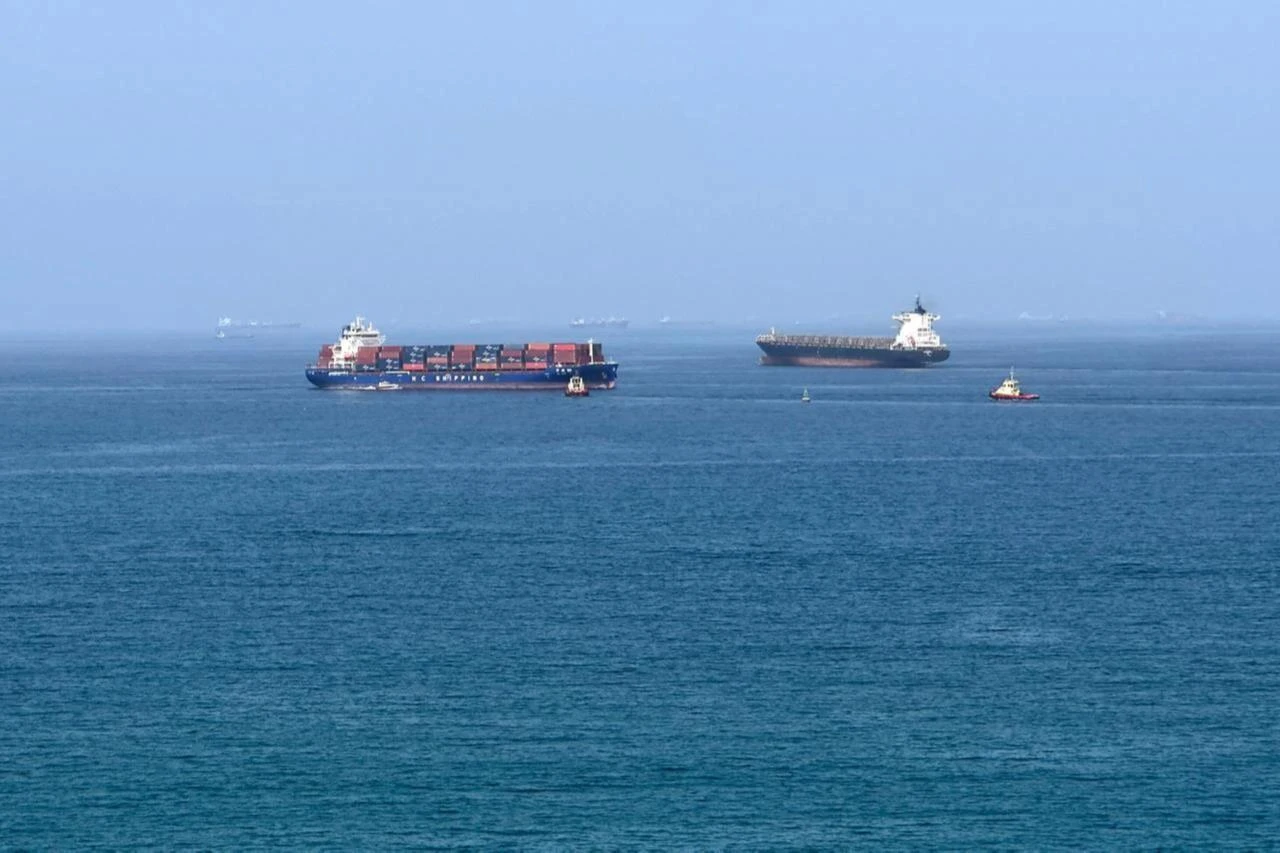
Iran’s military spokesperson said Wednesday that Tehran’s control over the Strait of Hormuz could generate “significant” economic revenue and strengthen the country’s international position.
Mohammad Akraminia made the remarks as Iran’s control over the key waterway remains one of the main issues in negotiations with the U.S., which have so far failed to produce a breakthrough.
Iran has largely blocked shipping through the strait since the outbreak of war with the U.S. and Israel on Feb. 28.
A fragile ceasefire has been in place since April 8, while the U.S. has imposed its own naval blockade on Iranian ports.
In peacetime, the Strait of Hormuz accounts for roughly one-fifth of global oil and liquefied natural gas shipments, along with other key commodities.
Iran’s grip over the waterway has rattled global markets and given Tehran significant leverage.
“Our oversight of the Strait of Hormuz will generate significant economic revenues for our country—potentially even doubling our oil income—and will strengthen our influence on the international stage,” Akraminia said, according to the ISNA news agency.
Akraminia said the western part of the strait is controlled by the naval forces of the Revolutionary Guards, while the eastern section is overseen by the Iranian navy.
On Wednesday, Ebrahim Azizi, head of the Iranian parliament’s national security commission, said his committee had finalized a plan to manage the waterway.
“The Islamic Republic of Iran intends to use this strategic position as a lever of power through strategic management of the Strait of Hormuz,” Azizi said, according to state television.
Last month, Iranian Deputy Parliament Speaker Hamidreza Hajibabaei said Tehran had received its first revenues from tolls imposed on vessels crossing the strait.


 Set as preferred source
 Set as preferred source


 1 min read
 1 min read