Newsletters


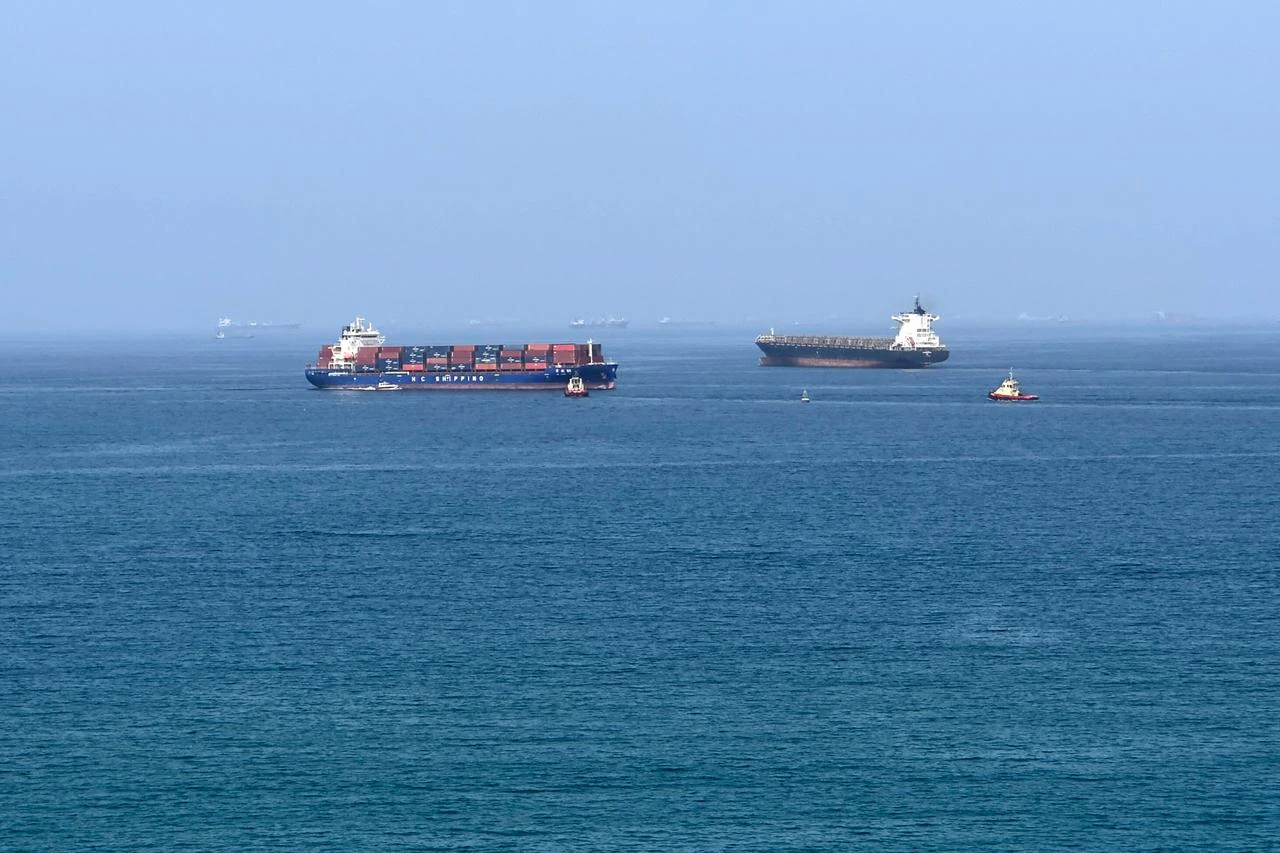


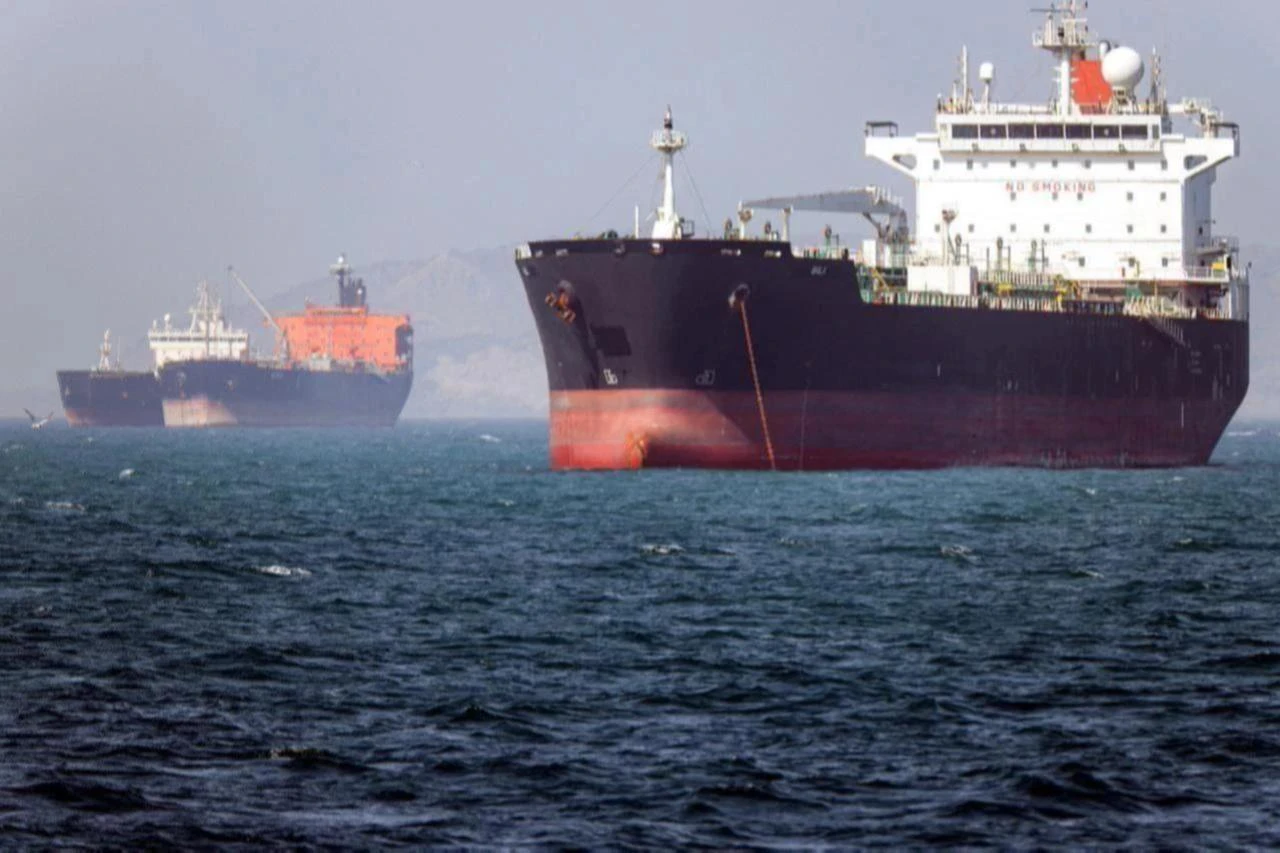
Iran and Oman have agreed on a route for ships transiting the Strait of Hormuz and are finalizing arrangements to jointly manage the strategic waterway, Tehran said Wednesday, even as fresh security incidents highlighted continued risks for regional shipping.
The agreement would be a step toward reopening the key energy route, but official sources briefing Iranian media stressed that any easing still depended on Washington ending its naval blockade of Iranian ports.
Iran has exercised de facto control of the waterway and threatened vessels transiting the routes it deems unauthorized since the United States and Israel launched their war against the country on Feb. 28.
U.S. President Donald Trump has repeatedly said Tehran is seeking a deal to reopen Hormuz, but Iran has denied this and said it would instead make arrangements with Oman, its neighbor across the strait.

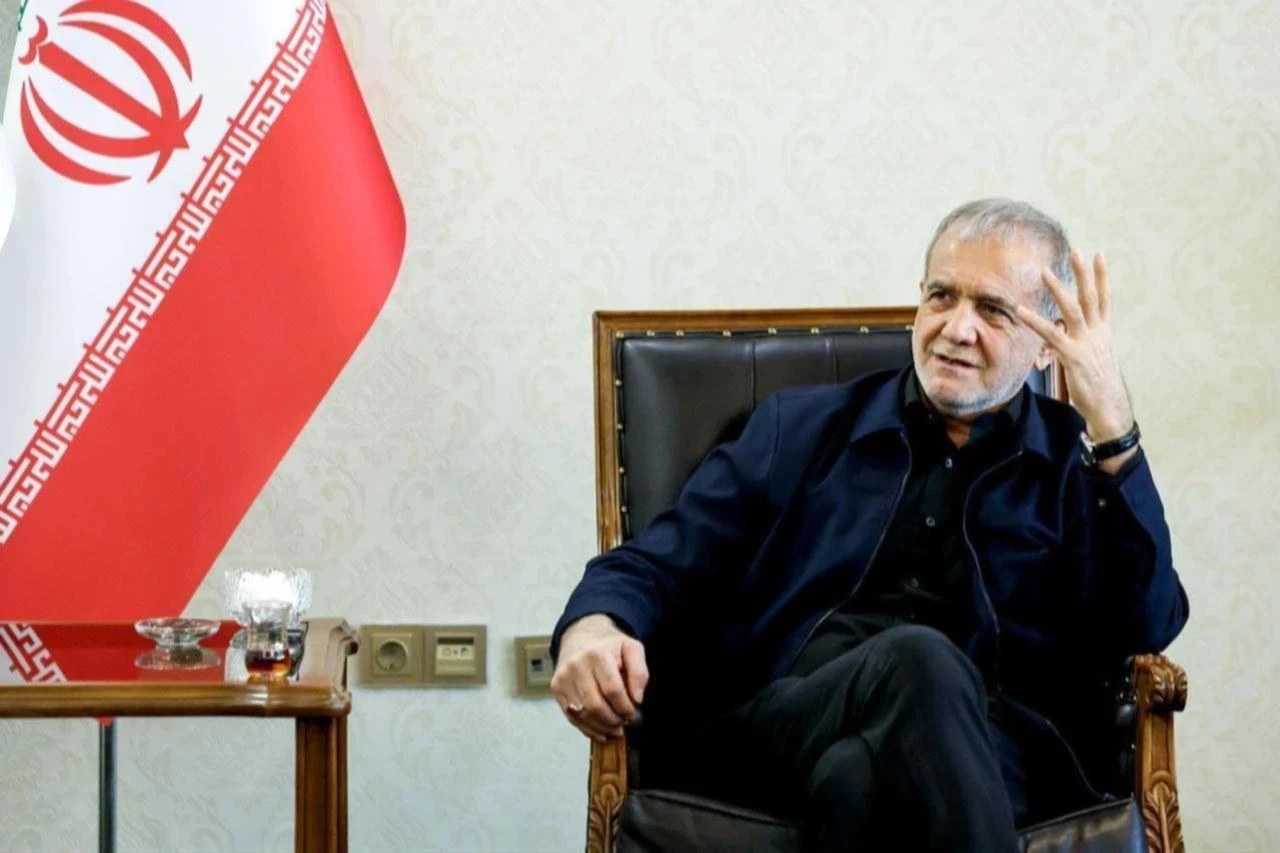
"The geographical coordinates of the route envisaged by the two sides have been agreed upon and, if certain third parties do not obstruct the process, the joint statement of the two countries, containing the main considerations and points of agreement, is also in the final review and drafting stage," Iranian Foreign Ministry spokesman Esmaeil Baghaei said, according to state news agency Islamic Republic News Agency (IRNA).
Baghaei told reporters that talks with Oman were moving forward, but said that even if an understanding was reached, it would not mean the strait had become safe for all vessels.
"The factors making the Strait of Hormuz insecure still exist on the part of the United States, particularly the naval blockade and other aggressive and threatening actions against Iran and its interests," he said.
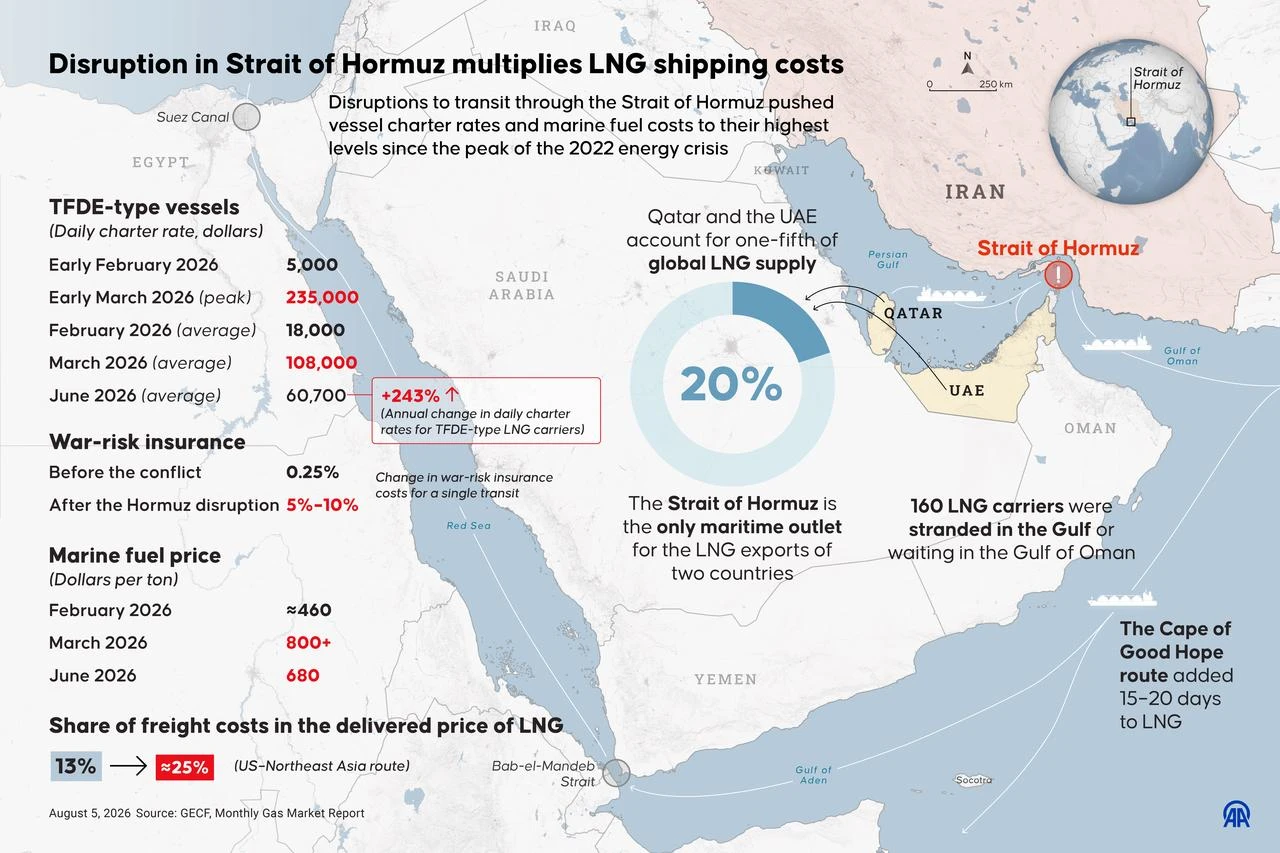
Before the war, Hormuz carried around a fifth of the world's oil and liquefied natural gas (LNG) exports, and prices have repeatedly surged since the dispute over the waterway erupted, adding economic and political pressure on Washington.
Highlighting the continuing risks, the captain of an oil tanker reported hearing two explosions while transiting the strait, 9 nautical miles, or 17 kilometers, southeast of Kumzar, Oman, Britain's maritime security agency United Kingdom Maritime Trade Operations (UKMTO) said Wednesday.
The crew and vessel were safe.
Yemen's Houthis separately said they had struck two Saudi oil tankers, the eighth and ninth ships they said they had hit since launching what they called a blockade of the kingdom last month.
Houthi military spokesman Yahya Saree said missiles hit the tanker Wafa off Yanbu in the northern Red Sea and the tanker Daisy in the Gulf of Aden.
Saudi authorities did not immediately comment.
U.S. Vice President JD Vance acknowledged American frustration with the pace of diplomacy with Iran, saying negotiations would take time because of divisions within the country's leadership.
"It's going to be messy and it's going to take some time to get there," Vance told Fox News in an interview broadcast Wednesday.
"The reality ... is that number one, the Iranians are extraordinarily difficult people. Number two, they have a fractured system," he said.
After imposing an effective blockade on the strait, Iran has insisted that ships take a route close to the Iranian coast.
Many vessels have instead chosen a southern route, close to Oman on the opposite side of the strait, occasionally coming under fire.
Iran wants to control the strait and charge tolls, powers it did not exercise before the war and a development the United States would strongly oppose.
Trump last week threatened to hit Iran "very hard," potentially with attacks against civilian infrastructure, before pulling back and suggesting a deal was near.
Iran's Foreign Ministry has denied that negotiations are taking place with Washington.


 Set as preferred source
 Set as preferred source


 1 min read
 1 min read