Newsletters


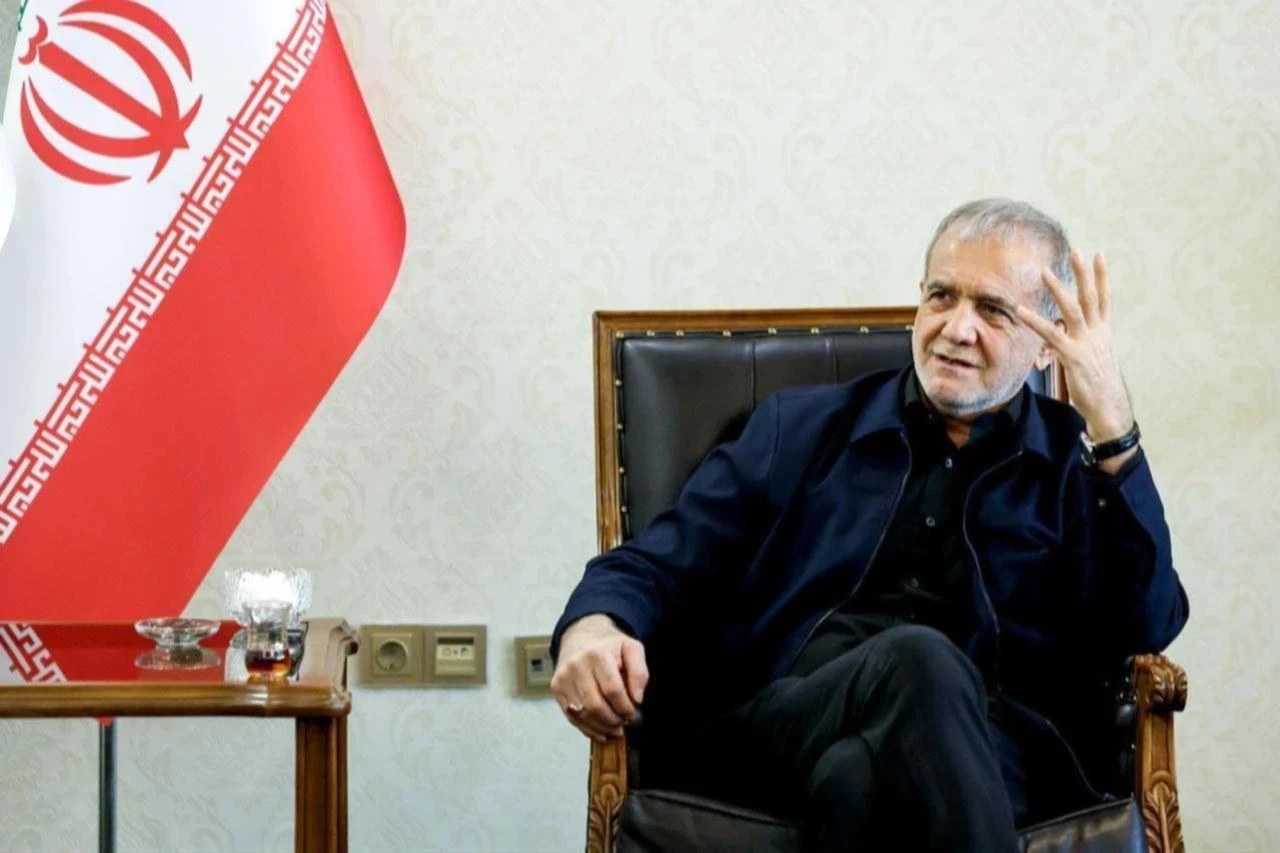


Iranian President Masoud Pezeshkian said Wednesday that new Supreme Leader Mojtaba Khamenei ultimately approved a U.S. agreement in June after an advisory council backed the proposal by an overwhelming majority, despite initially saying "he was not in favor of it."
In a televised interview with state broadcaster IRIB marking the second anniversary of his administration, Pezeshkian responded to criticism over Khamenei's earlier remarks on the agreement, arguing that opponents had ignored the full decision-making process.
Khamenei initially held reservations about the proposal but told council members he would accept it if it secured the support of at least three-quarters of the body, Pezeshkian indicated.
The proposal ultimately received 12 votes from the council's 13 members, prompting the supreme leader to approve it.
"He accepted the expert opinion and made his decision based on that expert assessment," Pezeshkian said.
Pezeshkian argued that some political factions had seized on Khamenei's initial position to fuel divisions and advance partisan interests rather than acknowledge how the decision was ultimately reached.
He described the criticism as unfair and dishonest, saying the supreme leader accepted the recommendation after the council reached a broad consensus.
The agreement Pezeshkian referred to was the June memorandum, an interim U.S.-Iran deal brokered by Pakistan that sought to end military operations, reopen the Strait of Hormuz, ease U.S. naval restrictions and pave the way for 60 days of negotiations on Iran's nuclear program and sanctions relief.
However, the memorandum later unraveled as disputes over control of the Strait of Hormuz reignited tensions, with both sides accusing each other of breaching the agreement.
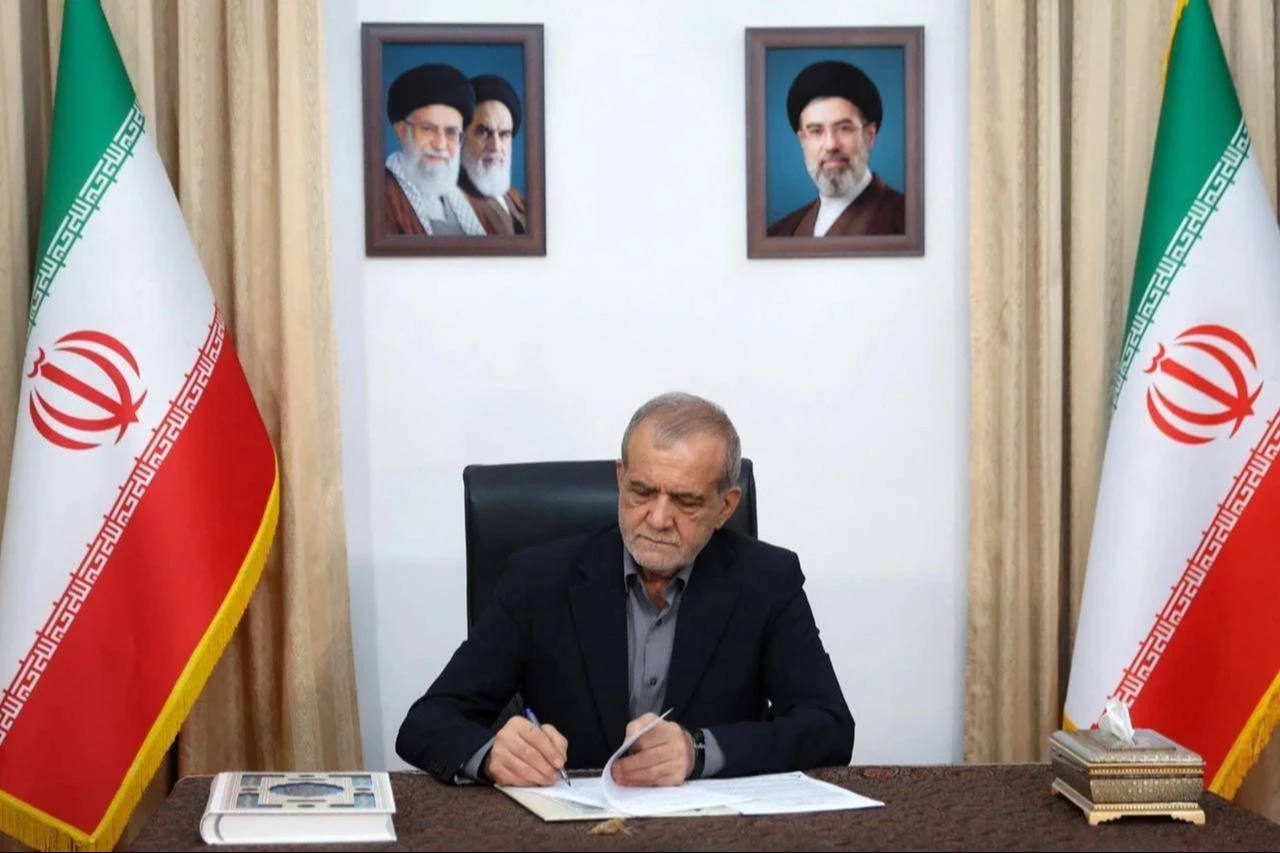

Beyond the agreement, Pezeshkian painted a picture of an administration that has faced successive crises since taking office.
He pointed to tightening U.S.-led international sanctions, economic challenges, the 12-day war in June 2025 and nationwide protests that began in January, which he described as attempts by Iran's enemies to spark social unrest and bring about the country's collapse.
Despite those pressures, he maintained that the government, the armed forces and the public had kept the country functioning.
Pezeshkian also spoke at length about the killing of former Supreme Leader Ali Khamenei, describing it as one of the most difficult moments of his presidency.
"We lost a great asset and source of support," he said, recalling that the late leader had stood "like a mountain" behind the government.
The president recalled that officials were in a meeting when the leadership compound came under attack on Feb. 28. Given the nature of the strike and reports that Ali Khamenei was present, he said he immediately feared the supreme leader had been killed.
"They thought that after they became desperate, by killing the Supreme Leader the country would collapse, but it continued and our new leader was chosen," Pezeshkian said.
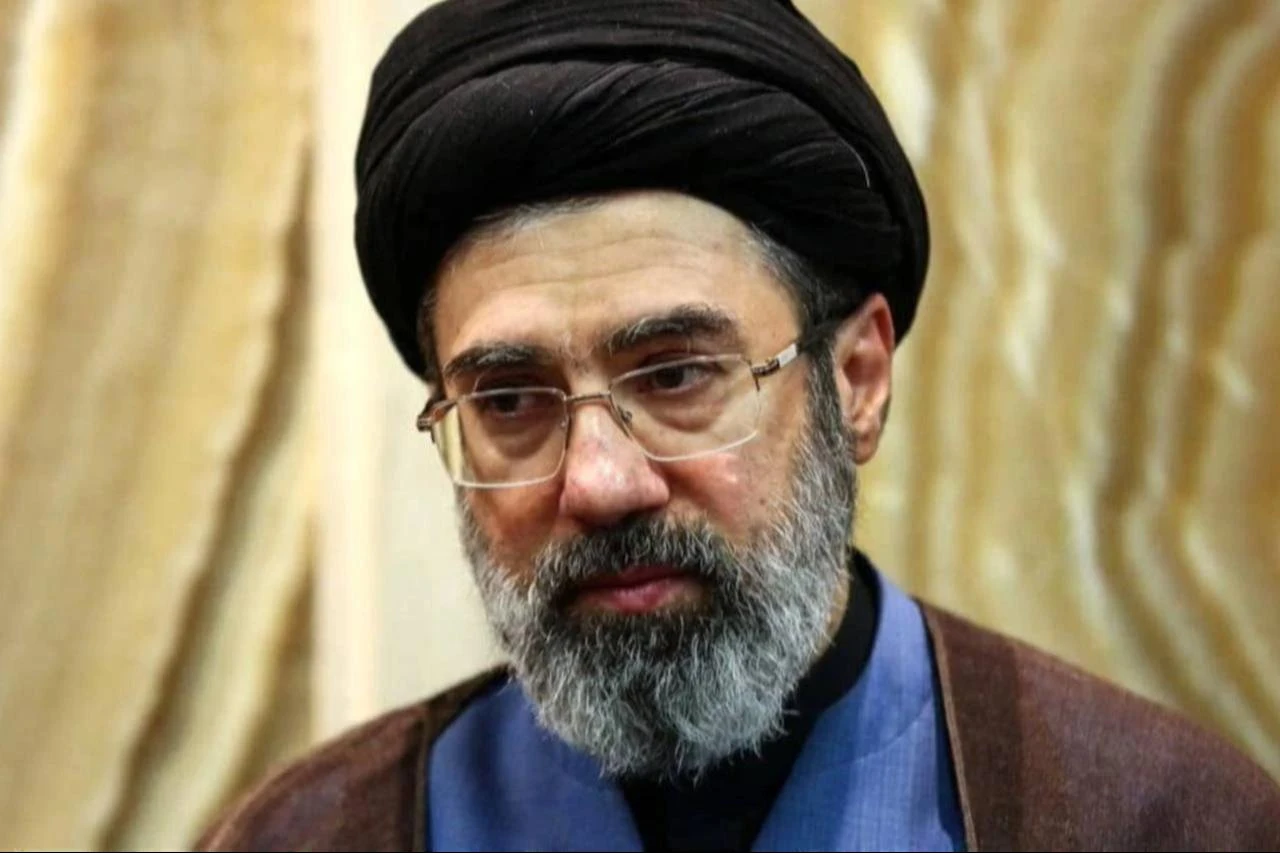
Pezeshkian described Mojtaba Khamenei as a major source of strength for the country, while acknowledging that communicating with the new supreme leader has become "very difficult" compared with his predecessor.
Mojtaba Khamenei has maintained a notably low public profile since succeeding his father in March, making few public appearances and communicating primarily through written statements.
U.S. President Donald Trump has repeatedly claimed the Iranian leader was wounded during the strikes and questioned whether he was still alive after disappearing from public view, although Tehran has not confirmed those assertions.
Despite describing access as more limited, Pezeshkian praised Mojtaba Khamenei's character, calling him "exceptional" and portraying him as patient, logical and open to frank discussions.
He added that public portrayals of the new supreme leader often differed from his own experience in private meetings, saying the image presented by some critics did not match the person he had come to know.


 Set as preferred source
 Set as preferred source


 1 min read

 1 min read