Newsletters


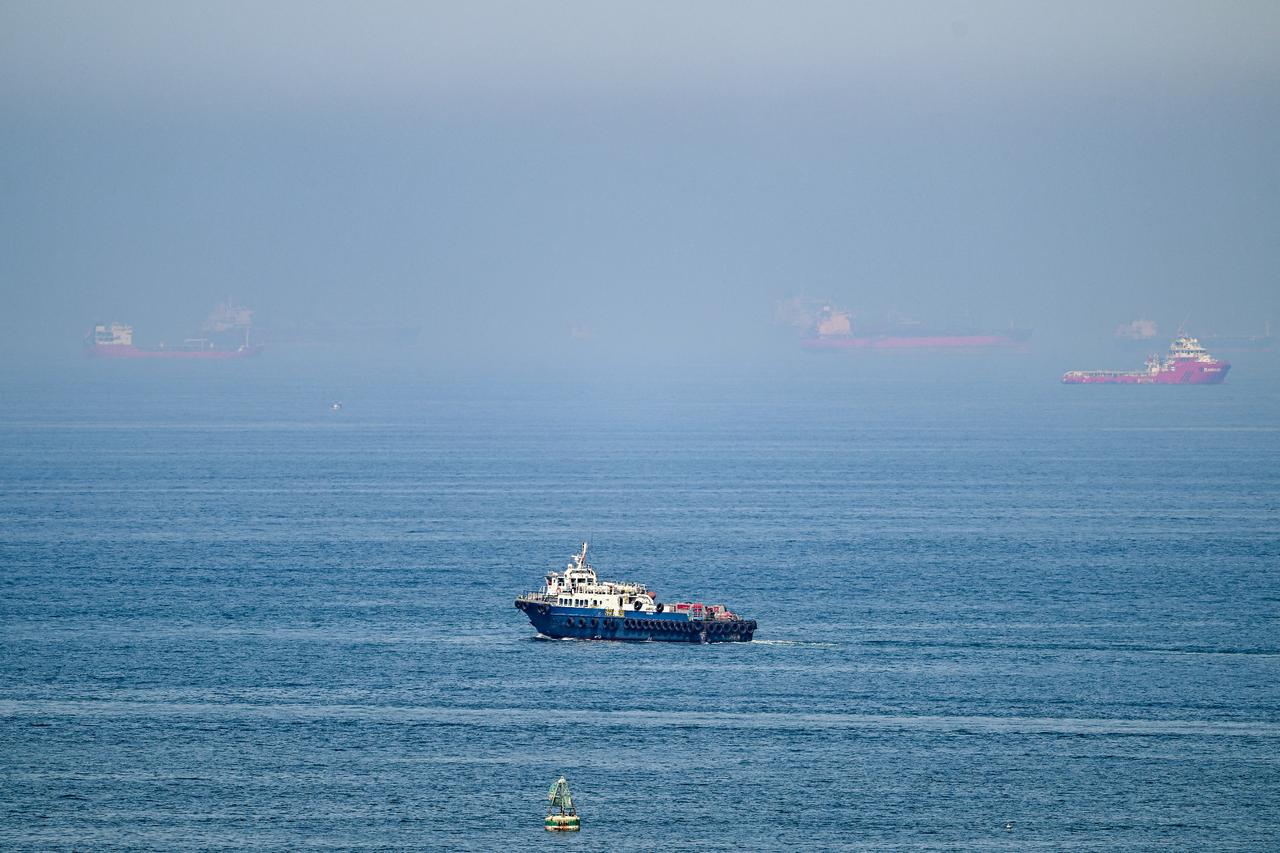


Shipping traffic through the Strait of Hormuz rose to its busiest level in two months after a deal to halt the U.S.-Iran war, maritime trackers said Friday.
A total of 25 commercial vessels crossed the newly reopened strait on Thursday, the highest number since mid-April, according to data from tracking firm AXSMarine.
The figure was more than three times the average of just over seven crossings a day recorded since early March.
The increase came after Iran and the United States agreed this week to reopen the crucial route under an agreement to end the war. It also came before the postponement of talks between the two sides in Switzerland that had been planned for Friday under the deal.
AXSMarine said the actual number of crossings on Thursday could be higher, as some ships had turned off or manipulated their AIS transponder signals to avoid detection.
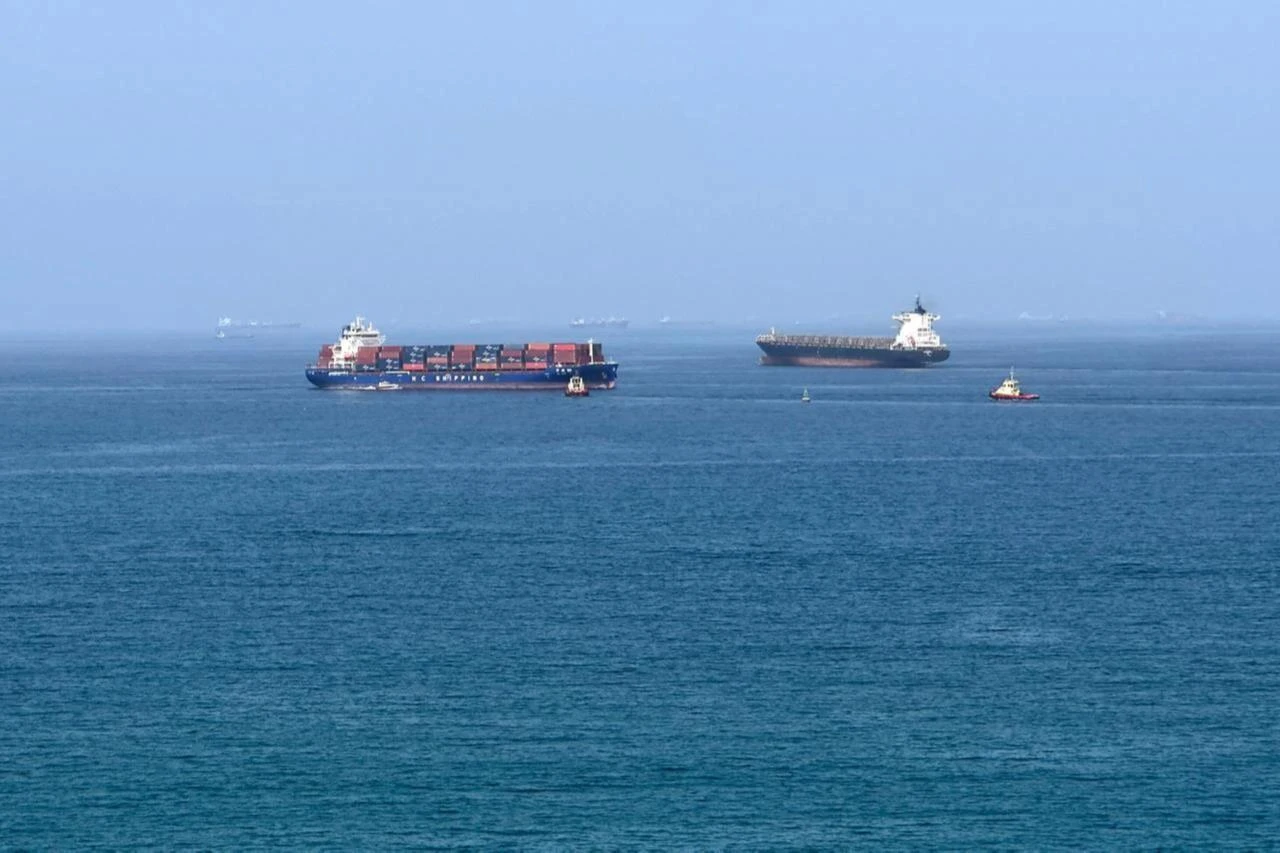
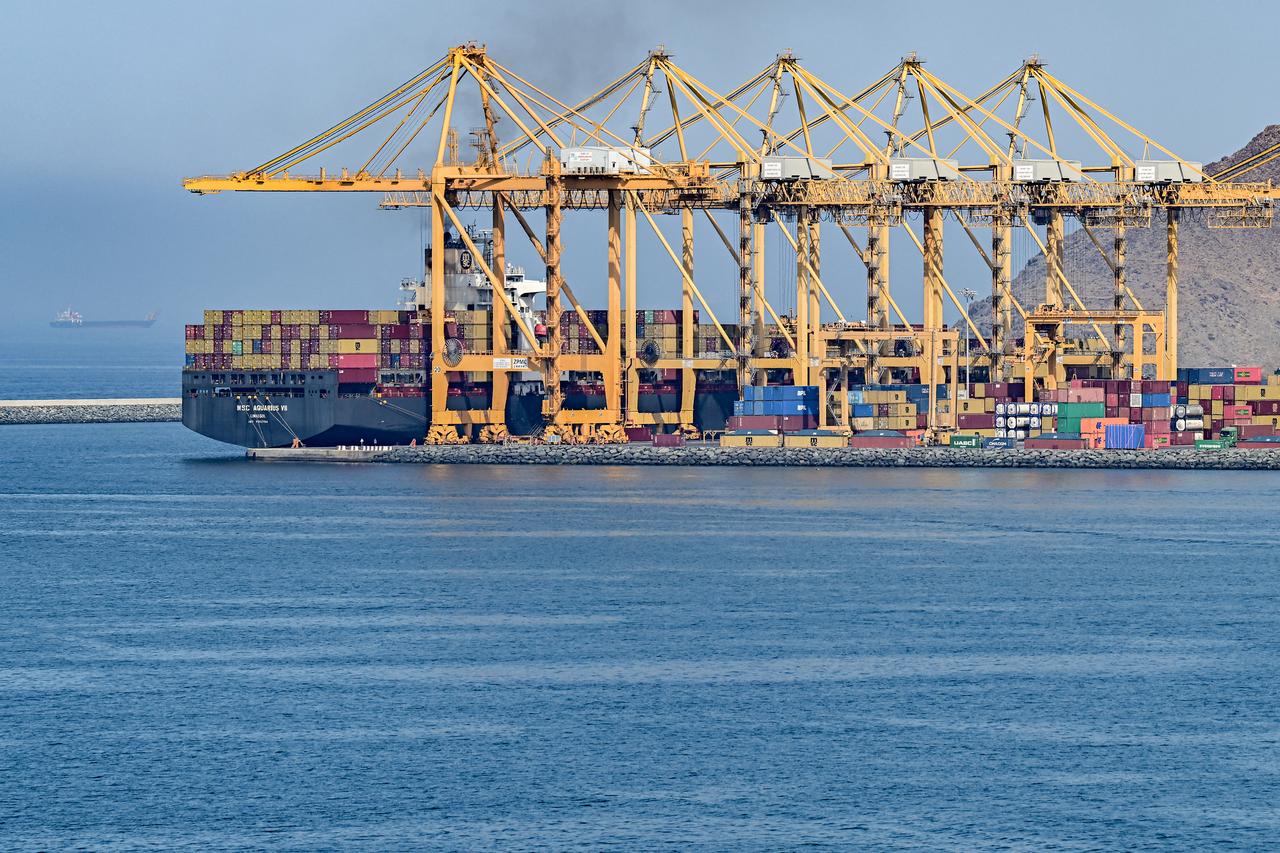
In another sign of renewed traffic in the region, empty trucks queued for up to three kilometers, or two miles, outside the UAE port of Korfakkan, just south of the strait, as at least four container ships unloaded there, an eyewitness reportedly told Agence France-Presse (AFP).
Other ships were visible on the hazy horizon and appeared to be waiting for their turn to dock and unload, the eyewitness said, requesting anonymity.
Iranian forces effectively closed off the Strait of Hormuz after U.S. and Israeli strikes sparked the war on Feb. 28.
Maritime authorities reported dozens of attacks on ships in the area during the conflict.
Global shipping groups warned this week that plans to resume traffic through the strait were still unclear and that it was not considered safe to begin exiting the Gulf.
The Pakistani navy issued an alert Friday warning that a mine had been sighted in the strait off Oman.
“All vessels transiting through the area are advised to navigate with extreme caution,” the navy said.
Iran’s Persian Gulf Strait Authority published new rules Friday for transits during the 60-day period covered by the war agreement.
In a post on X, the authority said all ships seeking to cross the Strait of Hormuz must submit a transit request “48 hours in advance.”
It also said payments of “tariffs” and “Iranian insurances” would be waived for ships passing during the 60 days.
International Maritime Organization chief Arsenio Dominguez said in April that the body was working on a plan to ensure safe transit for ships out of the Gulf.

More than 500 commercial vessels and about 11,000 seafarers remain stuck in the Gulf, according to the International Maritime Organization.
The IMO said 20,000 seafarers in the region have been affected by the war overall.
The agreement to stop the war this week was also intended to halt fighting in Lebanon, but Israel’s military announced new strikes there on Friday.
A U.S. official later said Israel and Iran-backed militia Hezbollah in Lebanon had agreed to a ceasefire.
The closure of the Strait of Hormuz during the war pushed up global oil prices and disrupted shipments of energy and key commodities, including fertilizer.
Following the Iran-U.S. agreement announced on June 14, “the first sign of relief came this week with fast falling prices,” said Ipek Ozkardeskaya, a senior analyst at Swissquote.
“Energy and transport sectors will be the first to feel the relief, before it spills toward the rest of the economy,” she told AFP.
But she said the risk of renewed fighting in Lebanon left questions over the U.S. ability to end the war.


 Set as preferred source
 Set as preferred source


 1 min read
 1 min read