Newsletters


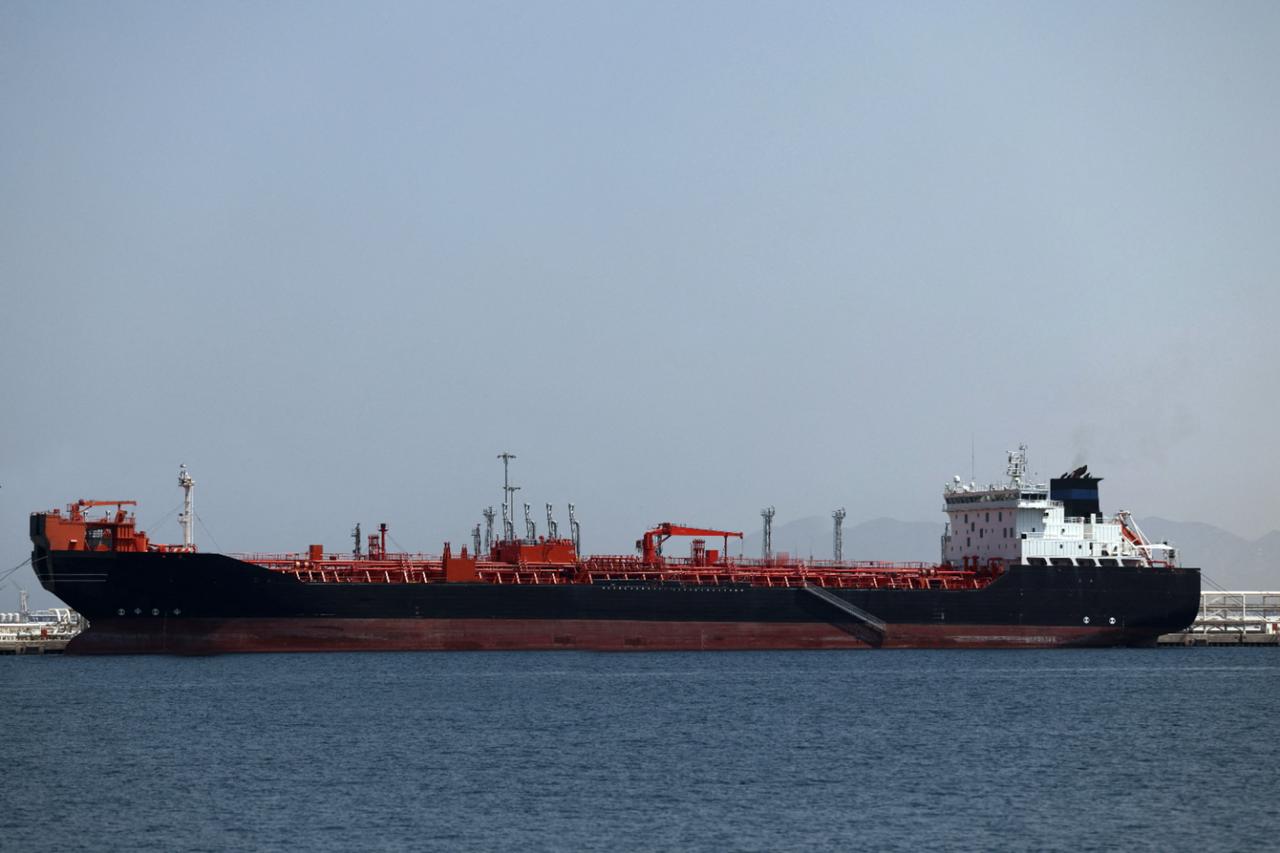


Iran's Persian Gulf Strait Authority (PGSA) said on Friday that vessels passing through the Strait of Hormuz will be exempt from transit fees for 60 days under an agreement reached with the United States to end the regional conflict.
In a notice published on its website, the authority said ships that submit transit requests in accordance with the agreement's requirements will be granted passage through the strategic waterway during the announced period.
PGSA said vessel operators must submit transit requests through its official channels and provide navigation routes and contact information. To prevent delays at the entrance to and exit from the strait, requests containing all required information must be filed at least 48 hours before vessels arrive in the area.
The authority added that no fees will be charged for security services or environmental protection services during the 60-day period. Insurance coverage related to passage through the strait will also be provided by the Iranian government.
However, vessels must coordinate their routes and declared transit times before approaching the waterway because navigational risks remain along parts of the route, according to the notice.
The announcement comes as shipping activity through the Strait of Hormuz begins to recover after the U.S. and Iran signed the Islamabad Memorandum of Understanding, agreeing to reopen the strategic waterway and restore commercial vessel traffic.
A total of 25 commercial vessels transited the waterway on Thursday, the highest daily figure recorded so far this month, according to MarineTraffic data. At least 8 million barrels of crude oil were transported through the strait during the day.
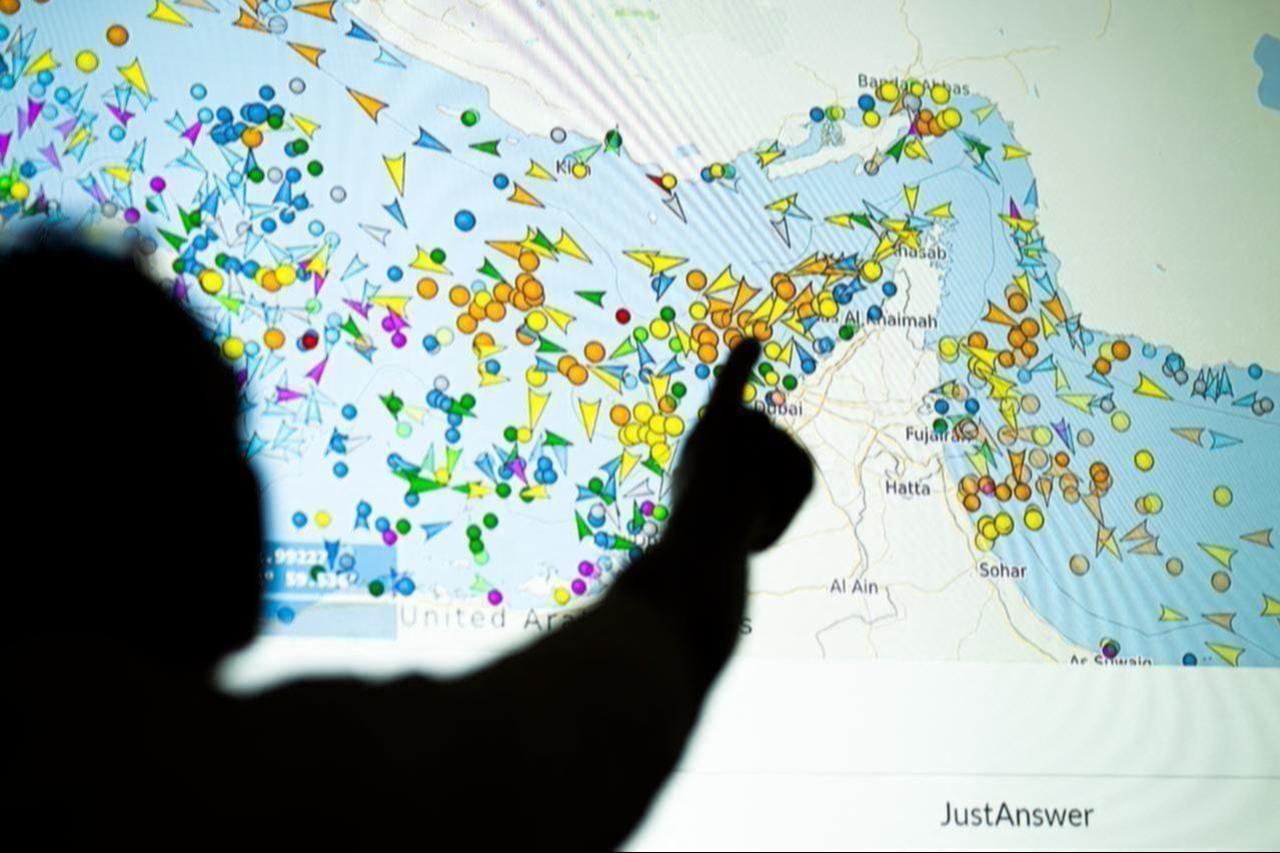

Despite the rise in vessel traffic, shipping groups warn that a return to normal operations could take time.
Around 80 mines still need to be cleared from the main shipping channel in the Strait of Hormuz, making a full recovery in maritime traffic unlikely in the near term, the Guardian reported, citing tanker owners' association Intertanko.
"The main route ... through the middle of the Strait of Hormuz, that's closed, that's dangerous," Phil Belcher, marine director at Intertanko, told the newspaper. "The latest figure we had was that there are 80 mines in the Strait of Hormuz. It's an enormous amount and it's going to take some time to clear."
Industry officials say the standard route between Iran and Oman remains unsafe until the clearance work is completed.


 Set as preferred source
 Set as preferred source


 1 min read
 1 min read