Newsletters


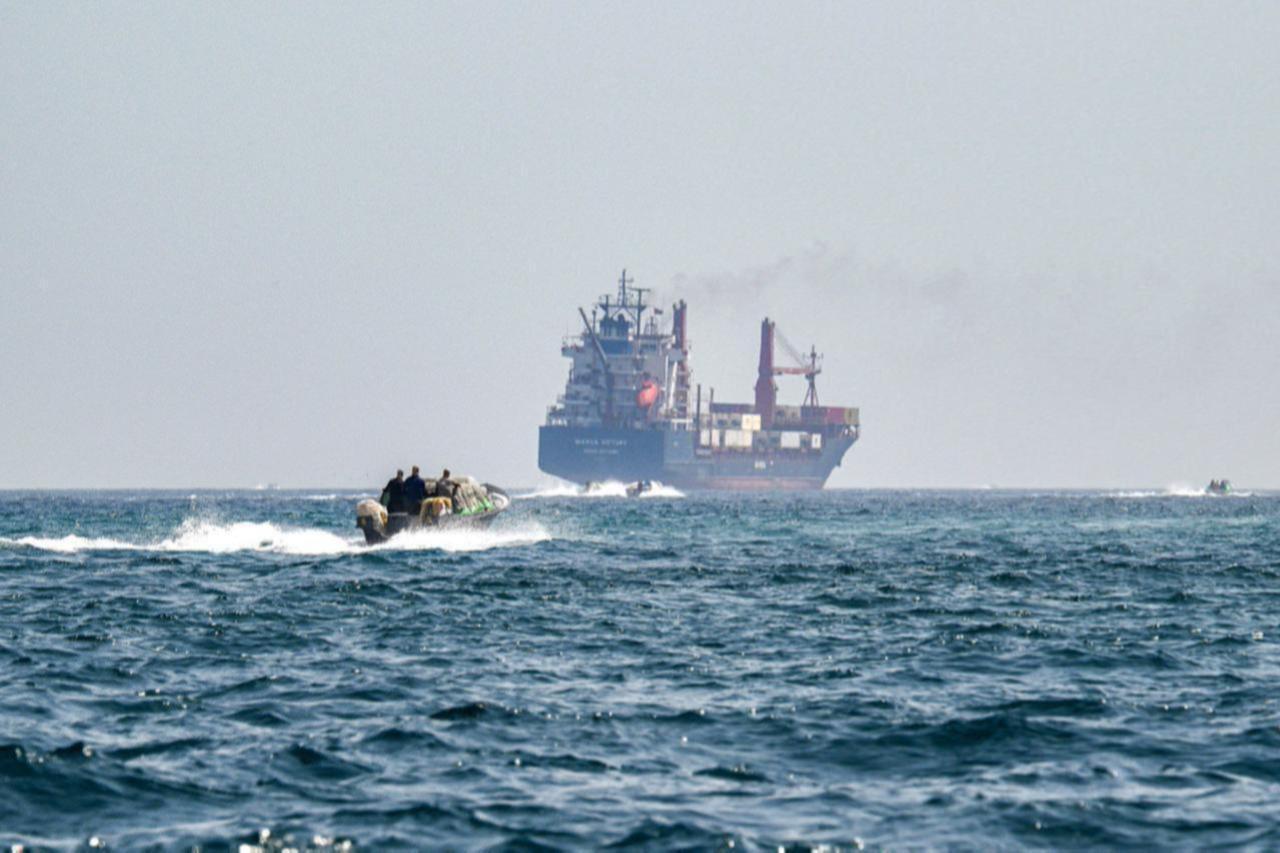


Traffic through the Strait of Hormuz, a vital corridor for global energy supply, has begun to recover after weeks of near-closure, as a growing number of countries secure arrangements with Iran to move vessels through the waterway, figures show.
A total of 21 ships transited the strait over the weekend, marking the busiest two-day stretch since early March, according to the data compiled by Bloomberg, when activity was still tapering off.
The passage had effectively shut down after the war began on Feb. 28, as insurers withdrew war-risk coverage and Iran blocked unauthorized crossings.
Now, governments facing energy shortages are pushing to extract ships, cargo, and crews from the Persian Gulf, gradually lifting traffic while reinforcing Tehran’s control over the route.
Iranian vessels continue to dominate movement through the strait, though limited exemptions have started to emerge. A tanker carrying Iraqi crude passed after Tehran granted a special allowance for Iraq.
The state oil company SOMO has reportedly asked clients to submit loading schedules, indicating that export terminals, including Basra Oil Terminal, are fully operational and ready to resume shipments, offering relief to one of the world’s leading oil exporters, whose 3.5 million barrels per day output was cut by 97% due to the disruption.
At the same time, India has moved to secure its own access. Eight Indian liquefied petroleum gas tankers have crossed the strait after negotiations with Tehran, with the country taking Iranian LPG cargoes for the first time in years.
Two liquefied natural gas tankers—Al Daayen and Rasheeda—are now approaching the strait after loading in Qatar. A successful transit would mark the first LNG shipments reaching global markets since the war escalated.
Two China-linked container ships completed a crossing on a second attempt, while two Japan-linked vessels have also passed. Japan, a major buyer of oil moving through the waterway, is preparing for high-level talks with Iran, Prime Minister Sanae Takaichi indicated in parliament on Monday.
A third Turkish-owned ship also transited the strait, bringing the number of Turkish-owned vessels in the area down to 12.
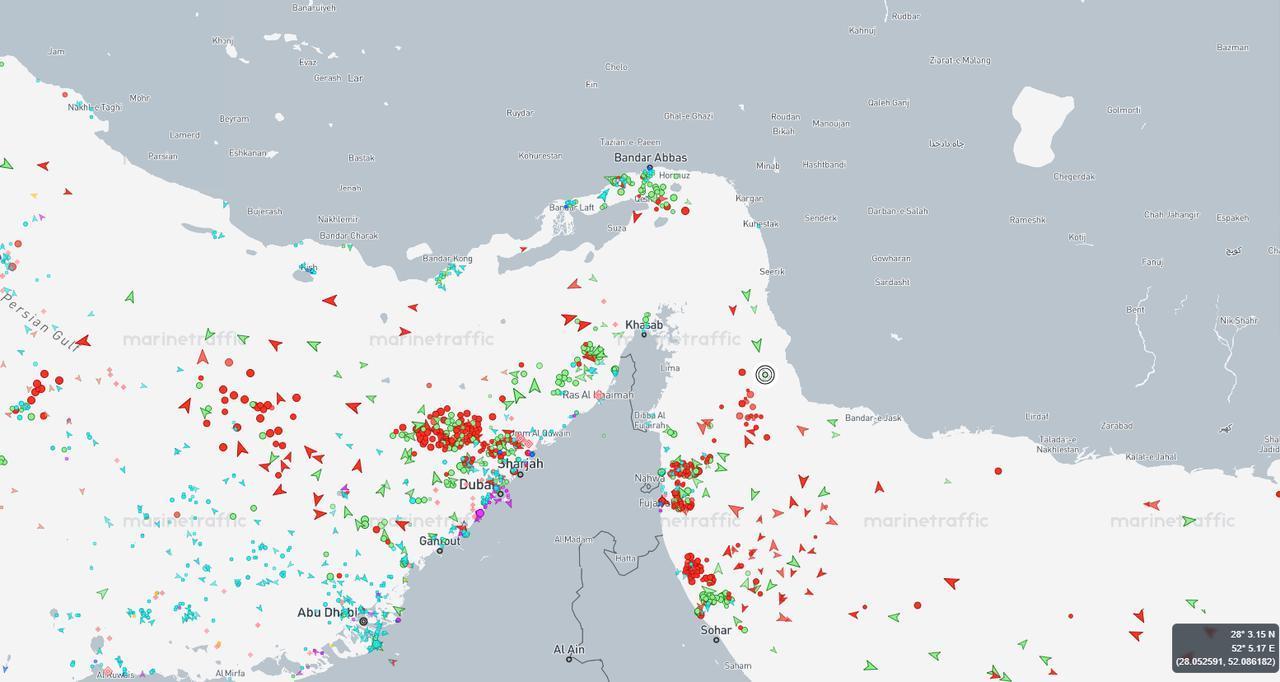

The Strait of Hormuz, a narrow chokepoint linking the Persian Gulf to global markets, has become a central pressure point as the war enters its sixth week. Despite the uptick, traffic remains far below pre-war levels, when roughly 135 vessels passed through the strait each day.
U.S. President Donald Trump has threatened to strike civilian infrastructure if Iran does not fully reopen the passage, warning of severe consequences.
Tehran, however, has tied any broader reopening to compensation, indicating transit fees must cover war-related damages.
Iran is advancing legislation to formalize its control over the strait and regulate passage fees. Shipowners report that the current system already includes payments of up to $2 million for secure transit, often coordinated through the Islamic Revolutionary Guard Corps.
Most approved vessels have followed routes close to Iran’s coastline, though some are now beginning to test alternative paths along the opposite shore.
Oil prices eased slightly on Monday on optimism over the partial resumption of traffic through the Strait of Hormuz, but remain elevated at around $110 per barrel.


 Set as preferred source
 Set as preferred source


 1 min read

 1 min read