Newsletters


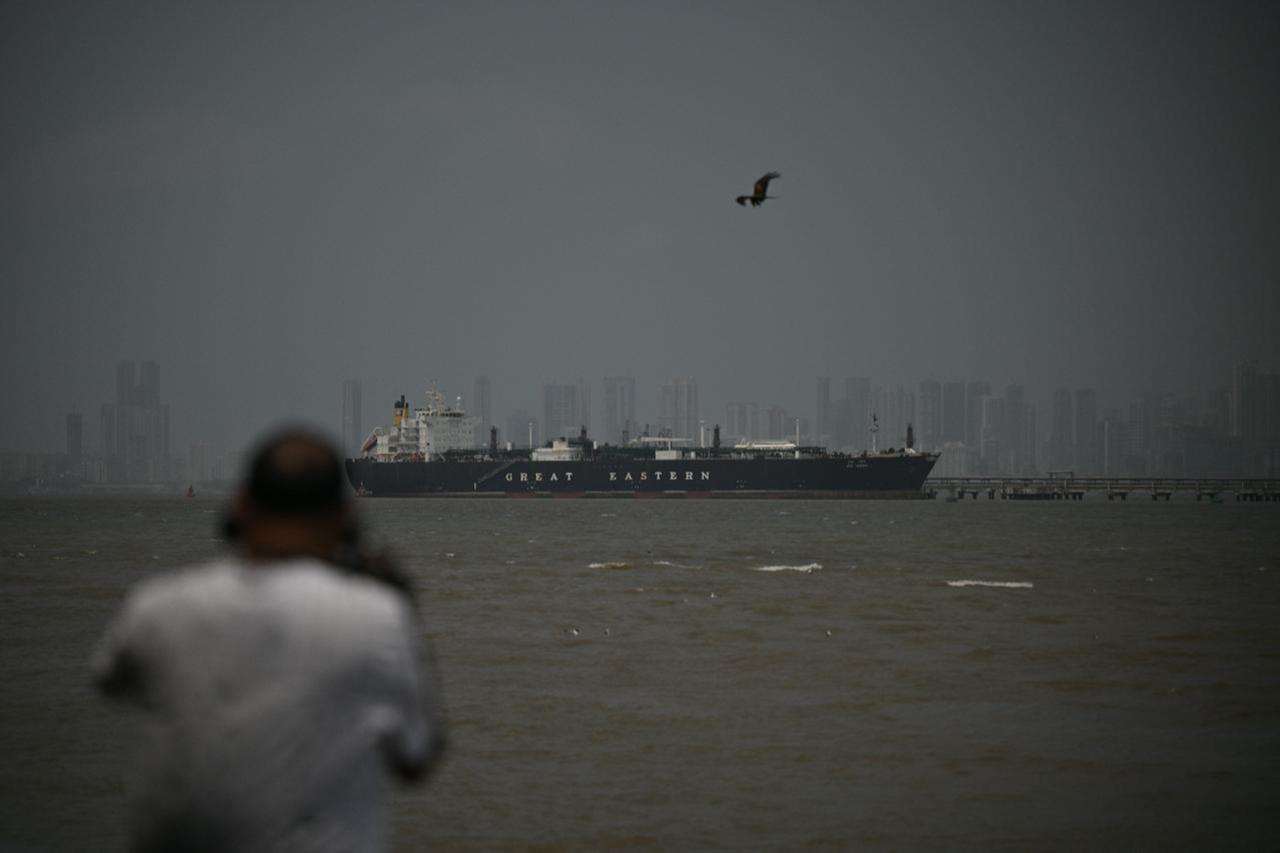


Iran announced Saturday that it would exempt Iraq from its blockade of the Strait of Hormuz, carving out a narrow exception to restrictions that have throttled one of the world's most critical energy chokepoints and sent global oil and gas prices soaring.
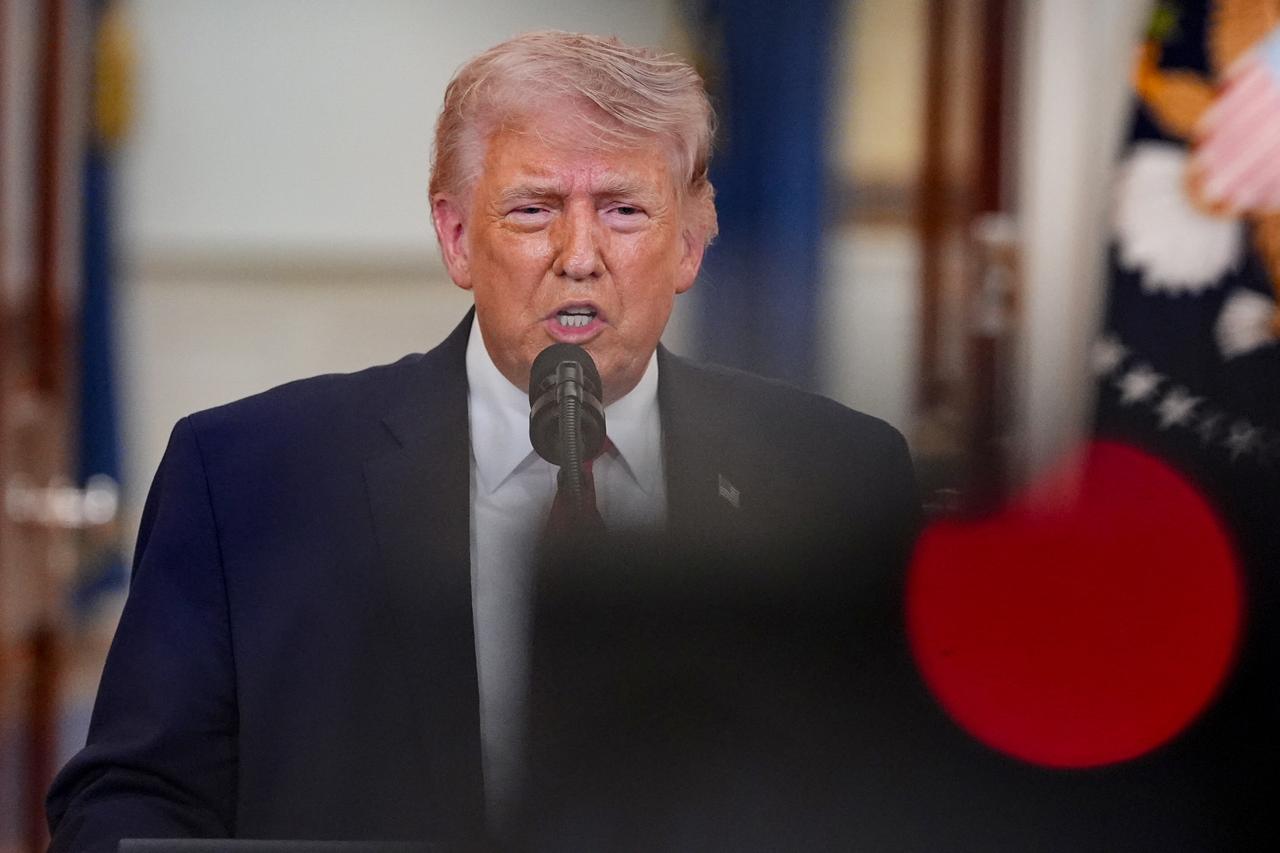
The move came hours after President Donald Trump issued a renewed 48-hour ultimatum to Tehran, threatening to unleash overwhelming force if Iran does not reopen the waterway.
Iran's military spokesman Ebrahim Zolfaghari declared on state television that "our brotherly country of Iraq is exempt from any restrictions we have imposed on the Strait of Hormuz," adding that the restrictions "only apply to enemy countries."
Tehran also separately approved the passage of ships carrying humanitarian goods and livestock feed through the strait, according to a directive backed by the government and armed forces and reported by Iran's semi-official Tasnim News Agency.
The carve-outs represent the most significant easing of Iran's Hormuz restrictions since the U.S.-Israeli military campaign against Iran began on Feb. 28, a conflict that has killed more than 1,340 people to date, including then-Supreme Leader Ali Khamenei. Iran has retaliated with drone and missile strikes against Israel, Jordan, Iraq and Gulf states hosting American forces.
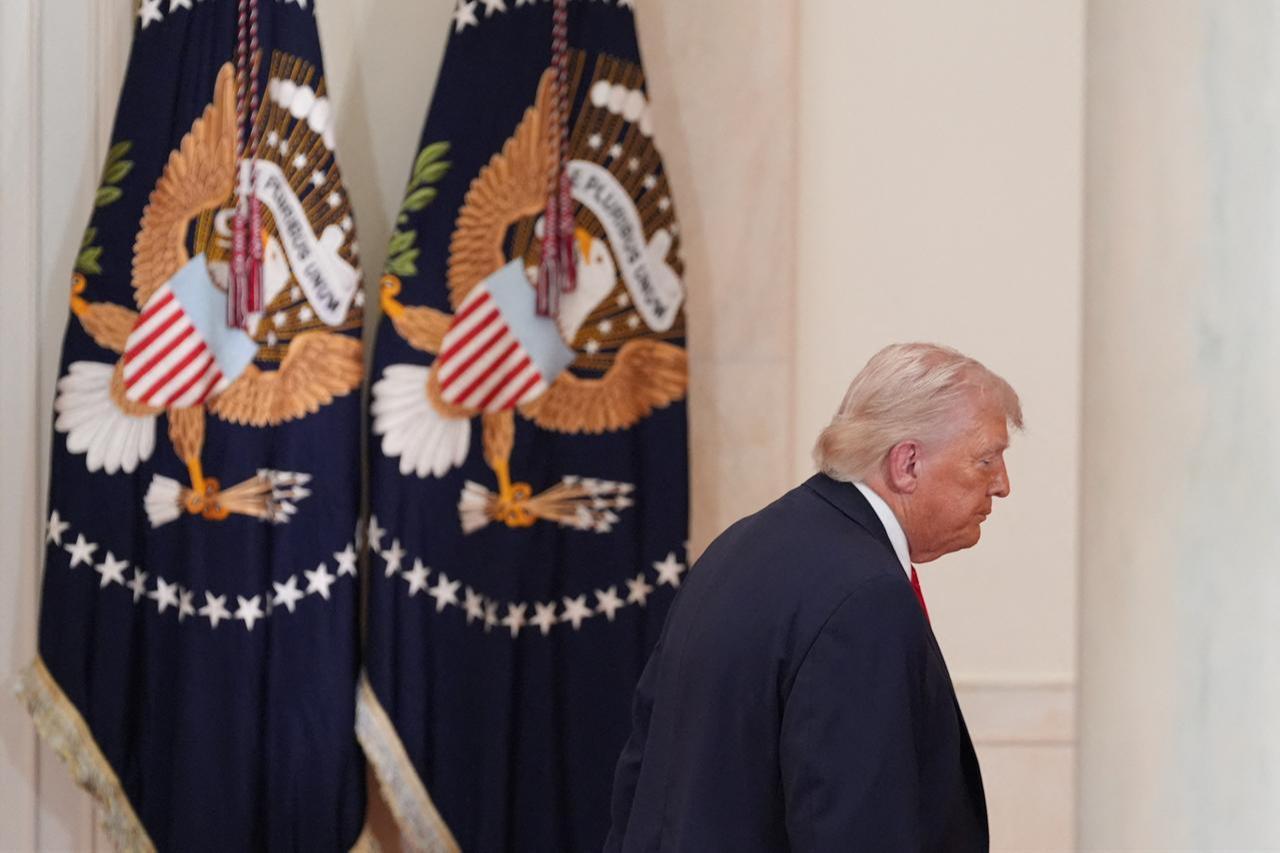

On Truth Social Saturday, Trump referenced his original ultimatum issued March 26, warning that "time is running out, 48 hours before all hell will reign down on them." The president added a religious flourish, signing off with "Glory be to GOD."
A day earlier, Trump had floated a more expansive vision, posting that the United States could "open the Hormuz Strait, take the oil, and make a fortune," describing the scenario as "a gusher for the world." He offered no details on how Washington would accomplish either objective.
Senator Lindsey Graham, a Republican war hawk and close Trump ally, threw his full weight behind the ultimatum. After speaking with the president Saturday morning, Graham wrote on X that he was "completely convinced" Trump would deploy "overwhelming military force against the regime" if Iran refused to negotiate. "If it's not clear to Iran and others by now that President Trump means what he says," Graham wrote, "then I don't know when it will ever be."
Trump has also called on NATO allies to contribute naval forces to secure the strait, but several key members have resisted, citing strategic differences and the fact that the United States launched the offensive without consulting alliance partners.
For Iraq, the exemption is more than diplomatic gesture. The country depends almost entirely on the Strait of Hormuz to export the oil it produces around the southern city of Basra. Kenneth Katzman, a Middle East policy analyst and senior fellow at the Soufan Centre, told Al Jazeera that Iraq "really has very few alternatives to ship oil out from the south" other than through the strait. While the Iraq-Türkiye pipeline in the north has reopened and carries some crude, the bulk of Iraqi exports have no viable alternative route.
Katzman framed Tehran's decision as a strategic play to keep Baghdad out of the American and Gulf states' orbit. "Iran obviously wants to keep Iraq sort of in its camp, or at least not on the other side, aligned with the U.S. and the Gulf states," he said, suggesting that may have been a key motive behind the exemption. From the perspective of the United States and its partners, he noted, any additional oil reaching global markets through the strait is a net benefit, easing pressure on supply chains already under severe stress.


 Set as preferred source
 Set as preferred source


 1 min read
 1 min read