Newsletters




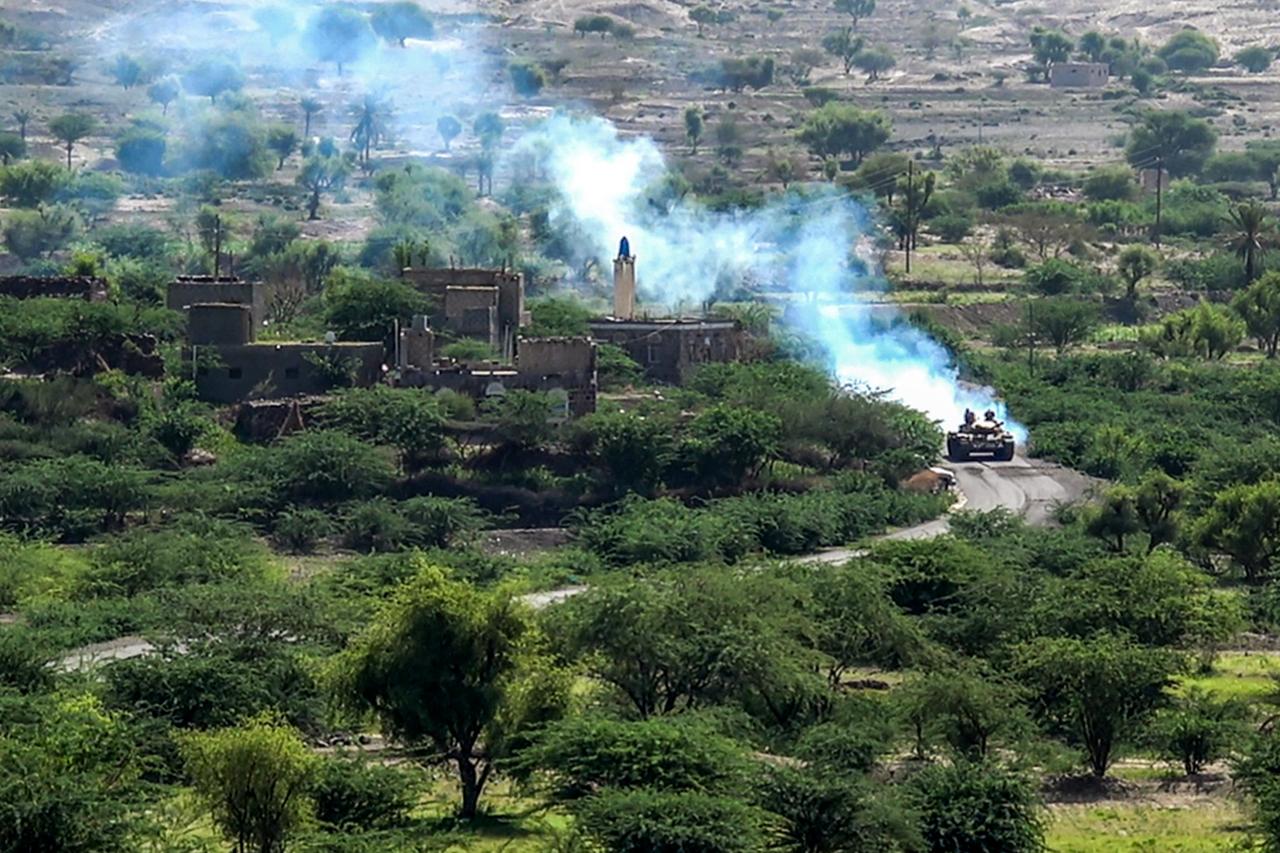
The advance of Iran-backed Houthi forces into the Bab el-Mandeb Strait and nearby Red Sea islands threatens not only Yemen's government but Saudi Arabia's national security, according to Maged al-Madhaji, head of the Yemen-based Sana'a Center for Strategic Studies.
"Iran's blockade of Saudi Arabia's oil shipments through the Strait of Hormuz on one hand, and its obstruction of shipments through Bab el-Mandeb on the other, is weakening Riyadh and creating a dangerous security environment that threatens all of the Gulf states' strategic projects, especially Saudi Arabia's Vision 2030," Madhaji told Türkiye's state-run Anadolu Agency (AA).
Madhaji said the Houthi advance also affects Saudi Arabia's capacity to use its western ports as an alternative to its Gulf ports, describing the recent developments as "a wide-ranging threat that cannot be ignored from Saudi Arabia's perspective."
He warned that without military and political support for Saudi Arabia and Yemen's government, Houthi gains around the Bab el-Mandeb and nearby islands could become permanent.
"The permanence of these currently temporary gains could completely alter the balance of power in the region," he noted.
Madhaji said the Houthis' military advances, achieved through Iran's proxies, have increased Tehran's influence over the two strategic straits surrounding the Arabian Peninsula, assessing that this "increases Tehran's capacity to harm Gulf countries and steer their economic interests."
He warned that recent developments could see the Houthis transform into a significant actor with deep connections to dangerous groups in the Horn of Africa, saying: "The military mobility in Yemen and the unpredictable escalation are extremely sensitive for everyone."
The Yemeni expert noted that Yemen's government is trying to boost its motivation to fight the Houthis using drones and similar weapons, while assessing that "the Houthis' neglect of public services in areas under their control, and their diversion of all available resources toward military structures, has seriously increased their war capacity."
He stressed that the current fighting in Yemen is viewed by the Houthis as one of their core strategic battles, saying the increasingly visible presence of Iran's Islamic Revolutionary Guard Corps (IRGC) and the armed groups it supports on the ground is evidence of this.
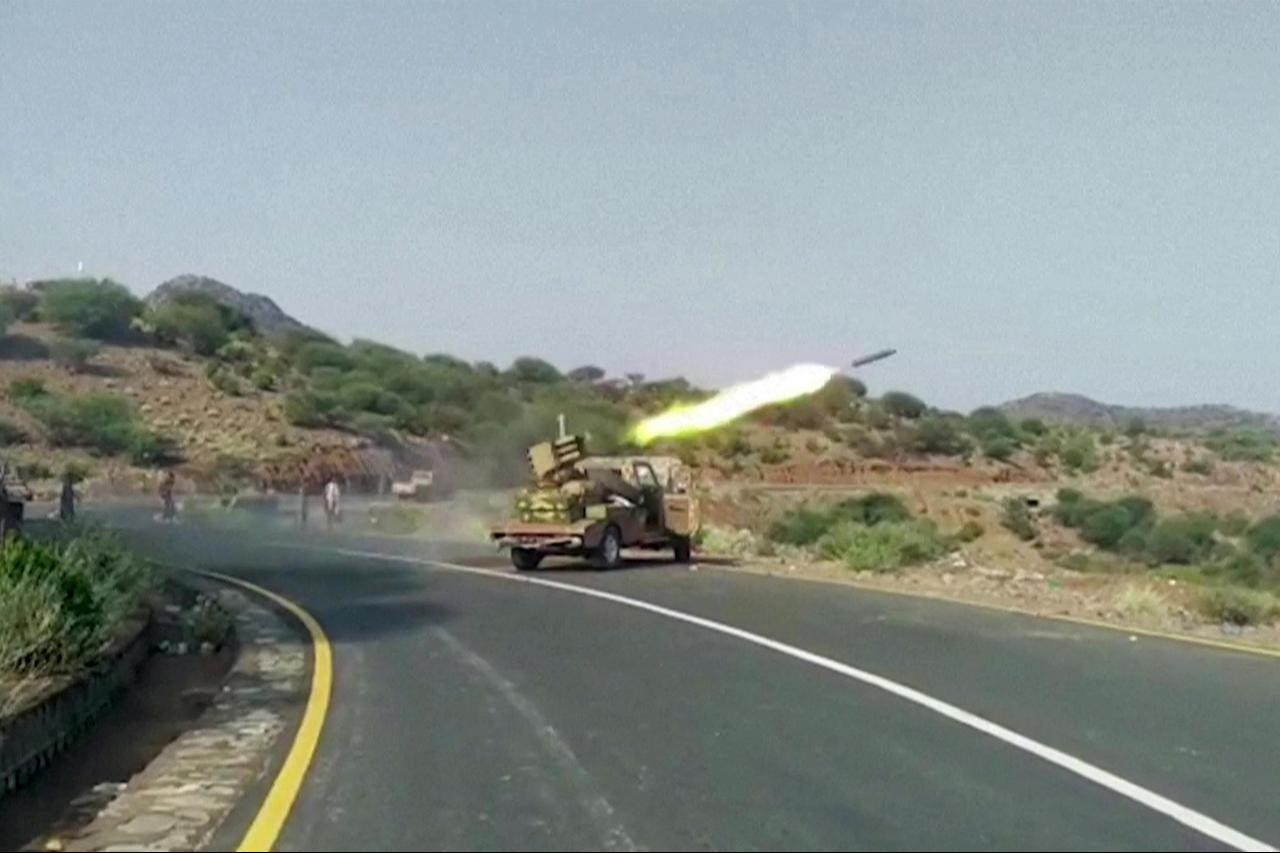

Madhaji said the Houthis have benefited from Yemen's political divisions, lack of coordination, and weaknesses in operational management.
"Problems in the coalition's management of military operations, and particularly delays in Saudi airstrikes supporting this front in recent days, have also contributed to the Houthis' rapid advance," he said.
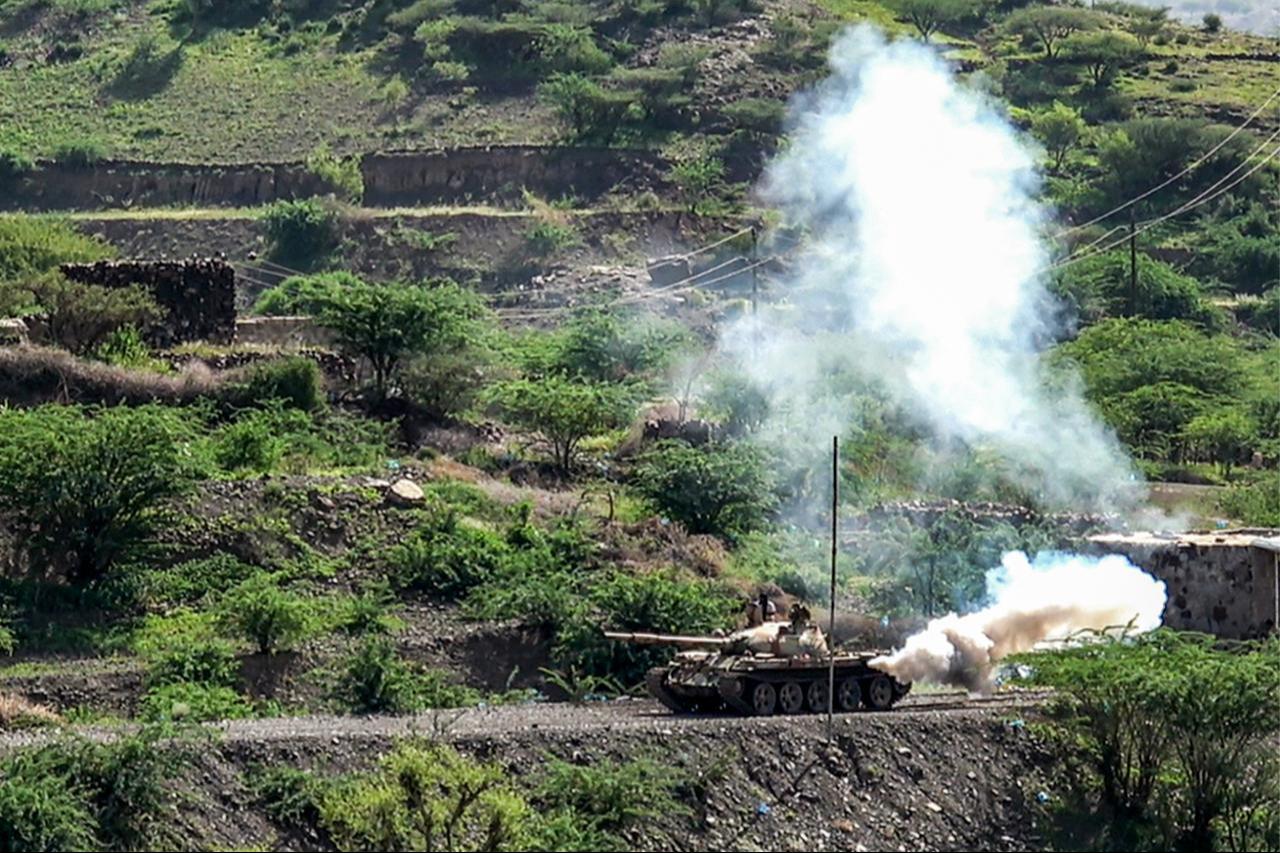
He pointed to a stark manpower imbalance on the front by stating, "On a front where government forces have approximately 40,000 troops, the Houthis amassed approximately 80,000 fighters. In addition, the intense firepower they used allowed them to achieve a major breakthrough and advance in this region."
He noted that Iranian support played a significant role in expanding the Houthis' weapons capacity, which he said had allowed them to open strategic weapons depots and deploy drones and ballistic missiles at an unprecedented scale.
Madhaji said battlefield experience is among the factors emboldening the Houthis, explaining, "The Houthis believe that Sanaa and Tehran have already paid the price due to previous attacks against them. The fact that the U.S., the coalition in Yemen, and other actors have previously targeted them gives them a space in which they can act more boldly. The other actors facing them, meanwhile, have things they are afraid to lose. Therefore, this maneuvering room, courage and mobility that the Houthis possess allow their actions to be more effective compared to other actors. In particular, the failure to review mistakes from earlier stages has led to an accumulation of failures in the camp fighting against the Houthis."
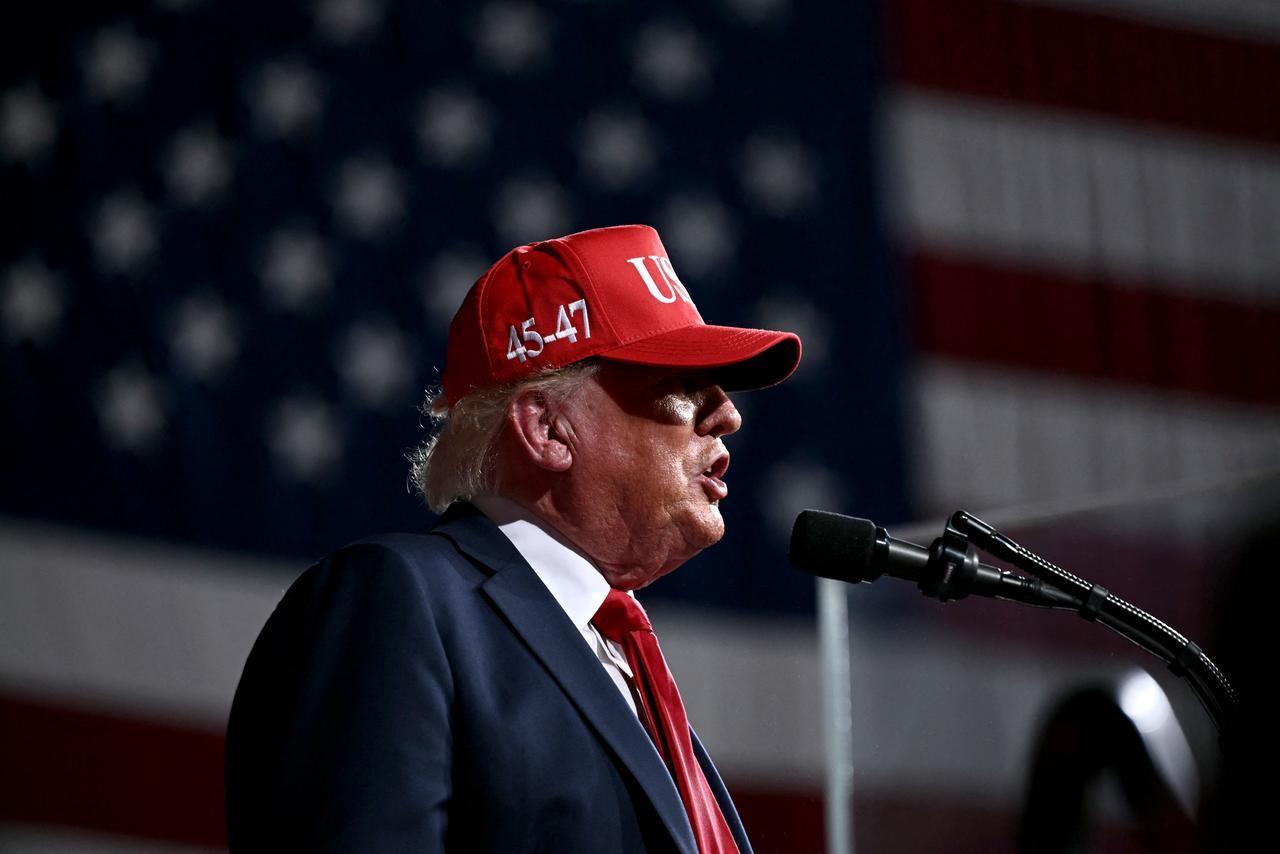
Madhaji claimed that the Trump administration is preoccupied with upcoming U.S. elections, adding that Washington has neither the intention nor the capacity to open a new front, and may instead try to encourage regional powers to fulfill their responsibilities without direct U.S. involvement.
He noted that the Houthis have gained control over the Bab el-Mandeb at a politically risky time for the U.S. as well, saying, "First of all, this situation weakens the influence the U.S. has gained over Iran via the sea. In the face of U.S. pressure on Iran through its naval dominance in the Strait of Hormuz, Iran has found an alternative space where it can exert effective pressure on the U.S. International interests in the Bab el-Mandeb are also affected by this."
Madhaji predicted that the U.S. position could shift if the effects of a closure of the Bab el-Mandeb begin to be felt by the American public, saying that rising oil prices, increased shipping and insurance costs, or a sudden military escalation targeting ships in the Red Sea could all change Washington's stance.
The strait, through which roughly 12% of global annual trade passes, links the Red Sea to the Gulf of Aden and the Indian Ocean, serving as a gateway to the Suez Canal and onward to the Mediterranean.
Concerns have intensified since the Houthis' capture of Mocha and nearby islands, significantly increasing the group's ability to influence maritime traffic through the strait.
The disruption follows a pattern that began in 2023, when the Houthis started attacking commercial vessels they said were linked to Israel, prompting major shipping companies to reroute around the Cape of Good Hope and contributing to an estimated $11 billion in lost Suez Canal revenue for Egypt, according to Egyptian Foreign Minister Badr Abdelatty.
The United Nations Security Council discussed developments affecting Red Sea and Bab el-Mandeb navigation this week, with Saudi Arabia warning of Houthi threats and stressing that protecting maritime routes is a shared international responsibility.
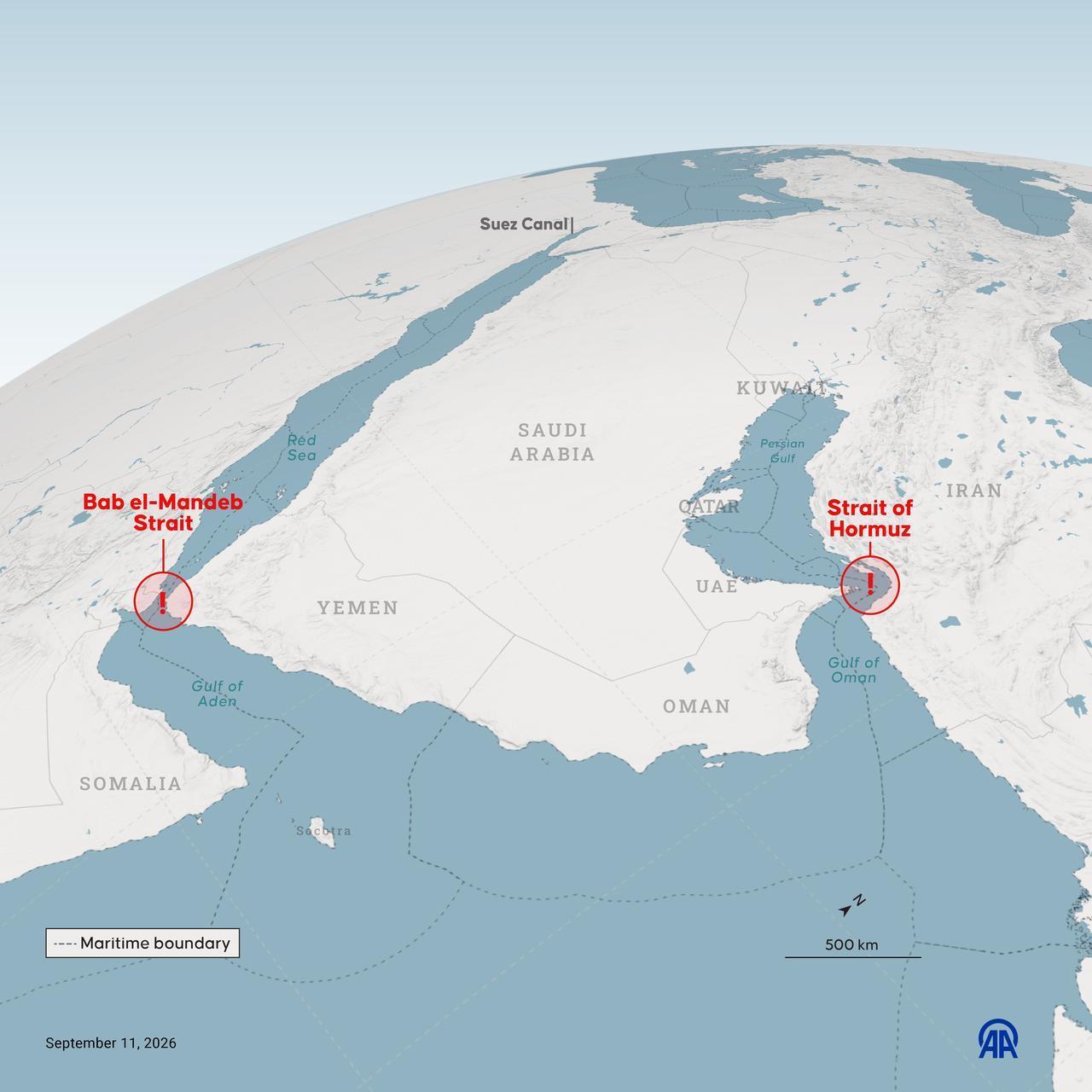
Egyptian military and strategic expert Brig. Gen. Samir Ragheb, head of the Arab Center for Strategic Studies, told AA that the Houthis "have the ability to impose fire control over the Bab el-Mandeb Strait," with military positions surrounding it from Mayun Island through Mocha, Hays and southern Al-Hudaydah to Dhamar province's eastern coast.
He said the situation is "not a battle between two naval fleets," but rather one in which "the Houthis are targeting civilian and commercial vessels, creating panic among them and driving insurance prices and costs up threefold, while forcing ships to reroute around the Cape of Good Hope."
British-based oil and energy expert Mamdouh Salameh, who spoke to AA, said the Houthi push to control the Bab el-Mandeb, combined with Iran's closure of Hormuz, represents an Iranian attempt to impose terms on Washington at a time of declining global oil and gas supplies.
He said the dual disruption could push Brent crude above $108 and possibly to $110 or $120 a barrel, levels he said would exceed the global economy's ability to absorb the shock.
Speaking to AA, former Iraqi Oil Ministry spokesman Asim Jihad said oil transit through Bab el-Mandeb had already risen from about 5.4 million barrels per day in the fourth quarter of 2025 to about 8.1 million barrels per day in the second quarter of 2026, as it partially compensates for the near 20 million barrels per day in prewar Hormuz traffic that has been lost.
Algerian logistics expert Nasreddine Boughachiche told AA that the situation is "moving toward a scenario of escalation and continued instability rather than imminent de-escalation," outlining three possible paths:


 Set as preferred source
 Set as preferred source


 1 min read