Newsletters


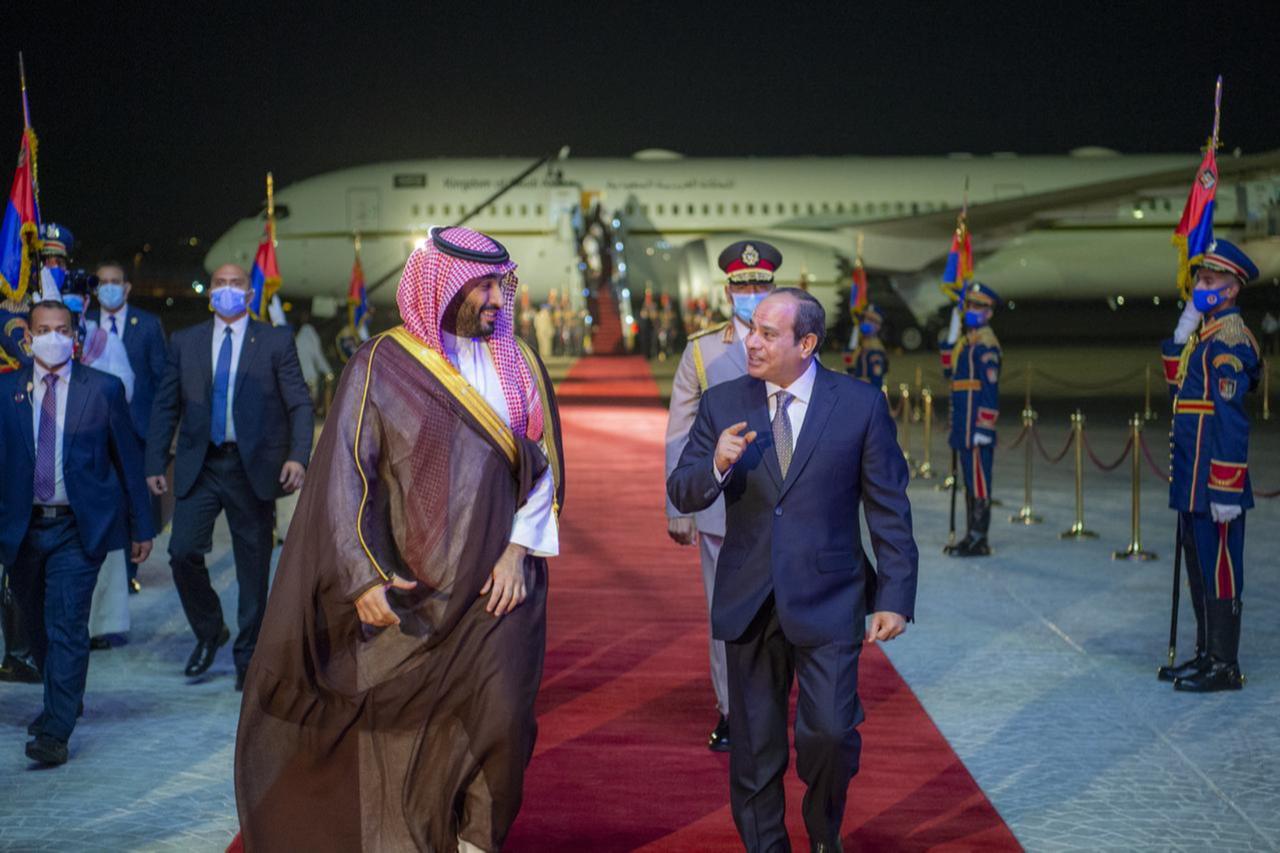


Egypt held talks with Saudi Arabia and the United Arab Emirates on efforts to prevent further regional escalation, reaffirming the importance of diplomatic coordination, including through a four-way ministerial mechanism involving Türkiye and Pakistan, the Egyptian Foreign Ministry said Wednesday.
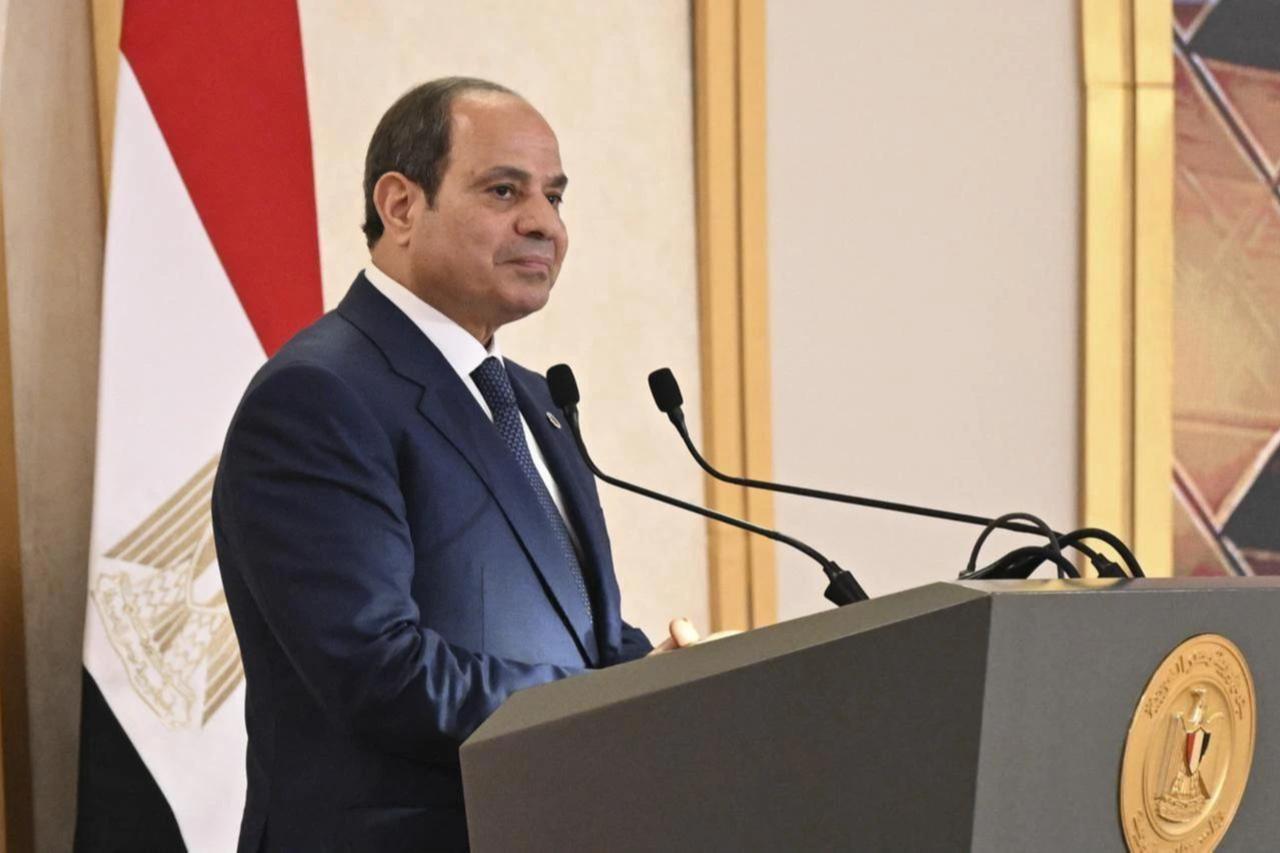
Egyptian Foreign Minister Badr Abdelatty held separate phone calls Tuesday with Saudi Foreign Minister Faisal bin Farhan and his Emirati counterpart, Abdullah bin Zayed, according to two ministry statements.
During his conversation with bin Farhan, Abdelatty reviewed regional developments and “efforts to contain the current crisis amid growing risks of escalation,” emphasizing the need to “advance political and peaceful solutions through dialogue.”
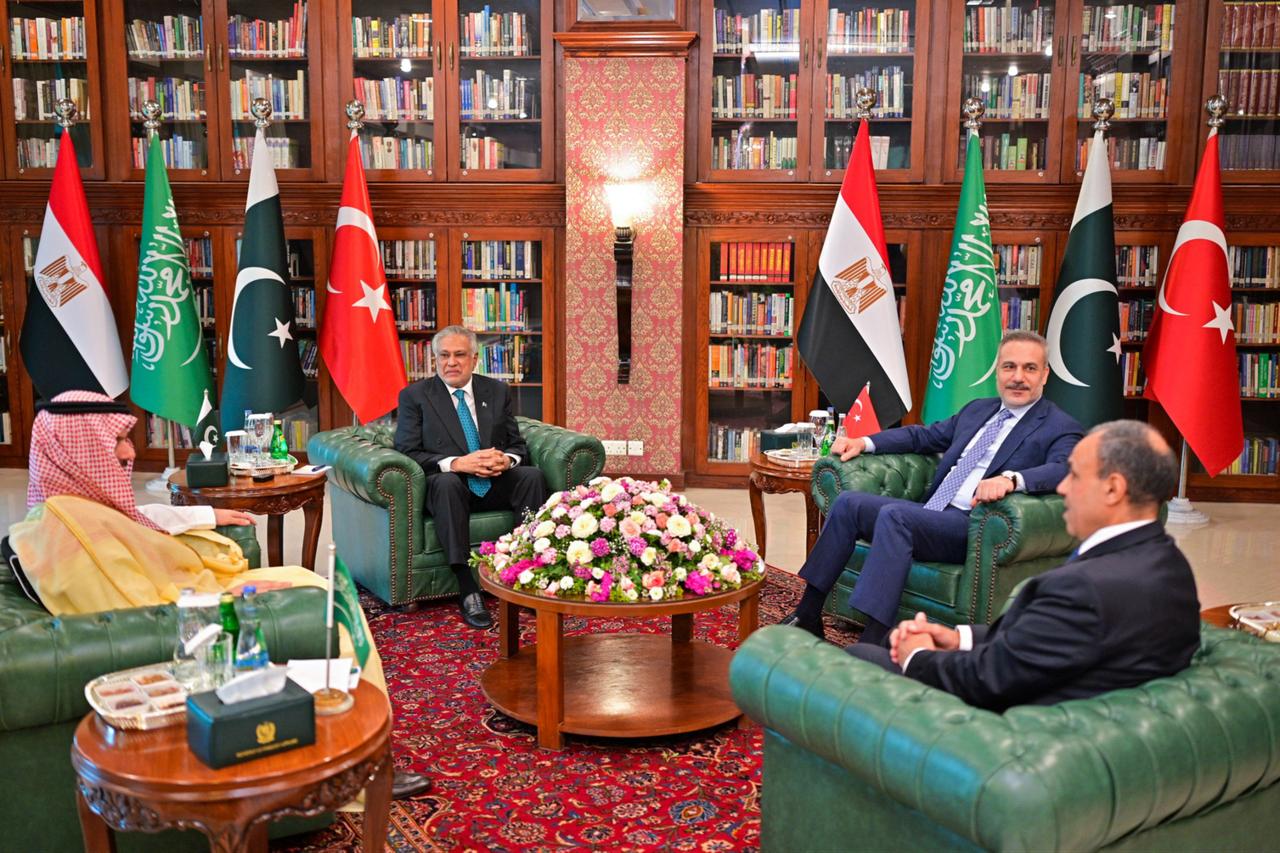
The two ministers agreed to “continue close consultations and coordination bilaterally and through a four-way ministerial mechanism that also includes Türkiye and Pakistan.”
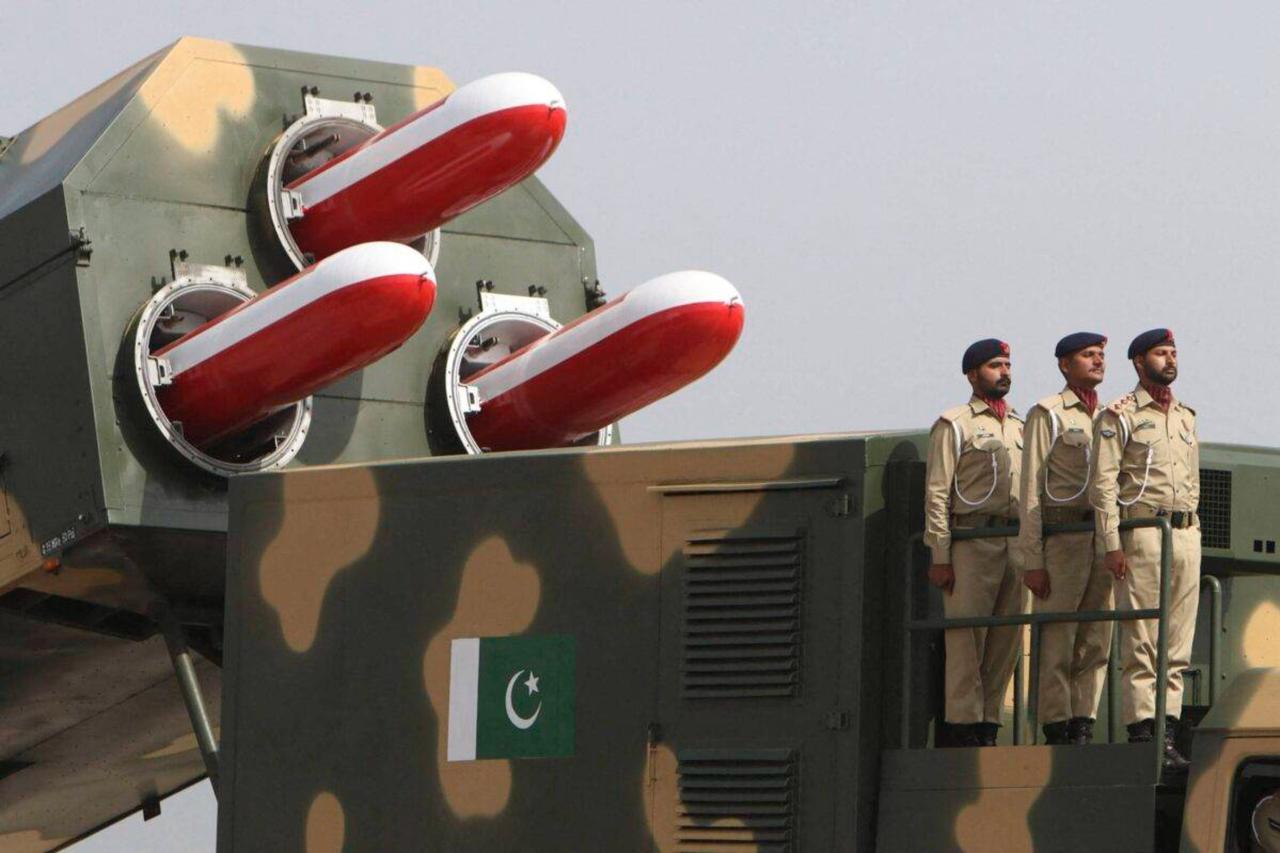
The mechanism brings together Egypt, Pakistan, Türkiye and Saudi Arabia to strengthen diplomatic consultations, coordinate de-escalation efforts and support political solutions to regional crises.
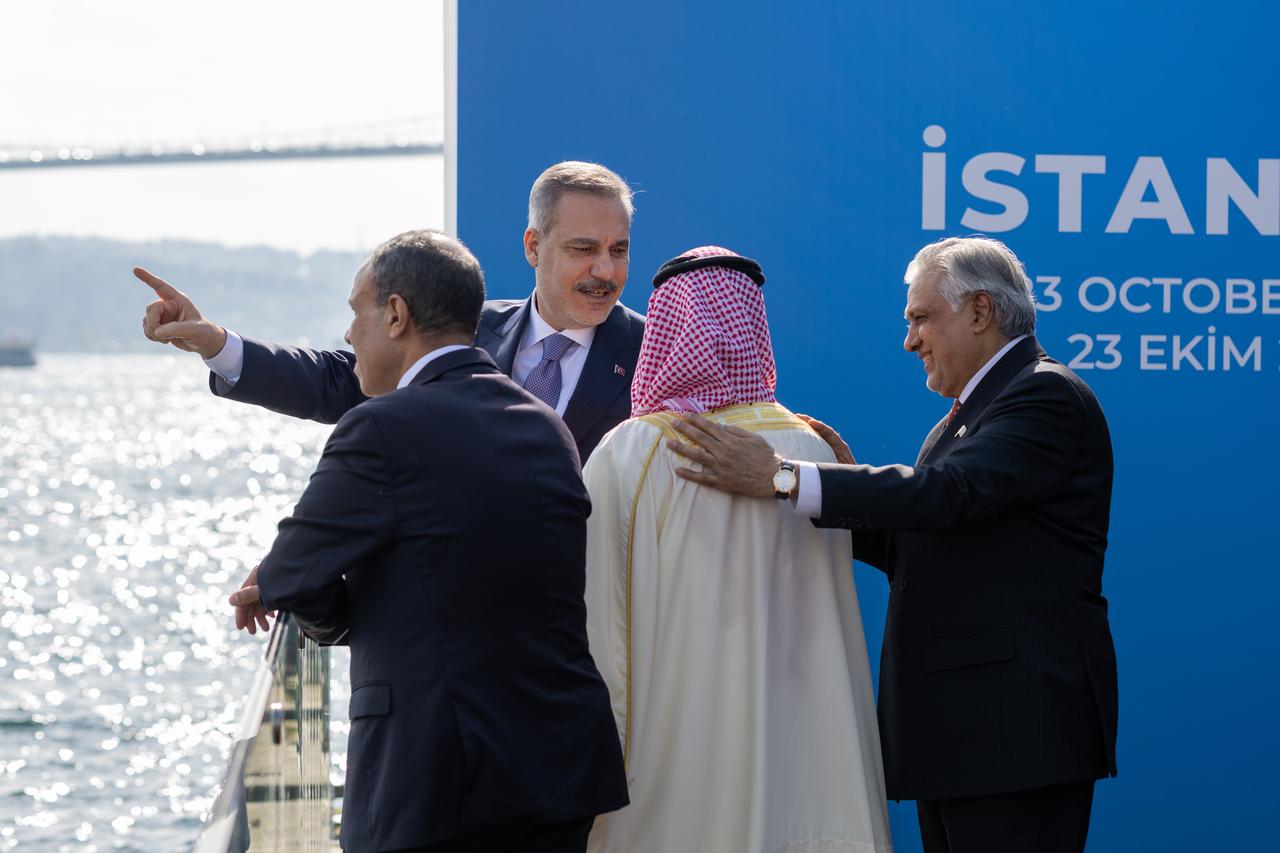

The discussions came a day after Egypt's parliament approved a mandate for President Abdel Fattah al-Sisi, by a two-thirds majority, to take necessary measures to support Saudi Arabia and defend its territory, sovereignty and holy sites in coordination with the kingdom.
The parliamentary decision followed months of military escalation between Saudi Arabia and Yemen's Houthi group, with hostilities intensifying since July.
The confrontation has included Houthi attacks targeting civilian aviation facilities and energy infrastructure in Saudi Arabia.
Saudi Arabia has led a military coalition since March 2015 in support of Yemen's internationally recognized government against the Houthis, who have controlled the capital, Sanaa, and several other provinces since September 2014.
In a separate statement, the Egyptian Foreign Ministry said Abdelatty and UAE Foreign Minister Abdullah bin Zayed discussed the latest regional developments, particularly mounting indications of possible further escalation.
Abdelatty emphasized the importance of a coordinated regional response, urging countries to “unite their efforts to reach peaceful solutions and return all parties to a peaceful political track to prevent the region from sliding into a more dangerous phase of the current crisis.”
The talks took place as diplomatic efforts continued to ease tensions between Washington and Tehran over unresolved disputes, including the conditions for reopening the Strait of Hormuz.
The United States and Israel launched a war against Iran on Feb. 28, prompting Tehran to retaliate with attacks on Israel and U.S. military facilities in Arab countries.
Washington and Tehran subsequently signed a memorandum of understanding on June 18 and opened negotiations aimed at resolving the conflict.
However, the talks later collapsed over disagreements, including maritime navigation through the Strait of Hormuz, a strategic waterway for global energy shipments and international trade.


 Set as preferred source
 Set as preferred source


 1 min read
 1 min read