Newsletters


Public assurances from Yemen's Iran-linked Houthis that they intend to preserve safe shipping through the Bab el-Mandeb Strait may not reflect the group's actual intentions, according to an assessment by the Institute for the Study of War (ISW), which warned that consolidated Houthi control over the waterway would be "unacceptable" for U.S. national security interests.
While the Houthis have banned only Saudi vessels from the strait, with politburo member Hazem al-Assad telling Al-Araby al-Jadeed news outlet that there is "no need for international concern," the ISW said in its Sept. 11 assessment that the group's "true intentions" could differ substantially from its public statements.
According to the ISW, the Houthis' Red Sea campaign is driven by four main objectives: ending Saudi military operations in Yemen, lifting the Saudi blockade of Houthi-controlled Yemeni ports and airports, coercing Saudi Arabia into paying Houthi civil servants' salaries, and pressuring Riyadh to pay reparations to Yemeni civilians.
But the think tank warned that the group's new positions also set it up for action extending beyond its conflict with Saudi Arabia.
"Allowing the Houthis to consolidate their new positions and establish control over the Bab el-Mandeb would also give the Houthis unacceptable leverage over this critical waterway in future conflicts, beyond the current Houthi campaign against Saudi Arabia," the ISW said, adding that the Houthis' seizure of Yemen's Red Sea coast and Perim Island "enables the Houthis to use a broader range of weapons systems to threaten shipping."
Recent advances have put the group within artillery range of shipping lanes in the strait, prompting the think tank to note: "Allowing the Houthis to consolidate positions that leave them in range to use tactical weapons against shipping lanes in the Bab el-Mandeb is unacceptable for U.S. national security interests."
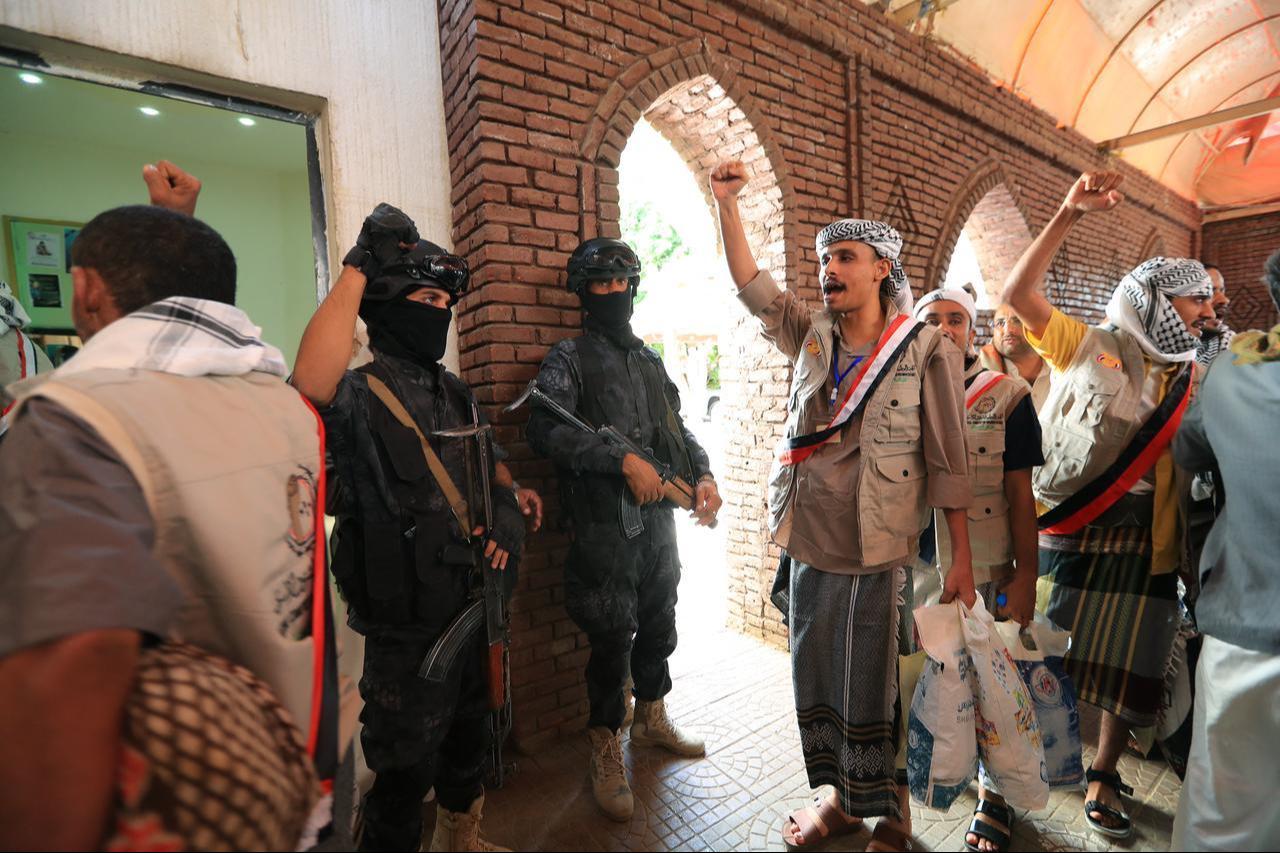

Yemeni government and Houthi officials said Monday that Houthis had captured the Greater and Lesser Hanish islands, roughly 100 miles north of the Bab el-Mandeb Strait, after hundreds of government-allied forces withdrew from the archipelago, according to The Associated Press (AP).
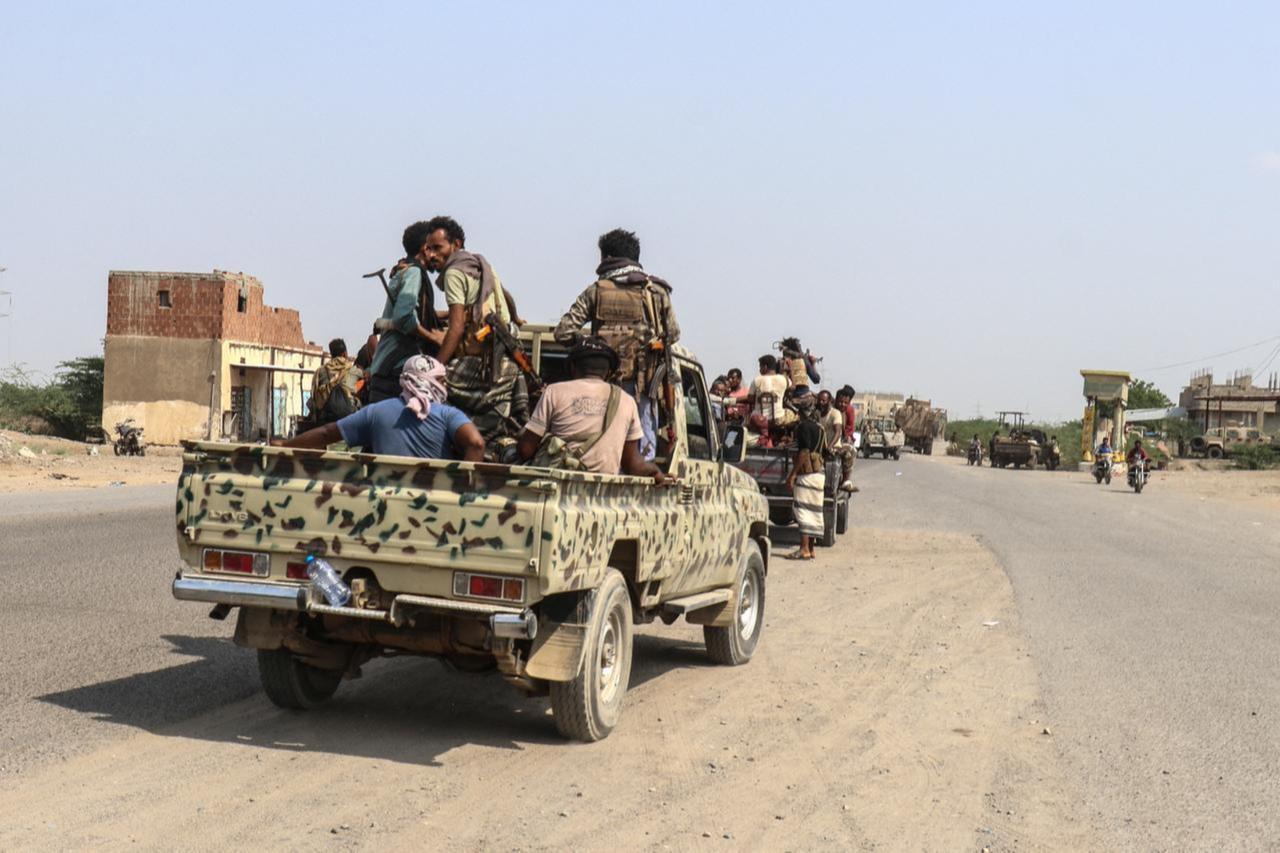
The seizure followed the Houthis' capture last week of the port city of Mocha and came as Saudi-backed government forces attempted to counterattack over the weekend after the rebels' rapid advances around the strait, which also included the capture of Perim Island and the town of Dhubab.

Yemeni analysts who spoke to Türkiye's state-run Anadolu Agency (AA) outlined three possible trajectories for the fighting around the Bab el-Mandeb.
In the first, intensified Yemeni government counterattacks could force the Houthis to withdraw from some recently seized areas.
Adel Dashela, a researcher at the Sanaa Center for Strategic Studies, said the Houthis may struggle to hold their gains for long given sustained government pressure on multiple fronts, with new fronts opening in Marib, Al-Jawf, Al-Bayda and Taiz potentially slowing the Houthi advance or forcing redeployments.
Yemeni military and strategic expert Brig. Gen. Mohammed al-Kumaim said he expects government forces to launch counterattacks to retake lost territory, warning that delay could carry higher costs and invoking the 2018 Stockholm Agreement, under which implementation stalled over redeployment and access disputes, as a cautionary example: "The Stockholm Agreement cost the world dearly. If no lesson is learned from it, an even greater cost will be paid."
In the second scenario, the fighting around the Bab el-Mandeb could expand into a broader regional and international confrontation.
Kumaim said the battle for the strait is no longer confined to Yemen, since control of the waterway represents a strategic objective for Iran, and said the international community is unlikely to tolerate prolonged Houthi control over strategic islands and positions, particularly Perim and the Hanish islands, given their importance to maritime traffic. Should the Houthis continue threatening shipping-linked areas or target regional states, the conflict could escalate into broader military and political intervention, according to the assessment.
In the third scenario, the Houthis could seek to consolidate their gains along Yemen's west coast without fully closing the Bab el-Mandeb or directly targeting international vessels.
Dashela said the group's likely aim is to maintain pressure on Saudi Arabia while avoiding a broader international confrontation that could result from closing the strait outright or directly striking international shipping.
Under this scenario, the Houthis would retain influence along the coast while facing continued Saudi airstrikes and government counterpressure. Dashela said a rapid military expulsion of the Houthis or swift reversal of their gains appeared unlikely given the group's continued battlefield success despite mounting military and aerial pressure.
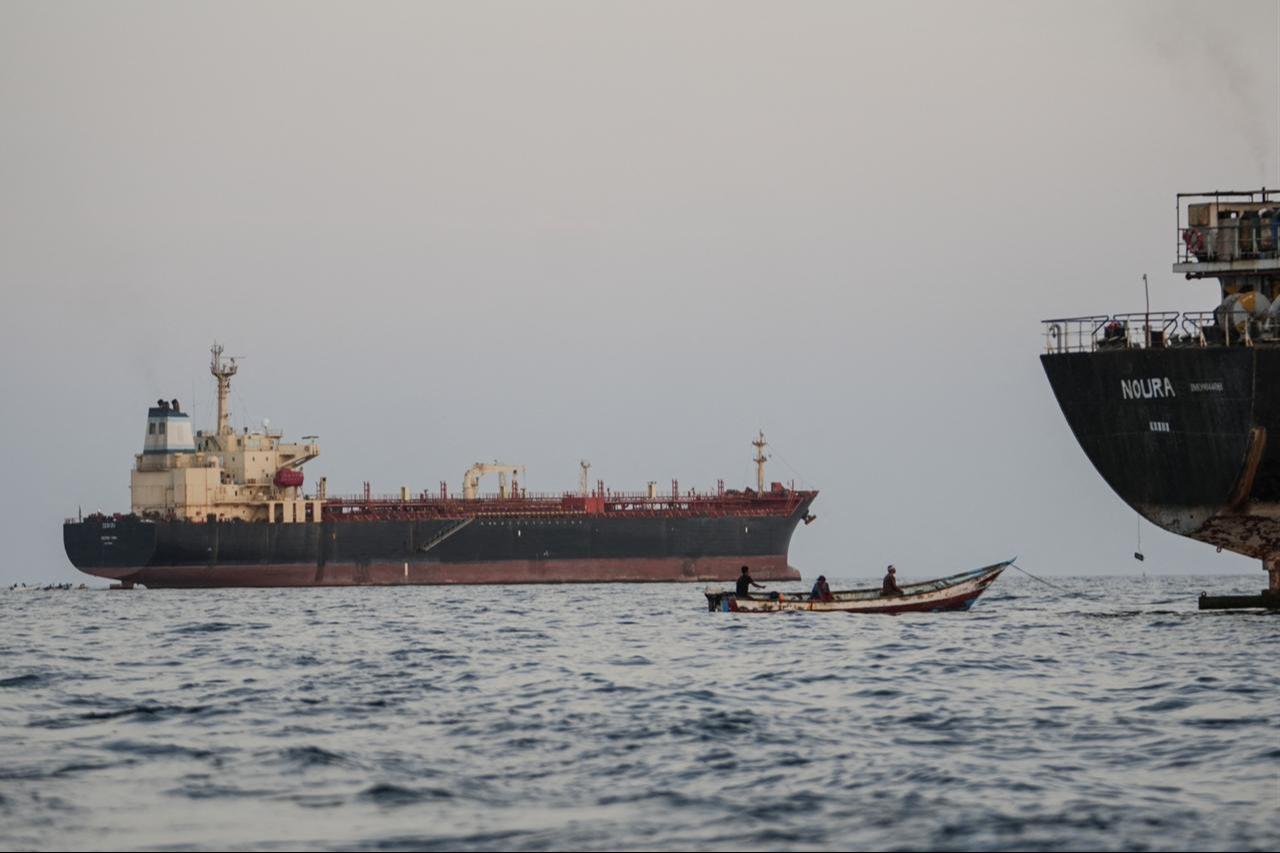
The Houthis claimed Monday to have carried out a large-scale missile and drone attack on Saudi Arabia's King Khalid Air Base in Khamis Mushait, with Houthi military spokesman Yahya Saree saying the strike targeted aircraft hangars, radars, runways and ammunition depots, causing "significant losses."
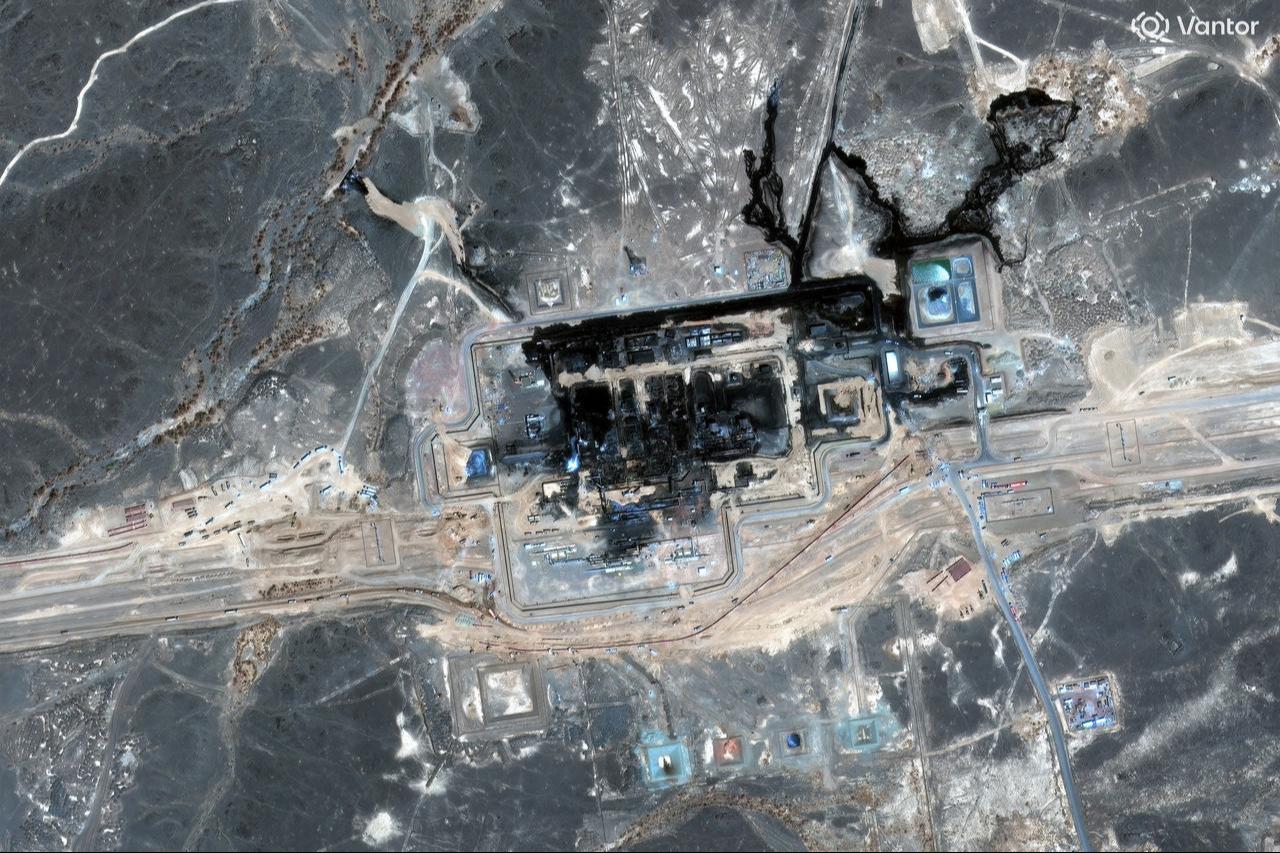
Saudi Arabia's East-West pipeline, shut since Friday following a drone attack Riyadh said originated in Iraq, has left the Red Sea port of Yanbu with enough stored oil for just five to seven days of exports, according to industry sources cited by Reuters, threatening a loss of up to 4% of global oil supply if the line is not restored soon.
Estimates for repair time varied from a possible partial resumption within days to five or six weeks, sources told Reuters.
Saudi oil production fell to 6.2 million barrels per day (bpd) in August, down from 10.9 million bpd in February before the war, the kingdom told OPEC.
The International Energy Agency said global oil supply would decline by about 5.7 million bpd, or 6%, this year.
Saudi Crown Prince Mohammed bin Salman met with U.S. Central Command (CENTCOM) chief Adm. Brad Cooper in Jeddah on Monday to discuss bilateral relations and regional developments, according to Saudi state media.
The meeting came days after reports that the crown prince had sought direct U.S. military assistance against the Houthis from U.S. President Donald Trump, who declined to authorize strikes but offered intelligence-sharing and targeting support instead.


 Set as preferred source
 Set as preferred source


 1 min read

 1 min read