Newsletters


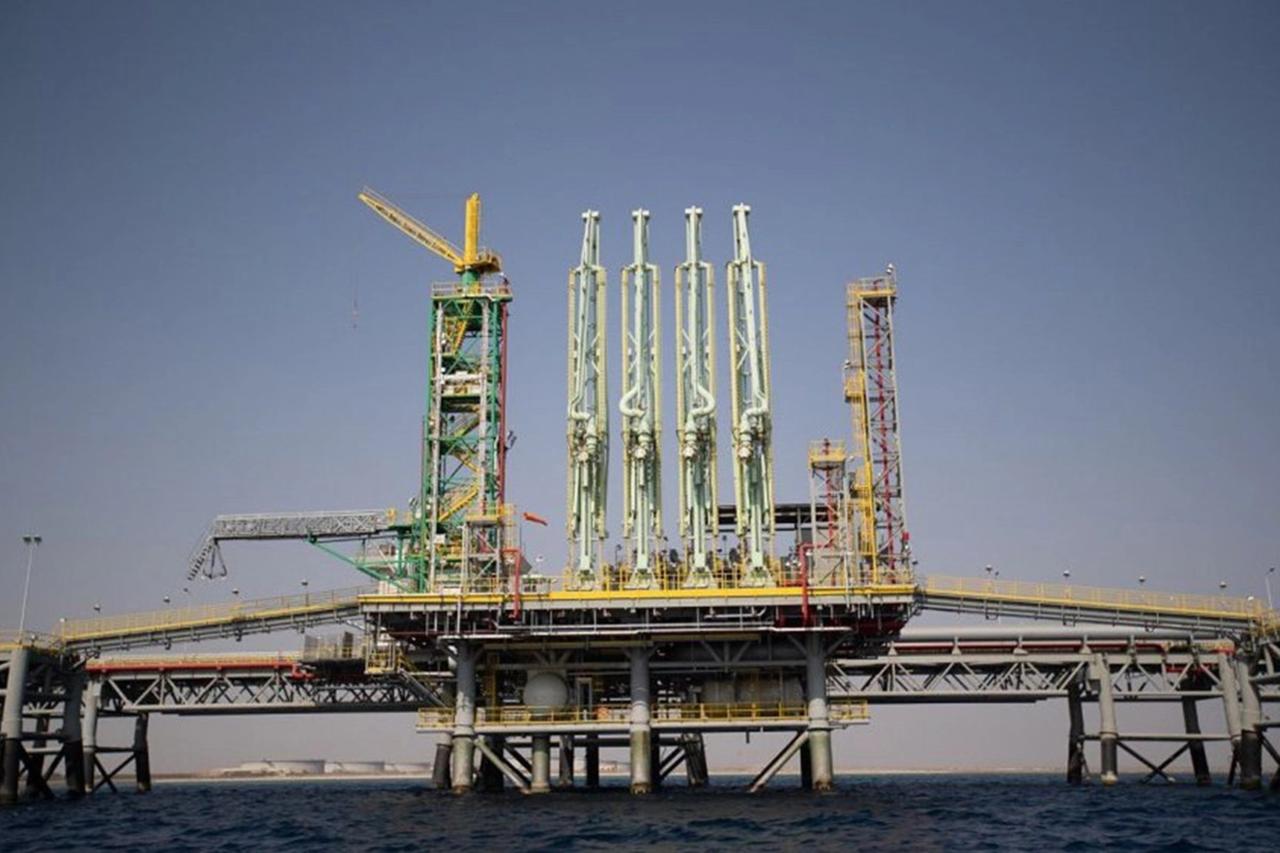


Yemen’s Iran-backed Houthis claimed Wednesday that they launched ballistic missiles and drones at a Saudi Aramco facility in Yanbu and the Khamis Mushait Air Base in Saudi Arabia.
In a post on X, Houthi military spokesperson Yahya Saree said the attacks came in retaliation for alleged Saudi airstrikes on Yemen, which he claimed had exceeded 450. The spokesperson vowed to keep targeting areas inside Saudi Arabia, declaring that the Houthis would respond to further attacks.
The statement followed an earlier claim by the Houthi forces that they had shot down a Saudi F-15 fighter jet over Marib province using a locally made surface-to-air missile. According to the group, Saudi warplanes had carried out more than 450 airstrikes across Yemen during the week.
The Houthis claimed that F-15 and Typhoon aircraft operating from the Khamis Mushait and Taif air bases targeted Taiz, Lahj, Al Jawf, Hajjah, Marib, Saada and Al Bayda. The group also alleged that the strikes caused civilian deaths and injuries.
If confirmed, the loss would mark the first major Saudi fighter jet loss since 2018, when the Houthis claimed to have shot down Saudi F-15s over Yemen. Saudi authorities, however, said the aircraft survived and returned to base.
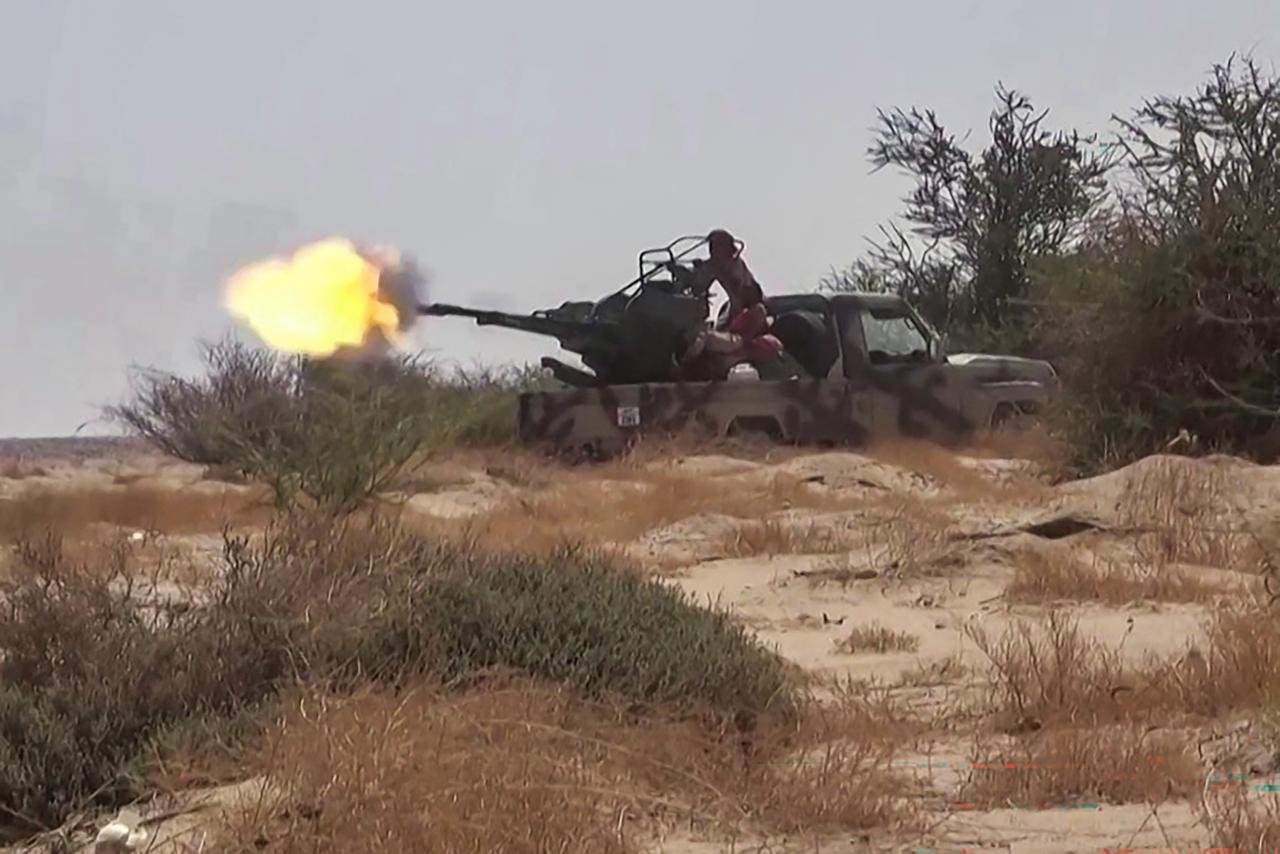

Fighting between the Houthis and Saudi-backed Yemeni government forces is intensifying across several fronts in the most serious escalation since a U.N.-brokered truce halted large-scale fighting in 2022.
The conflict resumed in July and has since spread along Yemen’s Red Sea coast as Houthi forces make territorial gains and government-aligned forces launch counterattacks.
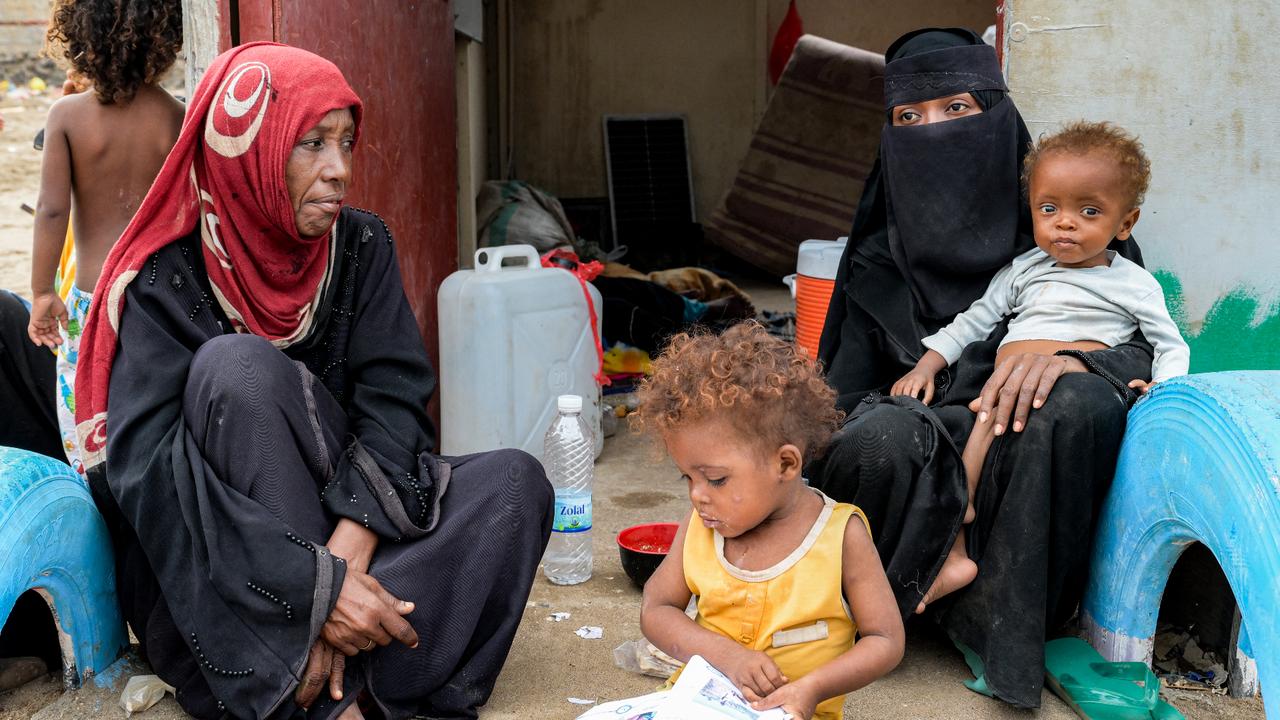
The escalation has displaced more than 100,000 people inside Yemen, while thousands more have fled across the Red Sea to Djibouti, according to the U.N. refugee agency.
More than 2,400 people made the sea crossing to Djibouti in four days, with women, children and older people accounting for more than 60% of those arriving.
The Houthis have also advanced toward the strategic Bab al-Mandeb Strait, taking control of Mocha and nearby areas along Yemen’s western coast. The waterway has become increasingly important to the conflict because of its role in Red Sea shipping and Saudi oil exports.


 Set as preferred source
 Set as preferred source


 1 min read

 2 min read