Newsletters




Yemen's Houthi group claimed early Monday that it had targeted an airport in Saudi Arabia's capital and pumping stations along a major crude oil pipeline, as the Saudi-led coalition launched fresh strikes against the group's military infrastructure.
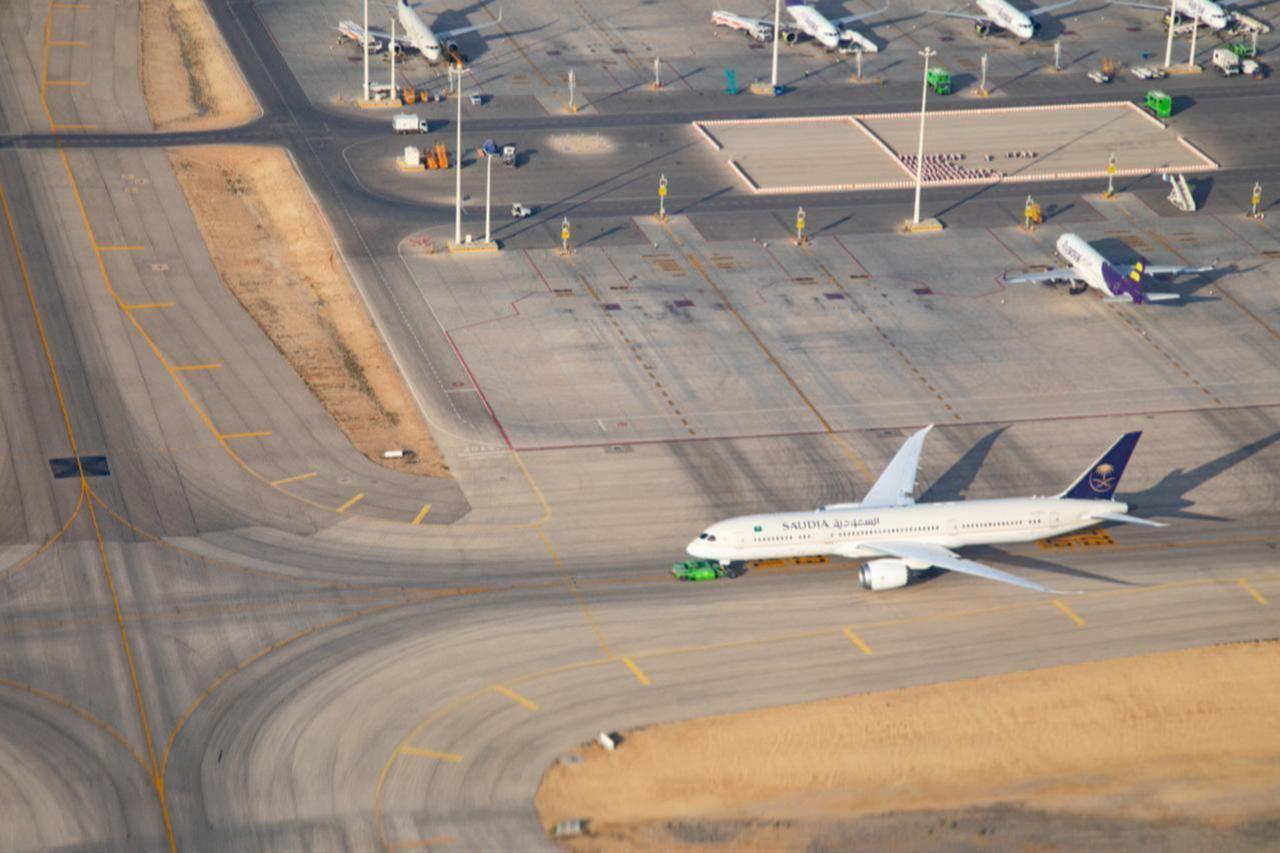
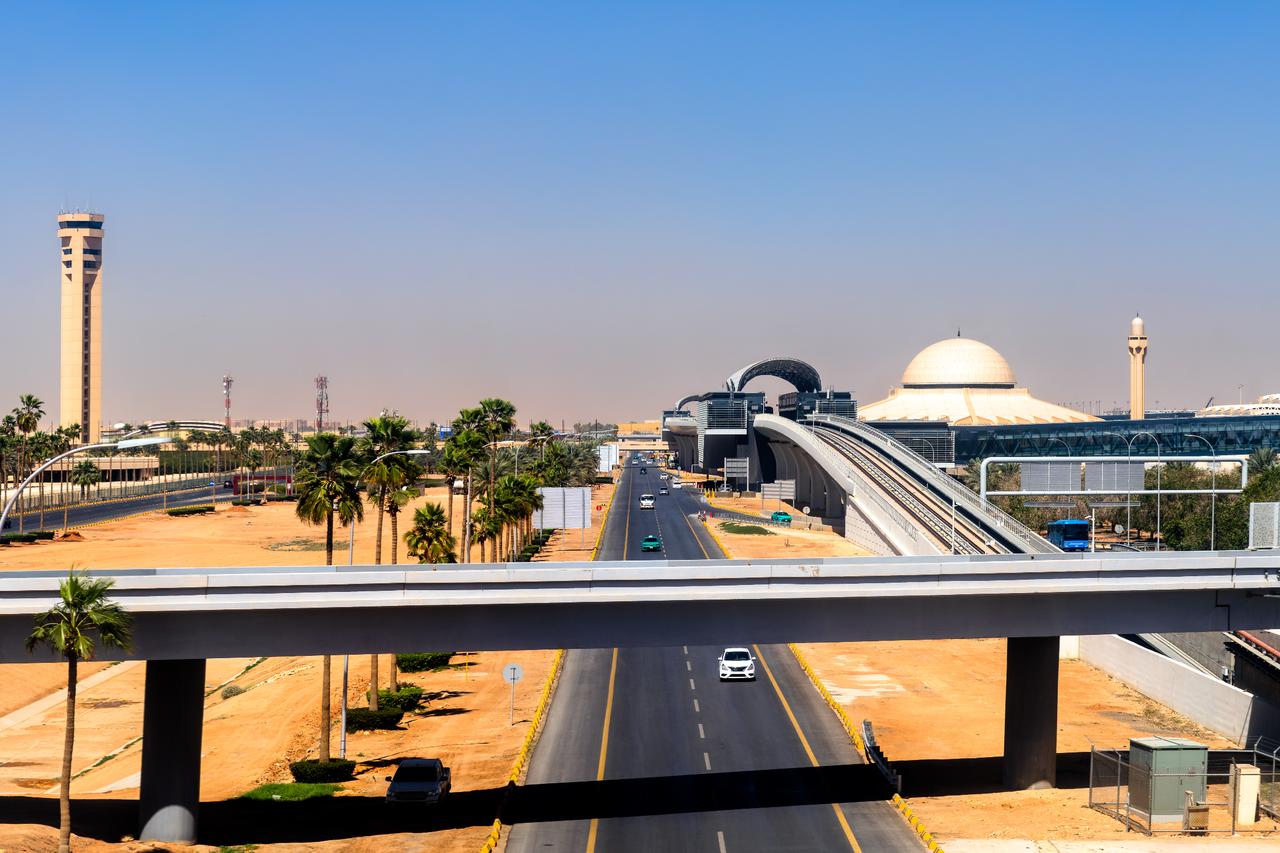
Houthi military spokesman Yahya Saree announced early Monday that the group had fired a ballistic missile at King Khalid International Airport in Riyadh and deployed drones against pumping stations along Saudi Arabia's East-West Pipeline.
Saudi authorities reported a security alert in the capital, while coalition spokesman Maj. Gen. Turki Al-Maliki confirmed that a ballistic missile aimed at Riyadh had been intercepted.
The Saudi-led coalition reported fresh operations against Houthi forces, targeting missile launchers and other military infrastructure in areas controlled by the group.
Maliki reported that coalition forces had destroyed two ballistic missile launchers in Sanaa early Monday. One of the launchers, he added, had been used in an attack on Riyadh hours earlier.
In a subsequent statement, the coalition spokesman said the operation had destroyed five tunnels used to store ballistic missiles, four ballistic missile launchers and one missile depot in Houthi-controlled areas.
The operation also targeted military positions, equipment and supply routes connecting areas under Houthi control. Maliki described the campaign as an exercise of Saudi Arabia's right to self-defense.
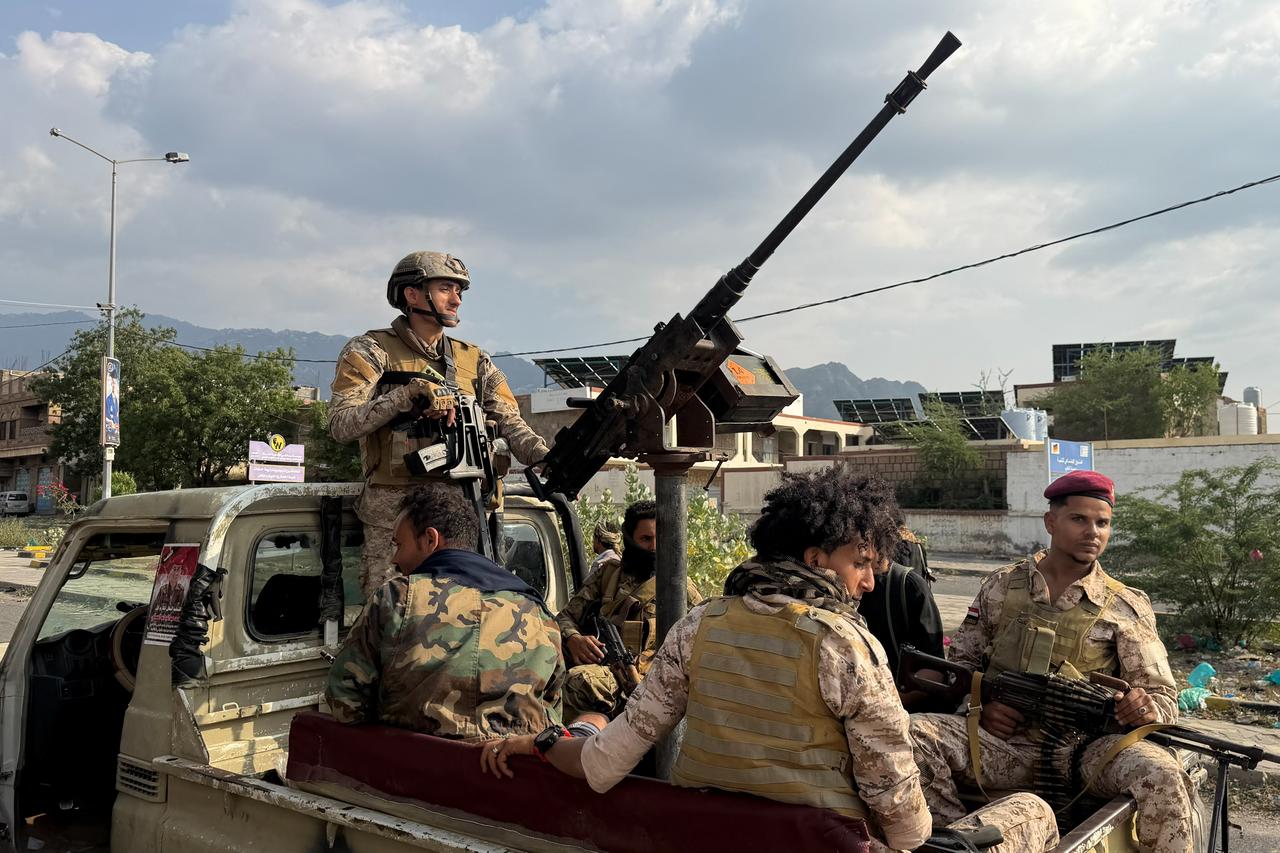

The Houthis also claimed to have attacked government forces in Yemen's Aden and Lahij governorates.
Saree said the group had launched multiple ballistic missiles at weapons depots in the Salah al-Din area of Aden and the Al-Wahat area of Lahij. The claims have not been independently verified.
Meanwhile, the Yemeni army reported Sunday that its forces had neutralized around 218 Houthi fighters and field commanders in 753 operations over the preceding 24 hours.
The army also reported destroying or damaging 78 military vehicles and weapons during Operation Dawn of Yemen. According to its statement, the operations targeted forward command centers, fortifications, firing positions, troop concentrations, reinforcements and supply vehicles.
The military said the campaign had disrupted Houthi reinforcements heading toward front lines and supported raids and ground assaults by government forces. The Houthis had not immediately commented on the army's reported operations.
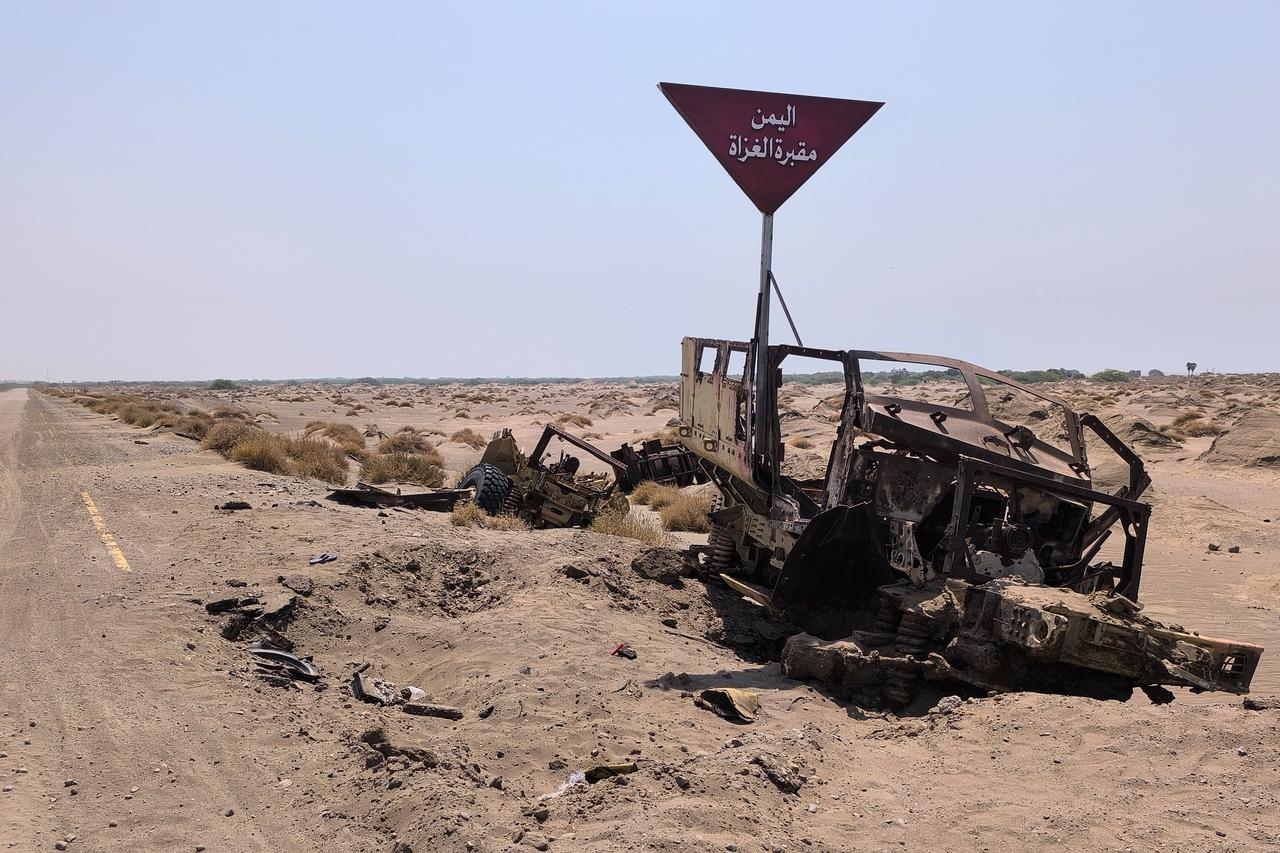
Saudi Arabia's East-West Pipeline, also known as the Petroline, is a key part of the country's oil transportation network. Operated by state-owned oil giant Saudi Aramco, it stretches approximately 1,200 kilometers (745 miles) from the Abqaiq area in eastern Saudi Arabia to Yanbu on the Red Sea coast.
The pipeline carries crude oil from production and processing facilities in the east to refineries and export terminals along the Red Sea. It also gives Saudi Arabia an overland alternative to shipping oil through the Strait of Hormuz.
The Houthis have targeted the pipeline several times since the regional conflict escalated, with previous attacks damaging pumping stations and disrupting oil flows. The available information does not establish whether the reported drone strikes caused damage or disrupted pipeline operations.
Yemen's civil war began in September 2014, when the Houthis seized the capital, Sanaa, and several other provinces. A U.N.-brokered truce reached in 2022 largely held until renewed clashes and mutual strikes in July 2026 reignited the conflict, particularly along the Red Sea coast.


 Set as preferred source
 Set as preferred source


 2 min read
 1 min read