Newsletters





Serbia’s ruling party has lost parliamentary snap elections, veteran leader Aleksandar Vucic said Sunday, citing preliminary results that showed the student-backed protest movement surging ahead.
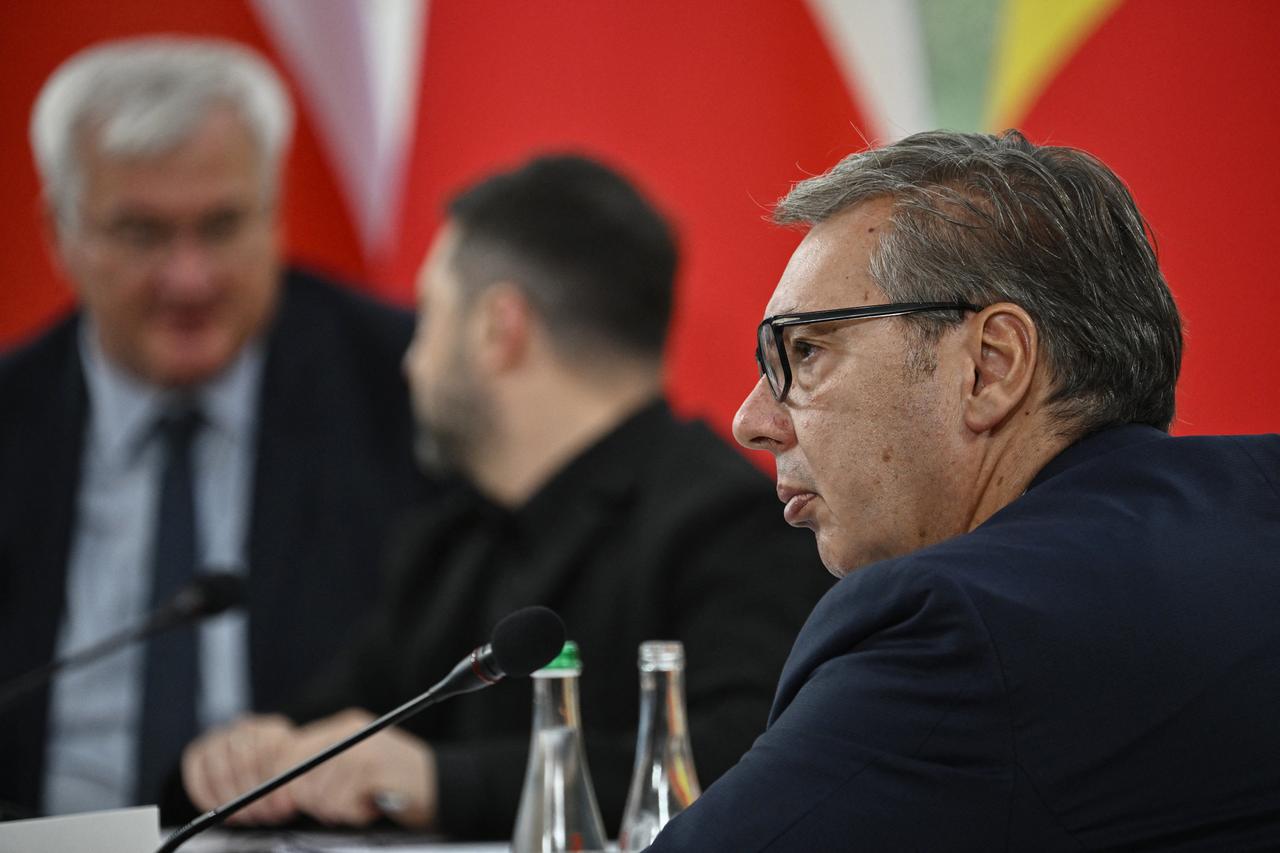
“Based on a stratified sample, it is clear that we lost these elections,” Vucic told supporters at his party headquarters in Belgrade.
The vote caps nearly two years of student-led protests that began after a concrete canopy collapsed at the Novi Sad railway station in 2024, killing 16 people.
The concession is a striking reversal for a politician whose Serbian Progressive Party (SNS) has dominated national politics for more than 14 years. Official results had not been announced when Vucic spoke, and the figures he cited were preliminary.
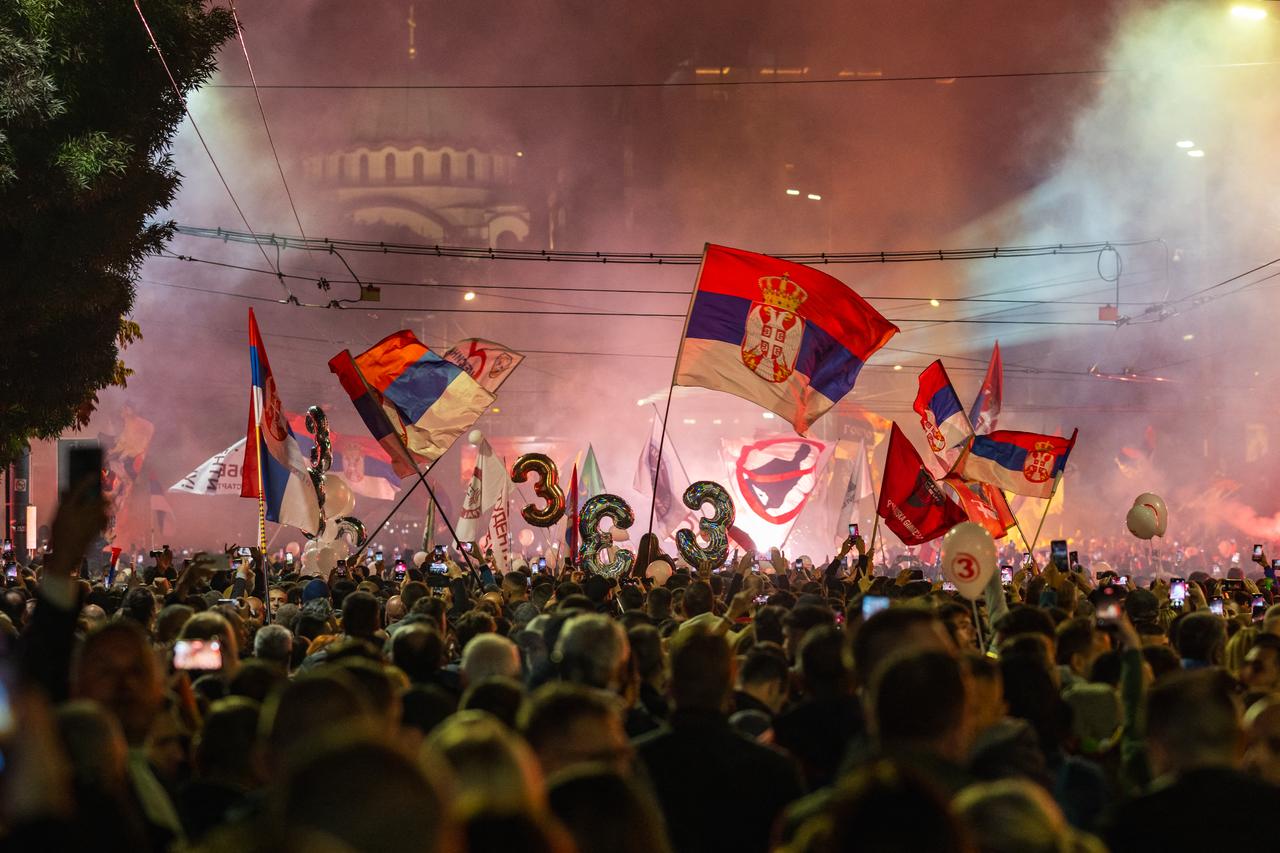
Voters turned out in numbers not seen in decades. By 6 p.m., two hours before polls closed, election officials said nearly 65% of the country’s 6.4 million registered voters had cast ballots.
That already exceeded the just over 61% recorded in the 1993 parliamentary election, making it the highest turnout in more than three decades.
Long queues formed before polling stations opened in Belgrade and across the country and lasted through the day. Serbs abroad also voted, and lines of cars built up at the Croatian, Hungarian and Kosovo borders as members of the diaspora returned home. Experts had predicted that unusually high turnout would favor the student movement.
Eighteen lists competed for seats in the 250-member parliament, but polls suggested voters would largely choose between the SNS and the Students’ List.
The list is backed by the largely leaderless protest movement and fielded about 250 candidates, most of them experts from academia, the arts and other fields with little political experience. It is led by cardiologist Ilija Srdanovic.
Several leading opposition parties chose not to run and urged their supporters to back the students.
An Ipsos poll published Thursday had put the SNS at 47% and the Students’ List at 40%, though other surveys had the students ahead. Around 150,000 people attended the movement’s final pre-election rally in Belgrade on Thursday, according to an independent protest monitor.
Vucic called the vote last month, citing “major turbulence on the domestic political scene,” and resigned as president to run for prime minister.
He campaigned on higher pensions and public sector pay, more spending on health care and subsidies for young couples. He has repeatedly accused the students of plotting a foreign-funded coup, which they deny.
“Serbia is voting today to decide which direction it will take, towards the future or the past,” he said after casting his ballot.
The election observation group CRTA reported a large number of irregularities during the day and said violent incidents outside polling stations were becoming more frequent. Police reported isolated incidents but did not confirm any major election-related violence.
As polls closed, large numbers of riot police surrounded the election commission, the presidency building and a nearby encampment of pro-government supporters in a park.
Domestic and international observers monitored the vote, and the students mobilized large numbers of volunteers to oversee the process.
The canopy fell on Nov. 1, 2024, at the Novi Sad station, which had been renovated between 2021 and mid-2024 as part of a project tied to China’s Belt and Road Initiative. Officials said the canopy had been conserved rather than rebuilt, a claim critics disputed, and the cause remains under investigation.
The disaster was widely blamed on corruption and set off some of Serbia’s largest protests since the fall of Slobodan Milosevic in 2000.
What began as demands for a transparent investigation grew into calls for an early election. Construction minister Goran Vesic resigned days after the collapse, and Prime Minister Milos Vucevic stepped down in January 2025.
Prosecutors indicted Vesic and 12 others in December 2024, but charges against Vesic and five others were dropped in December 2025 for insufficient evidence. An appeals court in Novi Sad is reviewing that decision.
Seat counts and final percentages were not immediately available. The distribution of seats will determine whether the student movement can govern on its own or must seek partners.


 Set as preferred source
 Set as preferred source


 3 min read
 1 min read