Newsletters


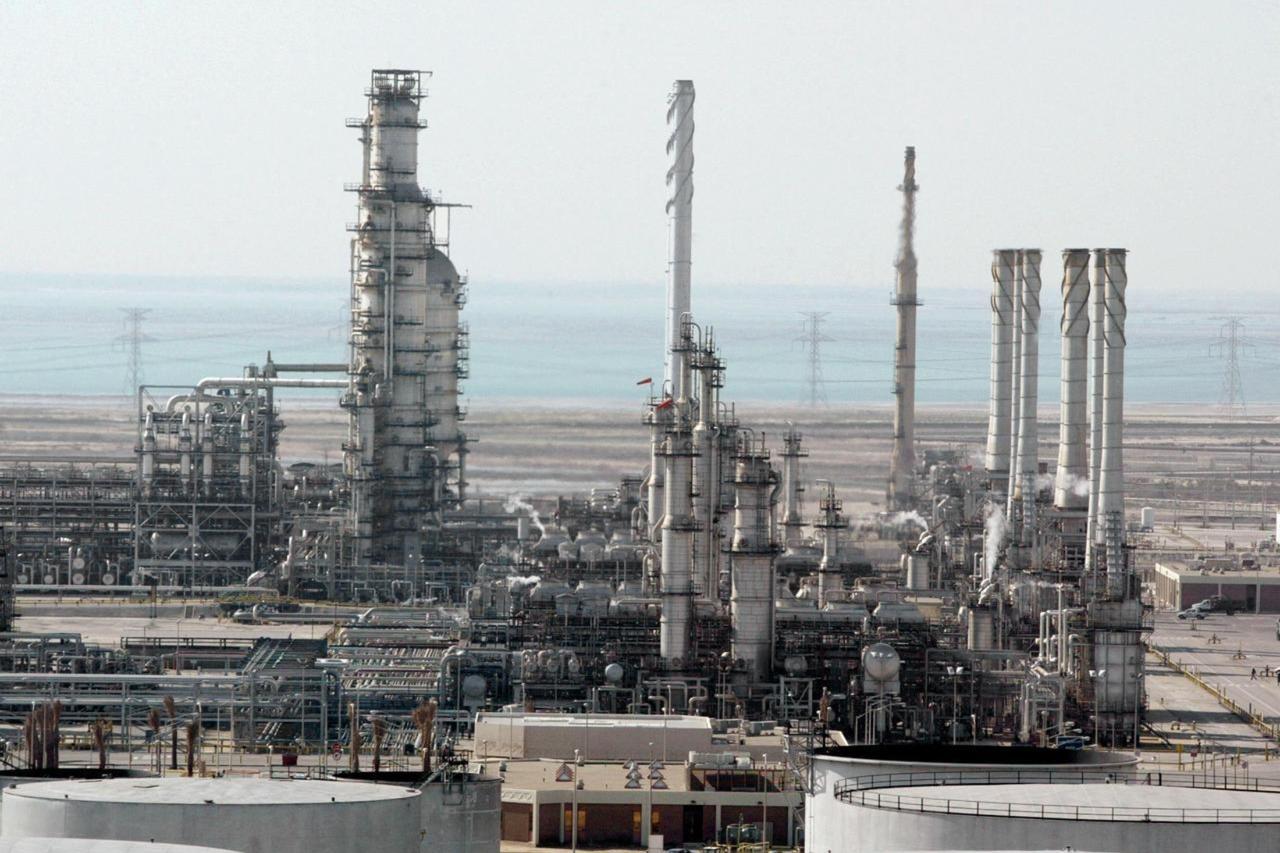


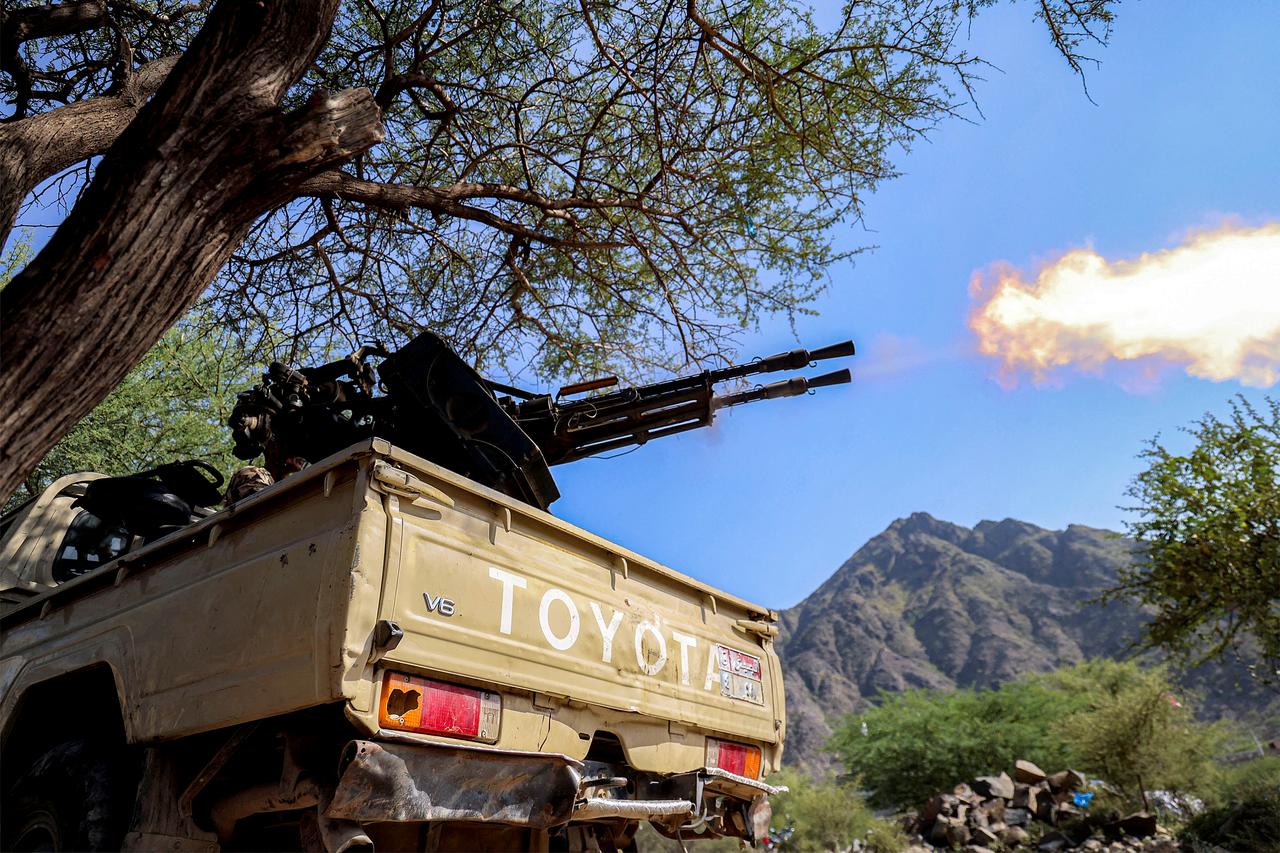
Yemen’s Houthis said they fired ballistic missiles on Tuesday at Saudi Arabia’s largest oil refinery and its defence ministry, while Saudi authorities said they shot down missiles over Riyadh and the Eastern Province and that shrapnel from the interceptions damaged property in the capital.
Saudi Arabia, the world’s top exporter of crude, has endured weeks of strikes by the Iran-backed group on oil and civilian sites, including Riyadh’s international airport. Saudi authorities did not comment on the specific targets the Houthis named.
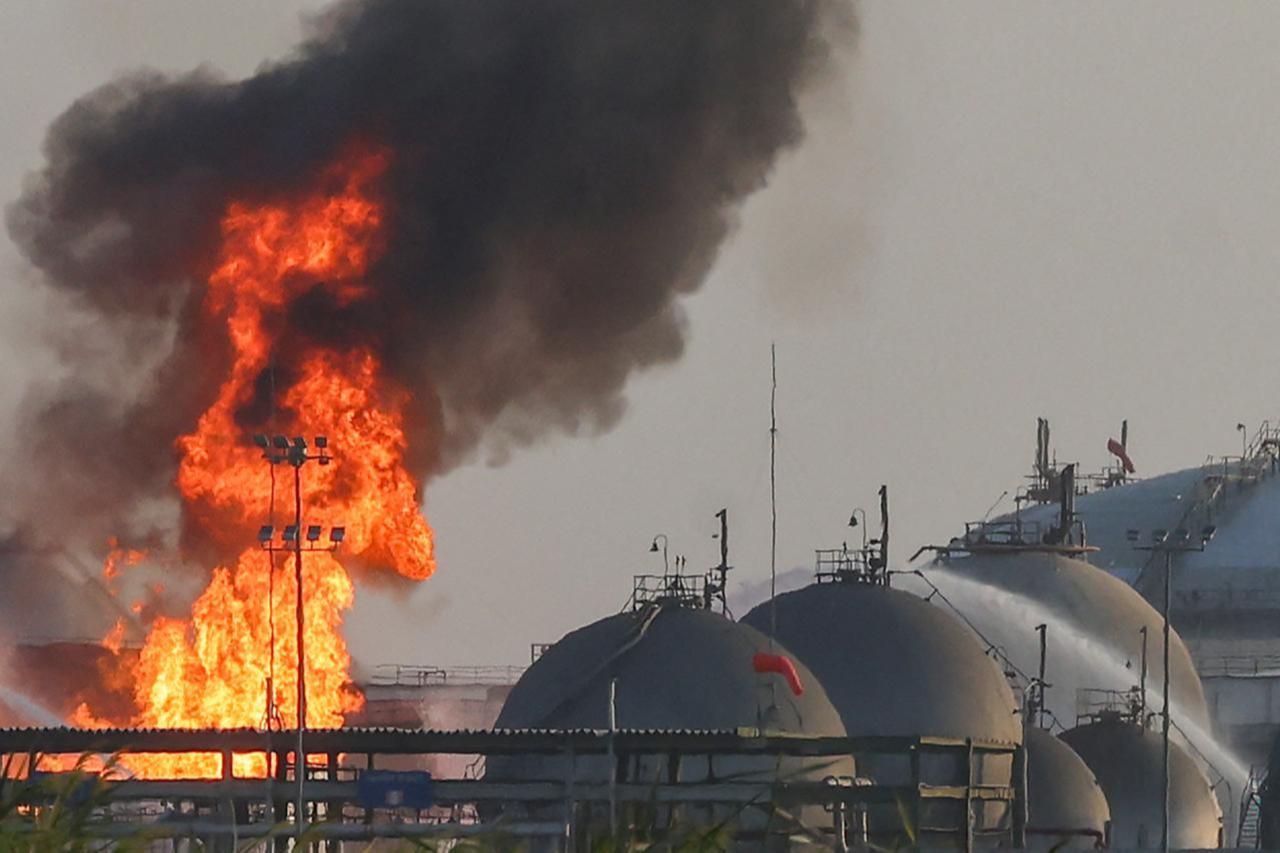
Houthi military spokesman Yahya Saree said the group hit the Ministry of Defence in Riyadh with a ballistic missile and that the strike was “direct”. In a separate post, he said the group also targeted the Ras Tanura refinery in the Eastern Province with a ballistic missile, causing “massive fires”.
Saudi authorities gave a different picture. They said they intercepted two ballistic missiles launched toward the capital, with shrapnel striking a building, a construction project and a car. The Saudi-led military coalition fighting the Houthis said three more missiles fired toward the Eastern Province were also intercepted.
Reporters in Riyadh heard explosions, and a text message alert told residents to seek shelter as blasts rattled windows in the city centre. A resident of Al Khobar, a city south of the Ras Tanura complex, said he heard explosions around dawn after receiving a phone alert. “We got the alert on the mobile and then heard a very loud bang,” he said.

Maritime security agency Vanguard said a fire was reported in the Ras Tanura area in the early hours of Tuesday after an attack. It said the fire had reportedly been contained, but that the extent of the damage and any effect on oil-loading operations remained unclear.
The facility on Saudi Arabia’s Gulf coast houses one of the Middle East’s largest refineries, with a capacity of 550,000 barrels per day, and is a cornerstone of the kingdom’s energy sector. It has been targeted repeatedly in strikes blamed on Iran, including a March drone attack that forced a partial shutdown of the refinery.
The Houthis also said they launched ballistic missiles at two military transport aircraft in southern Saudi Arabia, one at Najran airport and the other at King Khalid Air Base in Khamis Mushait. Saree said the group aimed a drone at Abha airport as well.
Earlier on Tuesday, a Houthi official said the Egyptian parliament’s decision to authorise defensive military support for Saudi Arabia amounted to a declaration of war. Parliament approved the measure on Monday after a request from Egyptian President Abdel Fattah al-Sisi. It was not clear what support Egypt, which has the Arab world’s largest military, would provide.
Mohammed Ali al-Houthi, a member of the group’s political bureau, said in a Telegram post that Egypt and its parliament had declared “war against the Republic of Yemen”. He noted the timing of the decision, which came as the Saudi defence minister, Pakistan’s army chief and Türkiye’s intelligence chief visited Tehran on Monday in an effort to de-escalate tensions in the Middle East war.
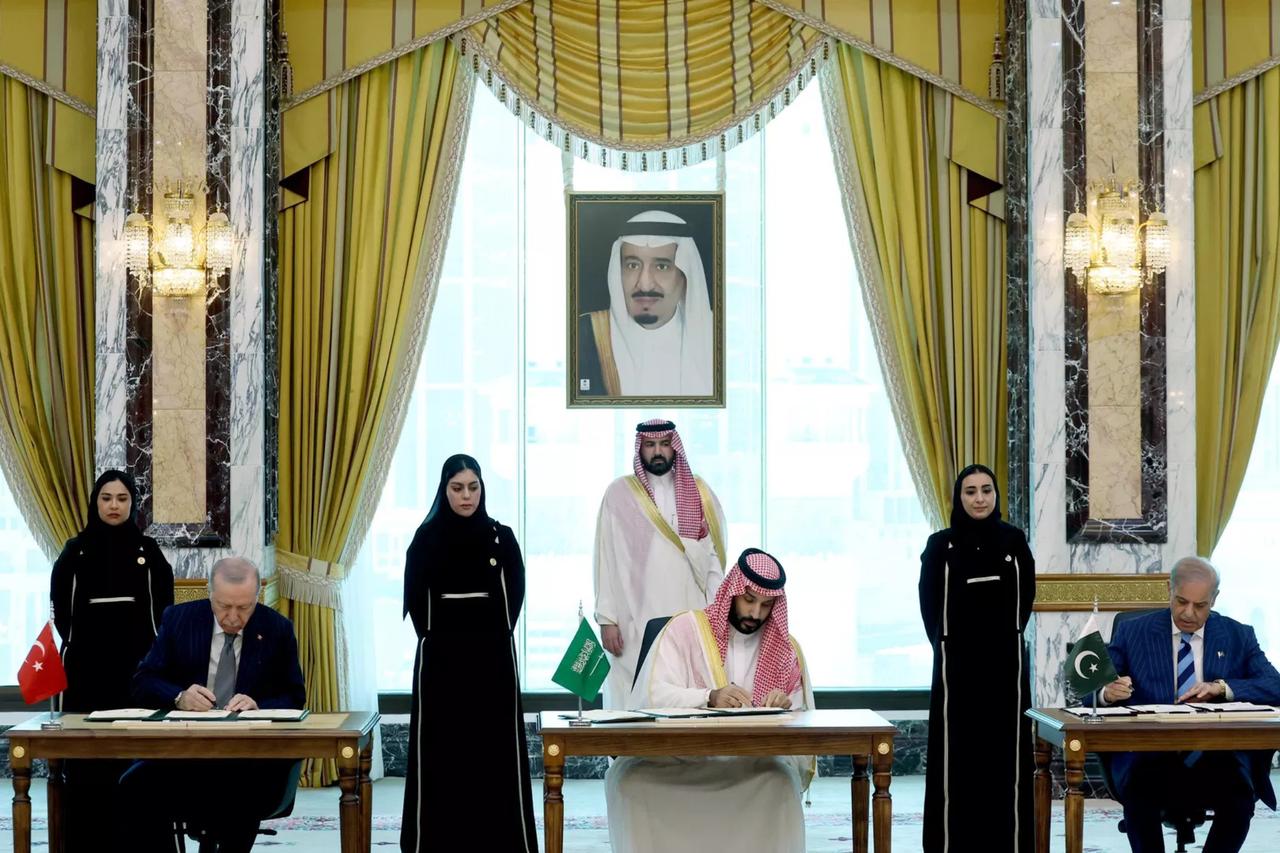
Riyadh, Ankara and Islamabad recently signed a NATO-style defence pact in Mecca, in which each pledged to treat an attack on one of the three as an attack on all. Türkiye and Pakistan have not announced any strikes on the Houthis during the group’s weeks of attacks on Saudi Arabia. Al-Houthi said the group was “not afraid of any alliance that may be formed”.
Yemen’s largely dormant conflict flared again in July, further destabilising a region already months into the war between the United States and Iran. The Houthis, who have controlled much of northern Yemen since the civil war began in 2014, declared a maritime blockade of Saudi Arabia and began hitting its ships, territory and oil facilities. In September they seized swathes of Red Sea coastline in a major offensive.
The group has in turn reported frequent Saudi strikes on areas under its control.


 Set as preferred source
 Set as preferred source


 1 min read
 1 min read