

 Newsletters


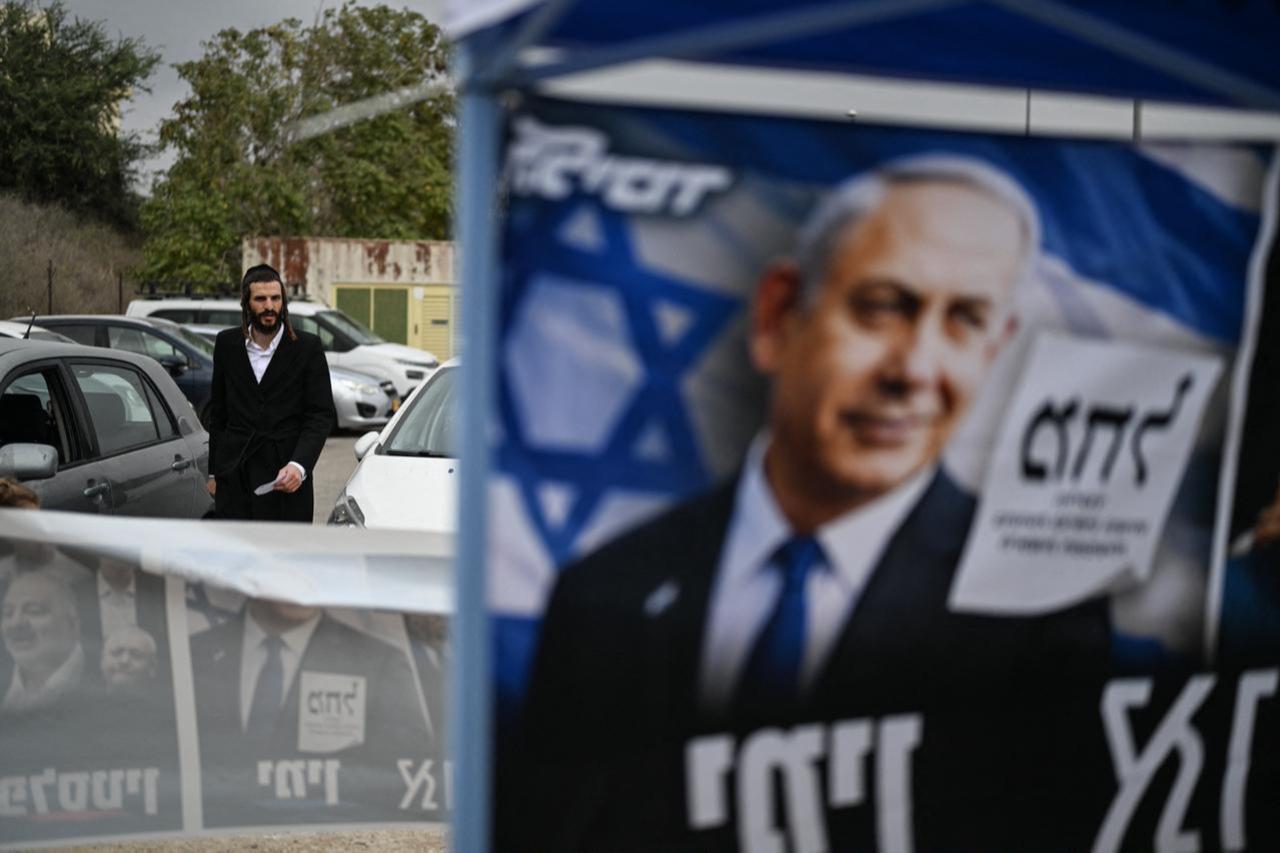


Israeli Prime Minister Benjamin Netanyahu’s Likud party asked election authorities on Tuesday to extend polling hours, a move that came after Netanyahu warned his supporters about high turnout among Arab voters and the highest overall participation in decades.
“We have submitted a request to extend voting hours,” Likud said in a message on Telegram. Polling stations opened at 7 am and are scheduled to close at 10 pm.
The Central Elections Committee had said earlier in the day that stations would stay open past 10 pm for anyone still waiting in line. There was no immediate word on whether Likud’s request would be granted.
The committee said 44.9% of eligible voters had cast ballots by 2 pm, the highest ever recorded at that hour and the highest since the 1973 elections. At noon, turnout stood at 31.5%, compared with 28.4% at the same point in 2022. More than 7.3 million people are eligible to vote at 12,018 polling stations for the 120-seat Knesset.

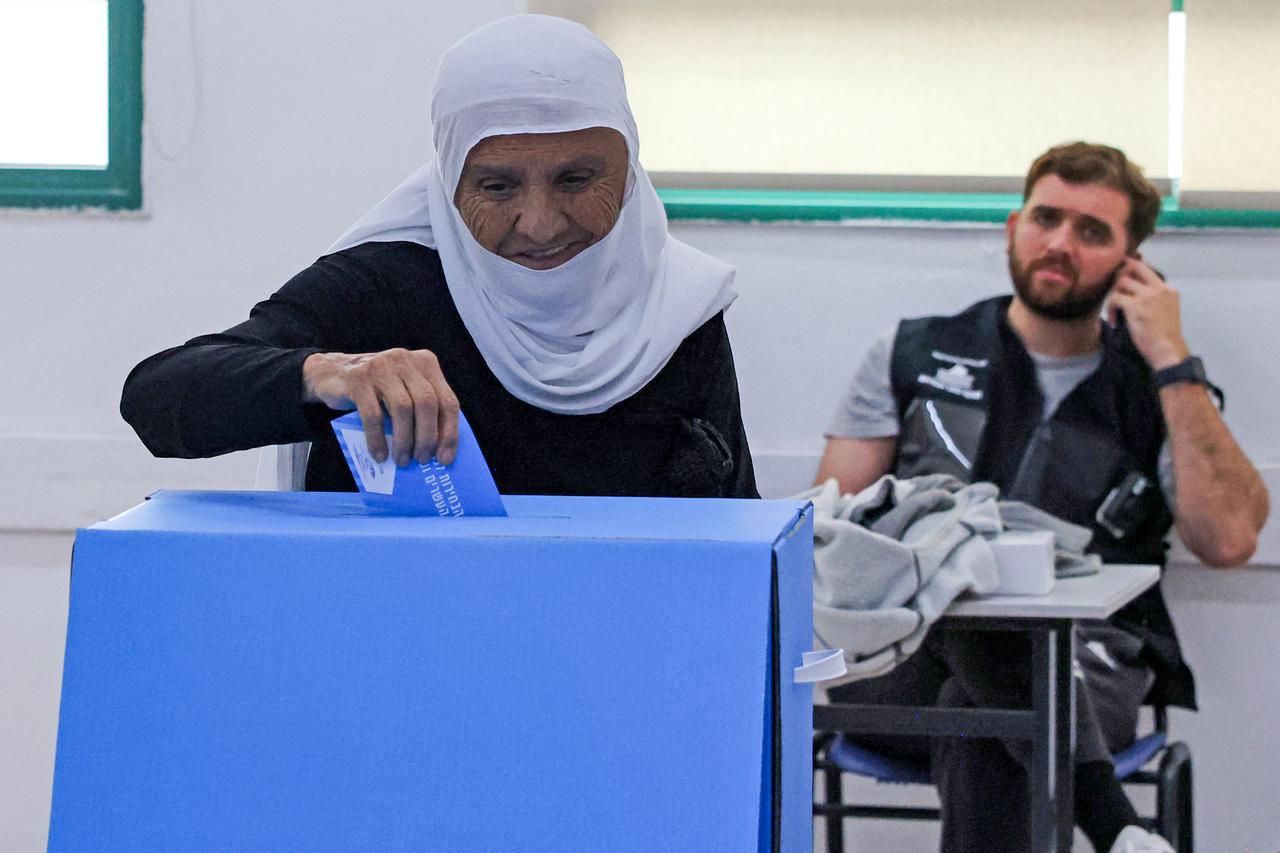
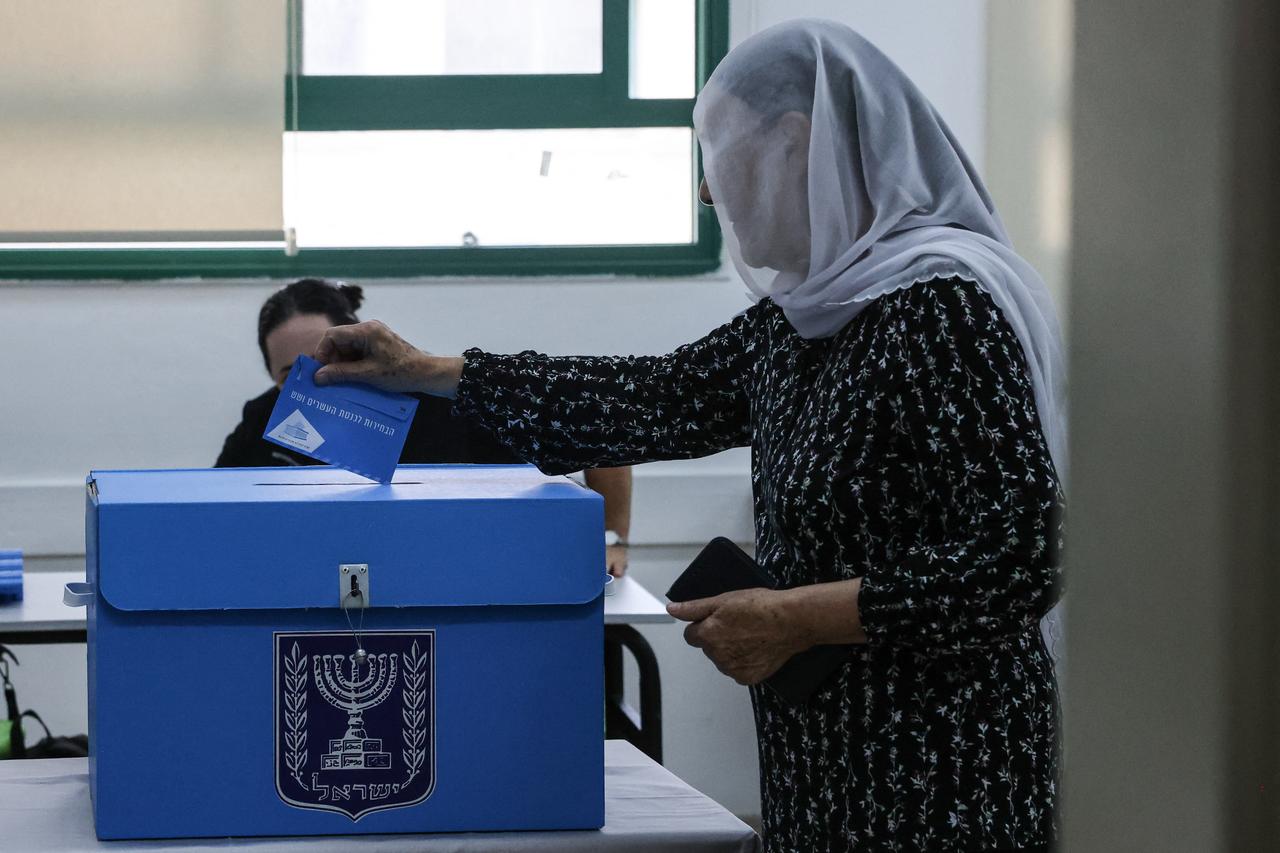
Arab citizens make up about 21% of Israel’s population, roughly 2.1 million people. Pollsters had expected their turnout to rise sharply from about 53% in 2022, with estimates ranging from about 63% to as high as 70%.
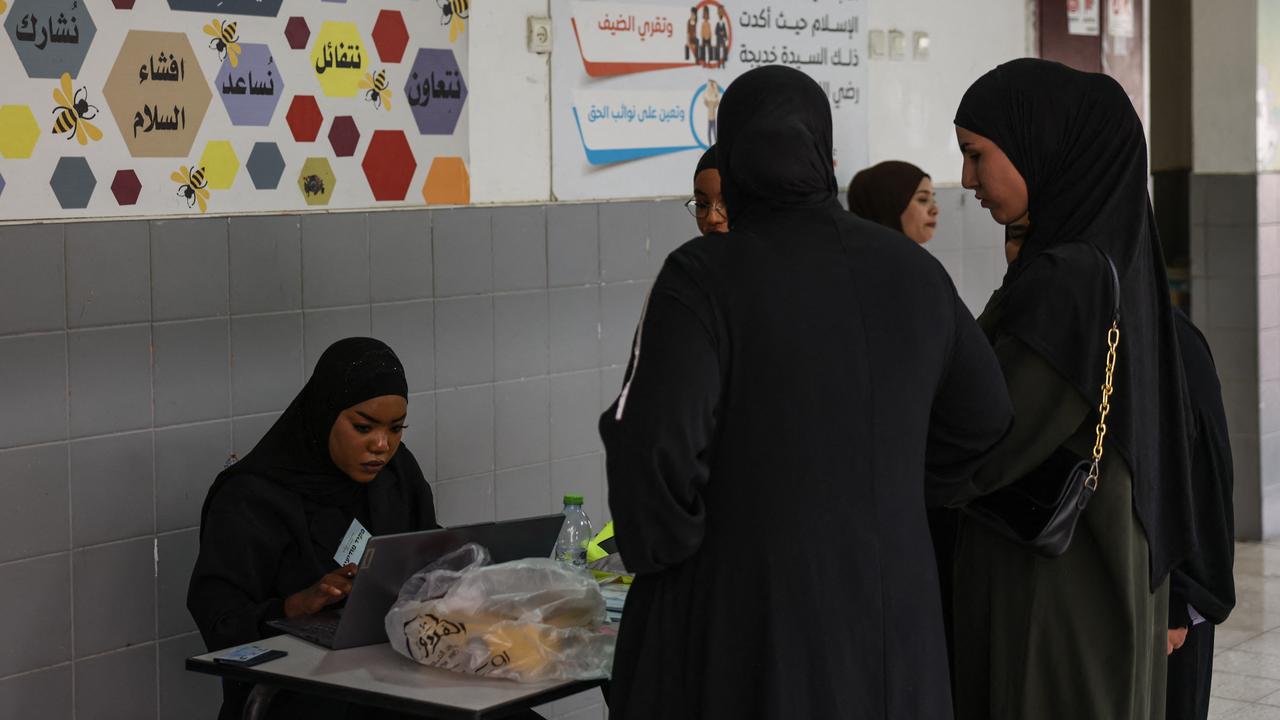
Reports from the day described long lines in some Arab communities, and Rahat, the largest Arab city, recorded 36.9% turnout by noon.
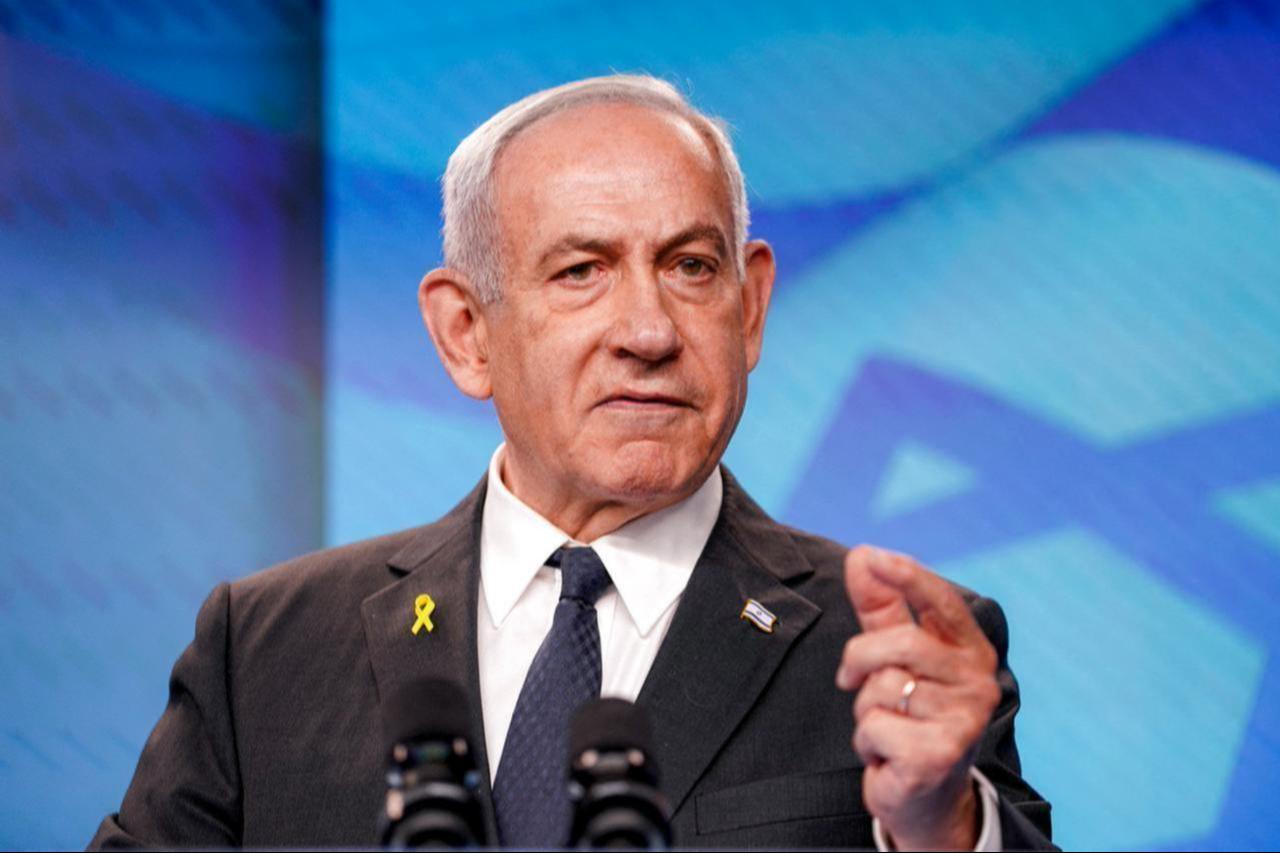
Netanyahu responded in a video to Likud voters, saying Arab voters in southern Israel were “racing to the ballots” and were “trying to steal the election from us.”
He cited the reported arrests of three Ra’am activists on suspicion of bribing voters, and said Arab turnout in the Negev was far higher than among Jewish voters, though he gave no figures.
“No beach, no barbecue, everyone goes out to vote Likud,” he said, adding that the future of the Jewish state was at stake.
In a social media post, he warned that without a strong right-wing turnout, Israel would “find ourselves with a government of the Arab parties.”
Transport Minister Miri Regev wrote on X that “they’re trying to steal the election and the country from us.” Finance Minister Bezalel Smotrich attributed the high turnout to greater participation by Arab voters.
The appeal draws a parallel to Netanyahu’s election-day warning in March 2015 that Arab voters were heading to the polls “in droves.” That message drew criticism, but Likud still finished as the largest party.
The Joint List said turnout in Jewish communities remained higher than in Arab ones, contrary to Netanyahu’s claims, and said he circulated AI-generated images presented as coming from polling stations in Sakhnin and the Negev.
Some Arab communities reported slow identification procedures and long lines, with accusations that the delays were deliberate. The Yashar party of opposition leader Gadi Eisenkot accused Netanyahu of laying the groundwork for a baseless challenge to the results.
The Central Elections Committee said that, contrary to claims circulating online, “there are currently no indications of systematic tampering with ballot slips,” and that individual complaints were being addressed immediately.
Channel 12 reported that Likud began preparing complaints about alleged irregularities in Arab communities before voting started.
Final polls showed opposition parties winning about 56 seats, Likud about 50 and Arab parties about 14. A government needs 61. Ra’am, led by Mansour Abbas, and the Joint List are running separately.
Both Netanyahu’s bloc and Eisenkot’s bloc have ruled out a coalition with them, though they could prove decisive if the gap between the two camps is narrow. Observers expect the outcome to become clear by dawn on Wednesday, with official results due on November 4.


 Set as preferred source
 Set as preferred source


 1 min read
 1 min read


