Newsletters


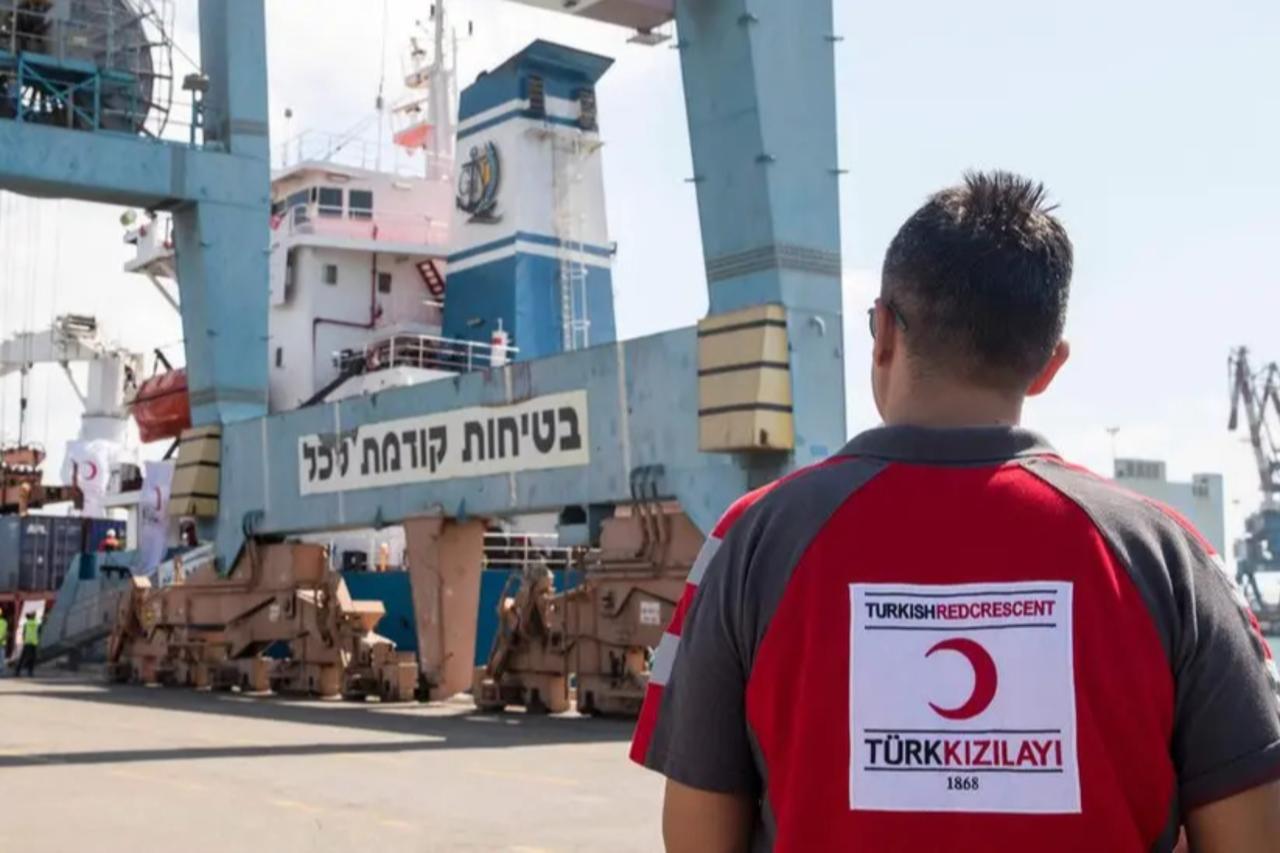


A fresh survey of 1,500 Israelis reveals a complex but overwhelmingly critical picture of how Türkiye is viewed across Israeli society in today's world. Turkish-Israeli relations significantly deteriorated after Israel's genocidal acts in Gaza.
Conducted by Behcet Yalin Ozkara, a scholar at Eskisehir Osmangazi University, in early October with a margin of error of roughly 2.5% at a 95% confidence level, the poll shows that Israelis tend to associate Türkiye less with its Western allies, think that it lacks the democracy Israel has, but acknowledge that Ankara is effective in the region.
Only 16% of Israelis believe Türkiye is democratic, while 67% reject this characterization. For comparison, a parallel survey conducted in the United States previously yielded a far more favorable assessment of Türkiye’s democratic credentials.
The same situation applies when it comes to the Turkish economy. The percentage of Americans who think that Türkiye is an economic power is multiplied by that of those in Israel.
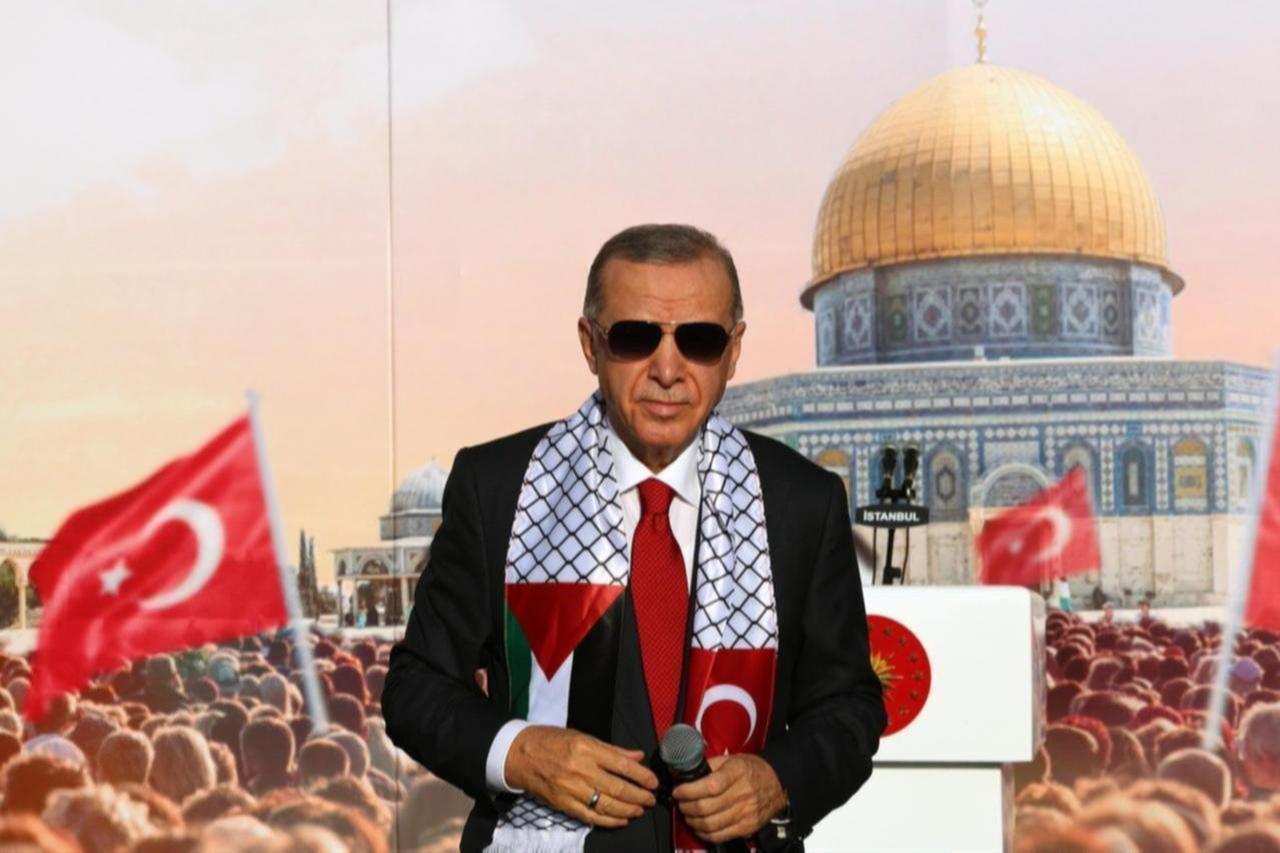
When asked an open-ended question about what comes to mind first when thinking of Türkiye, the most frequent response was Istanbul (8%), followed closely by President Recep Tayyip Erdogan (6%).
The surprise third-rated answer was hair transplantation and kebab.
While Türkiye’s political image remains central, the survey shows that Israelis view the UAE as a far more reliable ally than Türkiye, by a significant margin.
General sentiment toward Türkiye leans sharply negative. On a seven-point scale measuring overall perception, nearly 60% rated Türkiye unfavorably, while 22% expressed positive sentiment. Neutral positions accounted for just under one-fifth of respondents.
Beliefs about democratic practice represent one of the strongest dividing lines. Aligning Türkiye with states seen as struggling with governance and political freedoms, the comparison is clearer when turned inward: 79% describe Israel as a democracy, indicating that Israelis benchmark their own system far above Türkiye’s political trajectory.
Perhaps the most consequential finding comes from how Israelis view Türkiye’s geopolitical alignment. Half of all respondents believe Türkiye belongs to the “Eastern bloc,” meaning it is closer to Russia and China than to Washington or Brussels. Only 6% see Türkiye aligned with Western institutions, even though Türkiye is a NATO country and Israel is not.
A further 26% believe Türkiye is pursuing its own independent course, separate from blocs entirely, in a matter hinting at its strategic autonomy, while 13% expressed no clear view.
This perception also diverges considerably from how Türkiye has been viewed in surveys conducted in the United States, where it has more frequently been placed within the Western orbit, even if skeptically.

Economic perceptions remain similarly critical. More than 56% characterized Türkiye’s economy as weak, while only 23% described it as strong. Yet these views coexist with an acknowledgment of Türkiye’s footprint in regional affairs.
When asked whether Türkiye is an influential actor in the Middle East, 46% agreed, while 34% disagreed. Israelis, according to the numbers, may see Türkiye as struggling domestically but still capable of projecting power and shaping outcomes beyond its borders.
Leadership assessments follow this same pattern. Six in 10 respondents do not consider Erdogan successful, yet recognition of Türkiye’s regional influence remains comparatively high.
The sharpest point of consensus concerns alliance and trust. Only 13% of Israelis view Türkiye as a reliable ally, the lowest ranking among the countries measured.
The United States led the list with 86%, while the United Arab Emirates received 42%, reflecting the post-Abraham Accords integration.
The survey also found that Israelis converge on very few political questions. The only issues on which government supporters and critics aligned were the belief that Israel is a democracy and that the United States is a reliable ally. On nearly every other question, including Türkiye, responses split along domestic political lines.
The deepest divide emerged around evaluations of Israel’s policy toward the Palestinians, underscoring how foreign policy perceptions remain filtered through internal debate. Türkiye’s image sits within that debate, not separate from it.
In other words, many Israelis see Türkiye as a competitor reshaping the regional order rather than standing on its sidelines.
This perception helps explain why a large segment of Israeli opinion sees its place firmly within the Western camp, while casting Türkiye as a strategic outsider, even as Western leaders and publics show growing willingness to collaborate with Ankara.


 Set as preferred source
 Set as preferred source


 2 min read
 1 min read