Newsletters


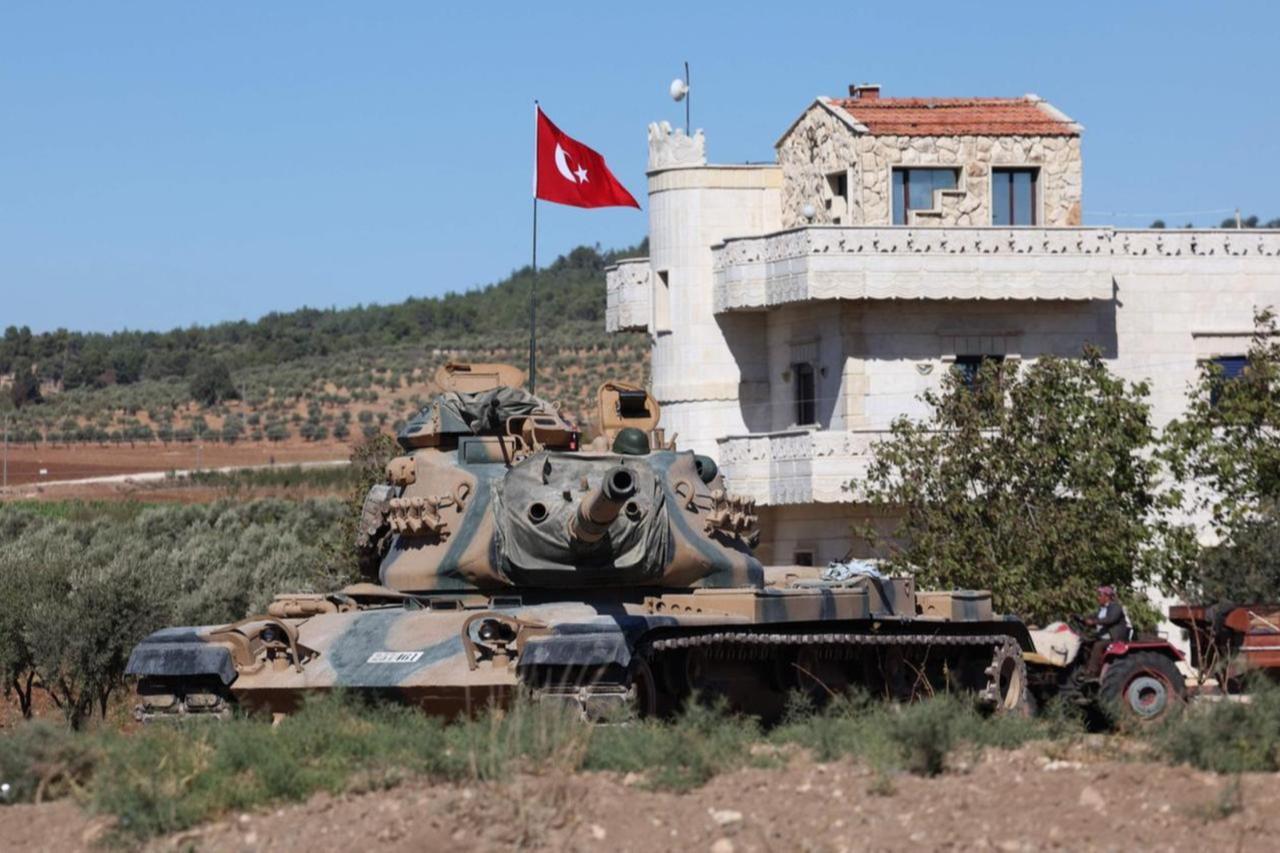


The partial stabilization of northern Syria had only recently reduced long-standing friction between Ankara and Washington over the YPG/PKK. Now, as the United States and Israel escalate military operations against Iran, Turkish officials are watching closely for signs that a similar dynamic could reemerge, this time on Iran’s western frontier.
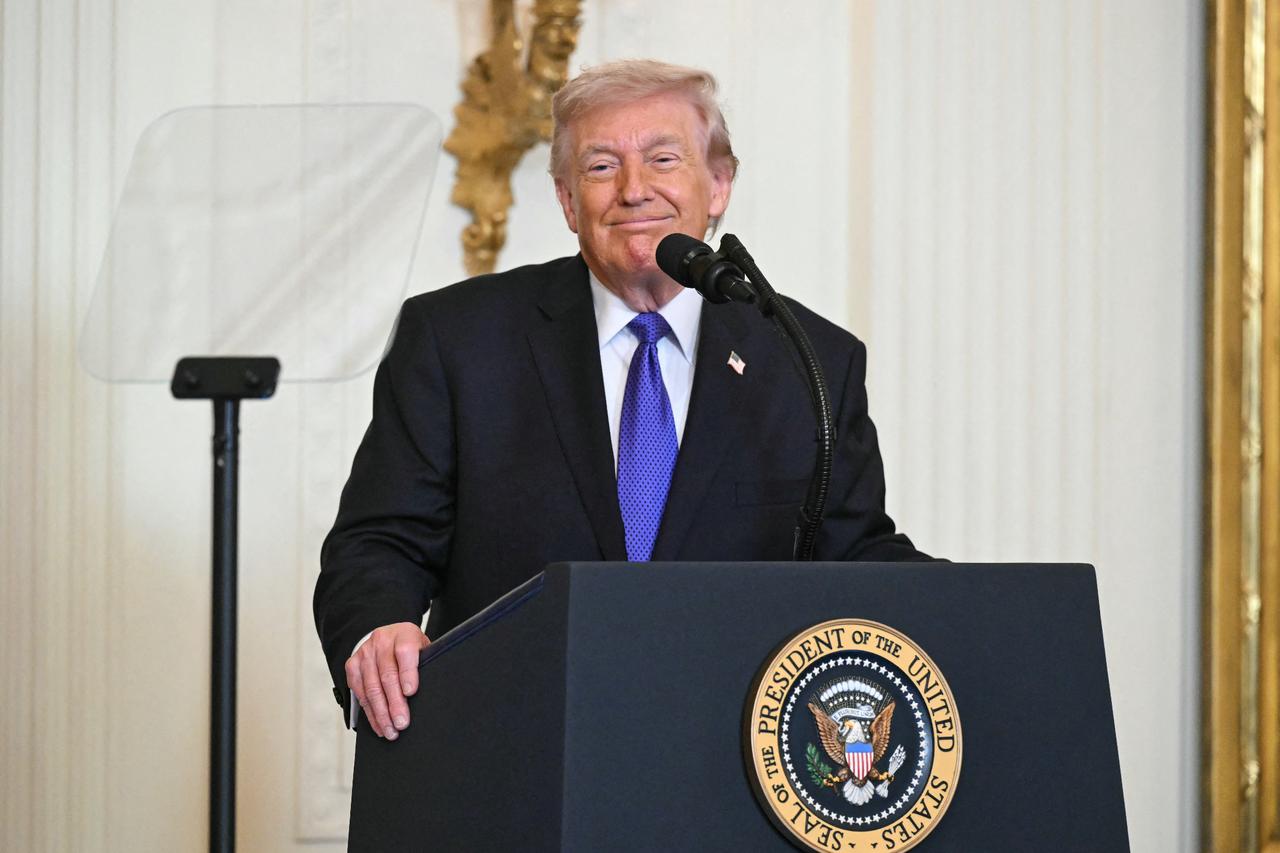
In that context, U.S. President Donald Trump reportedly held phone calls with leading Kurdish figures in Iraq shortly after the latest round of strikes began.
According to sources familiar with the contacts, Trump spoke with Masoud Barzani and Bafel Talabani, the heads of the two dominant Kurdish factions in northern Iraq. While the substance of the conversations remains undisclosed, Talabani later stated that Trump clarified Washington’s objectives in the war with Iran.
The outreach reportedly followed months of behind-the-scenes advocacy by Israeli Prime Minister Benjamin Netanyahu, who has long viewed Kurdish groups as potential strategic partners in pressuring Tehran.
It also coincides with a few days between PJAK’s announcement of the formation of a political coalition aimed at overthrowing the Iranian government.
In previous regional crises, Washington has demonstrated a clear model of leveraging Kurdish armed actors as ground forces aligned with U.S. strategic objectives.
In Syria, the United States rebranded, trained, and equipped YPG/PKK-linked elements under the umbrella of SDF, transforming them into a structured and internationally backed partner force against Daesh.
Through sustained military assistance, intelligence sharing, and battlefield coordination, these groups evolved from irregular militias into a quasi-institutional security actor controlling significant territory in northern Syria. The reconfiguration reshaped local power balances and generated long-term geopolitical consequences, particularly in Türkiye-U.S. relations.
In Afghanistan in 2001, the United States relied on a similar formula to accelerate regime change by combining heavy airpower with local ground forces. Some policymakers see potential parallels in the current confrontation with Iran.
Yet expectations in Washington appear tempered. While some officials believe Kurdish groups could mobilize against Tehran, others caution that estimates of a large-scale uprising may be overstated.
The internal fragmentation among Kurdish movements and Iran’s entrenched security structure complicate any scenario of swift regime destabilization.
Yet reports indicate that since the Twelve-Day War in June 2025, a significant covert effort has been underway to funnel weapons into Western Iran.
For Türkiye, the critical variable is not only whether Kurdish factions would engage Iran militarily but also how any weakening of Iran’s central authority could reshape the regional security landscape.
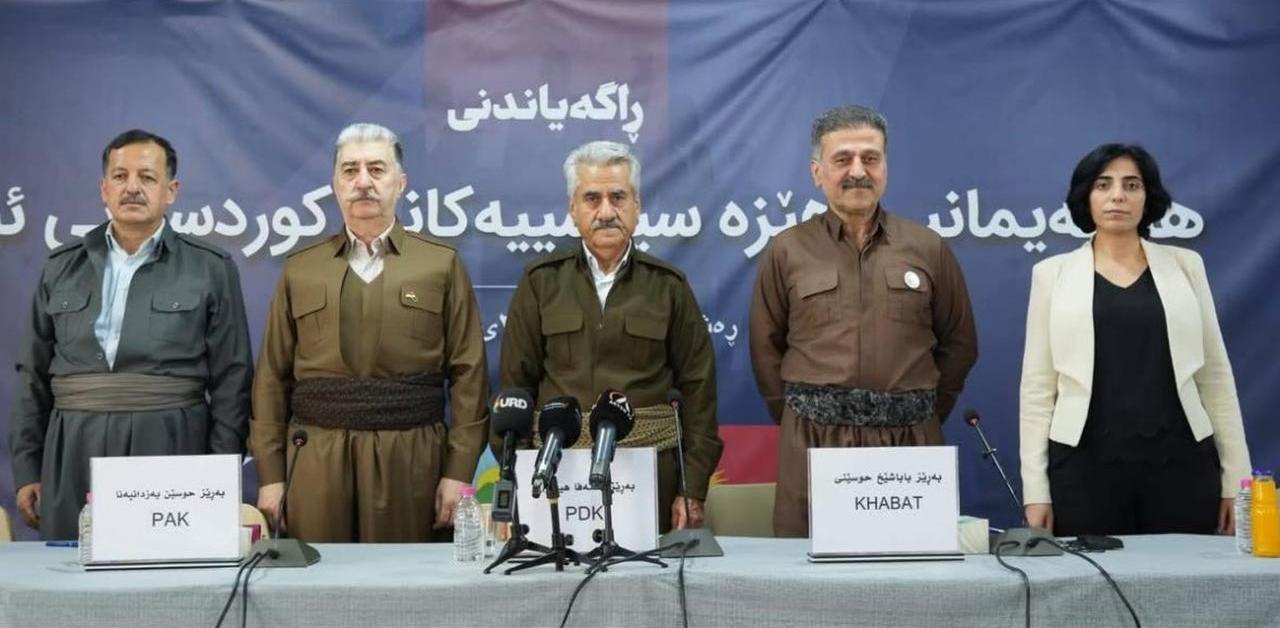

Days before the outbreak of hostilities, five Kurdish dissident organizations based in northern Iraq announced the formation of the "Coalition of Political Forces in Iranian Kurdistan."
The alliance declared its objective as the overthrow of the Islamic Republic and the advancement of Kurdish self-determination in Iran.
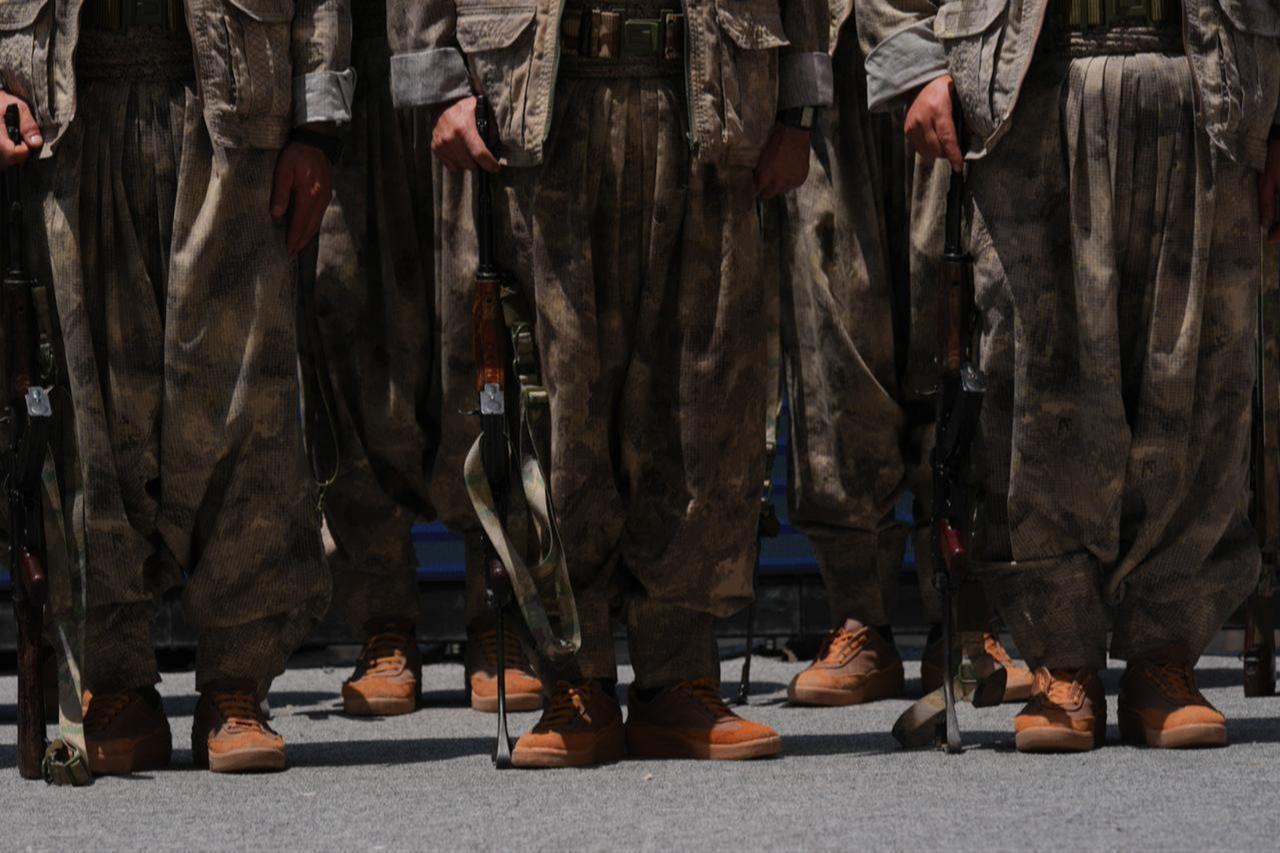
Among the groups associated with Kurdish militancy in Iran are the Kurdistan Democratic Party of Iran (KDPI) and PJAK. The latter is widely regarded by Ankara as the Iranian extension of the PKK, which Türkiye and the U.S. designate as a terrorist organization.
Historically, Iran’s strong centralized governance has constrained separatist ambitions among its Kurdish minority. However, any sustained military pressure or internal instability could expand operational space for such movements.
Türkiye has previously conducted cross-border operations targeting PJAK elements, at times in coordination or parallel timing with Iranian actions.
The prospect of a weakened Iranian state raises questions in Ankara about whether these groups could gain renewed momentum.
The nuance is that, despite a shared interest in the ousting of the current Iranian leadership, there remains a significant lack of appetite among the unorganized Iranian diaspora for a partnership with Kurdish groups. That is why the coalition's statement drew condemnation from the crown prince, Reza Pahlavi.
For Ankara, the potential fallout from PJAK activity in Iran is not confined to cross-border security.
If PKK-linked PJAK were to initiate a new wave of attacks within Iran, the primary targets could be cities with dense Iranian-Azeri (Turkish) populations, most notably Urmia, where PKK-linked activity has been previously reported.
The concern is that Iranian Turks might be vulnerable in the event of instability. For Türkiye, the response would need to be measured and sophisticated, combining preventive diplomacy, intelligence vigilance, and contingency planning beyond its immediate borders.
PJAK leaders have recently sought to project a conciliatory tone toward Türkiye. In public statements, representatives have denied carrying out attacks against Turkish targets and have expressed interest in establishing normal and peaceful relations with the Turkish state.
At the same time, any destabilization caused by internal armed groups could trigger migration flows that may represent a more immediate concern than militant mobilization.
A prolonged conflict or internal collapse in Iran could spark significant refugee movements toward Türkiye’s eastern border, adding pressure to an already strained migration management system.
In this sense, Ankara’s strategic frontier may not be defined solely by armed groups but by demographic and humanitarian consequences of regional instability.


 Set as preferred source
 Set as preferred source


 1 min read
 1 min read