Newsletters


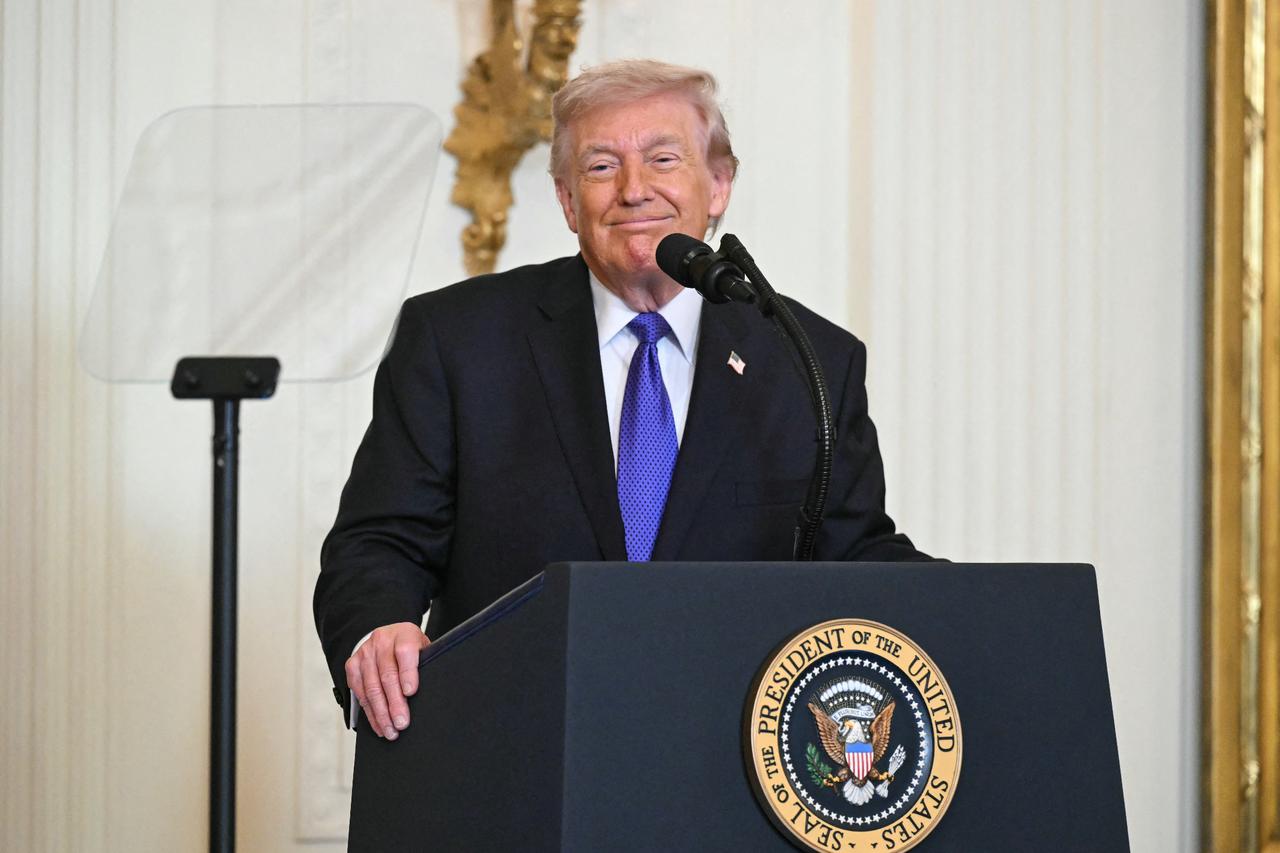


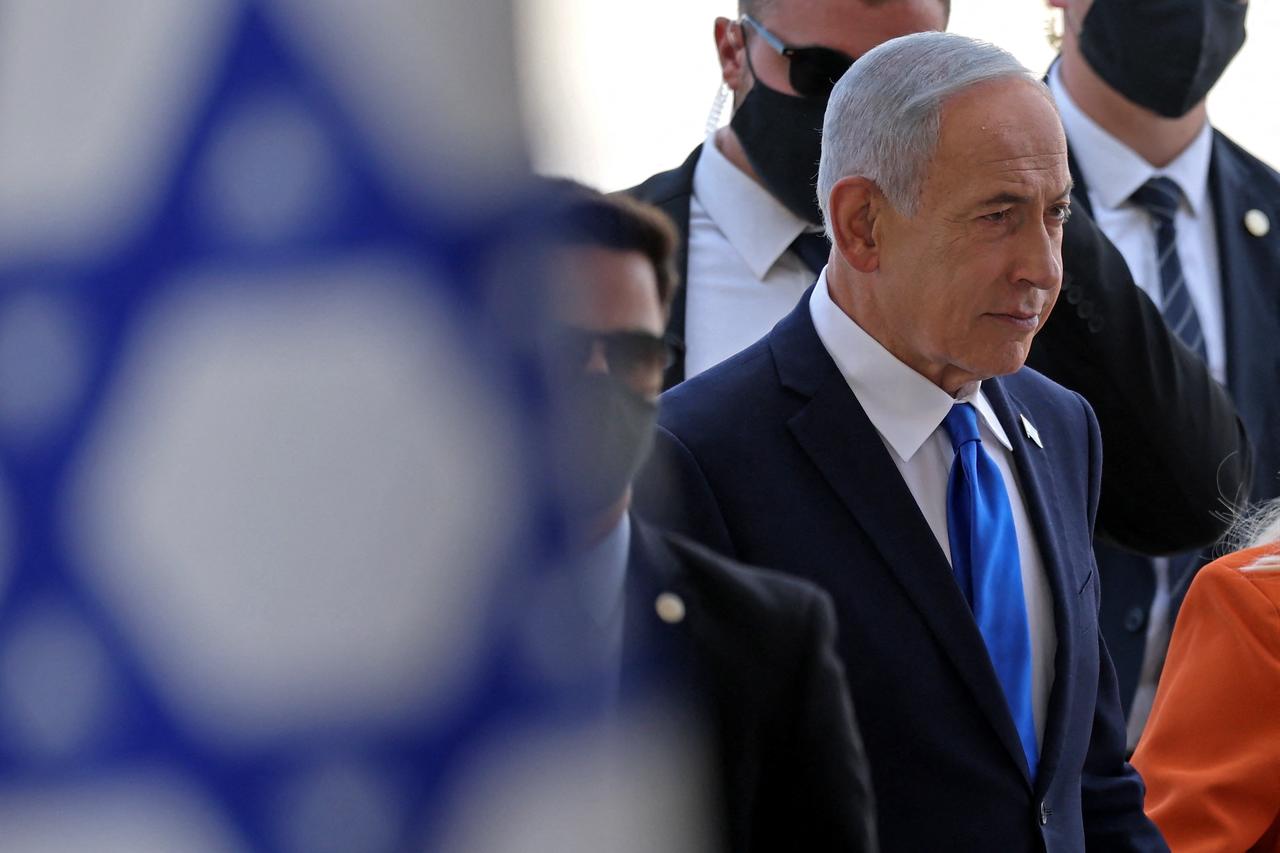
U.S. President Donald Trump spoke by phone with Iraqi Kurdish leaders about the U.S.-Israeli military campaign against Iran at the urging of Israeli Prime Minister Benjamin Netanyahu, Axios reported, as the conflict entered its fourth day.
 Breaking News, Direct to You.
 Follow Türkiye Today on WhatsApp
for real-time updates and key insights from Türkiye and beyond.
Follow Türkiye Today on WhatsApp
for real-time updates and key insights from Türkiye and beyond.
Trump held phone calls with Patriotic Union of Kurdistan (PUK) leader Bafel Talabani and Kurdistan Democratic Party (KDP) leader Masoud Barzani, with discussions focusing on the trajectory of the U.S.-Israeli strikes on Iran and possible next steps, Axios reported, citing sources familiar with the matter.
The calls were the result of Netanyahu's "months-long behind-the-scenes efforts," the sources said.
"The general view, and especially Netanyahu's view, is that the Kurds will emerge and rise up," sources told Axios.
Netanyahu, described as "insistent" on the strikes against Iran and calls for regime change, first proposed "the Kurds" to Trump during a meeting at the White House, the sources claimed.
Axios noted that the Kurds have thousands of armed elements along the Iran-Iraq border and that the strategic areas they control could be significant for the course of the war.
"Israel has long-standing security and intelligence ties with certain groups in Syria, Iraq and Iran," the report noted.
White House spokesperson Karoline Leavitt responded to questions about the calls by saying, "President Trump has been in contact with many allies and partners in the region in recent days."
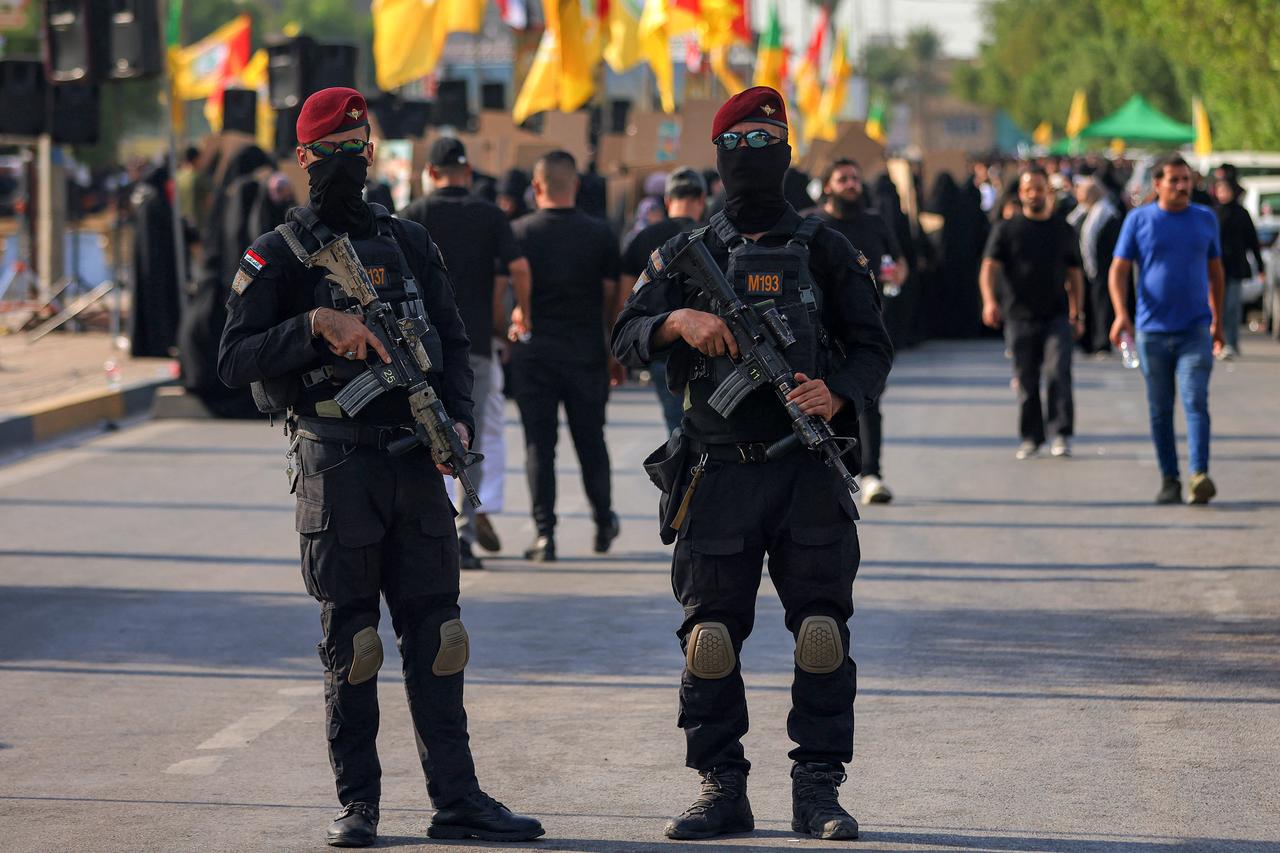
Separately, drone strikes blamed on Iran hit a camp hosting Iranian Kurdish groups in northern Iraq on Tuesday, a local official said.
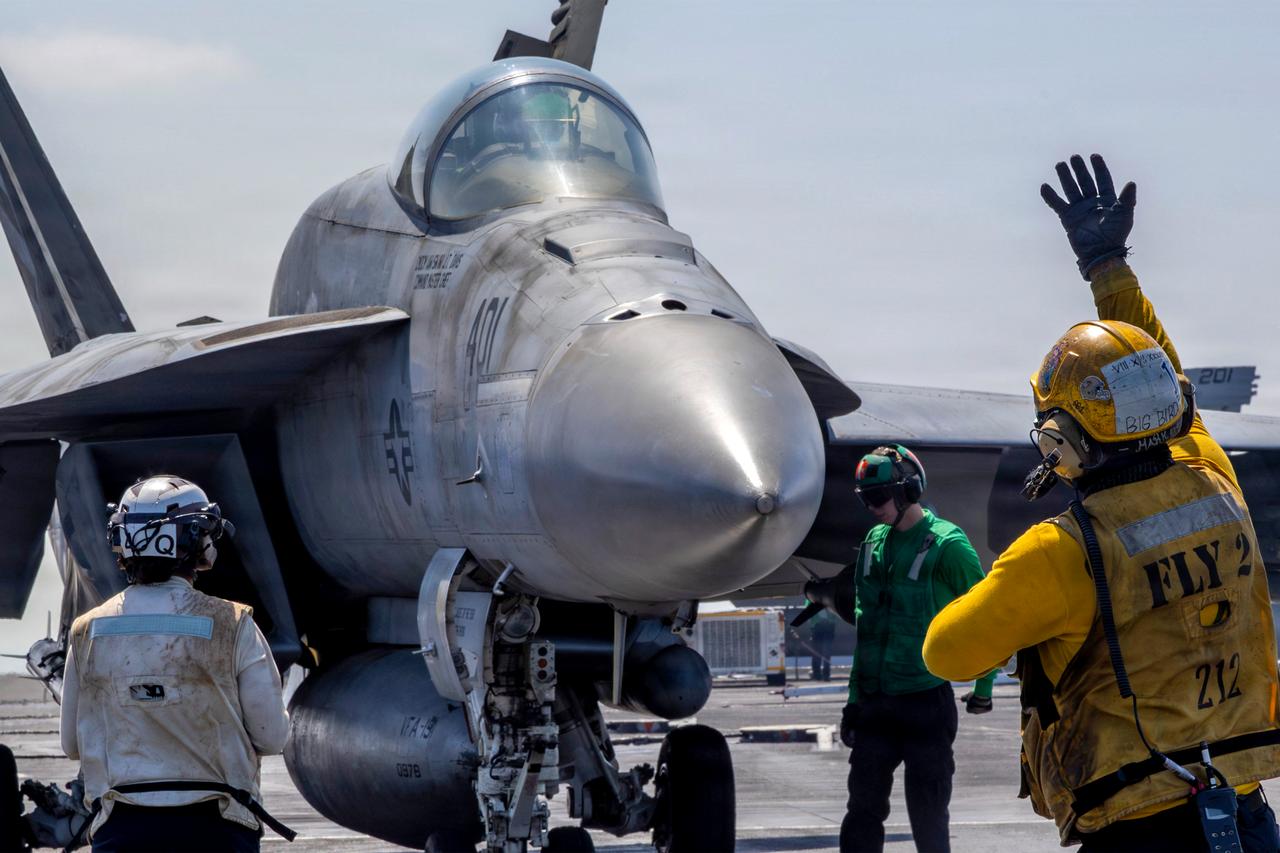

A general in Iran's Revolutionary Guards (IRGC) threatened to "burn any ship" seeking to navigate the Strait of Hormuz, a vital route for oil and gas shipments.
"We will also attack oil pipelines and will not allow a single drop of oil to leave the region. Oil price will reach $200 in the coming days," General Sardar Jabbari said in a post on the Guards' Telegram channel.
China called on all sides to maintain safety in the Strait of Hormuz.
"China urges all parties to immediately cease military operations, avoid further escalation of tensions, maintain the safety of shipping lanes in the Strait of Hormuz, and prevent a greater impact on the global economy," Beijing's foreign ministry spokeswoman Mao Ning said.
Loud explosions rocked Tehran on Tuesday as the war entered its fourth day.
The U.S.-based Human Rights Activists News Agency reported 101 casualties inside Iran on the third day of the war, including 85 civilian deaths and 11 military personnel killed.
Trump signaled that U.S. strikes on Iran could go much longer than originally predicted.
"From the beginning, we projected four to five weeks, but we have capability to go far longer than that," Trump said at the White House.
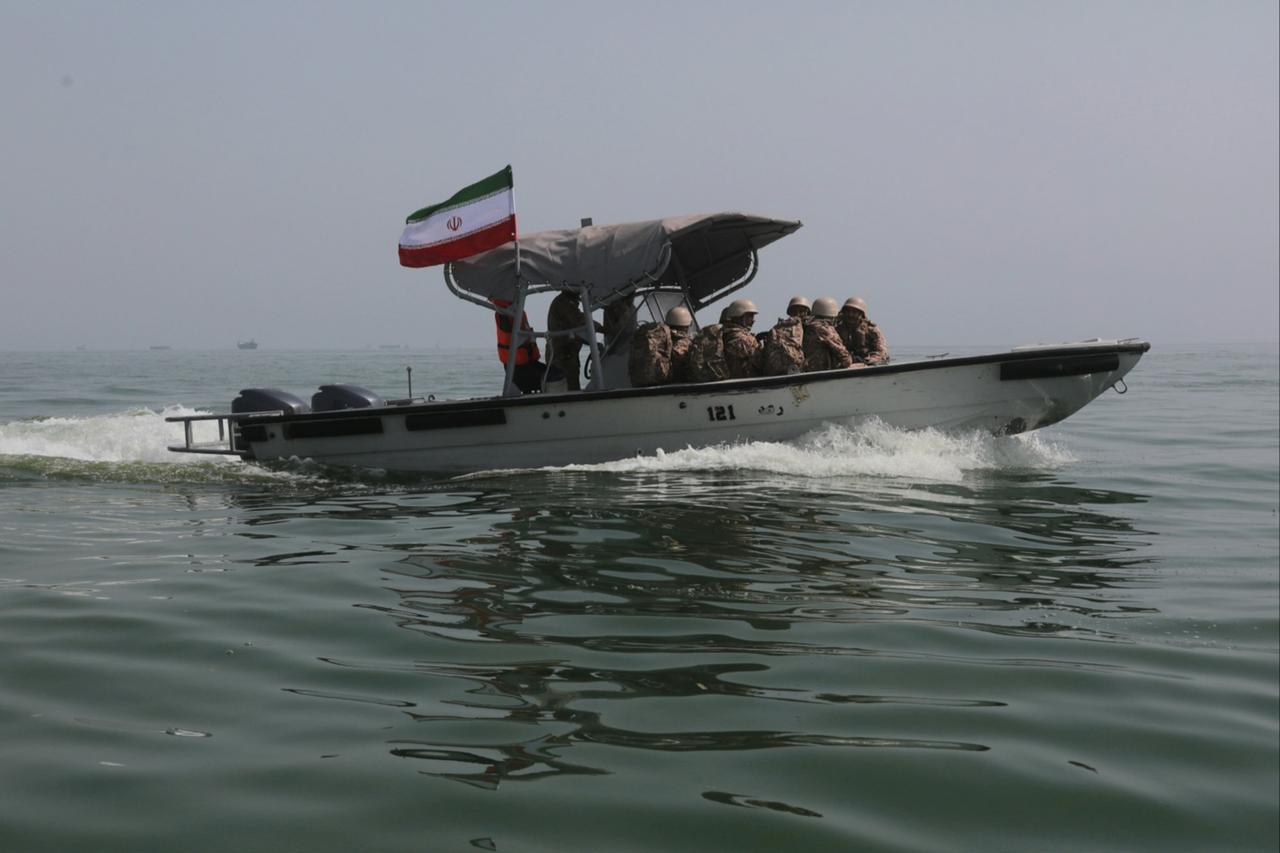
Secretary of State Marco Rubio said the United States attacked Iran after learning that Israel was going to strike, which would have meant retaliation against U.S. forces.
"We knew that if we didn't preemptively go after them before they launched those attacks, we would suffer higher casualties," Rubio told reporters.
Two drones hit the U.S. Embassy in Riyadh and sparked a fire, a Saudi defense ministry spokesman said. Trump suggested the United States would retaliate "soon," telling NewsNation, "you'll find out soon" how Washington would respond.
The embassy confirmed the attack and said it would be closed on Tuesday.
The U.S. Embassy in Kuwait announced it was closed "until further notice." In Qatar, the military intercepted two ballistic missiles early Tuesday, Qatar's defense ministry said, after AFP reporters heard loud explosions across Doha.
The U.S. State Department urged Americans to leave much of the Middle East. "DEPART NOW from the countries below using available commercial transportation, due to serious safety risks," wrote Mora Namdar, assistant secretary of state for consular affairs.
The warning covered Bahrain, Egypt, Iran, Iraq, Israel and the Palestinian territories, Jordan, Kuwait, Lebanon, Oman, Qatar, Saudi Arabia, Syria, the UAE and Yemen.
Drones also targeted an Omani port on Tuesday, hitting a fuel tank, state media said, adding that the damage was contained without casualties.
Netanyahu said in a Fox News interview that the U.S.-Israeli operation against Iran would be "a quick and decisive action," adding: "It may take some time, but it's not going to take years."


 Set as preferred source
 Set as preferred source


 2 min read
 1 min read