Newsletters


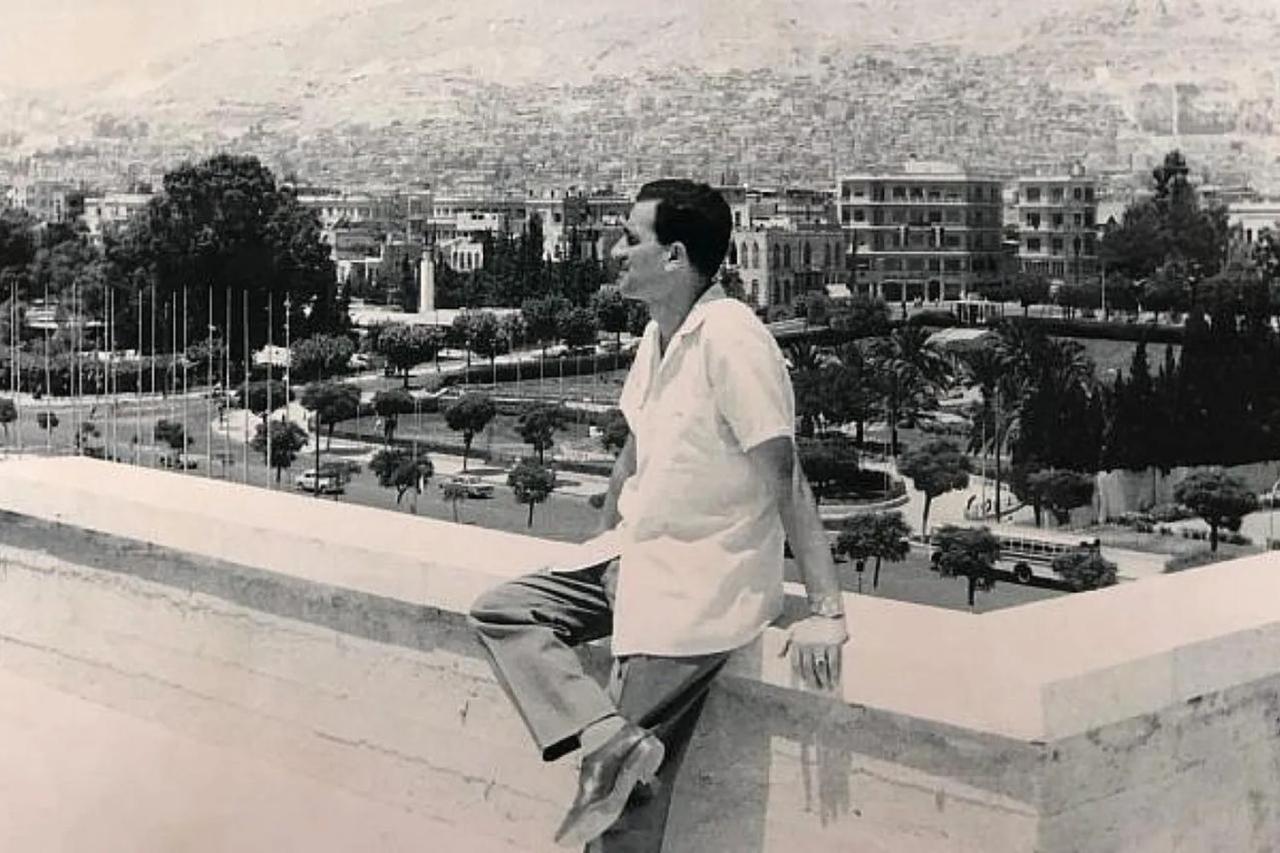


A Syrian military signals unit spent three years following encrypted radio transmissions before a rooftop antenna and three deliberately timed power cuts led investigators to the Damascus apartment of Israeli spy Eli Cohen, according to retired Syrian officer Said Jawish.
Jawish, who helped establish Signal Company 134, detailed the operation in a multipart interview with Saudi Arabia-based Al Majalla magazine, whose first installments were published on Sept. 30 and Oct. 1.
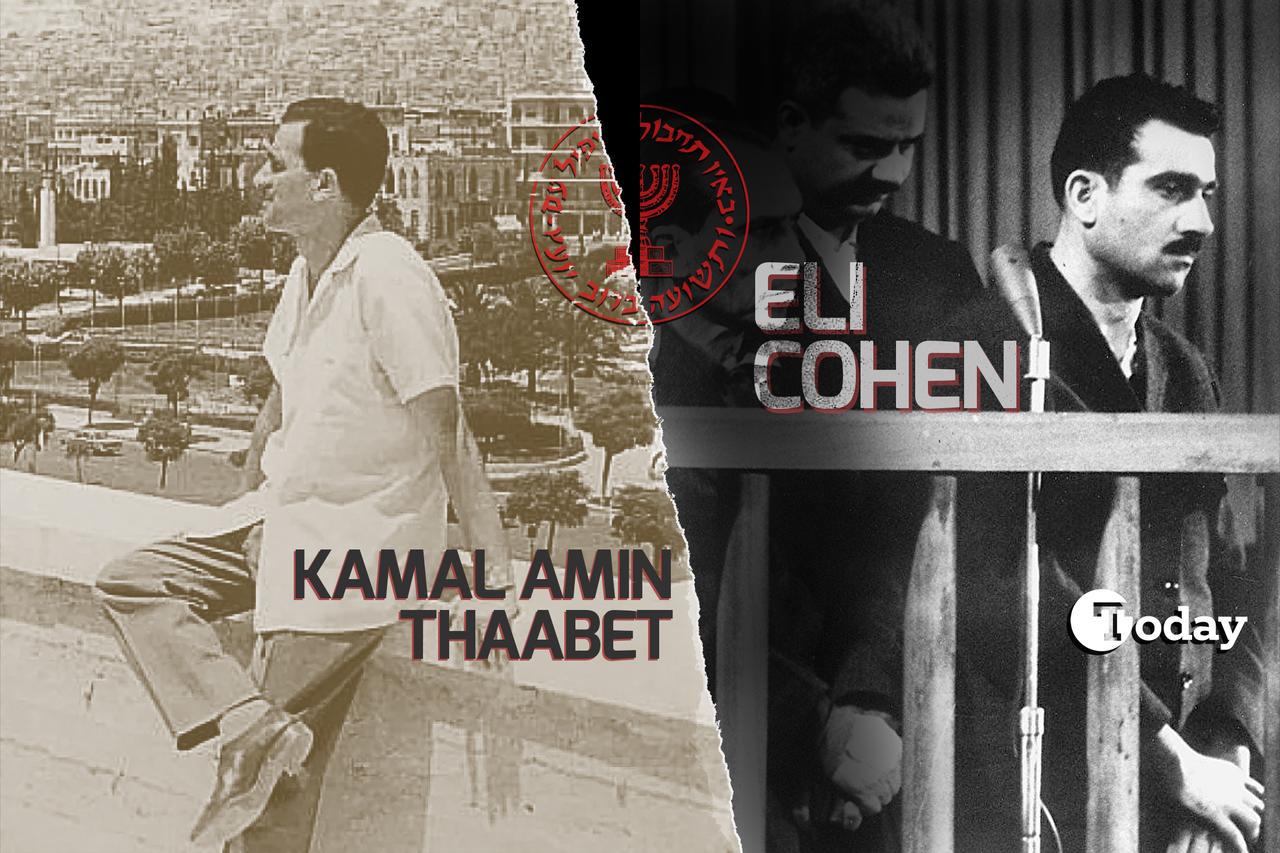
Cohen lived in Syria under the identity Kamel Amin Thabet between 1962 and 1965. Presenting himself as a wealthy Syrian businessman who had returned from abroad, he built relationships with senior political and military figures while transmitting information to Israel.
Jawish said the roots of the operation went back to 1956, when he was teaching students at the Military Academy in Homs how to use a Canadian World War II-era radio set and picked up military call signs he identified as Israeli.
The discovery led him to push for systematic monitoring of Israeli military communications. Although senior commanders initially rejected the proposal, Jawish later secured backing from an officer with Signal Corps experience and received a formal assignment in September 1957.
He first set up a listening position at Na'ran in the Golan Heights and later trained 44 noncommissioned officers in Israeli radio procedures. Additional monitoring stations were established in the Golan Heights and Damascus, eventually forming Signal Company 134 under the army's Signal Corps.
Along with Israeli military and media communications, the company picked up anonymous Morse-code transmissions made up of groups of five letters or numbers. The unit could record them but could not break the encryption.
The first transmission later connected to Cohen was intercepted in 1962, although investigators did not know who was sending it, where it originated, or what the message contained.
The unit assigned codes to unidentified transmitters and logged their frequencies and transmission dates. Teams then worked both to decipher the messages and to trace their origin using Soviet direction-finding equipment, which determines the direction from which a radio signal is coming.
Over the next three years, investigators narrowed the source from Damascus to part of the Abu Rummaneh district and finally to one residential building.
Suspicion initially fell on a Syrian Airlines pilot of Greek origin whose travel schedule appeared to line up with breaks in the transmissions. Using a drug investigation as cover, Jawish's team searched his apartment, along with the homes of a foreign officer and a Turkish Embassy diplomat in the same building, but found no radio equipment.
Complaints over the searches led Jawish's commander to shut down the investigation.
Jawish continued looking into the signal and returned to inspect the building's roof, where he spotted an antenna that appeared professionally installed and differed from the improvised aerials used by other residents.
A black coaxial cable, commonly used to carry radio-frequency signals, ran from the antenna to a fourth-floor apartment registered to Kamel Amin Thabet.
The following morning, Jawish's team came back at around 7 a.m., when the unidentified operator was expected to transmit. Once the signal began, Jawish cut power to the apartment three times from an exterior circuit breaker.
All three interruptions showed up in the unit's recording, confirming that the transmission was coming from inside the apartment.
Concerned that the disruptions could alert the recipients and give the operator time to escape, Jawish and two colleagues forced their way inside.
Investigators found Cohen in a sparsely furnished room but initially came across no equipment. Jawish then noticed a dark object concealed inside a wooden curtain pelmet above a window.
Inside a Kodak film container, the team found a small Morse key and radio device. Jawish said Cohen told investigators that this was a backup transmitter, while the main transmitter was hidden inside a green leather-covered document case on a table.
The search also uncovered frequency crystals, an emergency frequency, daily cipher information, and objects resembling colored soap bars that contained explosive detonators.
Jawish said Cohen cooperated after the equipment was discovered and told investigators that he had initially encrypted messages using a French edition of The Three Musketeers as a codebook.
Cohen was later prosecuted in Syria and executed in Damascus on May 18, 1965.
Al Majalla's remaining installments are expected to provide further details about his interrogation, the intercepted messages, and the wider counterintelligence operation.


 Set as preferred source
 Set as preferred source


 1 min read
 1 min read