Newsletters


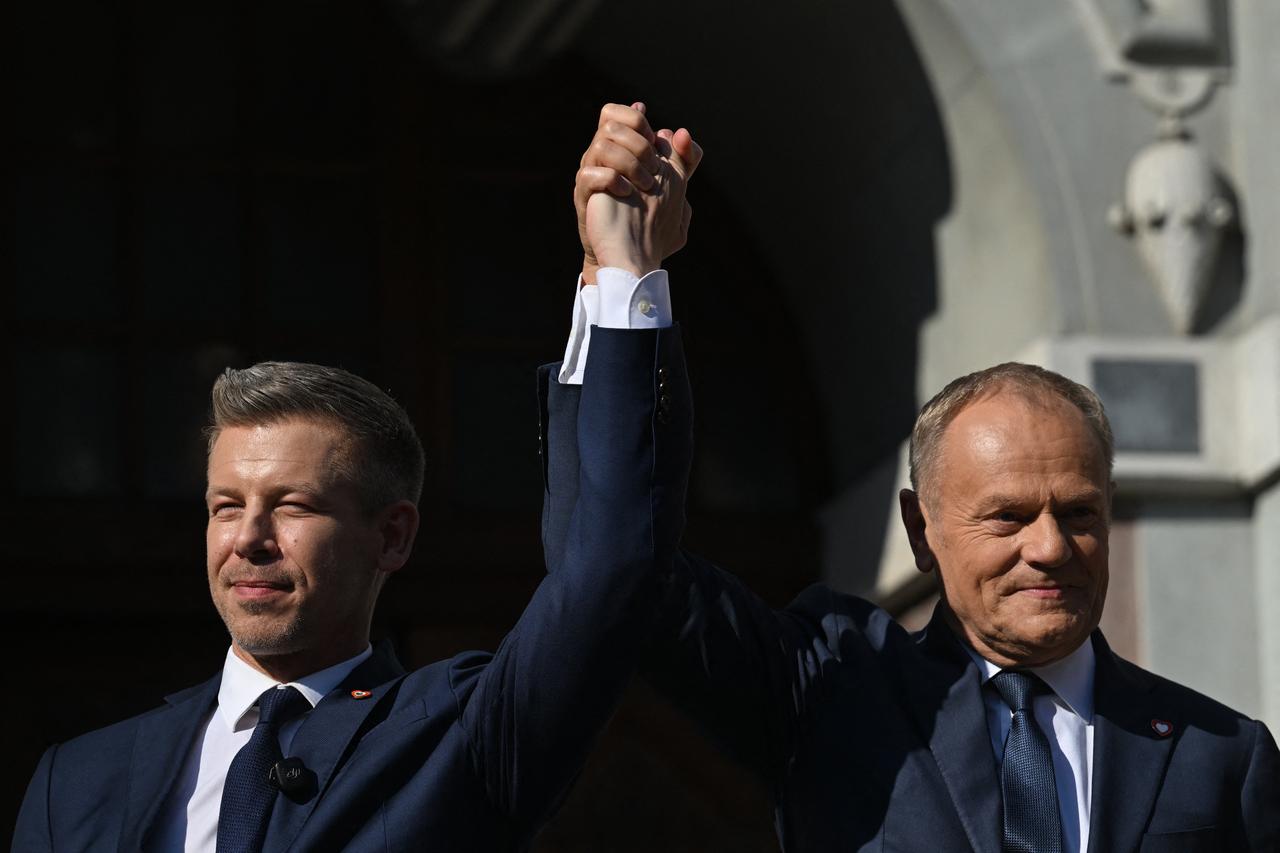


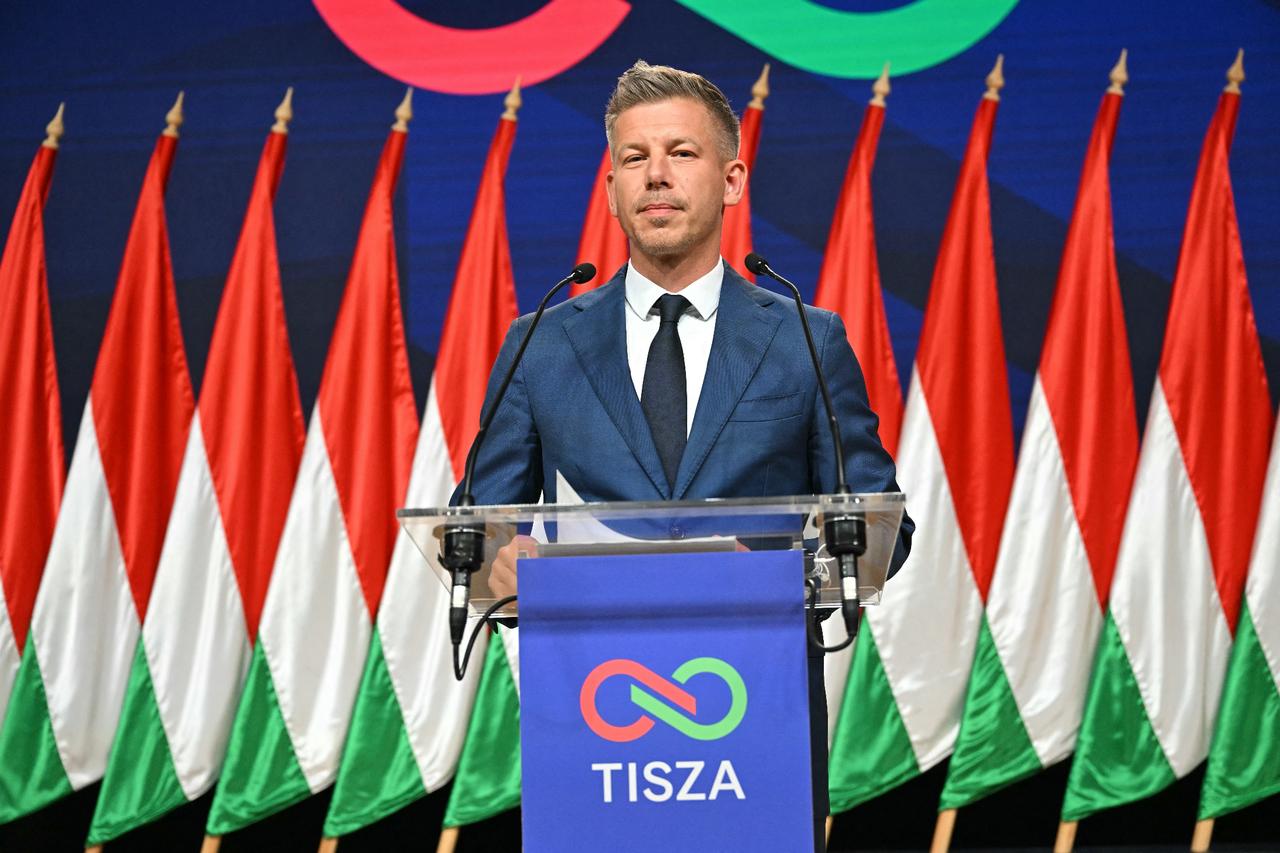
Hungarian Prime Minister Peter Magyar made Poland his first foreign destination after defeating Viktor Orban in April, signaling a sharp break from his predecessor's adversarial relationship with the European Union and its member states.
Magyar and Polish Prime Minister Donald Tusk met Wednesday in Warsaw, where the two leaders pledged a new era of cooperation and shared a platform to underline just how dramatically Hungary's political orientation has shifted.
"Through our daily work, we shall show that Hungary and Poland are one," Tusk said at a joint news conference, welcoming Budapest's "return to Europe, to high standards, to honesty, to a genuine democracy."
Magyar has been explicit about what he hopes to take home from Warsaw. He said Poland had much to teach Hungary about restoring the rule of law, fighting corruption and unlocking EU funds frozen under Orban's tenure, adding that Tusk "was also faced with similar problems" when his coalition came to power. "I am counting heavily on the experience of the prime minister of Poland," Magyar said. "Hungary will be a partner of Poland in all areas."
The parallels between the two leaders are striking. Tusk's coalition ended eight years of rule by the nationalist Law and Justice party, known as PiS, in 2023, after a period marked by clashes with Brussels over democratic standards, judicial independence and media freedom.
Hungary under Orban followed a similar trajectory, drawing repeated censure from EU institutions and the prolonged withholding of structural funds.
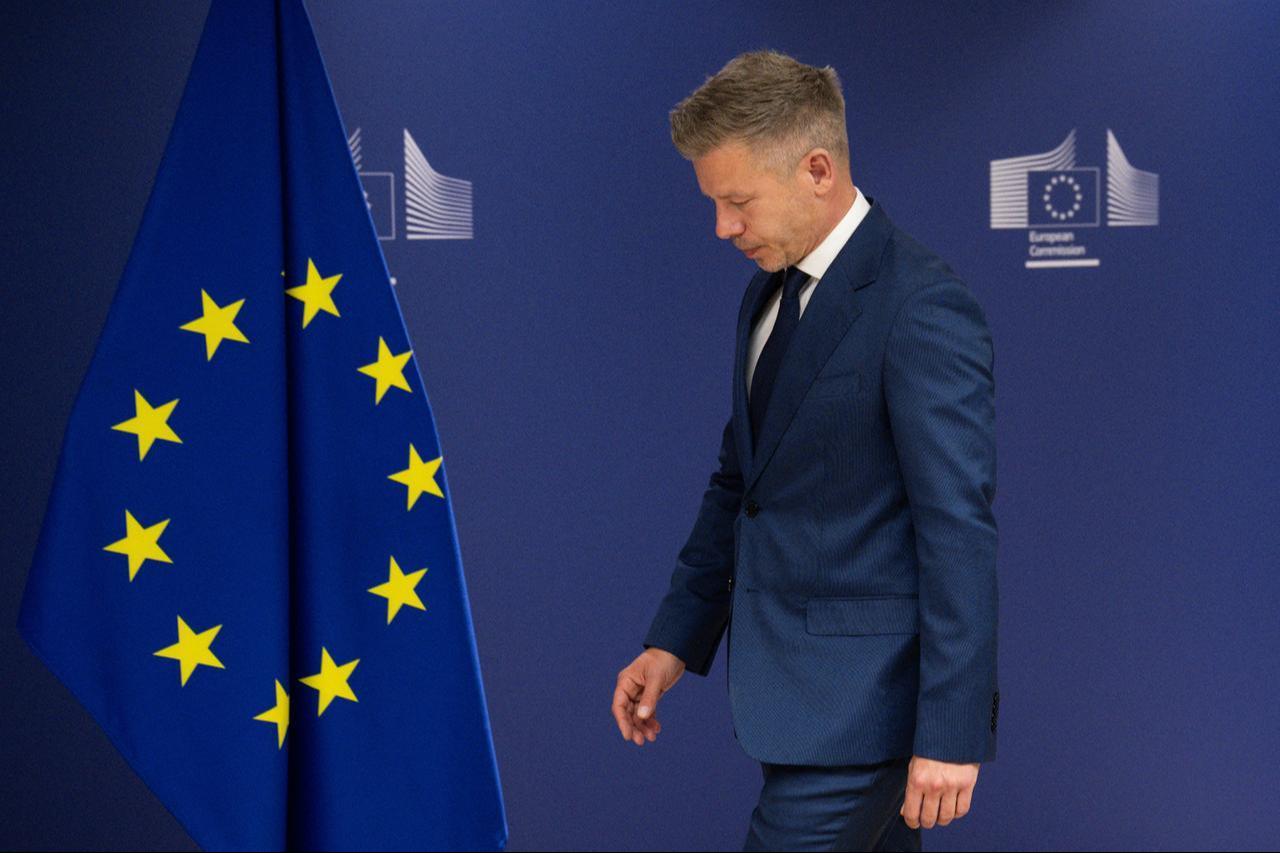

Recovering those funds is among Magyar's most pressing priorities. Brussels froze billions of euros in EU transfers as relations with Orban's government deteriorated, and Magyar is now banking on allies like Tusk to help restore them.
The timing is favorable: Piotr Serafin, the EU's current budget commissioner, previously served as Tusk's chief of staff during his tenure as European Council president between 2014 and 2019.
A European Commission delegation is expected in Budapest this week, and Magyar plans to finalize a deal with EU chief Ursula von der Leyen when he visits Brussels next Monday.
Tusk also pledged to help Hungary diversify its energy supply, a structural vulnerability that leaves Budapest heavily dependent on Russian fossil fuels, a legacy of Orban's close relationship with Moscow.
Magyar also used the Warsaw visit to draw a firm line on the war in Ukraine, reversing one of the most contentious aspects of Orban's foreign policy.
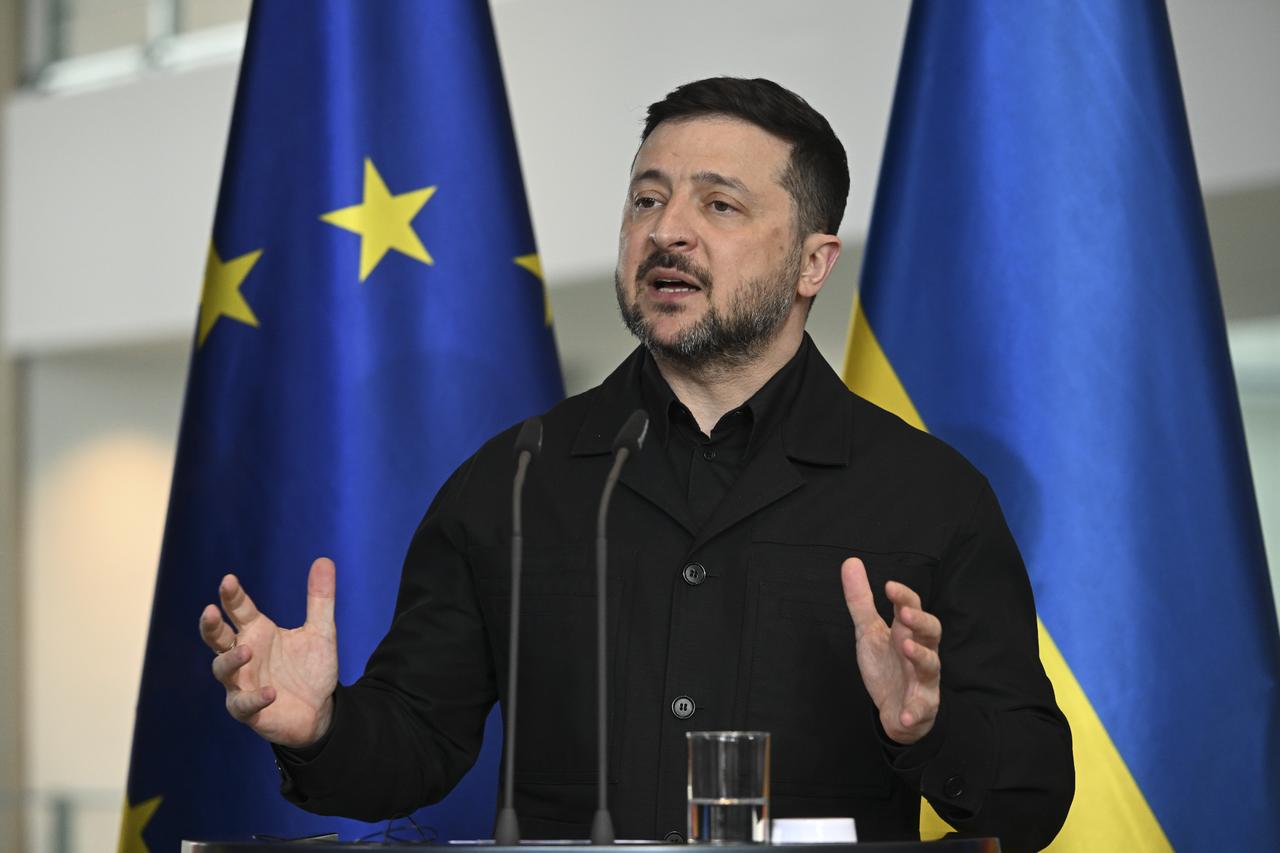
Despite longstanding frictions between Budapest and Kyiv, including a dispute over the status of Hungary's ethnic Hungarian minority in western Ukraine, Magyar declared: "Ukraine is the victim, and it has every right to defend its territorial sovereignty and integrity by all means at its disposal." He expressed hope for "a new chapter in relations between Hungary and Ukraine."
The visit was not without its awkward dimensions. Magyar also met Polish President Karol Nawrocki, a nationalist who had traveled to Budapest to campaign alongside Orban in the final days of the Hungarian election.
Magyar additionally held talks with Lech Walesa, the Nobel Peace Prize laureate whose leadership of the Solidarity movement proved decisive in ending communist rule in Poland in 1989.
Wednesday's schedule extended beyond Warsaw. Magyar was expected in Vienna later in the day, where economic cooperation and migration policy will dominate discussions.
The two countries share deep historical roots through the Austro-Hungarian empire, and Austria today ranks as Hungary's second-largest investor after Germany, having committed more than 11 billion euros to the Hungarian economy. "I would like to strengthen relations between Hungary and Austria for historical, but also cultural and economic reasons," Magyar has said.
Poland also ranks as Hungary's second-largest economic partner after Germany, giving both Warsaw and Vienna added weight as Magyar moves to rebuild Hungary's diplomatic standing in its immediate neighborhood.


 Set as preferred source
 Set as preferred source


 1 min read
 1 min read