Newsletters


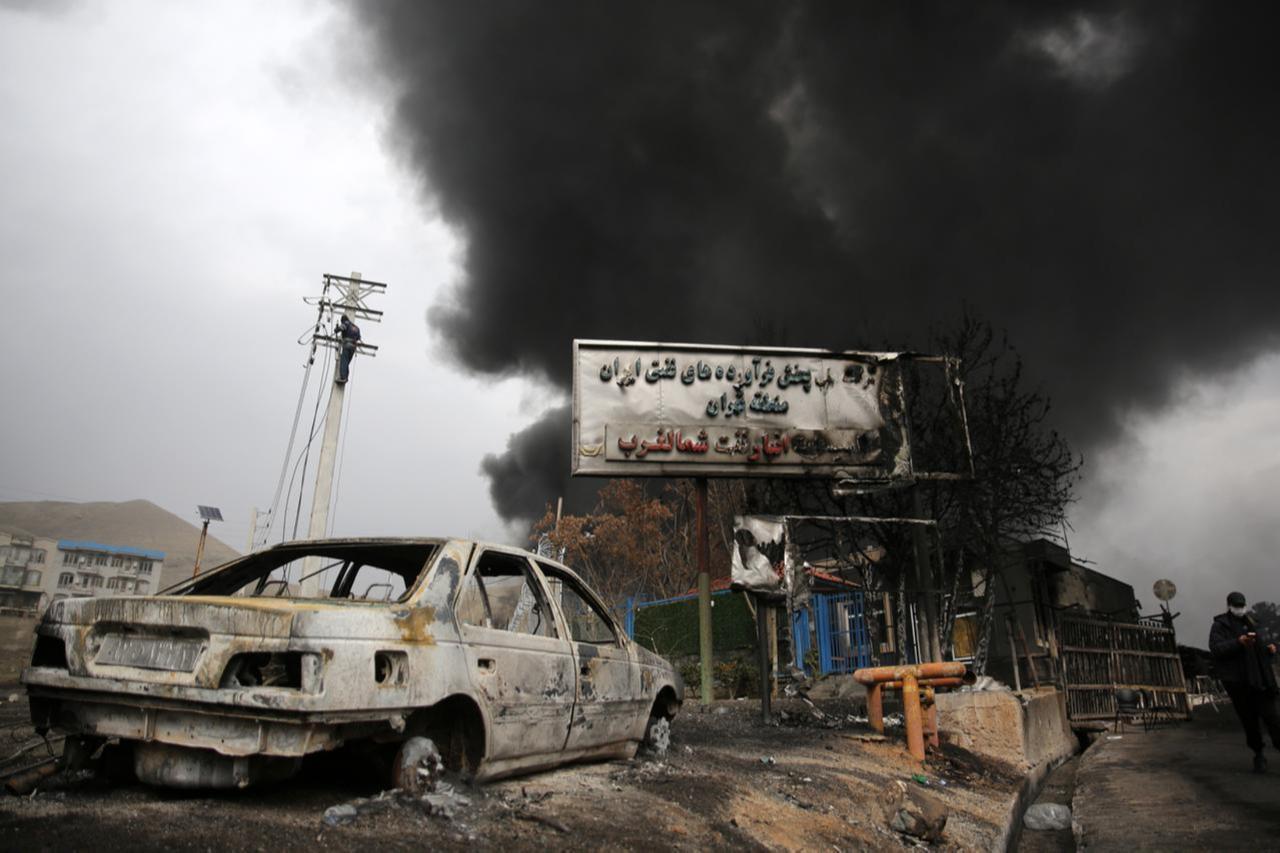


Iran's top parliamentary official warned Wednesday that the United States was seeking to reignite the Middle East conflict, even as President Donald Trump signaled openness to a diplomatic resolution and global oil markets rallied on hopes of a deal.
Mohammad Bagher Ghalibaf, Iran's chief negotiator, said in an audio message carried by Iranian media that Washington had not abandoned its military ambitions despite applying sustained economic and political pressure on Tehran.
The statement came hours after Iran's Revolutionary Guards warned that any renewed military campaign would extend far beyond the region and deliver, in their words, "devastating blows."
Trump, speaking to reporters, framed the situation in characteristically blunt terms: "We'll either have a deal or we're going to do some things that are a little bit nasty." He described talks as being in their "final stages" but added he was "in no hurry," saying his priority was minimizing casualties.
A ceasefire reached on April 8 halted the US-Israeli military campaign against Iran, but the agreement has not resolved the underlying economic crisis.
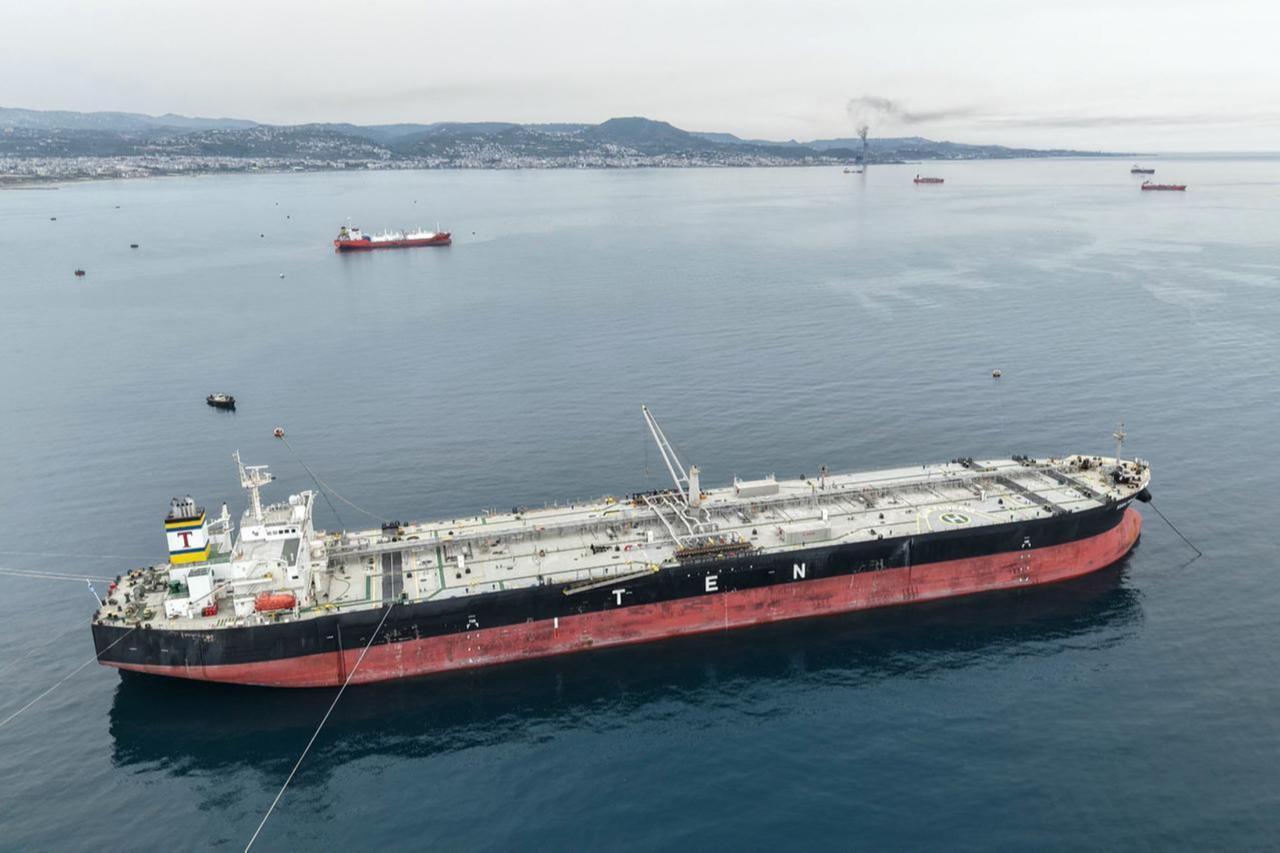
The Strait of Hormuz, through which roughly a fifth of the world's oil and liquefied natural gas ordinarily flows, remains closed, draining pre-war stockpiles and pushing energy costs higher across the globe.
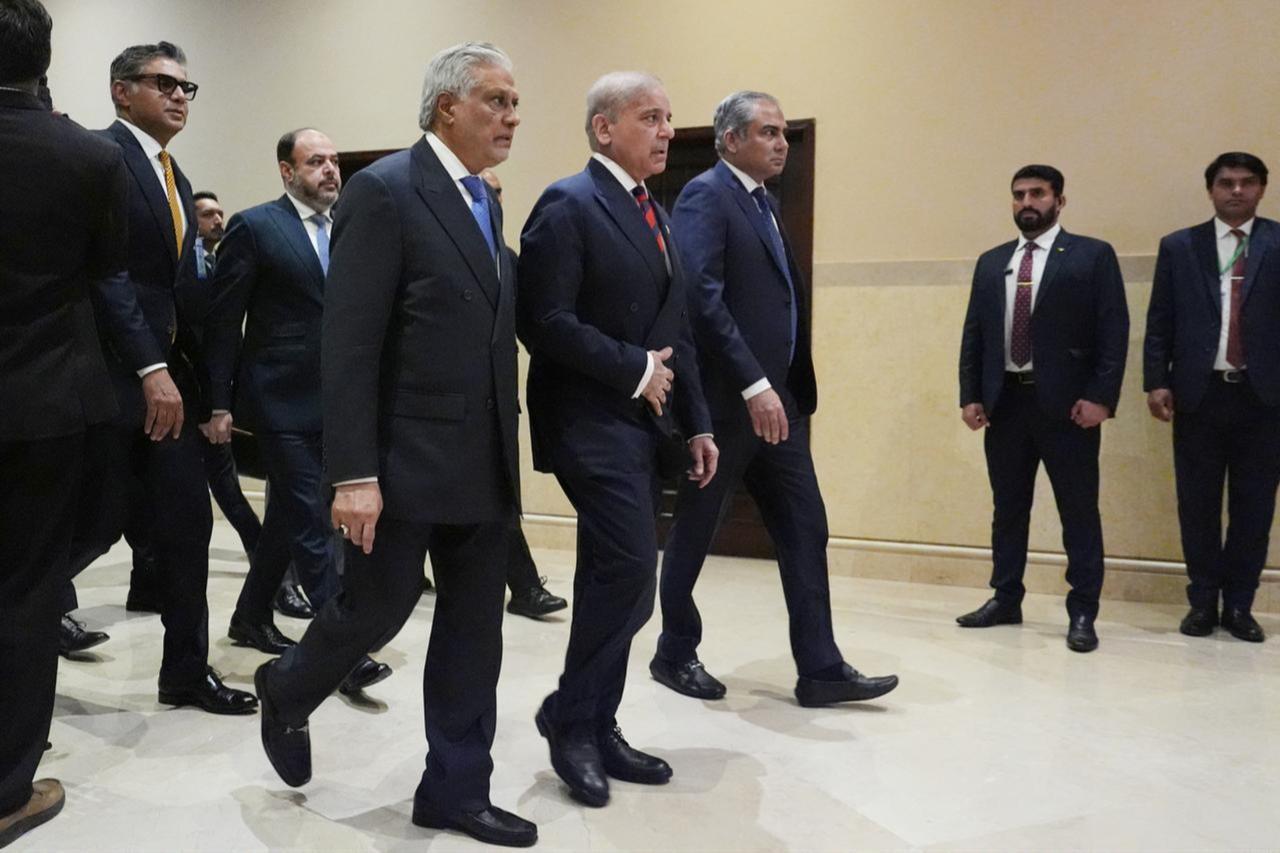
Pakistan has been mediating between Washington and Tehran, and Iran's state news agency IRNA reported a visit to Tehran by Pakistan's interior minister, his second trip in under a week, citing diplomatic sources. Global oil prices fell more than five percent Wednesday on optimism that a formal agreement could be within reach.
Saudi Foreign Minister Prince Faisal bin Farhan praised Trump's decision to pursue diplomacy and urged Iran to seize what he called "the opportunity to avoid the dangerous implications of escalation." Israel's army chief, Lieutenant General Eyal Zamir, said his forces were at their highest alert level and prepared for any development.
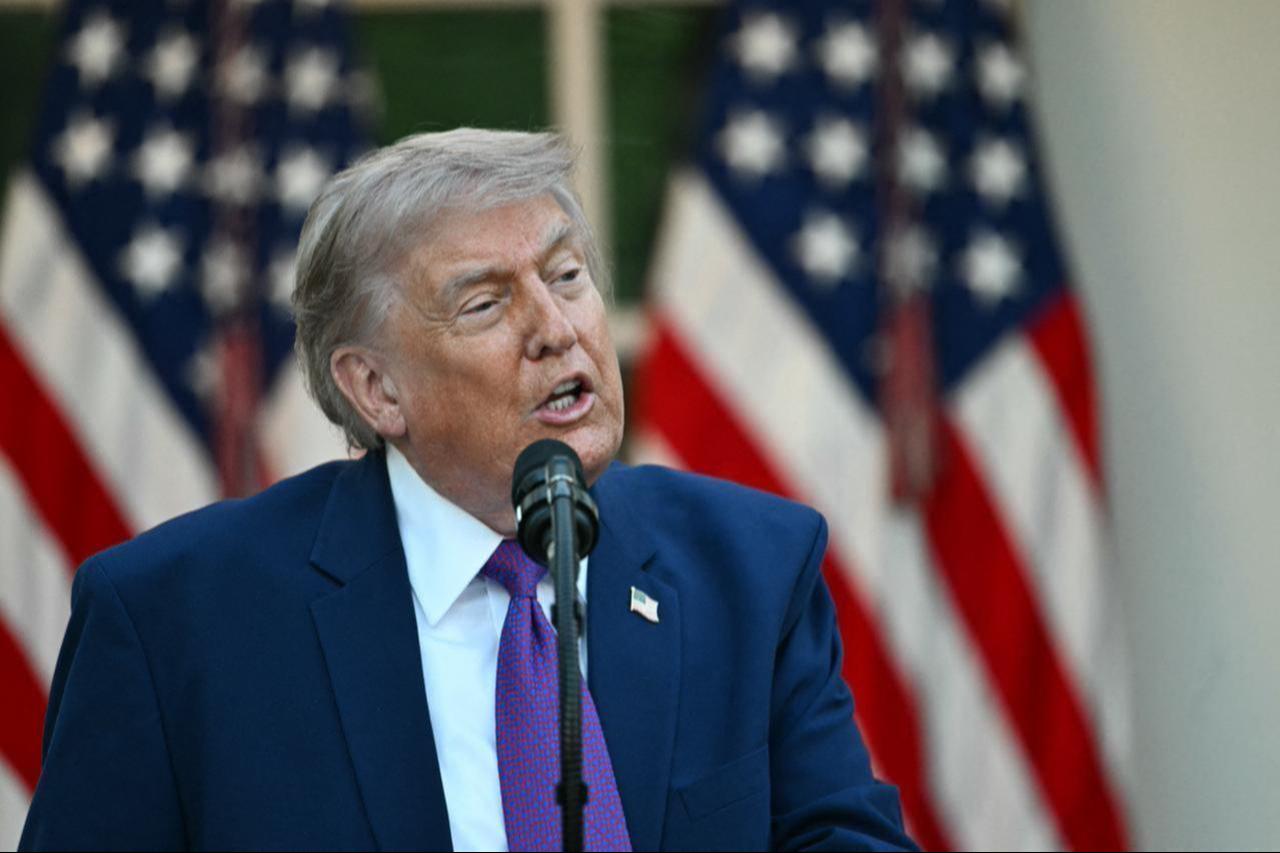

On Tuesday, Trump insisted the United States held the stronger hand at the negotiating table, describing Iran as eager for relief. "They come to the table, they're begging to make a deal," he said. He left open the possibility of further military action, saying, "I hope we don't have to do the war, but we may have to give them another big hit."
The US president is also contending with political headwinds at home as rising fuel prices erode public support. The closure of the strait, a conduit for roughly a third of global fertilizer in addition to its oil traffic, is putting upward pressure on food prices and raising fears of shortages in import-dependent nations.
The economic shockwaves have reached beyond the wealthiest economies. In Kenya, which relies heavily on Gulf imports for its fuel supply, the paralysis of the public transport system has triggered violent unrest. Interior Minister Kipchumba Murkomen confirmed that four people were killed and more than 30 injured in protests Wednesday.
The United Nations Food and Agriculture Organization issued a stark warning Wednesday, cautioning of a severe global food price crisis and a systemic shock to agricultural supply chains if the strait remains closed. The waterway's status now stands as the central obstacle to any lasting settlement, with both sides aware that the longer it stays shut, the heavier the toll on an already strained global economy.


 Set as preferred source
 Set as preferred source


 1 min read
 1 min read