Newsletters


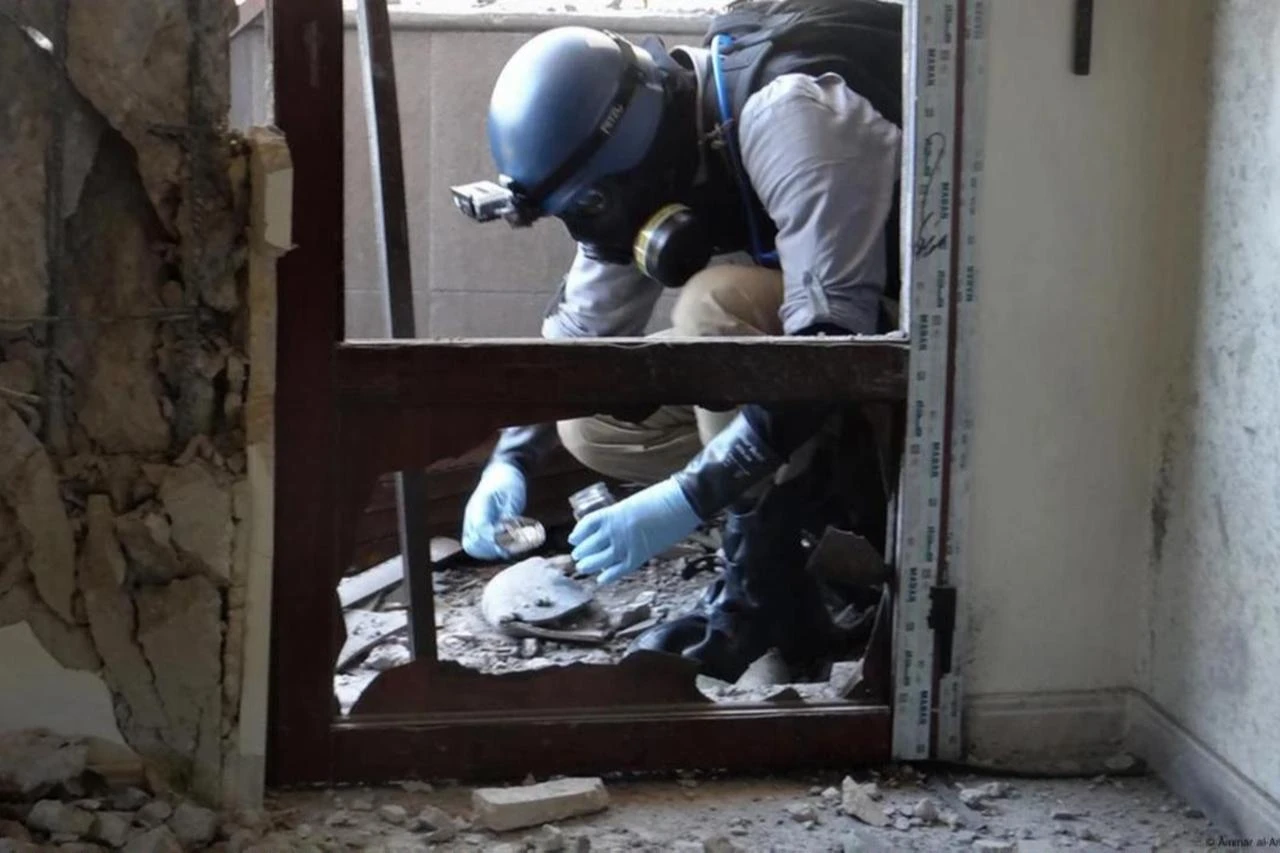


The International Atomic Energy Agency (IAEA) is preparing to remove nuclear material from a clandestine Syrian facility known as "Site 99." Axios reported late Monday, citing Israeli and U.S. officials, that the move follows a monthslong, previously unreported diplomatic effort by the Trump administration that averted a potential military escalation involving Israel, Syria, and possibly Türkiye.
Syria's Atomic Energy Commission confirmed Monday that an IAEA delegation will visit Damascus in the coming days, following the Axios report that the U.N. nuclear watchdog is preparing to extract material from the hidden site.
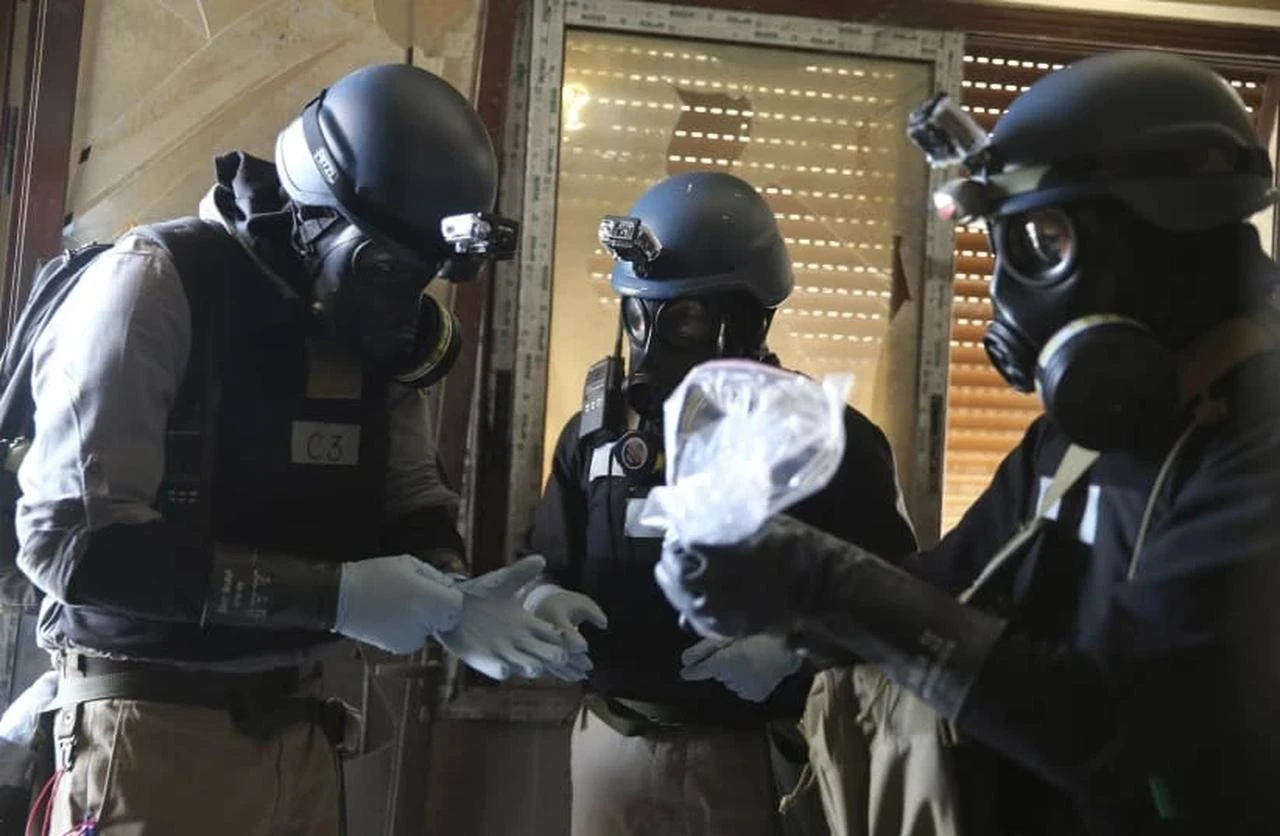

The material at the site, part of the former Al-Kibar reactor project developed under the Assad regime, includes yellowcake, a powder derived from uranium ore that can later be processed and enriched as part of a nuclear fuel cycle, along with other residue from the Al-Kibar site, according to Axios, which cited a U.S. official.
While the material cannot be used to build a nuclear weapon, officials said it could be used in a "dirty bomb," a conventional explosive device that disperses radioactive material to contaminate an area rather than produce a nuclear explosion.
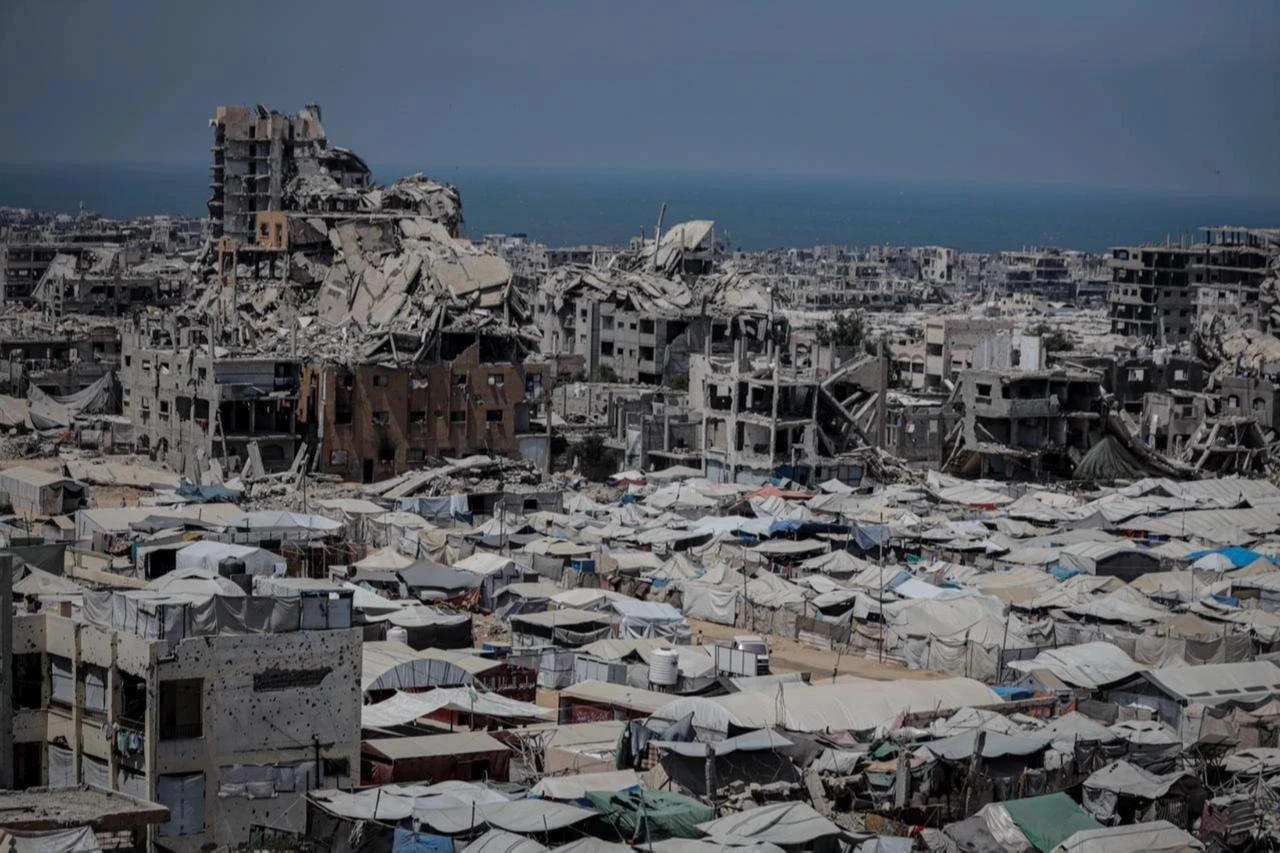
Israel bombed the Al-Kibar reactor in 2007, largely destroying Syria's nuclear program at the time, though several research, development and storage sites remained, mostly inactive, according to Axios. After the fall of the Assad regime, the IAEA signed an agreement with Syria's new government allowing it to visit Al-Kibar and other sites tied to the country's past nuclear activity, Axios reported.
Israeli officials told Axios the Israeli army bombed the entrances to Site 99 shortly after Assad's fall to prevent access to the material.
For more than a year, Israel and the U.S. discussed how best to handle Site 99, with senior officials from the White House National Security Council and its Israeli counterpart working closely on the issue, according to Axios.
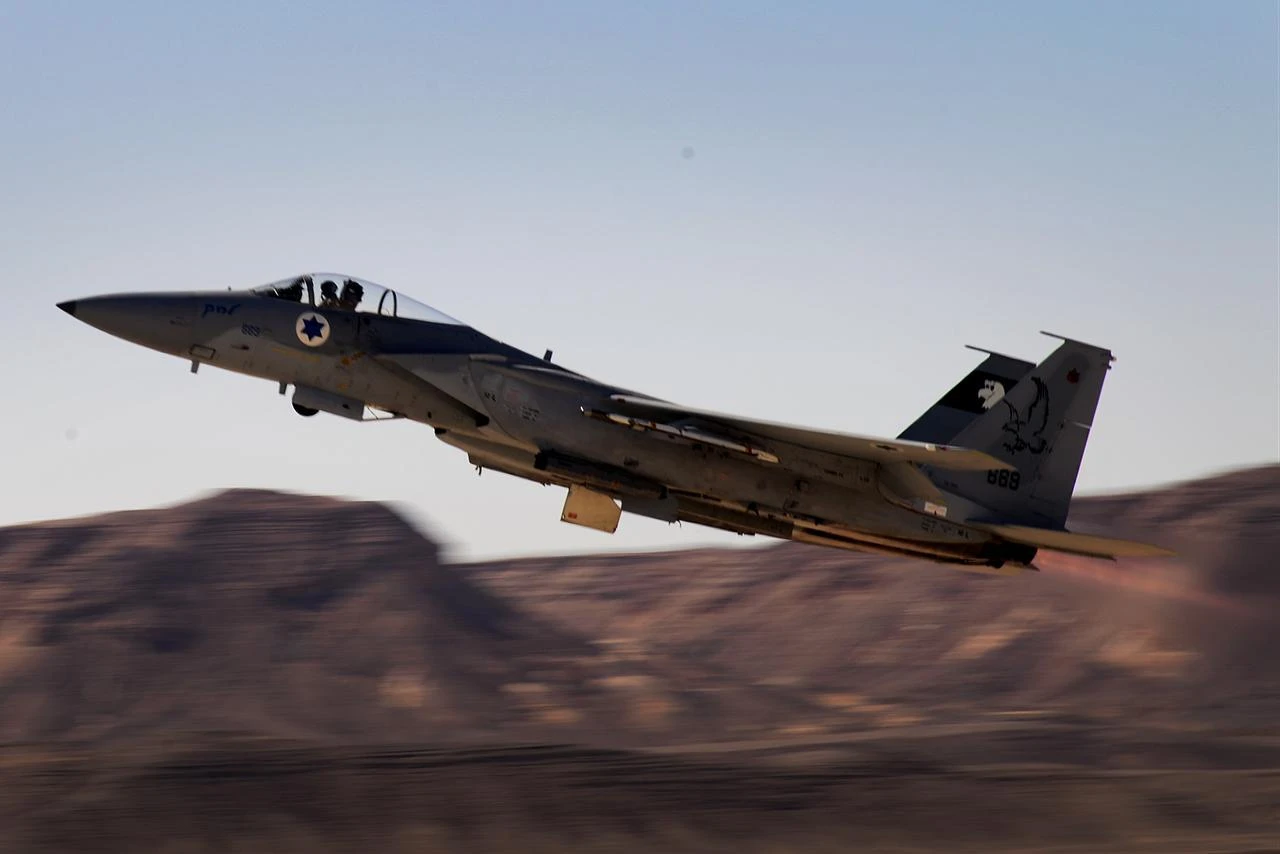
Israel made clear to the Trump administration it would not tolerate nuclear material remaining at the site, an Israeli official told Axios, and Israeli officials said the country even threatened to bomb the site again if the material was not removed or if there were signs Syria was trying to access it.
A U.S. official told Axios that while Israel was concerned, it was never on the verge of carrying out a renewed strike.
The U.S. and Israel eventually agreed that the best approach was to secure "buy-in" from the Syrian government to remove the material, according to Axios. When the Trump administration raised the issue with Damascus, Syrian officials said they had not known there was nuclear material at the site, according to sources cited by Axios.
"Very few people in the U.S., Israel and Syria were aware of this," a U.S. official said, adding that Washington has established a productive relationship with the post-Assad government.
"When we work with the Syrians on things, they are good partners," the official said.
Several weeks ago, Israeli officials monitoring the site detected movement in the area that led them to suspect Syria's new government was reneging on prior understandings and trying to access the material, according to Israeli and U.S. officials cited by Axios.
Israeli officials said they were also concerned that Türkiye was helping the Syrian government gain access to the material.
"The Israelis are always kicking the tires on different things to make sure it looks right and it's good they do that," a U.S. official told Axios.
The Trump administration asked Israel not to take action and brought the IAEA into the process, resulting in an agreement signed roughly three weeks before Axios's report between the IAEA and the Syrian government to remove the nuclear material from the site.
U.S. officials told Axios the work on Site 99 remains an ongoing operation and that the material has not yet been removed.
"We think everybody is happy with the result. Hopefully we will be able to kick off the removal process soon and end it before the end of the year," a U.S. official said.
Charles Lister, a resident fellow at the Middle East Institute, told Axios that Syria's new government is eager to resolve sensitive issues inherited from the Assad regime, including its nuclear and chemical weapons files, that could otherwise damage its efforts to rehabilitate the country's international standing.
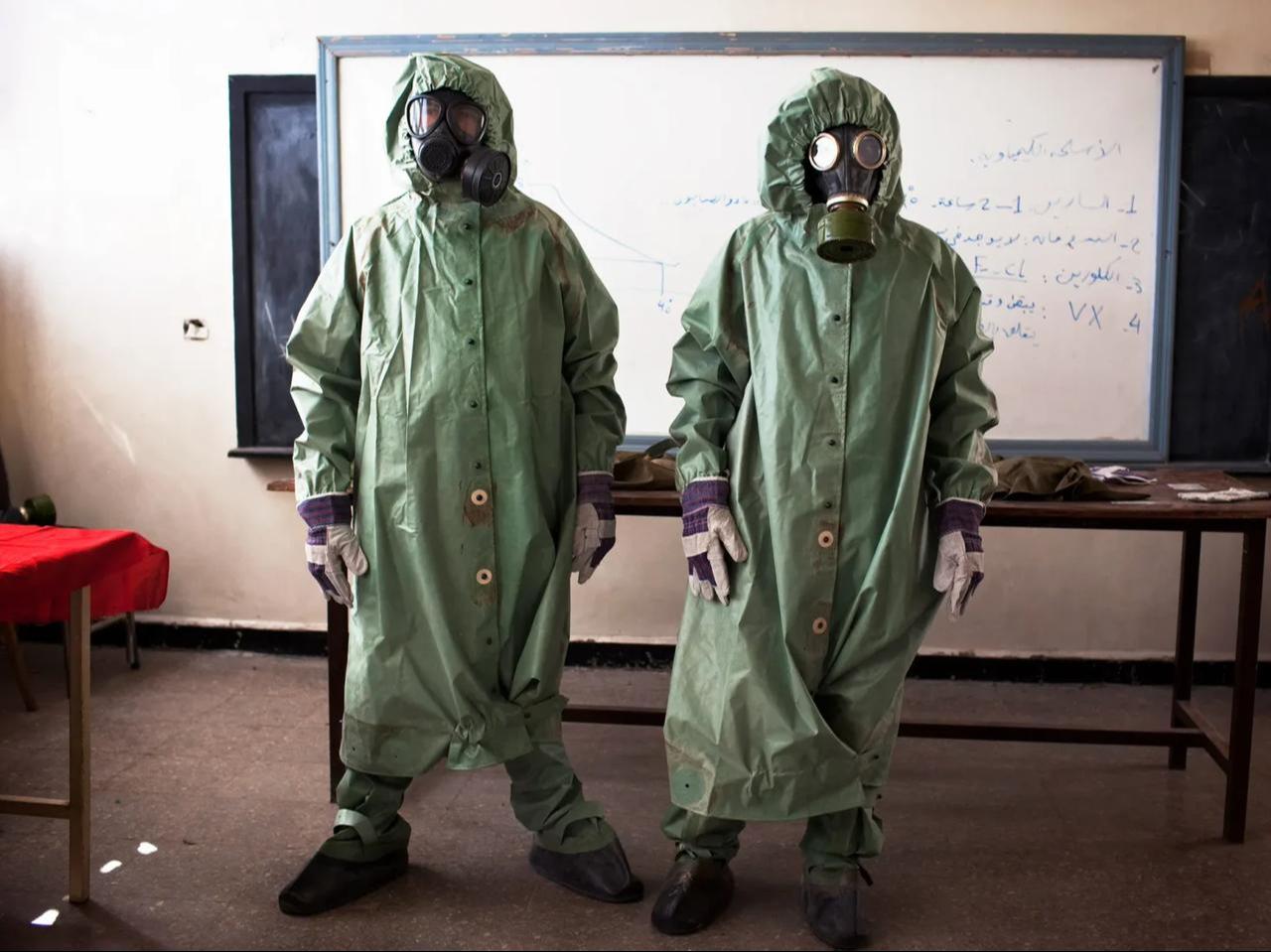
In a written statement issued after the Axios report, Syria's Atomic Energy Commission said the country "affirms its continued close and transparent cooperation with the IAEA, on the one hand, and with the United States and friendly countries, on the other, to address the legacy of the former regime, activate Syria's full membership in the Agency, and support Syria in the peaceful applications of nuclear energy, including health, food and scientific research."
The commission said it has made "tangible progress" relying on its own national capabilities since the country's "liberation," an apparent reference to the fall of the Assad government.
"In light of the limited technical capabilities available and the lack of sufficient international support provided to the Commission to date, it renews its call for the establishment of a specialized international committee to provide the necessary technical and legal support, ensuring that all procedures are completed in accordance with the highest international standards," the statement said.
"In the coming days, Syria will receive a delegation from the IAEA, during which both sides will jointly announce the significant progress Syria is making in this field," the commission said.
Large-scale chemical weapons use exacerbated Syria's civil war from 2011 to 2024.
Although Syria signed the Chemical Weapons Convention in 2013 and cooperated in the destruction of its chemical weapons stockpile, the former Assad regime continued to use chemical weapons, including in attacks against civilians, until at least 2018. There have been 349 confirmed chemical weapons attacks since 2012, with 74 alleged chemical weapons attacks investigated by the Organization for the Prohibition of Chemical Weapons' (OPCW) Fact-Finding Mission.


 Set as preferred source
 Set as preferred source


 2 min read
 1 min read