Newsletters


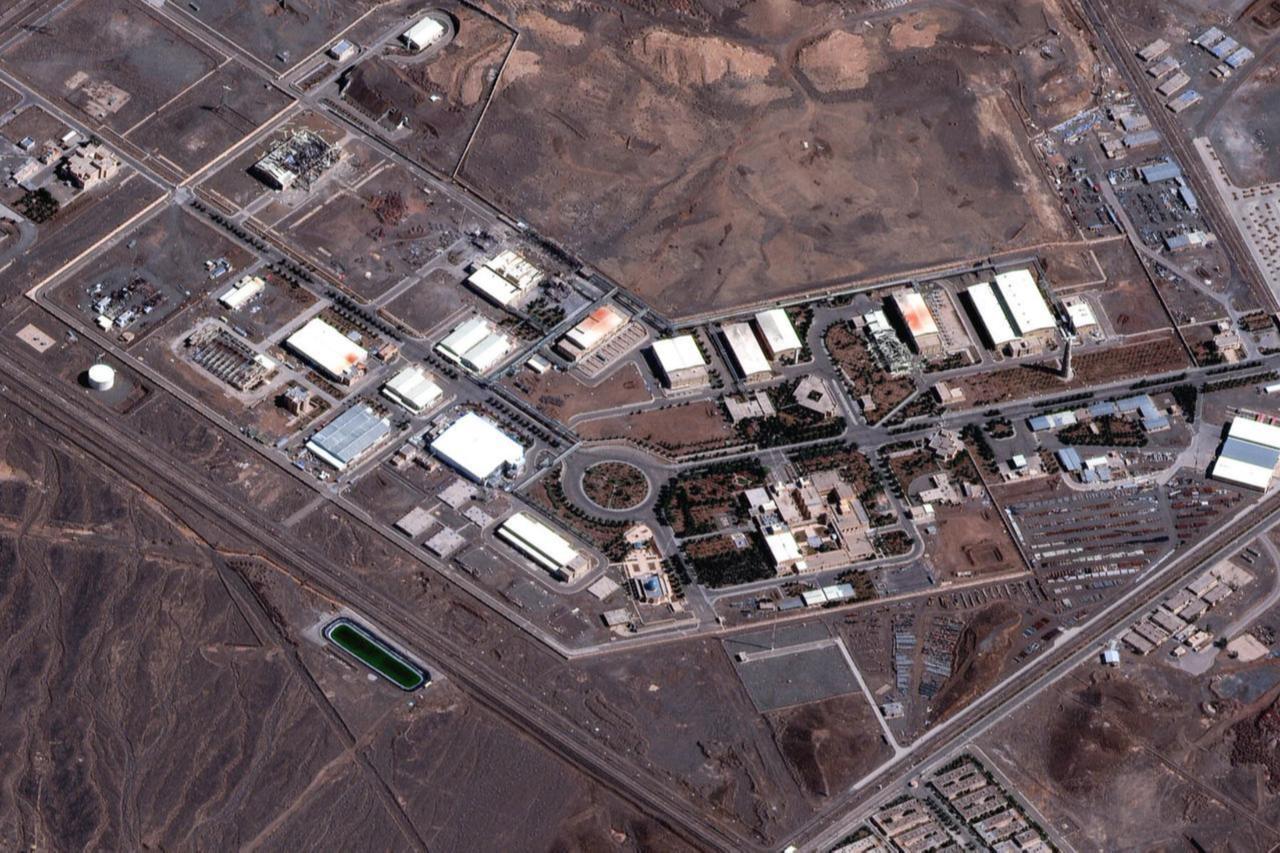


The U.N. nuclear watchdog has urged Iran to take gradual steps allowing inspectors to return to key nuclear facilities, warning that its lack of access and information about highly enriched uranium has become a serious proliferation concern.
In a report seen by Agence France-Presse (AFP) on Friday, the International Atomic Energy Agency said it was “critical” to resume verification activities in Iran without further delay.
“The director general encourages Iran to consider technical and gradual measures by which conditions are achieved that allow for the return of agency inspectors to Iran,” the report said.
The agency said such incremental steps could help restore normal safeguards implementation and create conditions for a broader agreement.

A separate confidential IAEA report seen by Reuters said the agency was “increasingly concerned” about the Isfahan Fuel Enrichment Plant, or IFEP, which Iran declared to the watchdog last year but has not allowed inspectors to visit.
The plant was declared to the IAEA on June 12, 2025. Inspectors had planned to visit it the following day, but the 12-day military campaign by Israel and the U.S. began on June 13, preventing the inspection.
“The Agency does not know IFEP’s exact location, status for safeguards purposes or whether it contains nuclear material,” the report said, according to Reuters.
The agency also said it was increasingly concerned that Iran had not provided access to the facility or its design information.
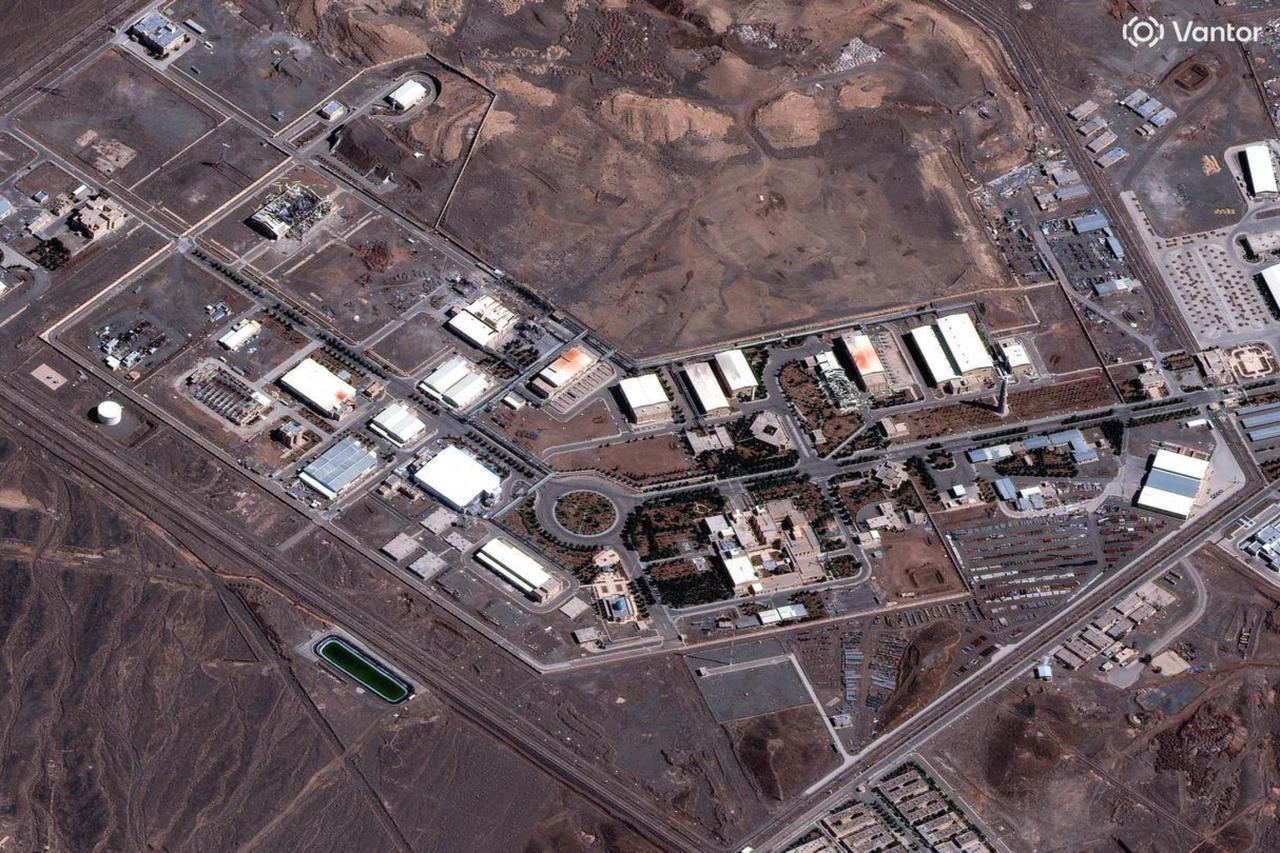
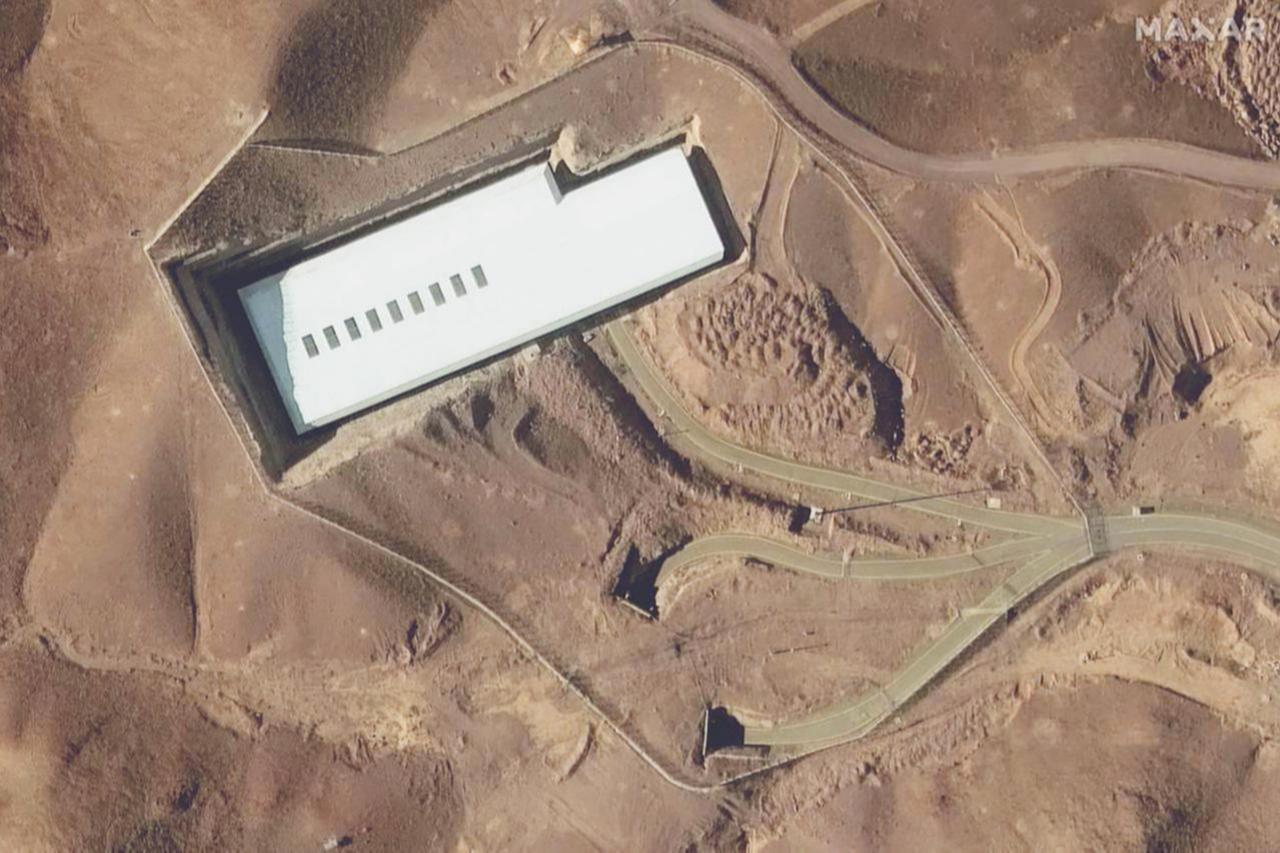
Diplomats have said the plant is believed to be located within a tunnel complex at Isfahan, though its exact location and current status remain unknown.
IAEA Director General Rafael Grossi said in March that the agency believed a significant portion of Iran’s most highly enriched uranium was located in the Isfahan tunnel complex.
The IAEA has not regained access to Iran’s key nuclear facilities since Israel and the U.S. carried out strikes during the 12-day conflict in June 2025.
Nuclear facilities were also hit during the latest war that began Feb. 28.
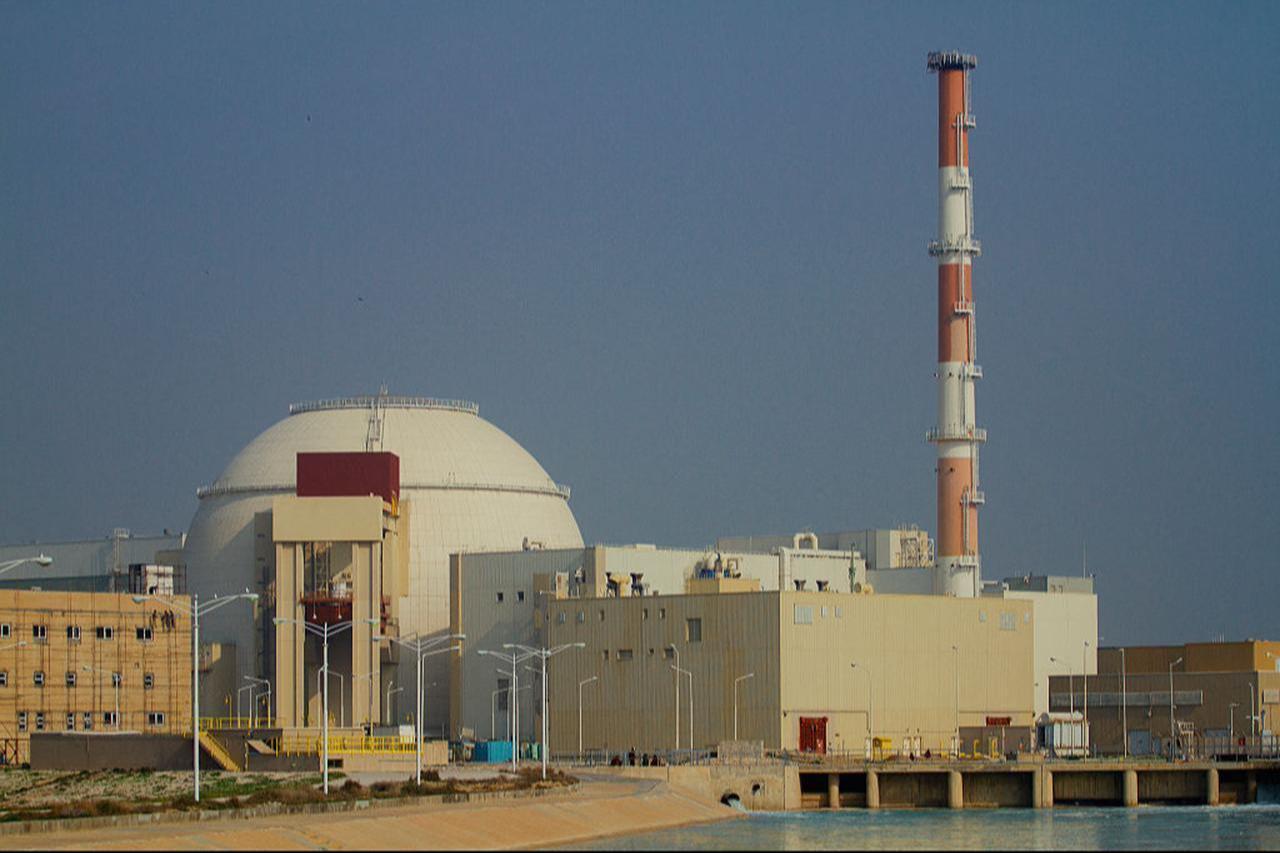
IAEA inspectors were able to visit Iran’s Bushehr nuclear power plant in September, but the agency has not been granted access to other key facilities.
The watchdog acknowledged that military attacks on Iran’s nuclear sites had created an “unprecedented situation.”
However, it said the absence of sufficient cooperation meant it could not conclude that declared nuclear material had not been diverted from peaceful activities.
“The Agency’s lack of information about this nuclear material and access to facilities to verify it is a matter of serious proliferation concern,” the IAEA said, adding that the issue needed to be addressed “with the utmost urgency.”
The agency also reiterated that Iran should provide information on the status of its enrichment facilities and its stockpile of highly enriched uranium, and allow inspectors to return to bombed sites.
Before the June 2025 strikes, the IAEA estimated that Iran held about 440 kilograms of uranium enriched to 60%, close to the 90% level needed for a nuclear weapon and far above the 3.67% limit set under the now-defunct 2015 nuclear agreement.
The location and condition of that stockpile have remained uncertain since the strikes.
Iran has long denied seeking to develop a nuclear weapon.
In September, the IAEA Board of Governors referred Iran to the U.N. Security Council over nuclear noncompliance, marking the first such referral in 20 years over failures to meet nuclear reporting obligations.


 Set as preferred source
 Set as preferred source


 1 min read
 1 min read