Newsletters


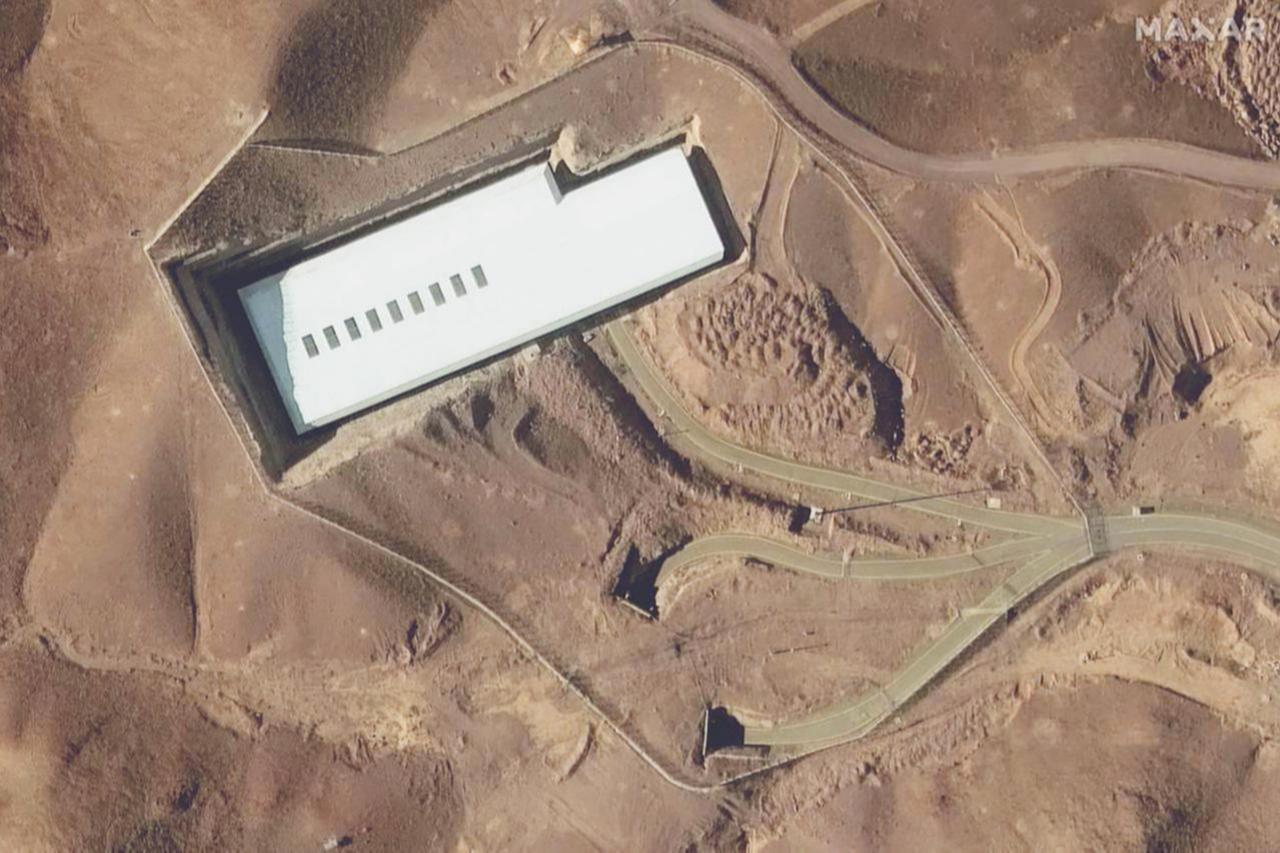


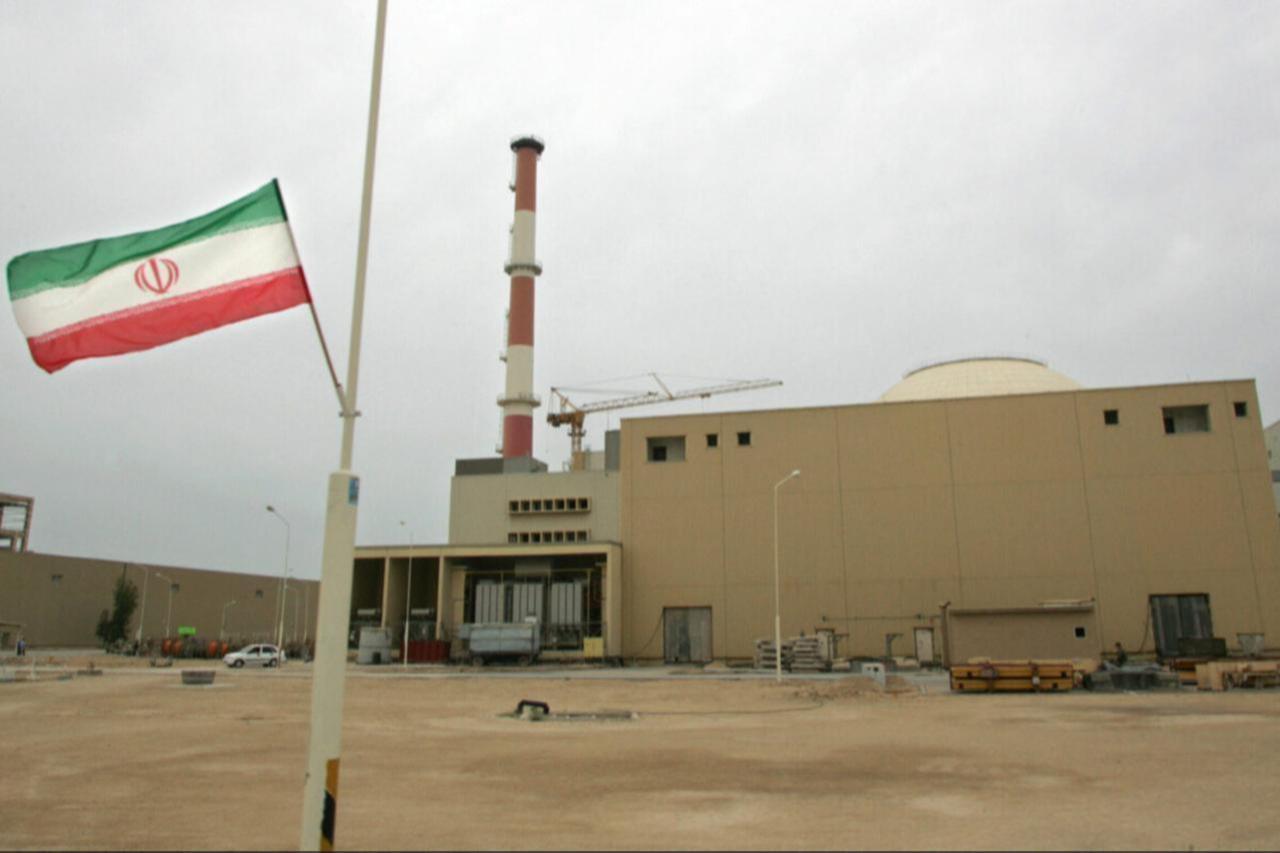
Iran has no plans to change its nuclear doctrine for now regarding the potential development of nuclear weapons, Supreme National Security Council Secretary Mohsen Rezaei said, despite growing domestic calls for a policy shift after attacks on Iranian nuclear facilities.
"So far, no official decision has been made by the government or the Supreme National Security Council to change the nuclear doctrine," Rezaei told the semi-official Tasnim News Agency.
The attacks on Iranian nuclear sites came even after extensive inspections and monitoring by the International Atomic Energy Agency (IAEA), Rezaei emphasized. He also criticized IAEA Director General Rafael Grossi, accusing him of serving Israeli interests and rejecting concerns about Iran's nuclear activities.
Rezaei argued that more than two decades of inspections, along with numerous documents and reports, demonstrated the peaceful nature of Iran's nuclear activities.
Qatar and Pakistan are mediating efforts to revive negotiations between Washington and Tehran, with reports pointing to progress in indirect talks in Doha. The discussions cover Iran's nuclear program, sanctions and navigation security.
The Wall Street Journal previously reported, citing U.S. officials, that Vice President JD Vance had sent a message to Rezaei at President Donald Trump's direction to revive peace talks.
Trump denied the report, saying Vance's role was limited to helping provide medical supplies needed by Iran.
Rezaei confirmed that a new letter delivered through American intermediaries had reached Iran's Foreign Ministry and undergone an initial review. Tehran has yet to respond.
"The noticeable change in the tone of this letter compared with previous correspondence demonstrates the consolidation of the Iranian nation's power and victory," he said.
Iran's seven conditions for negotiations remain in place, Rezaei added, noting that further demands have brought the total to more than seven.
Tehran wants those conditions fully implemented before discussing its nuclear commitments or continued membership in the Nuclear Non-Proliferation Treaty (NPT).
"After these conditions have been fully implemented, other issues, such as nuclear commitments and Iran's continued membership in the Nuclear Non-Proliferation Treaty, can be negotiated in a second stage, provided Iran's nuclear rights are fully recognized," Rezaei said.
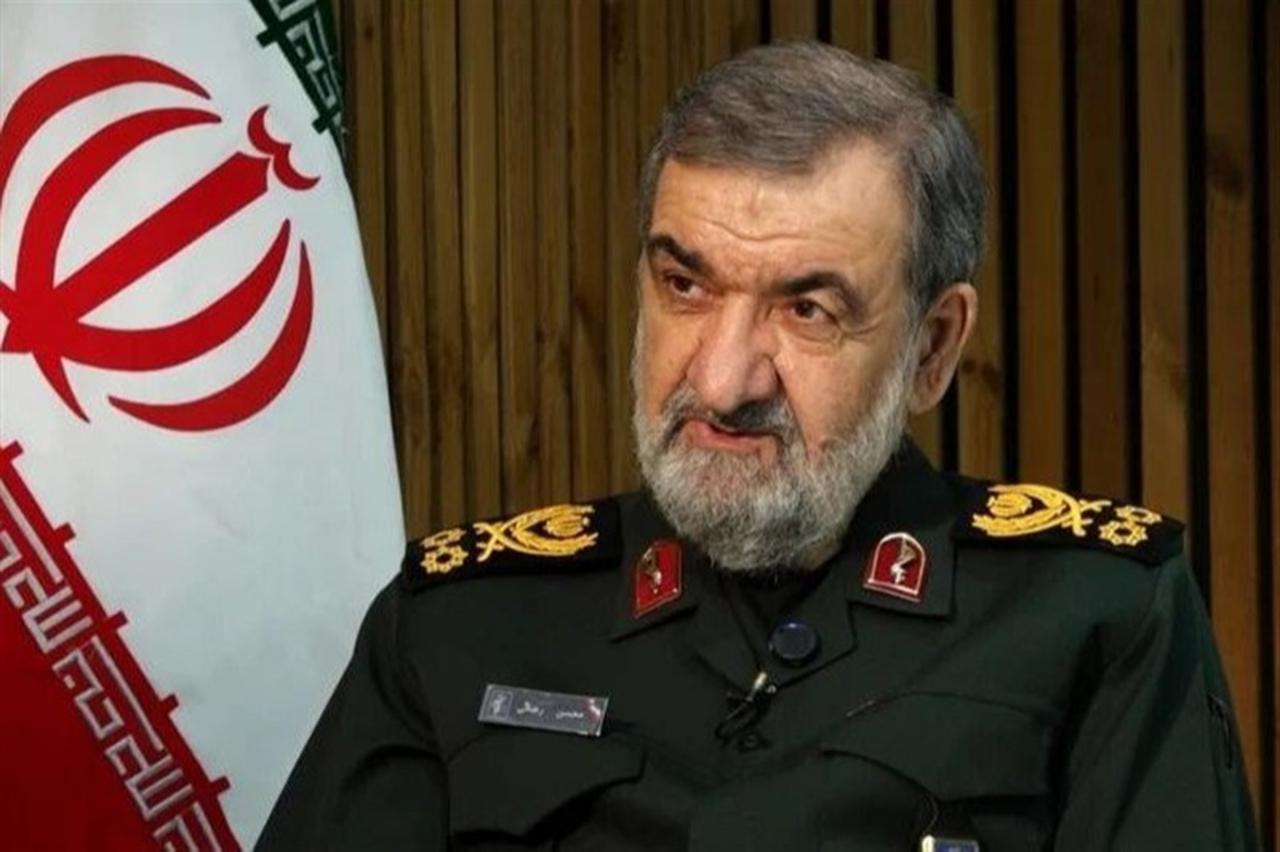

Control of the Strait of Hormuz remains a major obstacle to renewed negotiations, as Rezaei insists that all maritime traffic must operate under Iranian supervision and that earlier agreements failed to clearly define control of the waterway and the collection of fees.
"Until our conditions are met, the strait will not be reopened, and we will not negotiate," he said, adding that Washington had made three rounds of proposals without fully addressing Tehran's concerns.
Rezaei characterized the second proposal as more suitable than the first but still suspicious, alleging that Washington intended to resume negotiations before launching another attack.
A third set of proposals contained ambiguities, he added, while diplomatic efforts continued.
Washington and Tehran signed a memorandum of understanding on freedom of navigation in the strait on June 18, but implementation stalled over disagreements about security arrangements.
Rezaei maintained that Iran's latest conditions addressed ambiguities in earlier agreements, particularly over control of the waterway and the collection of fees.
He stressed Iran wanted the conflict to end in a way that would deter future attacks, warning that any new military action would draw a forceful response.
"We are determined to end the war in such a way that no one dares to attack Iran again," he said.


 Set as preferred source
 Set as preferred source


 1 min read
 1 min read