Newsletters


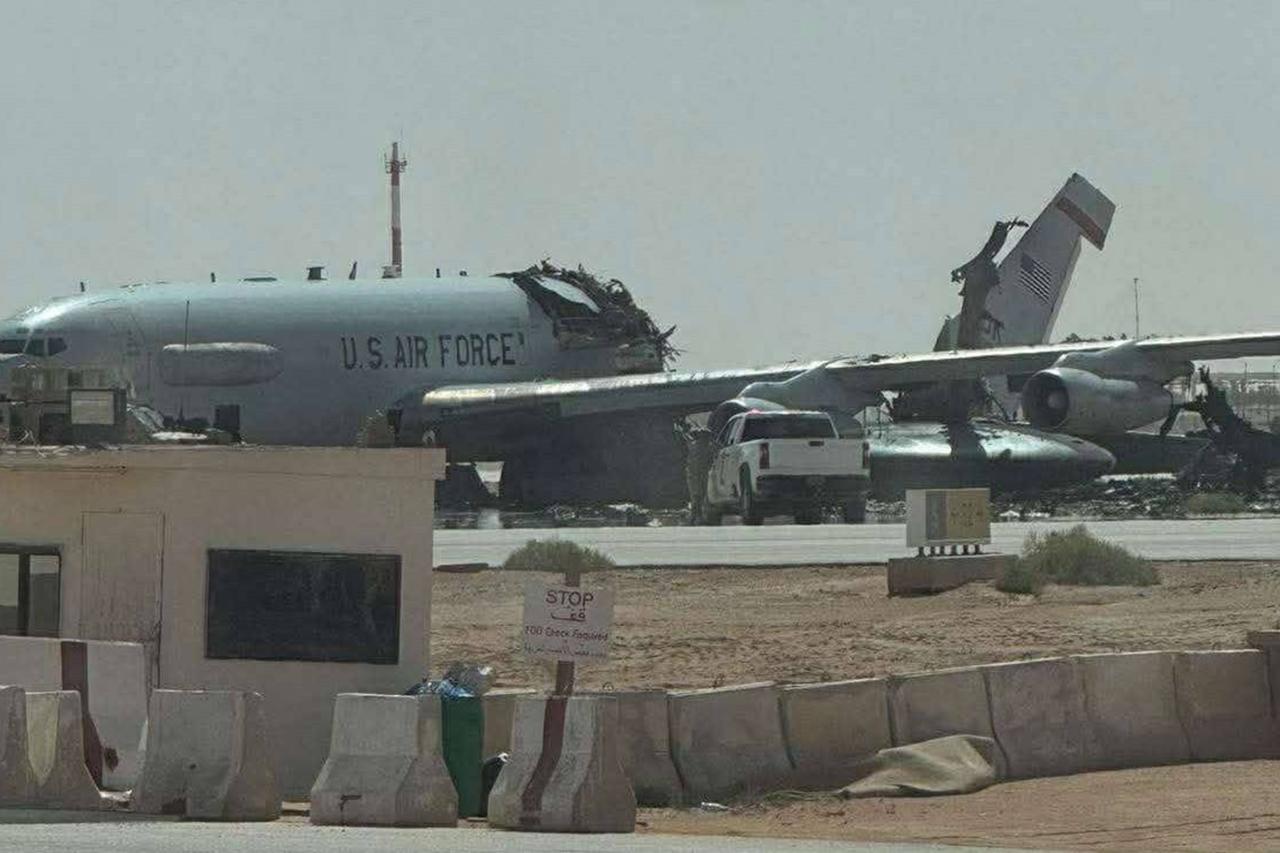


Images circulating on social media purportedly show the total destruction of a U.S. Air Force (USAF) E-3G Sentry airborne warning and control aircraft at Prince Sultan Air Base in Saudi Arabia following an Iranian missile and drone attack.
Open-source intelligence (OSINT) analysts confirm the wreckage matches tail number 81-0005, an E-3G deployed to the base in recent weeks as part of Operation Epic Fury, reducing the U.S. Air Force's E-3 fleet from 16 to 15 aircraft.

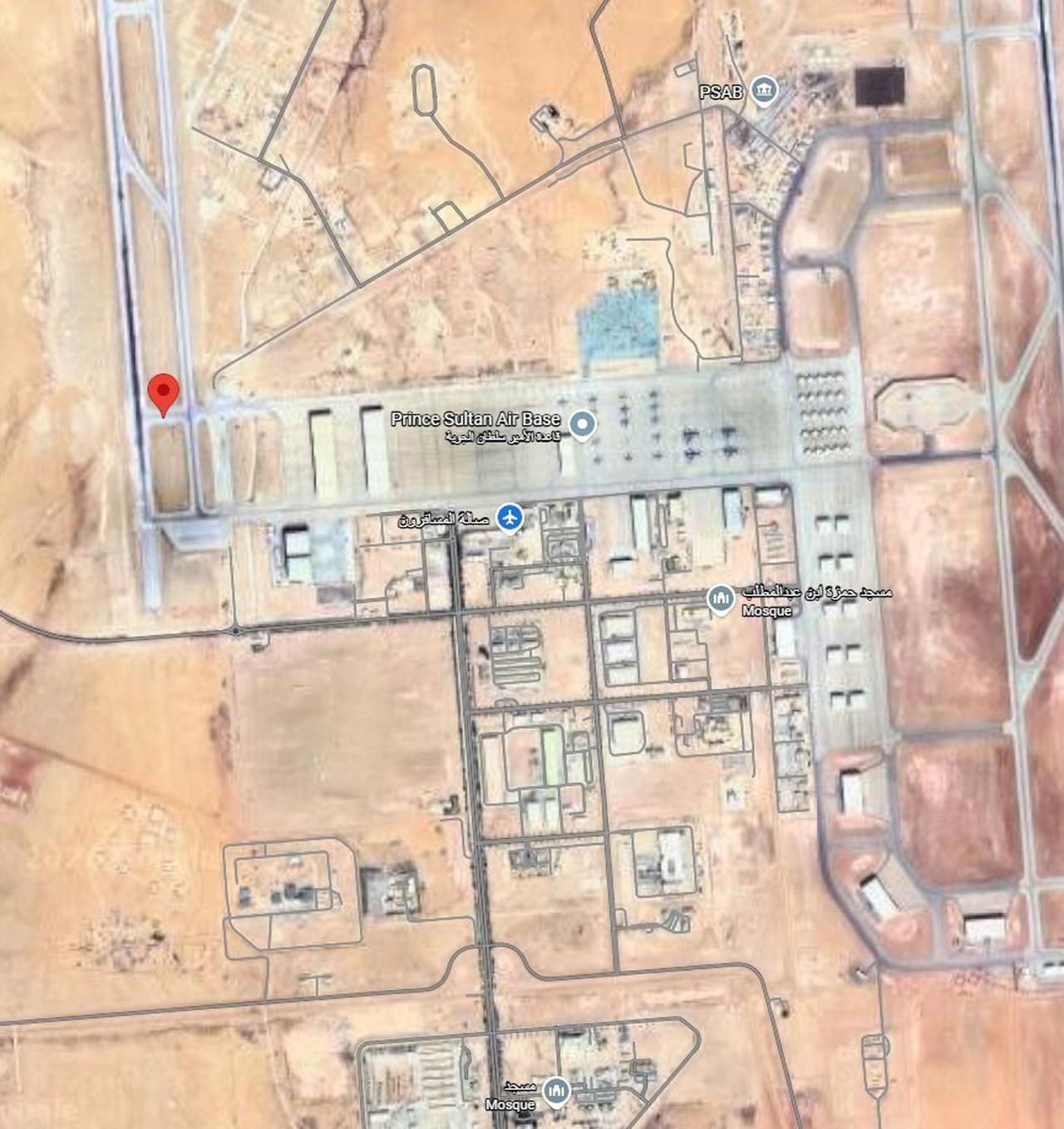
Geospatial intelligence (GEOINT) analysis identified the aircraft's strike location on the taxiway at coordinates 24.063730, 47.545924.
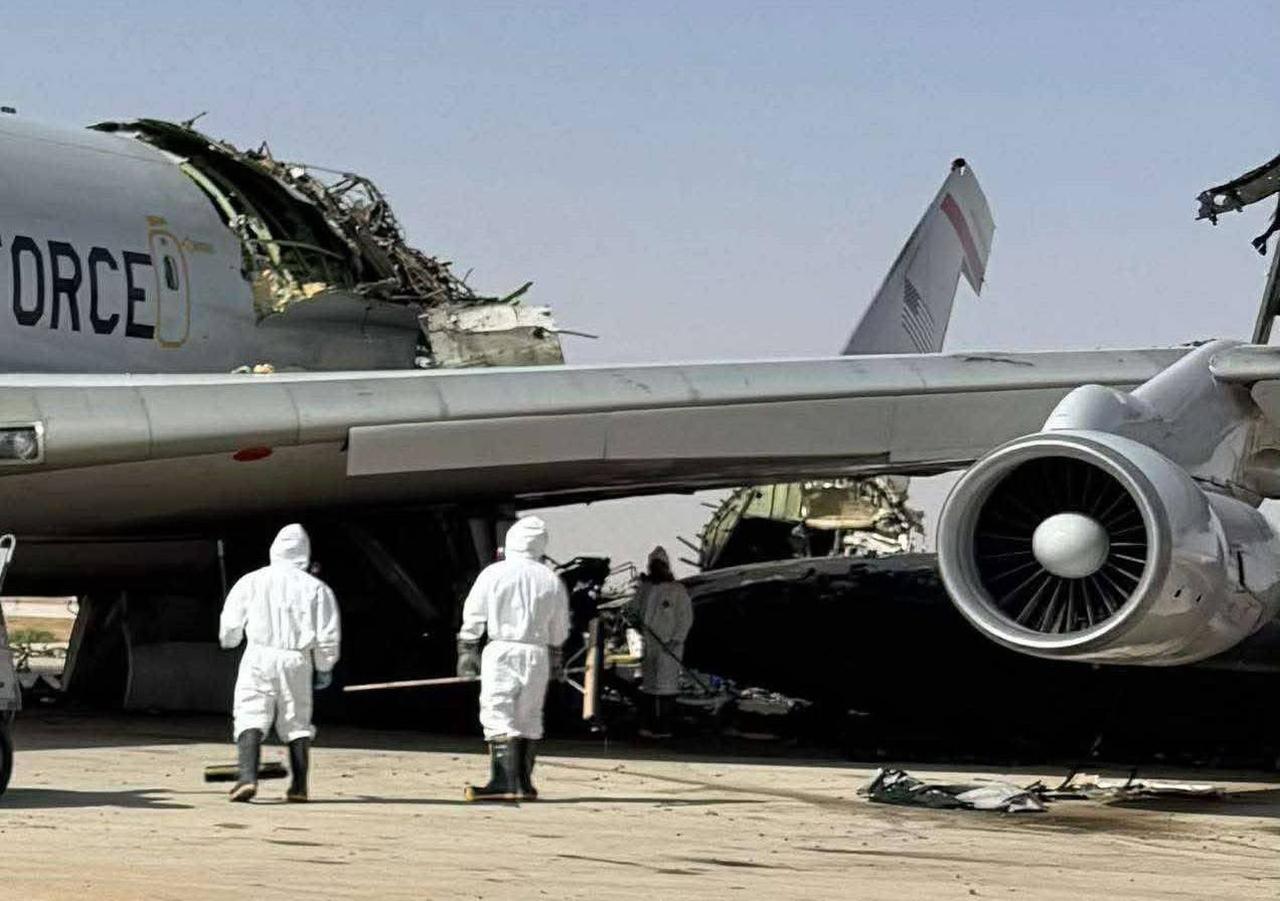
The images show catastrophic structural damage concentrated at the rear of the aircraft, precisely where the E-3's rotating radar dome and AN/APY-2 Surveillance Radar System are located, the most operationally critical section of the aircraft.
"The aircraft was struck directly on the radar dome. That is its defining main feature. My estimate is that the munition's seeker head was also looking for it," a defense analyst noted.
The strike appears to have been a deliberately precision-targeted attack on the aircraft's most important and sensitive systems rather than incidental damage.
Tracking data confirmed that 81-0005 was one of the E-3G Sentries deployed to Prince Sultan Air Base for Operation Epic Fury.
The aircraft belongs to the U.S. Air Force's 552nd Air Control Wing, based at Tinker Air Force Base in Oklahoma.
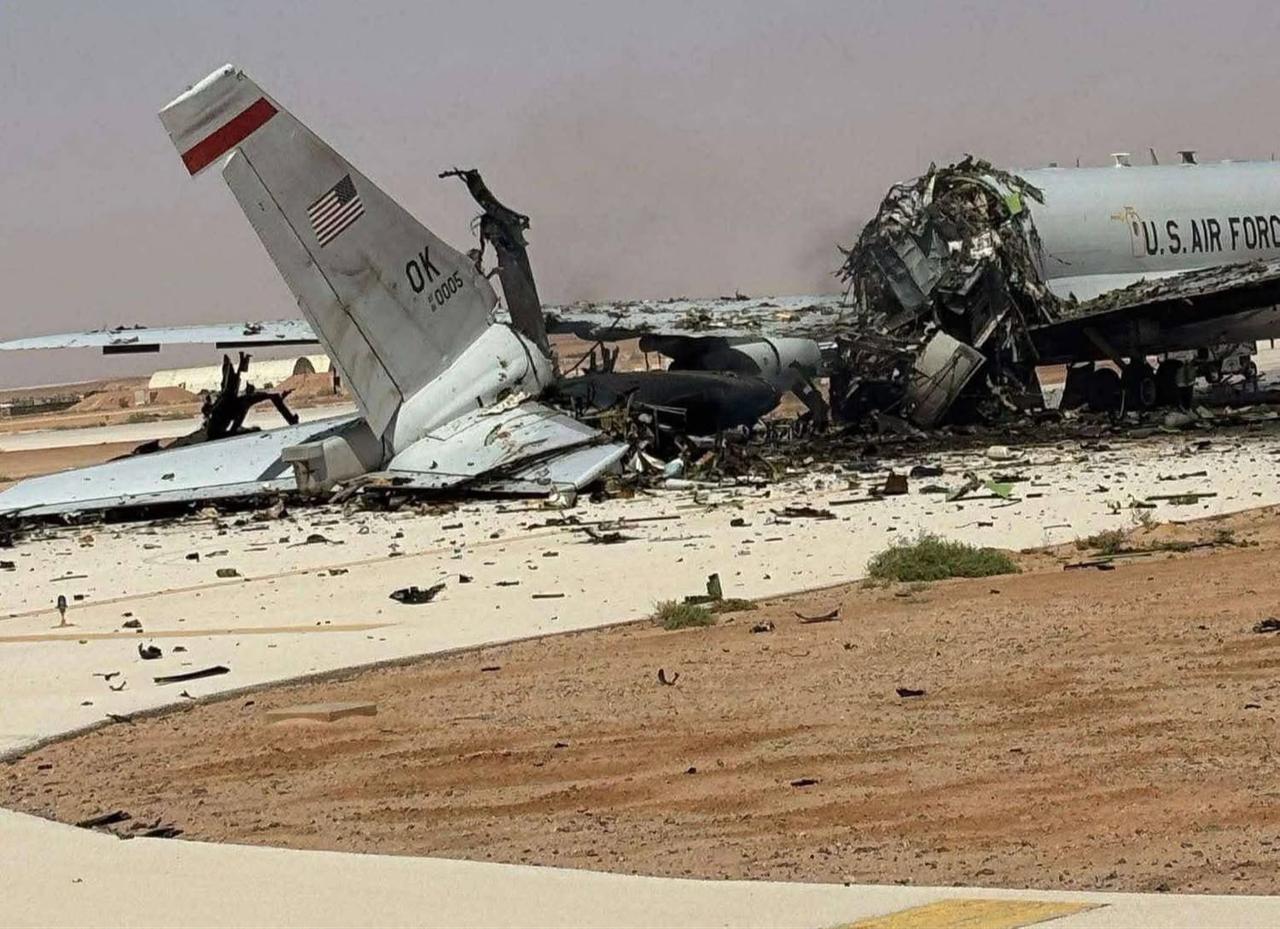
The Associated Press (AP), citing sources familiar with the matter, reported that Iran used six ballistic missiles and 29 armed drones in the March 27 attack on Prince Sultan Air Base.
At least 15 U.S. service members were wounded, five of them seriously.
CENTCOM has not confirmed the attack details, but the Wall Street Journal (WSJ), citing U.S. and Arab officials, reported that multiple aerial refueling aircraft and an E-3 Sentry AWACS were damaged.
Satellite imagery and photographs shared by OSINT accounts showed one KC-135 Stratotanker completely destroyed and three others severely damaged and out of service, in addition to the E-3 loss.
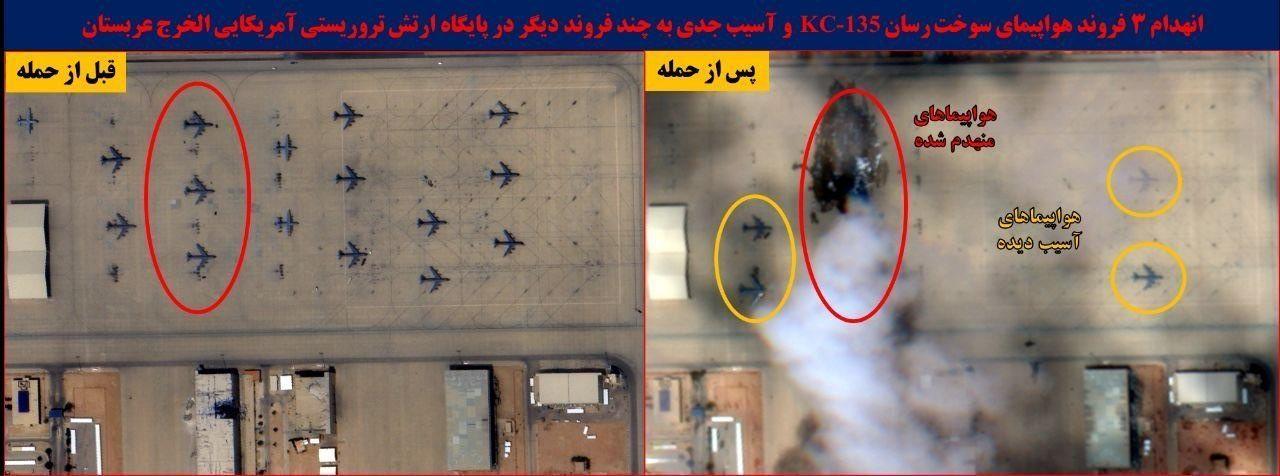
The IRGC announced on March 27 that it had targeted the "refueling and air support fleet" of U.S. forces at Prince Sultan Air Base with missiles and armed drones, stating that "several wide-body and heavy refueling and support aircraft were destroyed or seriously damaged."
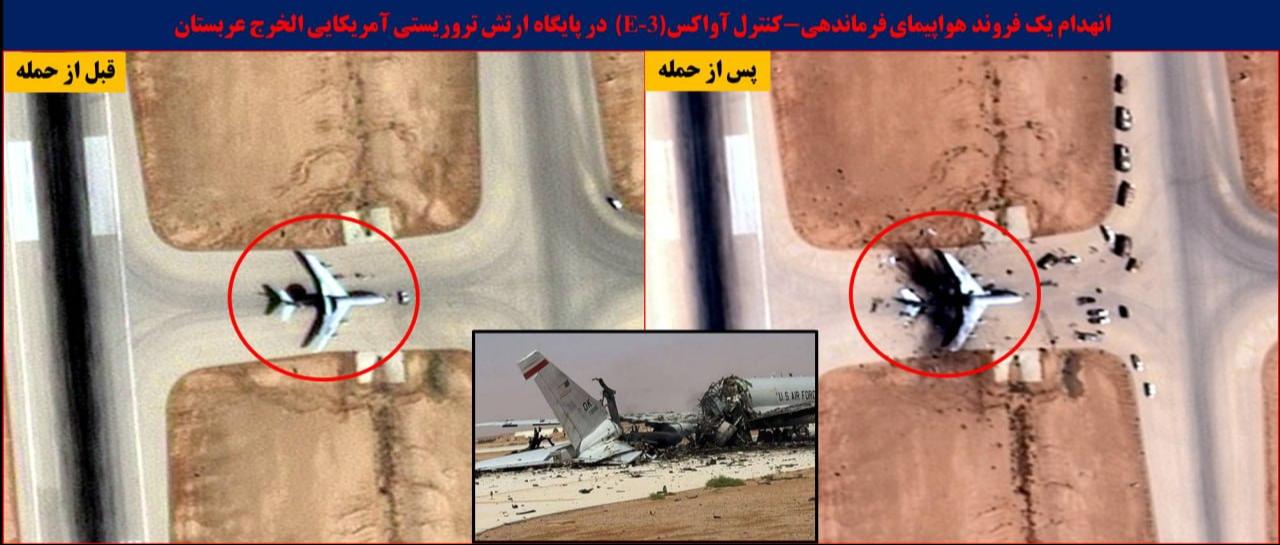
The E-3G Sentry is the U.S. Air Force's primary airborne battle management and early warning platform, built on a modified Boeing 707 airframe with a 30-foot rotating radar dome capable of surveillance from the Earth's surface to the stratosphere at ranges of over 250 miles.
It carries a flight crew of four and a mission crew of 13 to 19 specialists performing surveillance, identification, weapons control, battle management, and communications functions.
The aircraft provides real-time battlefield information, including position and tracking data on enemy aircraft and ships, directly to the Joint Air Operations Center and can forward data to the president and secretary of defense in a crisis.
Its loss represents a significant degradation of U.S. airborne command, control and surveillance capability over the theater.
The unit cost of an E-3 is approximately $270 million in fiscal 1998 constant dollars.
The U.S. Air Force's active inventory now stands at 15 aircraft following the confirmed total loss of 81-0005.


 Set as preferred source
 Set as preferred source


 1 min read
 1 min read