Newsletters


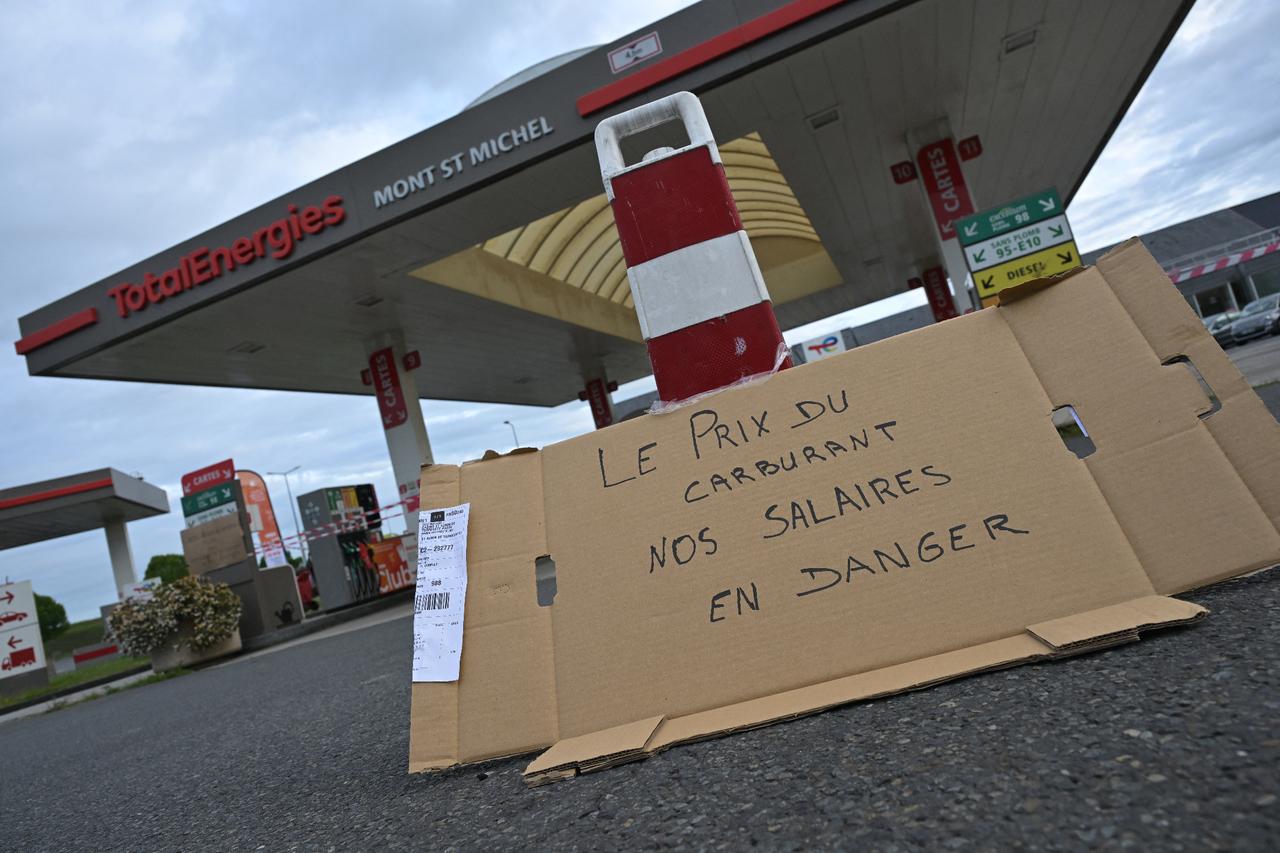


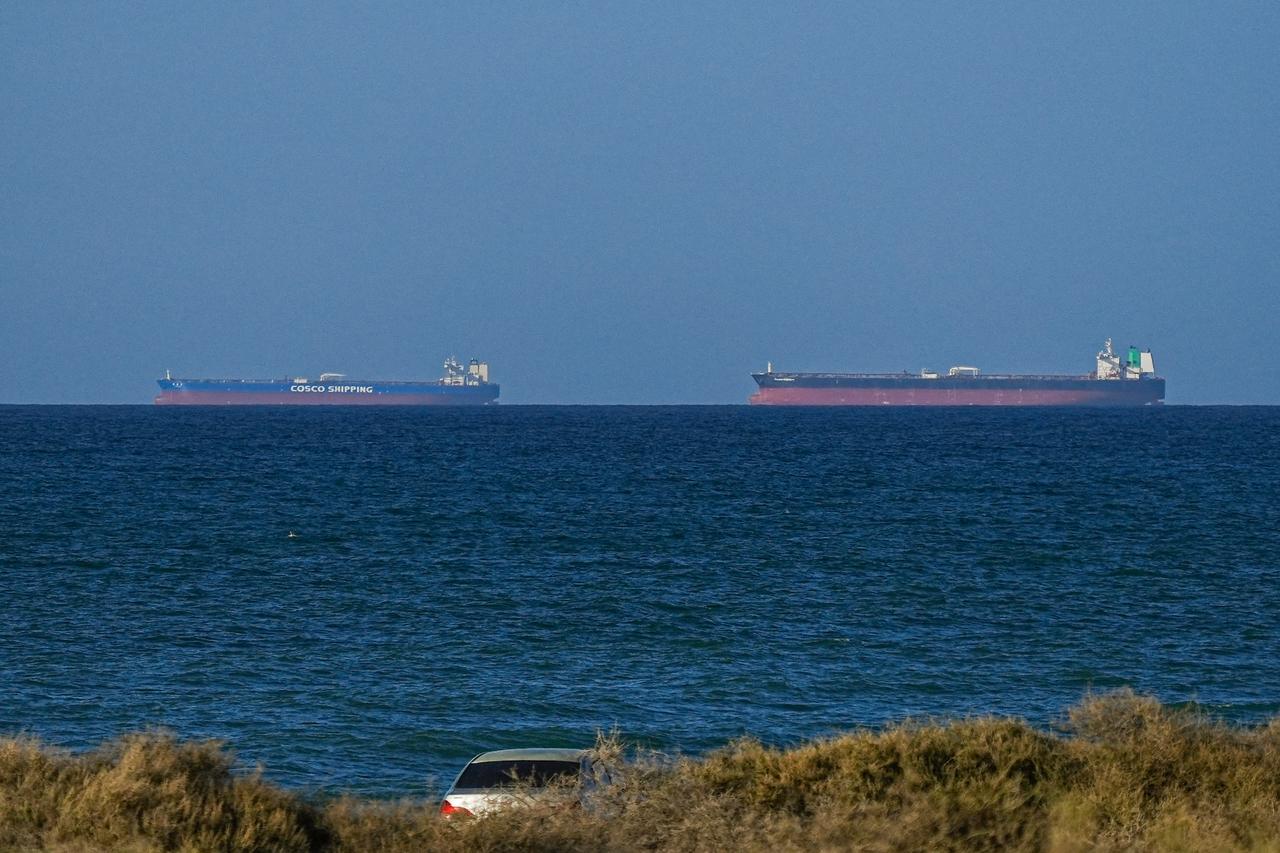
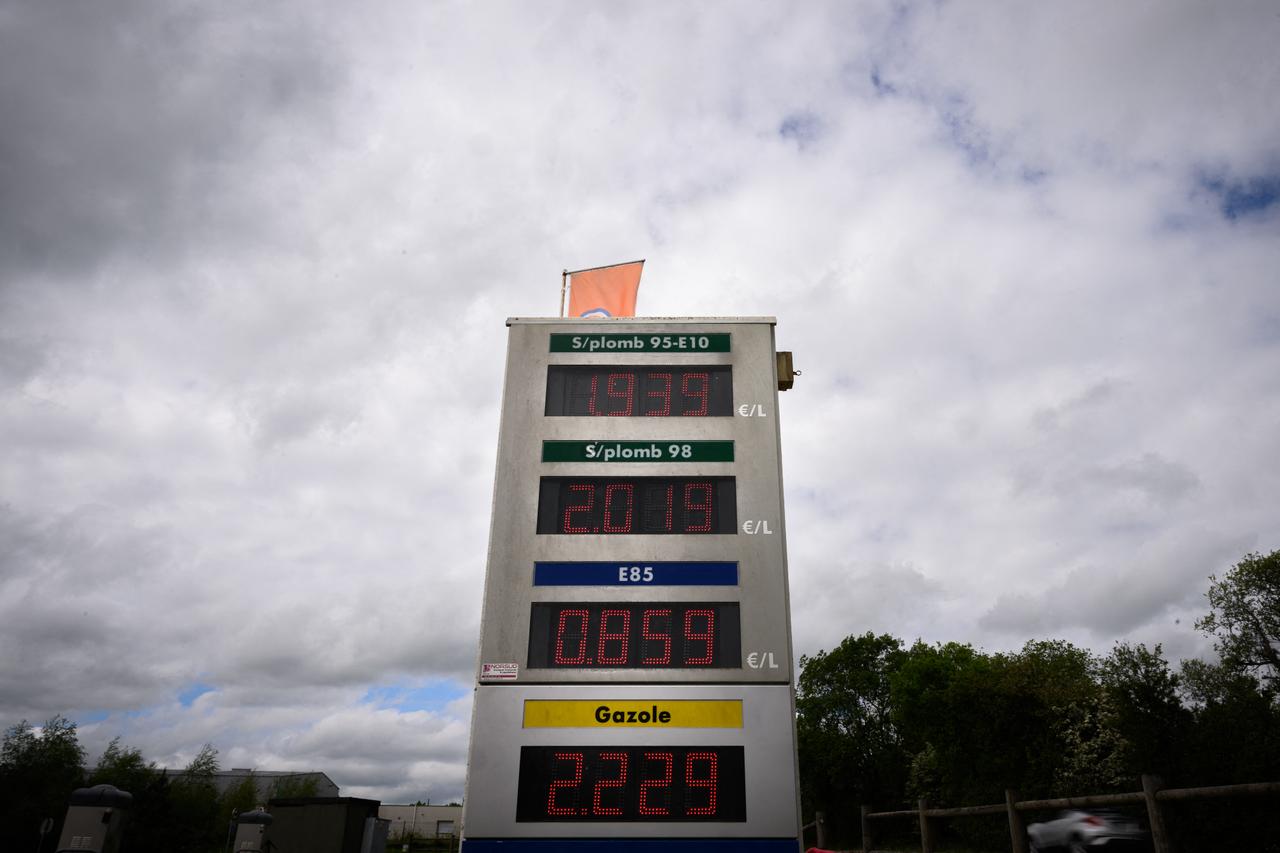
The International Monetary Fund projected slower economic growth and higher inflation across Europe in 2026 due to an energy shock triggered by the Middle East conflict.
Alfred Kammer said the region is facing a new economic challenge that requires strong macroeconomic policies and structural reforms.
He noted that the European Union is expected to record growth of just 1.3% this year.
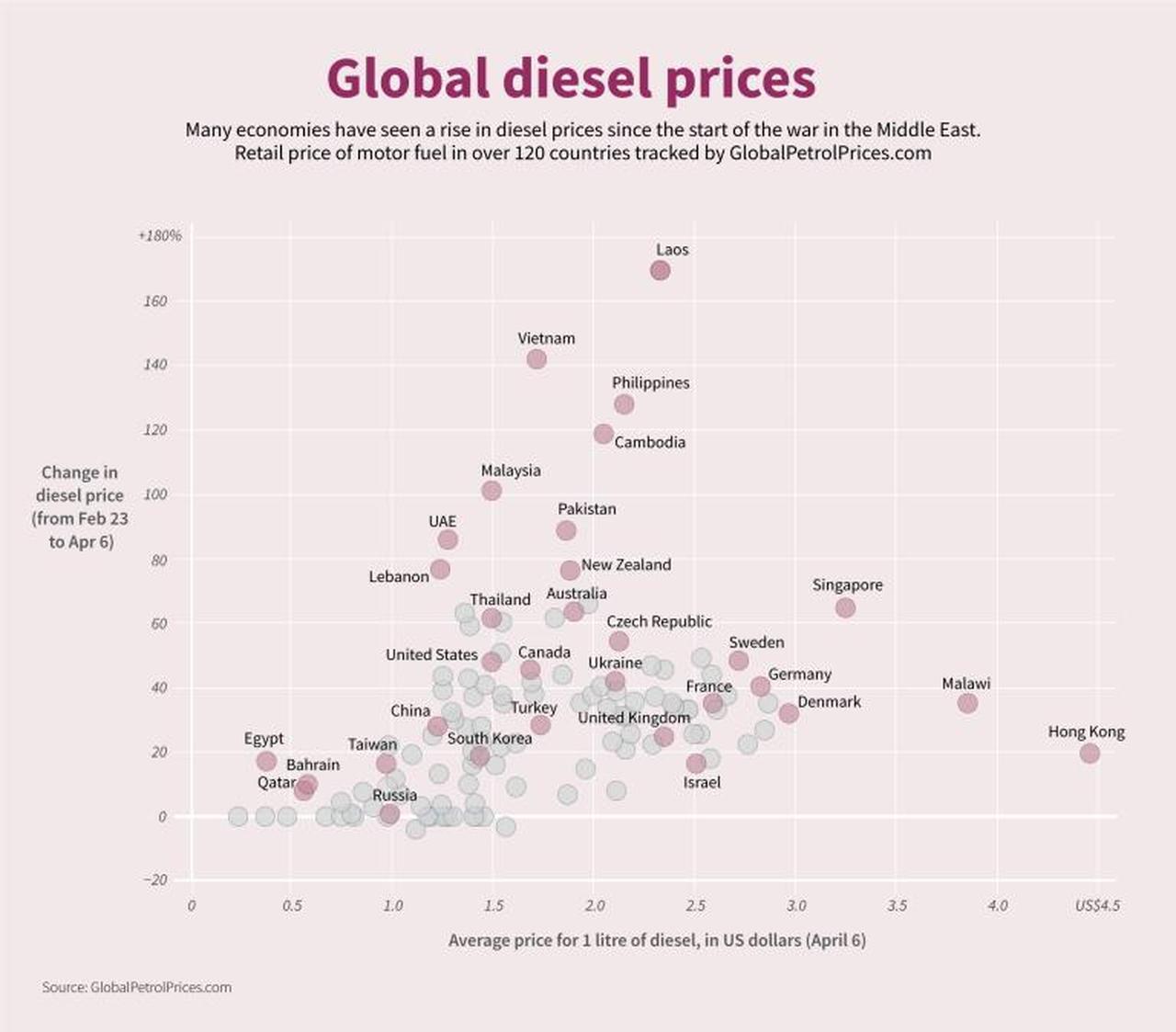
The IMF forecast euro area inflation at 2.6% in 2026, up from 2.1% in 2025.
It projected inflation at 2.2% for Nordic economies, 10.8% for emerging European economies, 2.8% for advanced economies and 4.4% globally.
The fund warned that a severe scenario, involving prolonged supply disruptions and tighter financial conditions, could push inflation close to 5% and bring the EU near recession.

The report said central banks must remain focused on anchoring inflation expectations and indicated that the European Central Bank plans a cumulative 50-basis-point increase in its policy rate by the end of the year.
It also cautioned that broad energy subsidies disproportionately benefit higher-income households, noting that European governments spent an average of 2.5% of GDP on such support during the 2022 energy crisis.
 1 min read
The IMF advised policymakers to avoid untargeted price caps and instead adopt targeted, temporary measures.
Kammer added that highly indebted countries have limited fiscal space and must offset any new energy-related spending.
The IMF expects inflation in Türkiye, which it said is relatively less affected by the war, to decline to 28.6% in 2026.


 Set as preferred source
 Set as preferred source



 1 min read