Newsletters


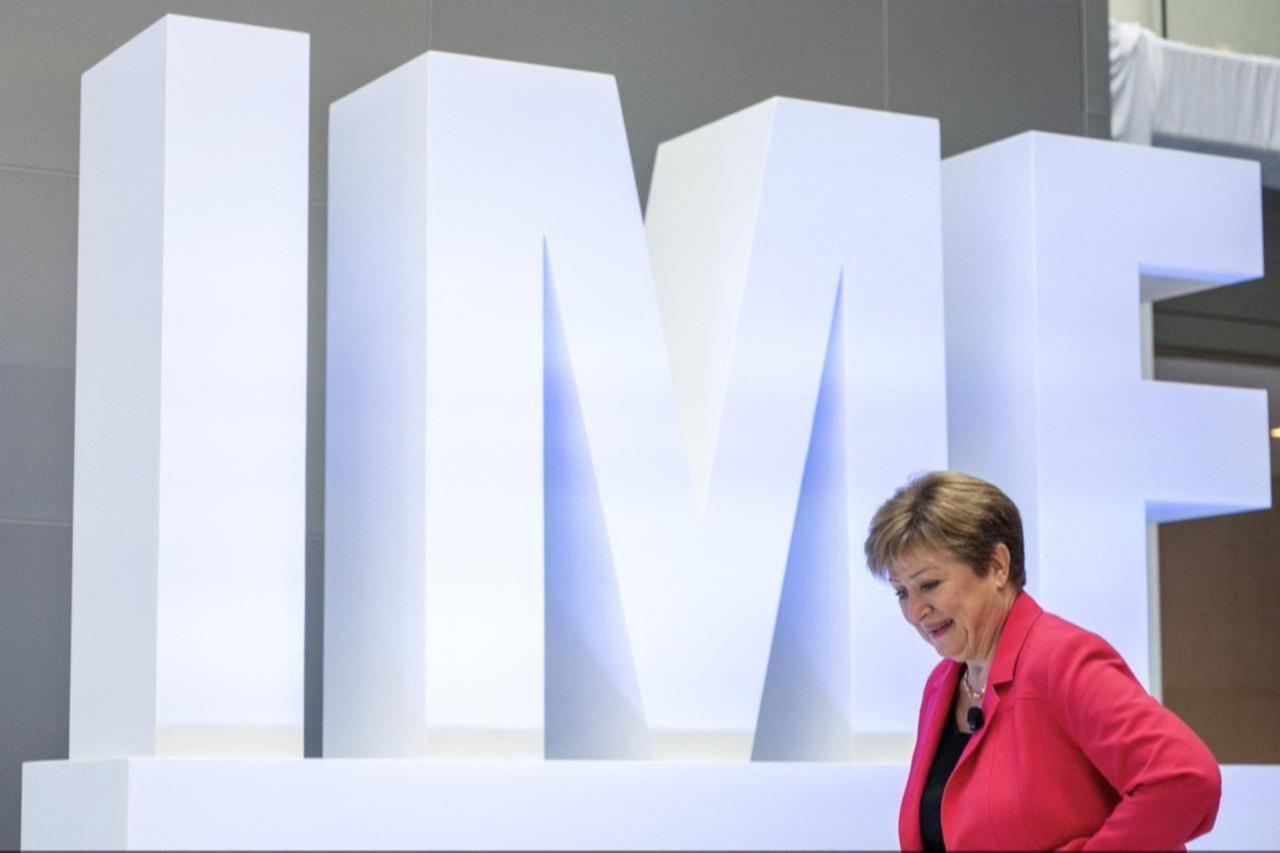


International Monetary Fund (IMF) Managing Director Kristalina Georgieva warned on Monday that governments, businesses and international institutions need to prepare for a future marked by increasingly frequent shocks, arguing that global disruptions are no longer isolated events but a recurring feature of the economic landscape.
After navigating the COVID-19 pandemic, the war in Ukraine, trade tensions and the latest conflict in the Middle East, Georgieva said the world has yet to fully grasp how fundamentally the risk environment has changed.
"I am worried that we are not completely internalizing yet that this is how the world is going to be," Georgieva told Bloomberg. "We are not going to get to a place where shocks are gone."
Georgieva, who has led the Washington-based lender since 2019, said policymakers should focus on strengthening economic resilience rather than expecting a return to a more predictable global environment.
The IMF, which has lending capacity of just under $1 trillion, works with its 191 member countries to help safeguard global economic stability during periods of uncertainty, according to her. "The best ammunition we have is objective analysis," she noted.
Among the major changes reshaping economies, Georgieva highlighted the rapid spread of artificial intelligence and its potential impact on jobs and local communities. She acknowledged that international organizations, including the IMF, failed to fully recognize the social costs that accompanied globalization, despite its overall benefits for economic growth.
"We collectively, including the fund, did not appreciate the backlash against globalization that came from the fact that, yes, the world economy is doing better as a whole, but many communities were hollowed out because their jobs disappeared and there was not enough attention to them," she said.
Georgieva stressed that policymakers should avoid making the same mistake as AI adoption accelerates across industries. "What I'm very keen not to see repeated is the same with AI," she added.
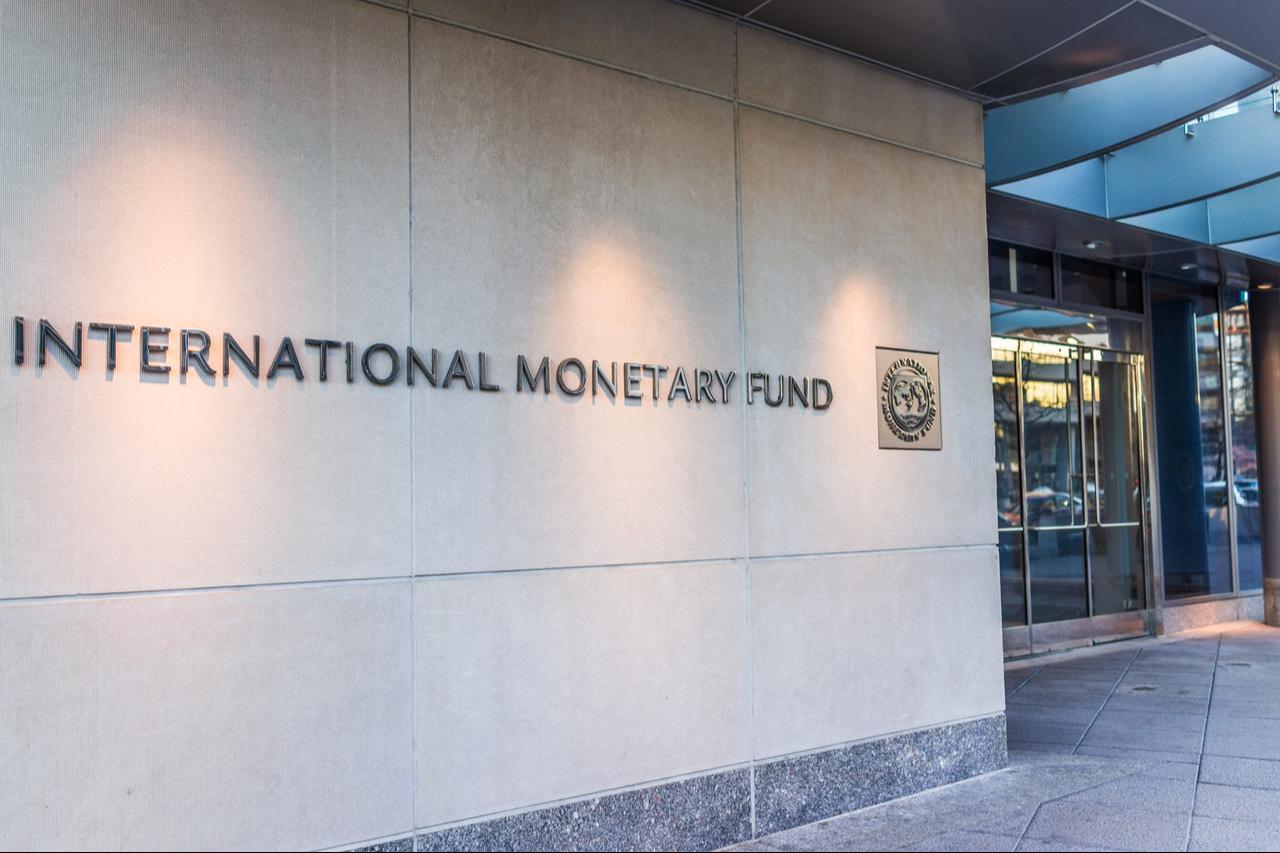

The IMF is scheduled to update its global economic forecasts in July after cutting its outlook in April, when the fund warned that the Iran war had darkened prospects for the world economy.
In its latest World Economic Outlook, the IMF projected global growth of 3.1% in 2026 and 3.2% in 2027 under a reference scenario that assumes the conflict remains limited in duration and scope. The fund lowered its 2026 forecast by 0.2 percentage point from its January update, largely because of disruptions linked to the conflict and their impact on energy markets. Global inflation is also expected to rise to 4.4% in 2026 before easing to 3.7% in 2027.
The IMF cautioned that a prolonged conflict could inflict significantly greater damage. Under an adverse scenario featuring larger and more persistent energy-price increases, global growth would slow to 2.5% in 2026, while inflation would climb to 5.4%. In a more severe scenario involving broader disruptions to energy infrastructure, global growth could fall to around 2%, bringing the world economy close to recession.
The fund noted that economies dependent on energy imports, particularly emerging and developing countries with existing vulnerabilities, would likely face the strongest pressure from higher commodity prices, tighter financial conditions and weaker external balances.


 Set as preferred source
 Set as preferred source


 1 min read
 1 min read