Newsletters


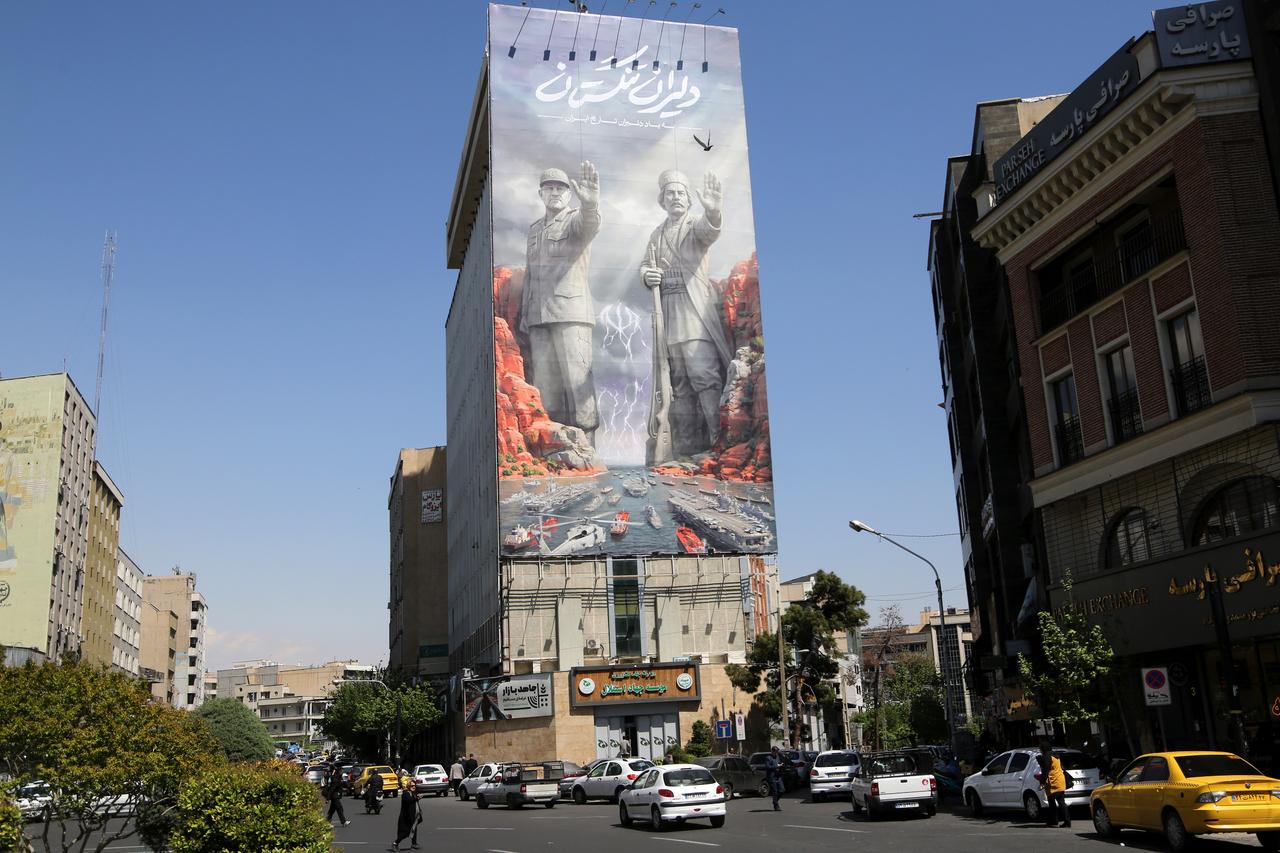


India summoned Iran's ambassador to New Delhi on Saturday after two Indian-flagged vessels were named in a shooting incident in the Strait of Hormuz, with New Delhi conveying deep concern over the matter and urging Tehran to resume facilitating India-bound ships through the strategic waterway.
India's foreign secretary, Vikram Misri, met Iran's ambassador and conveyed his "deep concern" over the incident, the foreign ministry said.
Misri "noted the importance that India attached to the safety of merchant shipping and mariners," referred to previous ships bound for India that had safely navigated the waterway, and urged Iran to "resume at the earliest the process of facilitating India-bound ships across the Strait."
New Delhi said two Indian-flagged vessels were involved in the shooting incident earlier in the day.
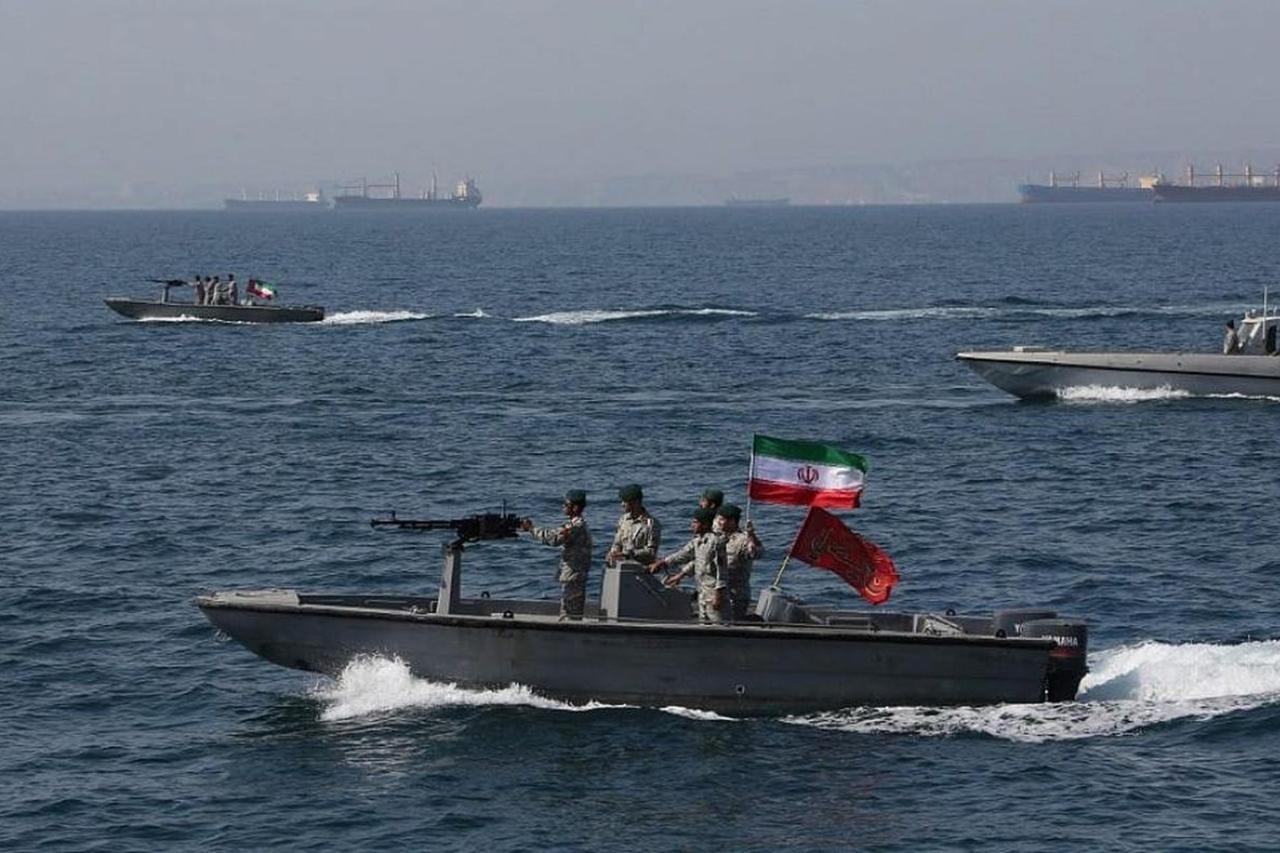
The United Kingdom Maritime Trade Operations said it received a report from a tanker captain that the vessel had been "approached by 2 IRGC gunboats" and fired on without any radio warning.
UKMTO said the incident took place 20 nautical miles northeast of Oman. Its report referred to one vessel as being involved in the incident.
At least two merchant vessels reported being hit by gunfire while attempting to cross the Strait of Hormuz on Saturday, three maritime security and shipping sources said, according to a Reuters report. The impact of the incidents was not immediately clear.
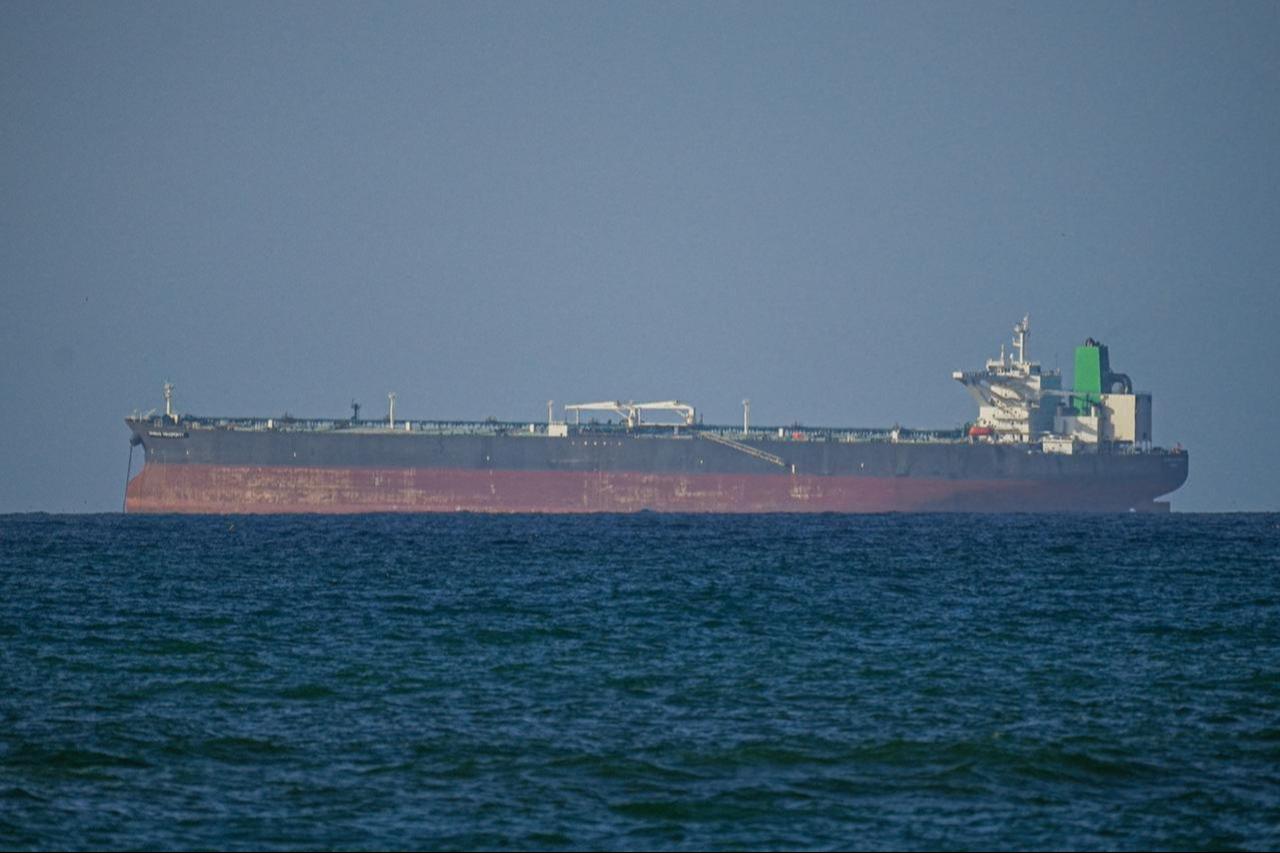

The incidents came as Iran's military declared the Strait of Hormuz closed again on Saturday, hours after announcing it had been reopened, despite more than a dozen commercial vessels transiting the key waterway.
Reuters reported that some vessels received a VHF radio message attributed to Iran's navy declaring the strait closed again.
"Attention all ships, regarding the failure of the U.S. government to fulfil its commitment in the negotiation, Iran declares the Strait of Hormuz completely closed again. No vessel of any type or nationality is allowed to pass through the Strait of Hormuz," the message said.
The back-and-forth over the strait cast doubt on optimism expressed by U.S. President Donald Trump a day earlier that a peace deal to end the U.S.-Israeli war with Iran was "very close."


 Set as preferred source
 Set as preferred source


 1 min read
 1 min read