Newsletters




It was supposed to be a lazy Sunday afternoon in Islamabad's Margalla Hills.
Sitting in GHQ Rawalpindi, Pakistan’s Chief of Defense Forces (CDF), Field Marshal Asim Munir, answered the phone.
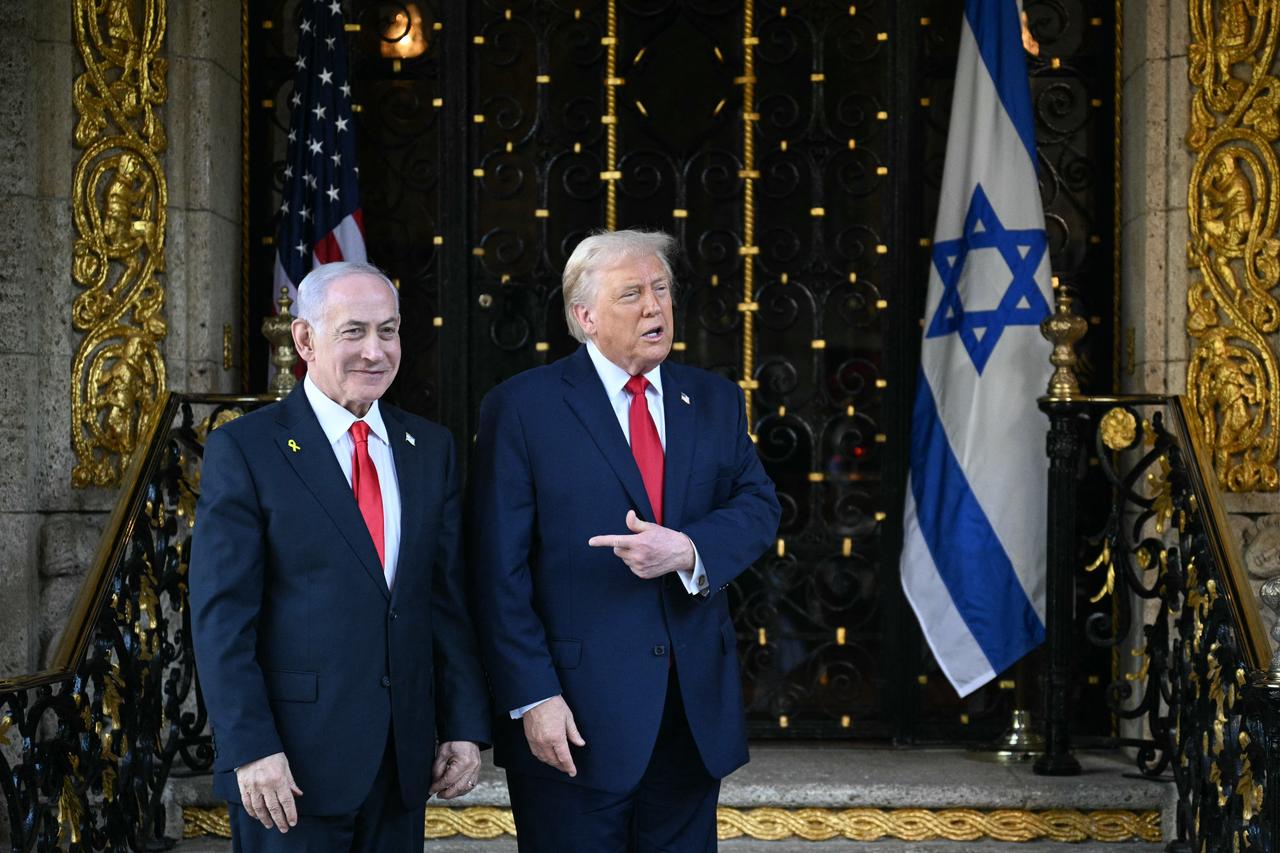
U.S. President Donald Trump wanted to have a chat.
Game on.
What began as back-channel messaging by Islamabad, Ankara and Cairo suddenly became an open-stage proposal, with the prospect of Vice President JD Vance, envoy Steve Witkoff, and possibly others making a landing in Islamabad or Istanbul as early as this week.
Since then, both the GHQ Rawalpindi, a sprawling cantonment whose white walls trace back to the British Northern Command of the late 19th century, and the diplomatic enclave in Islamabad’s F-6 sector remain abuzz with a quiet urgency.
Apparently, the U.S. and Israel have temporarily removed Iranian parliamentary speaker Mohammad-Bagher Ghalibaf and Foreign Minister Abbas Araghchi from their target lists for up to four or five days on Pakistan's request. A positive sign that the talks are moving ahead on the right track.
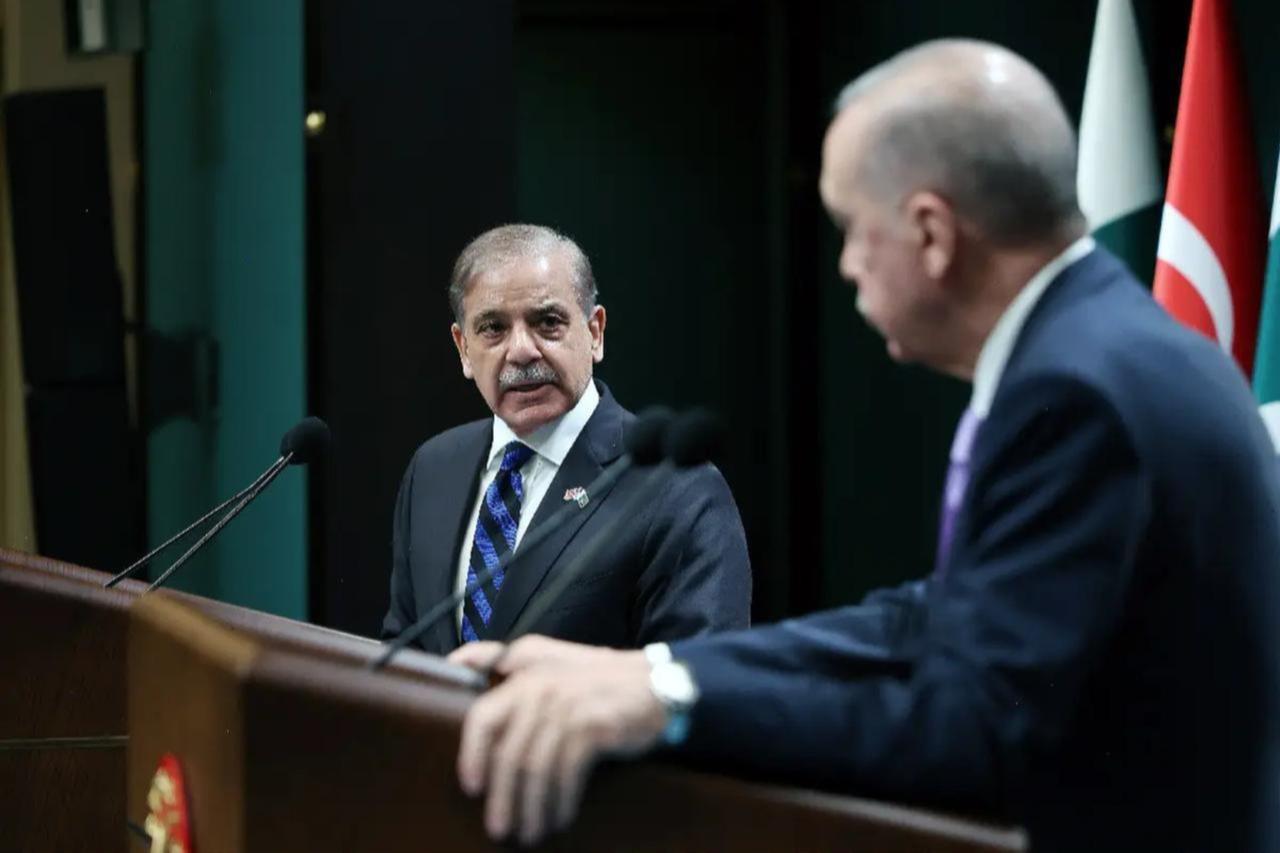
Acknowledging mediation efforts, Prime Minister Shehbaz Sharif publicly offered Pakistan as a host, “ready and honored” for direct or indirect talks, soon after reports emerged in the media. Trump reposted the statement within minutes on Truth Social.
Benefiting from established military communication channels with Iran and Trump’s appreciation of Pakistan’s army chief, Islamabad agreed to step in as a lead mediator when most of its neighboring capitals are going up in flames.
There’s no time for a rehearsal. Tehran has effectively padlocked the global gas station at the Strait of Hormuz, and the world is starting to realize it’s running on fumes.
With traditional mediators like the Gulf states under Tehran's attack, Islamabad emerged as a new hub for high-stakes negotiations. Trump has always had a soft spot for the tough men of history. The U.S. president hosted Field Marshal Munir for lunch at the White House on June 18, 2025, and praised him for "speaking his language."
Trump laid it out for reporters at that time: Pakistan “knows Iran very well, better than most." He had added that they are “not that bad with Israel” and they know them both, but Iran, better. So, it is not surprising that Pakistan is involved in this bid for peace.
Sharing a 909-kilometer-long (564.8 miles) porous land border with Iran and having deep historical and cultural ties, Pakistan may understand Iran better than most countries do.
Though bilateral ties get complicated at times due to Tehran’s 2002 defense pact with New Delhi and the terror threat emanating from Iran’s southeastern province of Sistan-Baluchestan, Islamabad remains a viable interlocutor as it does not host any American bases on its territory.
Having the second-largest gathering of Shia Muslims after Iran, though they constitute around 15% of its total population, Islamabad knows the Shia psyche and attitude toward martyrdom and war. The country has a history of dealing with violent Shia protests in Pakistani cities when anything untoward happens in Iran.
And recently, to contain their discontentment during the Iran war, CDF Asim Munir held a meeting with Shia clerics in the country.
While Trump announced a five-day pause of his 48-hour deadline for strikes on Iran’s energy and oil facilities, the next day, more American troops were being deployed in the region, and 2,000 troops from the U.S. 82nd Airborne Division are set to reach Iran this Friday.
Meanwhile, Iran also continues with its strikes in the region.
Islamabad had been reaching out to connections in Tehran at various levels, but media leaks destroyed the confidential value of the diplomatic efforts behind the scenes. With plans still in the initial stages, this presented the danger of new controversies and rumors that could make the talks collapse.
Next, since both Washington and Tel Aviv have attacked Iran, there must be some Israeli presence in the mediation process.
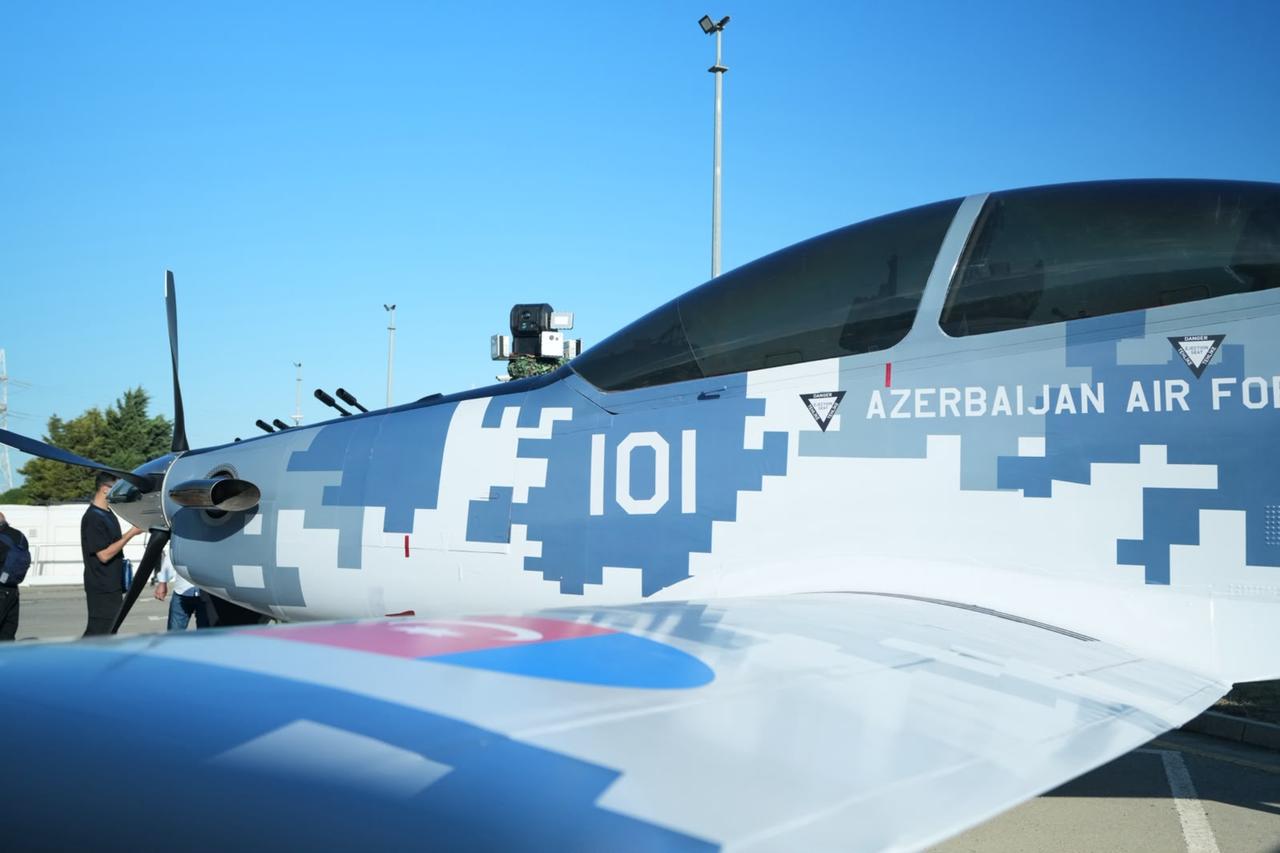
Since Pakistan does not have diplomatic links with Israel, it could have been a hurdle, but it might be making use of U.S. intermediaries or its own contacts, such as Azerbaijan, a country that is a close ally of both Pakistan and Israel.
This way, Israel would be involved in the peace process without Iran having to sit with them across the table, a feat no Gulf capital can manage in the current scenario.
Irritated why Pakistan has become the center of attention in these important talks that can end many recent global crises, New Delhi became quite snarky with its external affairs minister, S. Jaishanker, a seasoned diplomat, calling Pakistan a ‘broker nation.'
Having invested heavily in Iran’s south-eastern port of Chabahar to bypass Pakistan and its deep-water port of Gwadar, any U.S.-Iran deal ‘brokered’ by Islamabad can result in the removal of sanctions on Tehran and revive Iranian oil supplies, reducing New Delhi’s exclusive leverage over Iran.
Most Indian analysts have been calling New Delhi's exclusion from this effort a “strategic setback" and blaming the ruling party for its lack of influence in the region.
Keeping most Gulf capitals in the loop, Islamabad has been consulting every regional ally that wants de-escalation. Riyadh has a special place given Pakistan’s Strategic Mutual Defense Agreement (SMDA) with the kingdom last year.
This is exactly what makes Pakistan the perfect mediator for this situation; it has close ties with the Gulf states, China and Tehran, while it has remained a long-standing security partner of the U.S. as a non-NATO ally.
With both Washington and Tehran currently ‘escalating to eventually de-escalate’ in their own ways if there is a breakthrough, the situation remains unpredictable.
Though the course of events gives the impression of Iran not being receptive to talks, the fact that Tehran rejected the 15 points shared by Trump to offer some points of its own does amount to communication.
As Iran looks for common ground to carry the negotiations further, Washington tries for something workable that makes the talks look like it has the upper hand, so the next few days are crucial.
Behind the scenes, a lot of messages must be going back and forth, but that is exactly how a bridge is built.
Though nothing much is known about the power play behind the scenes, or what leverage either party has over the other, the mood in Pakistan remains upbeat.
The guest list is a total blackout. Aside from the usual brass mentioned in the morning papers, the mediators are moving in the shadows—exactly how the Pakistani establishment likes it.
The map is still a blur.
Whether the delegation lands in Türkiye, a secure bunker in Islamabad, or behind the high walls of the American embassy, one of the largest in the world, as per official U.S. State Department fact sheets, the location is a secret tucked deep inside a diplomat's pocket.
The table is set, but nobody is pulling up a chair just yet.
Tehran is hunkered down behind a wall of "zero trust," while Trump is staring at a five-day clock and demanding a padlock on the Strait of Hormuz.
In a world of 48-hour ultimatums, the very fact that there's a possibility of dialogue is a miracle caught in the crossfire.


 Set as preferred source
 Set as preferred source


 3 min read